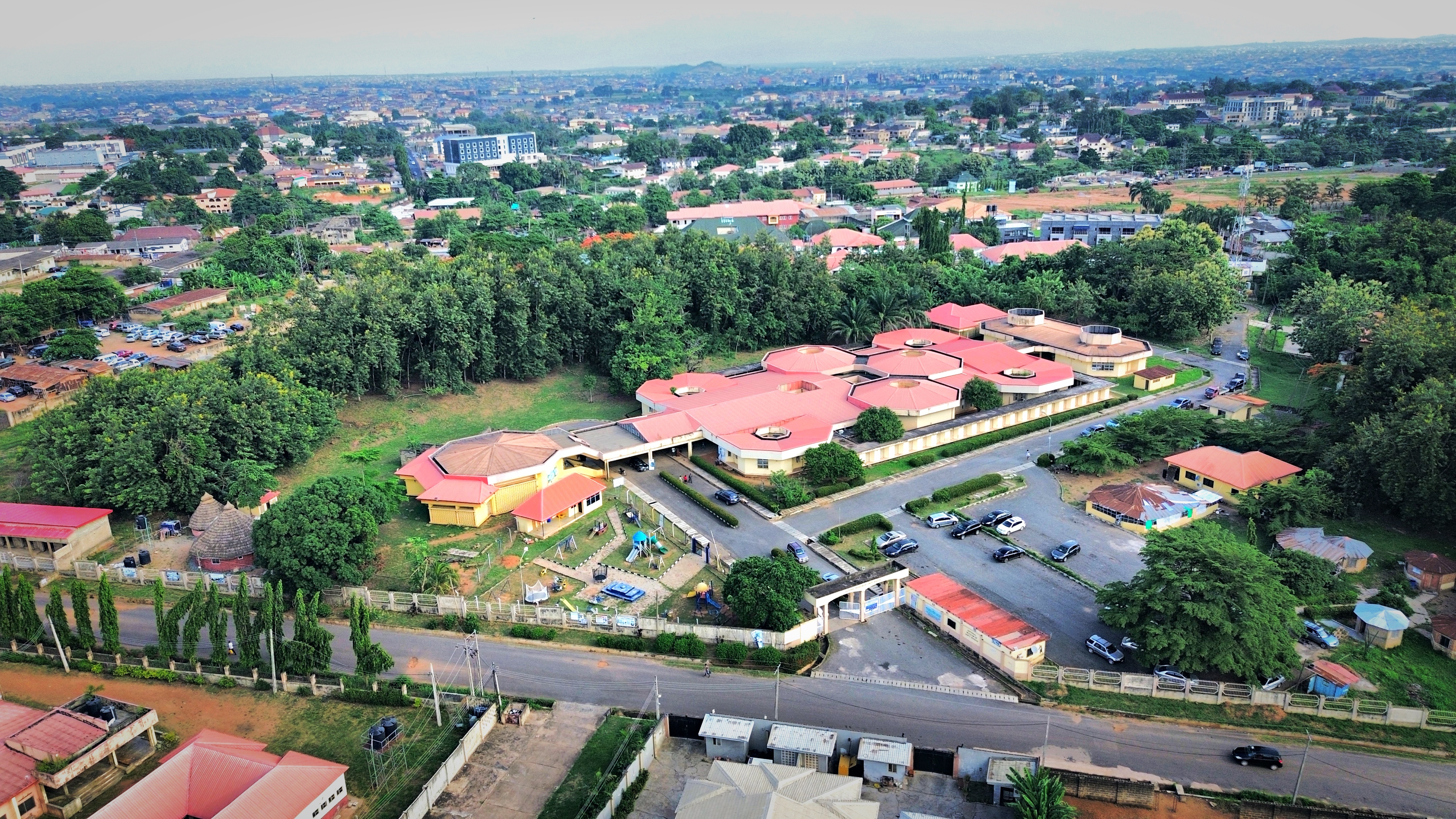
Agriculture, trade, and education have historically driven Ibadan's economy, but a growing tech startup scene is reshaping who earns money here and how. The University of Ibadan — Nigeria's oldest — anchors a research and education sector that employs thousands, while the Cocoa House district remains a commercial nerve center for regional trade. Ranked third in Nigeria for tech startups, the city is attracting founders priced out of Lagos, though most serious funding rounds still close there. Remote workers and digital nomads are a small but growing presence.
A one-bedroom in the city center runs around $200/month — roughly a third of what you'd pay in Lagos — and overall costs track proportionally lower across food, transport, and services. Okadas (motorcycle taxis) and danfos (minibuses) are the practical reality for getting around; ride-hailing apps like Bolt operate here but coverage is inconsistent outside central areas. Healthcare is a genuine concern: public hospitals are underfunded and private clinics vary wildly in quality, so most expats budget for medical evacuation insurance. English is the official language and widely spoken, but bureaucracy — business registration, residency paperwork — moves slowly and often requires local fixers to navigate.
Expect heat and humidity year-round, with a rainy season from April through October that can make unpaved roads genuinely impassable. The food scene is strong on local terms — pepper soup, amala, and suya are cheap and excellent — but international grocery options are limited compared to Lagos. The expat community is small and not well-organized; most social connection happens through university networks or startup meetups rather than any established expat infrastructure. Weekends mean local markets, the University of Ibadan Botanical Garden, or the two-hour drive to Lagos when you need a city fix. Ibadan suits location-independent workers or researchers who want a low-cost Nigerian base and don't need the hand-holding of an established expat ecosystem.
Estimate the cost of moving to Ibadan, Nigeria
Get a free moving cost estimate for moving to Ibadan, Nigeria. Takes 10 seconds.
How much are you shipping?
When are you moving?
Powered by Sirelo. Free quotes from international movers.
🏚️ Cost of Living
💰 Budgets and Costs
$153/mo, one person, rent included
Selected: budget lifestyle
Ibadan on a budget budget comes to about $153 a month for one adult, with $46.00 of that going to rent. Beyond rent the estimate covers $59.00 on groceries, $5.00 on dining out, $8.00 on entertainment and lifestyle, $24.00 on utilities and connectivity and $11.00 on transport.
Rent
$46.00/mo
1BR outside the centre
Groceries
$59.00/mo
75% of mid-range grocery spend
Dining out
$5.00/mo
4 inexpensive meals
Entertainment & lifestyle
$8.00/mo
1 cinema trip, 8 cappuccinos
Utilities & connectivity
$24.00/mo
utilities, mobile, internet
Transport
$11.00/mo
Monthly pass
Budgets (excl. rent)
Single person$107/mo
Excludes rent. The total above is all-in, rent included.
$205/mo, one person, rent included
Selected: mid-range lifestyle
Ibadan on a mid-range budget comes to about $205 a month for one adult, with $46.00 of that going to rent. Beyond rent the estimate covers $79.00 on groceries, $11.00 on dining out, $34.00 on entertainment and lifestyle, $24.00 on utilities and connectivity and $11.00 on transport.
Rent
$46.00/mo
1BR outside the centre
Groceries
$79.00/mo
Staples basket scaled to a full month
Dining out
$11.00/mo
10 inexpensive meals
Entertainment & lifestyle
$34.00/mo
gym, 2 cinema trips, 12 cappuccinos
Utilities & connectivity
$24.00/mo
utilities, mobile, internet
Transport
$11.00/mo
Monthly pass
Budgets (excl. rent)
Single person$159/mo
Excludes rent. The total above is all-in, rent included.
$409/mo, one person, rent included
Selected: comfortable lifestyle
Ibadan on a comfortable budget comes to about $409 a month for one adult, with $124 of that going to rent. Beyond rent the estimate covers $110 on groceries, $97.00 on dining out, $43.00 on entertainment and lifestyle, $24.00 on utilities and connectivity and $11.00 on transport.
Rent
$124/mo
1BR in the centre
Groceries
$110/mo
140% of mid-range grocery spend
Dining out
$97.00/mo
6 inexpensive meals + 6 mid-range meals
Entertainment & lifestyle
$43.00/mo
gym, 4 cinema trips, 20 cappuccinos
Utilities & connectivity
$24.00/mo
utilities, mobile, internet
Transport
$11.00/mo
Monthly pass
Budgets (excl. rent)
Single person$285/mo
Excludes rent. The total above is all-in, rent included.
Estimates for one adult, built from this city's average prices and the usage shown for each tier. Your spending will differ with how often you eat out and where you live.
A 1BR in the center runs about $124.05/mo. If your income is in another currency, bank FX fees add up. A multi-currency account can cut that cost.
Ibadan feels moderately safe for expats in established neighborhoods like Bodija, Agodi, and GRA during daylight hours. However, nighttime walkability is limited—most expats rely on private transport after dark. The city's reputation for crime is somewhat worse than day-to-day reality for those in secure compounds, but complacency is dangerous. Petty theft and opportunistic crime are routine concerns rather than violent confrontations.
Common risks include armed robbery, phone/bag snatching, and advance-fee scams targeting foreigners. Avoid displaying wealth, walking alone at night, and straying into unfamiliar areas like Sabo or Mokola without local guidance. Solo female travelers face additional harassment and should use trusted drivers. Carjacking and home invasions occur but are less frequent in expat-heavy zones with security infrastructure.
Nigeria's political environment is volatile—Ibadan has experienced communal tensions and occasional protests that can escalate quickly. Police are underfunded and corruption is endemic; don't rely on them for routine safety. Boko Haram activity is primarily in the north, not a direct Ibadan threat. For Americans with security awareness, established expat networks, and willingness to live within secure compounds, Ibadan is manageable but requires constant vigilance and local knowledge.
Ibadan has a safety index of 55/100. Petty theft and lost belongings are the most common problems for newcomers. Compare travel insurance before you go.
Located in the Jericho area, Leadspace offers a professional environment with reliable internet, meeting rooms, and a collaborative atmosphere. It's a good option for expats seeking a structured workspace.
Situated in the Onireke area, iBridge provides a tech-focused coworking environment with training programs and networking opportunities. It's suitable for digital nomads interested in connecting with the local tech community.
Located in Ibadan, C Hub offers a flexible and affordable coworking space with a focus on supporting entrepreneurs and startups. It provides a community-oriented environment for remote workers.
See how Ibadan's digital nomad life compares with Ogbomosho
🧳 Expat Life
English Proficiency
Limited
Expat Community
Small
Top Neighborhoods
Bodija, Akobo, Jericho
Banks Nearby
29
ATMs Nearby
3
Expat Life Notes
Ibadan is a historic academic hub that is much calmer and more affordable than neighboring Lagos.
Pros
✓ Academic and cultural center
✓ Lower traffic and noise
✓ Affordable living
Cons
✗ Aging infrastructure in many parts
✗ Limited western social scene
✗ English not as widely used in markets
🏘️ Neighborhoods in Ibadan
Areas of Ibadan that expats often consider.
Conditions can change from one block to the next, and these descriptions are general guides, not safety assessments. Before choosing where to stay or live, check current travel advisories, talk to people who live there, and visit in person if you can.
Old Bodija
Established, upscale residential area
Old Bodija is known for its well-maintained houses and relatively quiet environment. It's popular with upper-middle-class families and some expats. While not highly walkable, it's considered one of the safer and more desirable residential areas in Ibadan, though traffic can be heavy during peak hours.
New Bodija
Modern, bustling residential-commercial mix
New Bodija is a more modern extension of Old Bodija, with a mix of residential and commercial properties. It's known for its markets and shopping areas. While generally safe, it can be quite busy and noisy, and traffic congestion is a common issue. It's a good option for those who want to be close to amenities.
Jericho
Quiet, leafy, affluent suburb
Jericho is an upscale residential area with large houses and a more relaxed atmosphere. It's popular with professionals and families. It's relatively quiet and green, but less walkable than some other areas. Good for those seeking a more peaceful environment, but expect higher rents.
Dugbe
Commercial hub, vibrant, chaotic
Dugbe is the main commercial center of Ibadan, known for its markets and shops. It's a very busy and crowded area, with heavy traffic and noise. While it offers affordable living options, it's not particularly expat-friendly due to the language barrier and chaotic environment. Primarily for those seeking a truly local experience.
Ring Road
Lively, commercial, accessible location
Ring Road is a major thoroughfare with a mix of residential and commercial properties. It offers good access to other parts of the city. It can be noisy and congested, but it's a convenient location with many amenities. A decent option for those who prioritize accessibility and don't mind the hustle and bustle.
Challenge
Bustling, affordable, local market
Challenge is a densely populated area known for its large market and affordable housing. It's a very busy and lively area, but it can be overwhelming for expats due to the crowds, noise, and limited English spoken. Best suited for adventurous individuals seeking a budget-friendly, authentic Nigerian experience.
Ikolaba
Residential, quiet, government area
Ikolaba is a primarily residential area, home to many government officials and civil servants. It's generally a quiet and well-maintained area. While not as bustling as other parts of Ibadan, it offers a more peaceful living environment and is relatively safe. Good for retirees or those seeking a calmer atmosphere.
Page 1 of 2
Could living/working in Ibadan cut years off your work life?
With a 1-bedroom in the center at $124/mo, your FIRE number here might be much lower than you think.
Ibadan has a population of approximately 2,550,593 people.
A single person can expect to spend around $310 per month in Ibadan, including rent. A 1-bedroom apartment in the city center costs approximately $124/month.
The nearest airport to Ibadan is IBA, approximately 4km away.
Ibadan is considered moderate in terms of safety, with a safety index of 55.0. As with any city abroad, expats should research specific neighborhoods before committing to a location.
Ibadan has an average internet speed of 10 Mbps. It is not yet considered a well-established digital nomad destination.
Connectivity is workable but inconsistent. MTN and Airtel 4G cover most central areas, and many cafes and coworking spaces offer fiber connections. Power outages are frequent — most serious remote workers invest in a UPS or generator backup and a local SIM with a generous data plan. Expect to budget around $30–50/month for reliable mobile data as a backup to fixed broadband.
Renting is possible but comes with friction. Landlords typically demand one to two years of rent upfront — a common Nigerian practice that catches expats off guard. City-center one-bedrooms run around $200/month, but you'll likely need to pay $2,400–$4,800 upfront at signing. Using a local real estate agent or a trusted contact to negotiate and vet landlords is strongly recommended.
Expect to pay anywhere from ₦150,000 to ₦300,000 per month for a 2-bedroom apartment in areas like Jericho or Bodija, depending on the amenities and modernity. Be prepared to pay a year or two upfront, which is standard practice.
It can be challenging. You'll likely need to apply for a visa that allows for extended stays, such as a Temporary Work Permit (TWP) initially, then explore options for residency through investment or other qualifying means. Consulting with an immigration lawyer specializing in Nigerian visas is highly recommended.
Yes, there are several private hospitals with English-speaking doctors, particularly in areas like Jericho and Onireke. University College Hospital (UCH) is a teaching hospital with qualified staff, but be prepared for potentially longer wait times.
While Ibadan is generally safer than some other Nigerian cities, it's wise to avoid less developed areas, especially at night. Exercise caution in crowded markets and be aware of your surroundings in areas with limited street lighting.
English is widely spoken, especially in business and government settings, but learning some basic Yoruba phrases will significantly enhance your daily interactions and be appreciated by locals. You can get by without Yoruba, but it enriches the experience.
GTBank, Zenith Bank, and Access Bank are generally considered reliable for international transactions. Compare their fees for wire transfers and ATM withdrawals, as they can vary significantly. Consider using remittance services like Wise for potentially better rates.
Internet speeds can be variable. You can expect speeds of 10-20 Mbps with a decent mobile data plan (MTN or Airtel). Consider getting a dedicated internet line from a local provider for more reliable connectivity, but even then, outages can occur.
The expat community in Ibadan is smaller compared to Lagos or Abuja, but it exists. Online forums and social media groups are good places to connect. International schools and churches also serve as gathering points for expats.
Ibadan has a tropical wet and dry climate. Expect a rainy season from March to October and a dry season from November to February. Temperatures are generally hot and humid year-round, with average highs around 30-35°C (86-95°F).
Most people rely on taxis, 'keke napeps' (auto-rickshaws), or private cars. Public transportation exists, but it can be crowded and unreliable. Uber and Bolt are available but can be more expensive. Driving yourself is an option, but be prepared for heavy traffic.
As a US citizen, you're still required to file US taxes even while living abroad. You may be able to exclude a significant portion of your income using the Foreign Earned Income Exclusion (FEIE) or claim the Foreign Tax Credit. Consult with a tax professional specializing in expat taxes.
Yes, $2,000 USD per month is a comfortable budget for retirement in Ibadan, allowing you to afford a decent apartment, groceries, transportation, and some leisure activities. You'll need to factor in healthcare costs and potential emergencies.
While you can manage daily life speaking only English, be prepared for occasional communication challenges, especially outside of the main commercial areas. Patience and a willingness to learn a few basic Yoruba phrases will go a long way in improving your experience.
While the investment climate in Ibadan is still developing, opportunities exist in real estate, agriculture, and small businesses. Thorough due diligence and local partnerships are crucial. Consider the risks associated with emerging markets before investing significant capital.
Cost-of-living and visa updates for Ibadan and the rest of Nigeria. Free with RA Postcards.
By submitting your email address, you will receive a free subscription to RA Postcards and special offers from Rewire Abroad and our affiliates. You can unsubscribe at any time, and we encourage you to read more about our Privacy Policy.