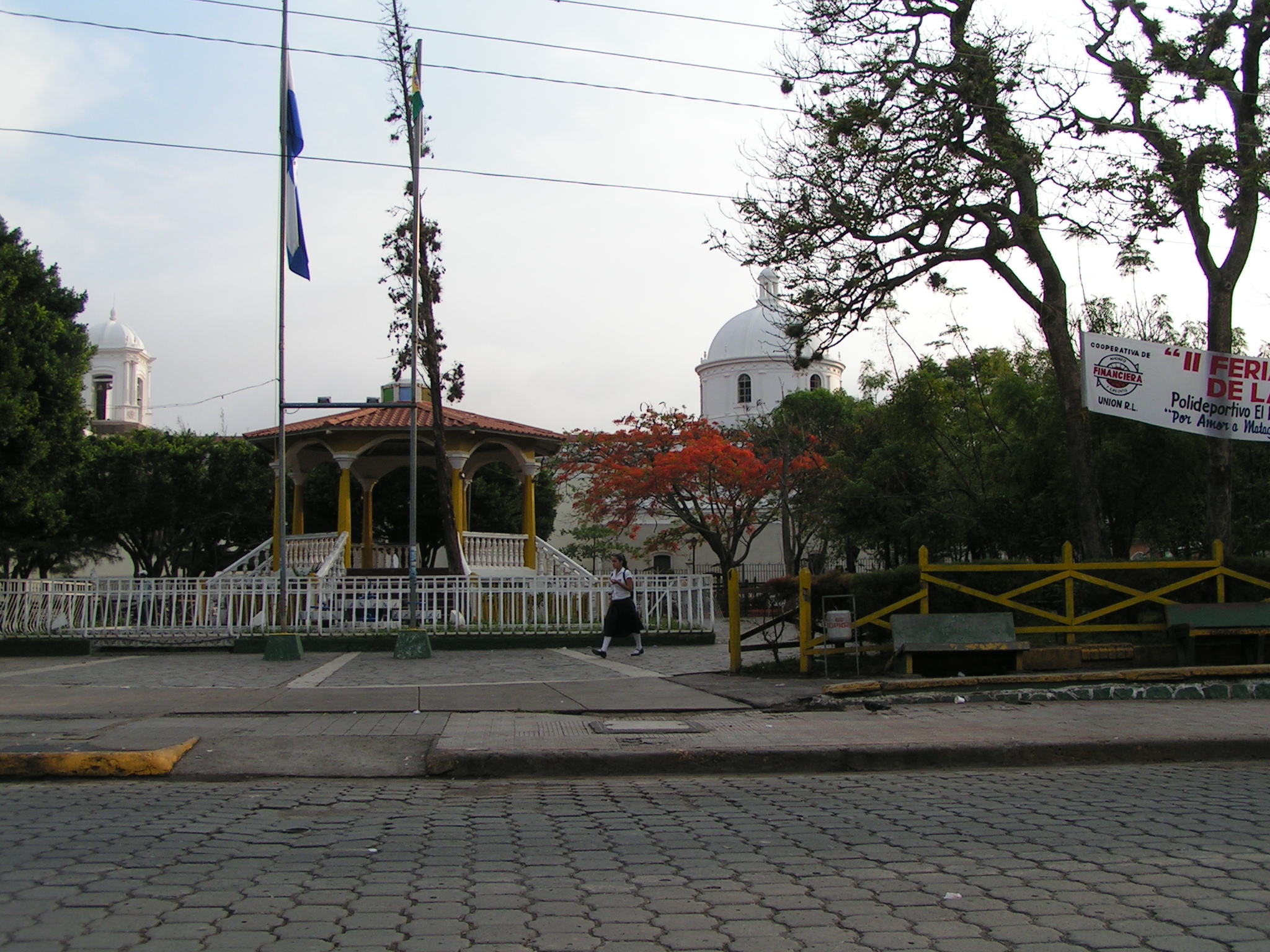
Coffee drives everything here — from the German-established plantations dating to the 1840s to the seasonal harvest jobs that employ thousands. Beyond the fincas, cattle ranching and tobacco cultivation provide steady work, while small manufacturing operations serve the broader agricultural supply chain. Local salaries reflect Nicaragua's economy: farm workers earn $150-200 monthly, while coffee farm managers and small business owners might reach $400-600. The city functions as the commercial hub for Nicaragua's interior, meaning logistics, transport, and agricultural services create additional employment beyond direct farming.
Rent runs $240 monthly for a decent one-bedroom in the center, with basic utilities adding another $40-50. Public transport consists of aging buses and shared taxis costing under $1 per ride, though many expats end up buying motorcycles or small cars for reliability. Healthcare means the public hospital for emergencies and private clinics for routine care — budget $30-50 for private consultations. Spanish is essential; English speakers are rare outside tourism. Government paperwork moves at typical Central American pace, meaning patience and local connections help significantly.
The 'eternal spring' climate delivers on its promise — consistent 68-77°F temperatures make this one of Nicaragua's most comfortable cities year-round. Coffee culture runs deep, with excellent local roasters and cafes, while weekend activities center on hiking nearby mountains or visiting coffee farms. The expat community is small but growing, mostly retirees and remote workers drawn by low costs and pleasant weather. Social life revolves around local festivals, weekend markets, and the occasional gringo gathering. This works best for people who want affordable mountain living without total isolation from civilization.
Estimate the cost of moving to Matagalpa, Nicaragua
Get a free moving cost estimate for moving to Matagalpa, Nicaragua. Takes 10 seconds.
How much are you shipping?
When are you moving?
Powered by Sirelo. Free quotes from international movers.
🏚️ Cost of Living
💰 Budgets and Costs
$425/mo, one person, rent included
Selected: budget lifestyle
Matagalpa on a budget budget comes to about $425 a month for one adult, with $175 of that going to rent. Beyond rent the estimate covers $83.00 on groceries, $28.00 on dining out, $30.00 on entertainment and lifestyle and $109 on utilities and connectivity.
Rent
$175/mo
1BR outside the centre
Groceries
$83.00/mo
75% of mid-range grocery spend
Dining out
$28.00/mo
4 inexpensive meals
Entertainment & lifestyle
$30.00/mo
1 cinema trip, 8 cappuccinos
Utilities & connectivity
$109/mo
utilities, mobile, internet
Budgets (excl. rent)
Single person$250/mo
Excludes rent. The total above is all-in, rent included.
$513/mo, one person, rent included
Selected: mid-range lifestyle
Matagalpa on a mid-range budget comes to about $513 a month for one adult, with $175 of that going to rent. Beyond rent the estimate covers $110 on groceries, $70.00 on dining out, $49.00 on entertainment and lifestyle and $109 on utilities and connectivity.
Rent
$175/mo
1BR outside the centre
Groceries
$110/mo
Staples basket scaled to a full month
Dining out
$70.00/mo
10 inexpensive meals
Entertainment & lifestyle
$49.00/mo
2 cinema trips, 12 cappuccinos
Utilities & connectivity
$109/mo
utilities, mobile, internet
Budgets (excl. rent)
Single person$338/mo
Excludes rent. The total above is all-in, rent included.
$669/mo, one person, rent included
Selected: comfortable lifestyle
Matagalpa on a comfortable budget comes to about $669 a month for one adult, with $200 of that going to rent. Beyond rent the estimate covers $155 on groceries, $117 on dining out, $88.00 on entertainment and lifestyle and $109 on utilities and connectivity.
Rent
$200/mo
1BR in the centre
Groceries
$155/mo
140% of mid-range grocery spend
Dining out
$117/mo
6 inexpensive meals + 6 mid-range meals
Entertainment & lifestyle
$88.00/mo
4 cinema trips, 20 cappuccinos
Utilities & connectivity
$109/mo
utilities, mobile, internet
Budgets (excl. rent)
Single person$469/mo
Excludes rent. The total above is all-in, rent included.
Estimates for one adult, built from this city's average prices and the usage shown for each tier. Your spending will differ with how often you eat out and where you live.
A 1BR in the center runs about $200/mo. If your income is in another currency, bank FX fees add up. A multi-currency account can cut that cost.
Matagalpa feels moderately safe for expats during daylight hours, particularly in the city center and established neighborhoods. The city has a small-town atmosphere that can feel welcoming, though nighttime walkability is limited—most expats avoid walking alone after dark. The safety index of 50/100 reflects a middle-ground reality: it's safer than major Nicaraguan cities like Managua, but less secure than rural mountain towns or established expat hubs.
Petty theft and pickpocketing are the primary concerns, especially in crowded markets and public transport. Armed robbery is less common than in larger cities but does occur, particularly in peripheral neighborhoods. Solo female travelers should exercise caution; harassment is occasional but manageable with standard precautions. Avoid displaying valuables, use registered taxis rather than hailing cabs, and stay aware of your surroundings, particularly near the market district and bus terminals.
Nicaragua's political environment is relatively stable compared to regional neighbors, though corruption within police and local government exists. Police presence is visible but response times can be slow. Matagalpa itself has not experienced significant protest activity or gang violence like some Nicaraguan cities. For Americans considering relocation, the city is viable for remote workers or retirees willing to maintain situational awareness and follow basic safety protocols—it's not a high-risk posting, but it requires the same street smarts you'd use in a mid-sized Latin American city.
Matagalpa has a safety index of 50/100. Petty theft and lost belongings are the most common problems for newcomers. Compare travel insurance before you go.
See how Matagalpa's healthcare compares with La Paz Centro
🌤️ Climate
Climate Zones
Tropical
Summer Temp
28°C
Winter Temp
22°C
Humidity
78%
Air Quality Index
45
Annual Rainfall
1157 mm
Best Months
NovDecJanFeb
Climate Notes
Matagalpa has a tropical highland climate with mild temperatures year-round, a pronounced rainy season from May to November, and a drier season from December to April ideal for outdoor activities.
💻 Digital Nomad
Avg Internet Speed
20 Mbps
Internet (monthly)
$32/mo
Coworking Availability
None
Coworking Spaces Nearby
0
Digital Nomad Score
48/100
Community Notes
Matagalpa is known for its coffee plantations and offers a rustic escape for nomads.
Part of the global Impact Hub network, this location offers a collaborative environment focused on social impact. Located centrally in Matagalpa, it's a good option for those seeking community and networking opportunities alongside their work.
While primarily a guesthouse, Casa Benjamin offers a comfortable workspace for digital nomads. It features reliable internet, a relaxed atmosphere, and is located in a quiet area of Matagalpa, making it ideal for focused work.
Located a bit outside of Matagalpa proper, in a beautiful mountain setting, Selva Negra offers a unique coworking experience within its hotel and eco-lodge. The strong wifi and tranquil environment make it a great choice for those seeking a nature-focused work retreat.
See how Matagalpa's digital nomad life compares with La Paz Centro
🧳 Expat Life
English Proficiency
Limited
Expat Community
None
Top Neighborhoods
None
Banks Nearby
10
ATMs Nearby
5
Expat Life Notes
Remote agricultural town in Nicaragua with zero foreign support.
Pros
✓ Authentic mountain life
Cons
✗ Severe poverty gaps
✗ Isolation
✗ No English
🏘️ Neighborhoods in Matagalpa
Areas of Matagalpa that expats often consider.
Conditions can change from one block to the next, and these descriptions are general guides, not safety assessments. Before choosing where to stay or live, check current travel advisories, talk to people who live there, and visit in person if you can.
Central Matagalpa
Bustling, historic, commercial heart
The city center is where you'll find the cathedral, Parque Morazán, and most shops and restaurants. It's walkable and convenient, but can be noisy and crowded. Many expats choose to live here for easy access to amenities, but be prepared for higher prices and more tourist activity.
Barrio Laborío
Traditional, residential, local flavor
A more traditional Nicaraguan neighborhood, Barrio Laborío offers a glimpse into local life. It's less touristy than the center, with more affordable housing options. Spanish is essential here, and while safe, it's less polished than the central areas.
Las Marías
Quiet, residential, family-oriented
Located slightly outside the city center, Las Marías is a quieter residential area popular with families. It's less walkable to the main attractions, but offers a more peaceful environment. You'll need a car or rely on taxis/buses to get around.
San José
Up-and-coming, mixed residential, developing
San José is a developing area with a mix of residential and commercial properties. It's becoming increasingly popular with expats due to its proximity to the center and relatively affordable housing. Expect some construction noise as the area continues to grow.
Sebaco (nearby town)
Agricultural, rural, budget-friendly
While not technically in Matagalpa, Sebaco is a nearby town offering a more rural and budget-friendly lifestyle. It's about a 30-minute bus ride to Matagalpa. This is a good option for those seeking a quieter, more authentic Nicaraguan experience, but requires more Spanish proficiency and independence.
El Calvario
Hillside, scenic views, residential
Located on a hillside overlooking Matagalpa, El Calvario offers stunning views. It's a residential area, and can be a bit of a climb to get to the center. The views and quieter atmosphere are the main draws, but transportation can be a challenge without a car.
Page 1 of 2
Could living/working in Matagalpa cut years off your work life?
With a 1-bedroom in the center at $200/mo, your FIRE number here might be much lower than you think.
Matagalpa has a population of approximately 171,473 people.
A single person can expect to spend around $500 per month in Matagalpa, including rent. A 1-bedroom apartment in the city center costs approximately $200/month.
The nearest airport to Matagalpa is MGA, approximately 11.3km away.
Matagalpa is considered moderate in terms of safety, with a safety index of 50.0. As with any city abroad, expats should research specific neighborhoods before committing to a location.
Matagalpa has an average internet speed of 20 Mbps. It is not yet considered a well-established digital nomad destination.
You need conversational Spanish minimum. English speakers are rare outside a few hotels and tour operators. Basic transactions, healthcare, and government paperwork all require Spanish, and Google Translate won't cut it for complex situations.
Fiber internet is available in the city center with speeds up to 50 Mbps for around $35-45 monthly. Power outages happen 2-3 times monthly during rainy season, so a UPS backup is essential for reliable remote work.
Matagalpa is very affordable. Expect to pay $400-$700 USD per month for rent, depending on the neighborhood and size of the apartment or house. Groceries and dining out are also inexpensive, with local meals costing just a few dollars.
Americans can enter Nicaragua visa-free for 90 days as tourists. For longer stays, you'll need to apply for residency, which can be a complex process. It's best to consult with a local attorney to navigate the requirements, which often involve proving income or investment.
Healthcare is available, but the quality may not be up to US standards. While some doctors have limited English proficiency, it's advisable to learn basic Spanish or bring a translator. Private clinics offer better care than public hospitals, but costs are significantly lower than in the US.
Generally, the residential areas further from the central market are considered safer. Areas like Molino Norte and some parts of Las Marías are popular among expats. Always exercise caution and be aware of your surroundings, especially at night.
Getting around Matagalpa is relatively easy using local buses and taxis. Buses are very cheap but can be crowded. Taxis are readily available and affordable, but agree on the fare beforehand. Renting a car is also an option, but driving conditions can be challenging.
Matagalpa has a smaller expat community compared to Granada or San Juan del Sur, but it's growing. You can connect with other expats through online forums and social media groups. The community is generally welcoming and supportive.
Matagalpa has a pleasant, spring-like climate year-round due to its elevation. Expect temperatures in the 70s and 80s Fahrenheit. The rainy season is from May to October, with drier conditions from November to April.
You can use ATMs to withdraw cash, but be aware of fees. Banco ProCredit and BAC are common banks. International money transfers are possible through services like Western Union or Remitly. Opening a local bank account can be challenging but useful for longer stays.
As a US citizen, you're still required to file US taxes even when living abroad. You may be able to exclude a certain amount of foreign earned income (FEIE) and may need to report foreign bank accounts (FBAR). Consult with a tax professional specializing in expat taxes.
Matagalpa can be a great option for early retirement if you're on a budget. With careful planning, you could potentially live comfortably on $1500-$2000 USD per month, covering rent, food, and basic expenses. However, factor in healthcare costs and potential emergencies.
While some locals speak English, knowing Spanish will significantly improve your quality of life. Consider taking Spanish lessons before or after arriving. Even basic Spanish will help you navigate daily life, build relationships, and avoid misunderstandings.
Passive income from sources like rental properties, dividend stocks, or online businesses can stretch significantly in Matagalpa. The low cost of living allows you to live comfortably on a smaller income than you would need in the US. Just be mindful of currency exchange rates and potential fluctuations.
Coworking spaces are limited in Matagalpa, but some cafes offer decent internet and a workspace atmosphere. Check local listings and ask around for recommendations. Ensure the internet speed meets your remote work requirements before committing to a long-term stay.
Matagalpa is known for its coffee plantations, so visiting one is a must. You can also explore the nearby mountains, go hiking, or visit the Selva Negra ecological reserve. The city itself has a charming central park and a few historical buildings.
Cost-of-living and visa updates for Matagalpa and the rest of Nicaragua. Free with RA Postcards.
By submitting your email address, you will receive a free subscription to RA Postcards and special offers from Rewire Abroad and our affiliates. You can unsubscribe at any time, and we encourage you to read more about our Privacy Policy.