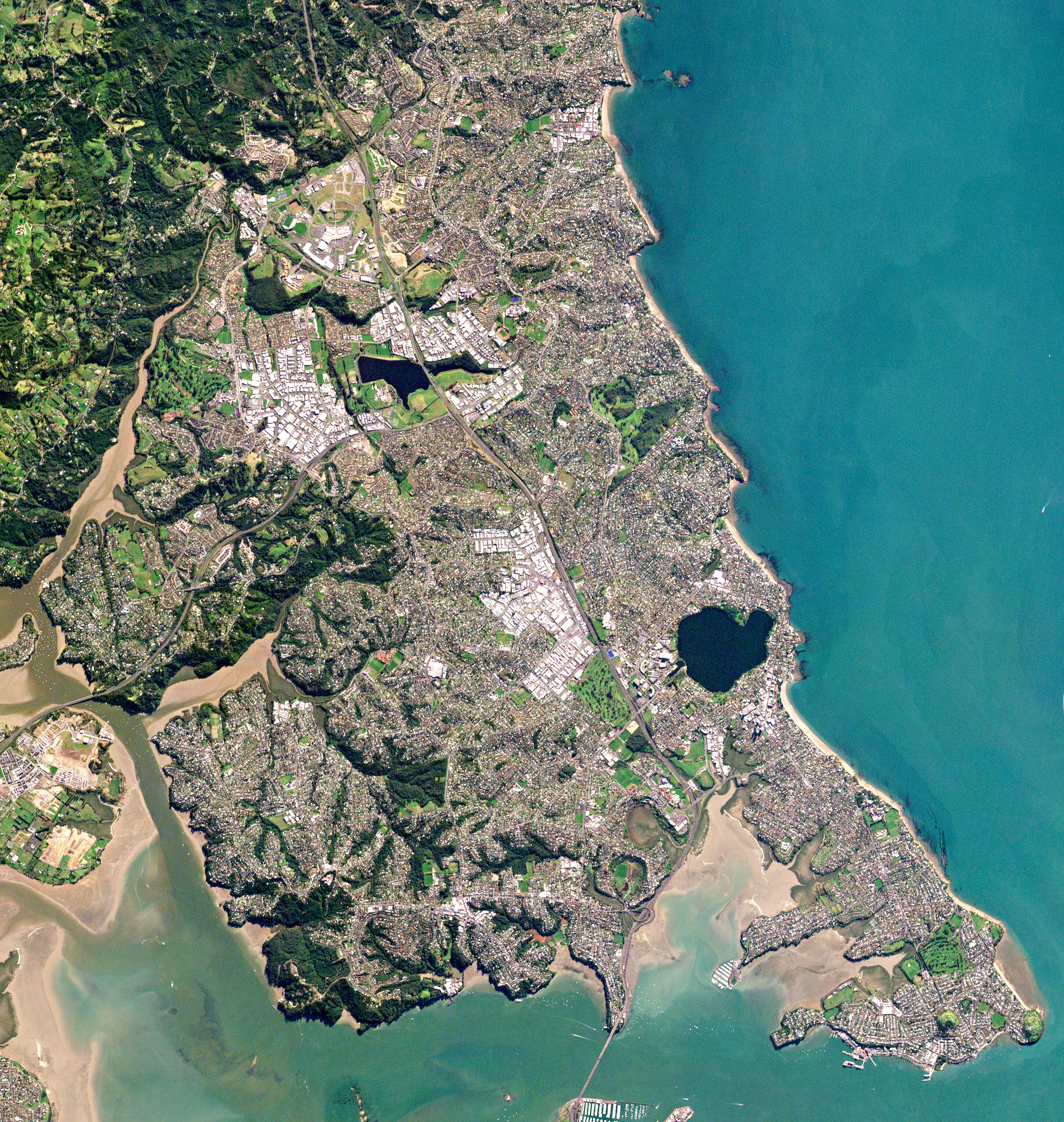
Service industries and retail dominate the local economy, concentrated in commercial hubs like Albany, Takapuna, and Devonport. Most residents commute across the harbour bridge to Auckland's CBD for higher-paying jobs in finance, tech, and professional services. Local employment centers around shopping malls, hospitality, healthcare, and property services. The transition from fruit orchards to suburban sprawl created a bedroom community economy — you'll find cafes, real estate agencies, and chain stores, but limited high-value job creation. Economic activity revolves around serving the residential population rather than generating wealth.
Expect to pay $1,750+ monthly for a one-bedroom in desirable areas, with beachside locations commanding premium prices that rival central Auckland. The harbour bridge creates a transport bottleneck — budget 45+ minutes for peak-hour commutes to the city. Ferry services from Devonport offer a scenic but limited alternative. Healthcare access is solid through public and private options, though specialist appointments require trips to Auckland proper. English dominance makes language barriers minimal. Council bureaucracy is standard New Zealand efficiency — not painful, but not particularly fast either.
Mild oceanic climate delivers comfortable year-round weather, with summer beach days at Takapuna and Browns Bay being genuine highlights. The food scene centers on suburban cafes and chain restaurants rather than culinary innovation. Weekend activities revolve around coastal walks, sailing, and beach culture — it's genuinely pleasant if you enjoy outdoor recreation. The expat community is modest but established, mostly families and retirees drawn by safety and schools. This suits people prioritizing lifestyle over career advancement, particularly families willing to pay premium prices for beachside suburban living.
Estimate the cost of moving to North Shore, New Zealand
Get a free moving cost estimate for moving to North Shore, New Zealand. Takes 10 seconds.
How much are you shipping?
When are you moving?
Powered by Sirelo. Free quotes from international movers.
🏚️ Cost of Living
A 1BR in the center runs about $1302.06/mo. If your income is in another currency, bank FX fees add up. A multi-currency account can cut that cost.
North Shore is genuinely one of New Zealand's safest areas, with a Safety Index of 88 reflecting low violent crime and strong community policing. Walking at night is generally safe, even alone, though common sense applies in any city. The affluent suburban character and active neighborhood watch culture create a secure, predictable environment that appeals to expats seeking peace of mind.
Property crime—vehicle break-ins and residential burglary—poses the main risk, particularly in less-monitored areas. Petty theft from cars and homes occurs but remains infrequent. Violent crime is rare. Avoid leaving valuables visible in vehicles, secure your home well, and stay aware in isolated spots after dark. Solo female travelers and residents report feeling safe overall; harassment is uncommon.
New Zealand has stable governance, reliable police, and no significant political instability affecting daily life. Corruption is minimal and the justice system functions well. North Shore's affluent demographics and strong civic infrastructure mean expats can expect consistent safety and responsive local services. For Americans 30–65 seeking a secure, English-speaking retirement or remote work base, this is an excellent choice with minimal geopolitical risk.
🏥 Healthcare
Excellent
Public Hospitals
Yes
Private Clinics
Yes
English-Speaking Doctors
Widely Available
See how North Shore's healthcare compares with Rolleston
🌤️ Climate
Climate Zones
Temperate
Summer Temp
20°C
Winter Temp
10°C
Humidity
75%
Air Quality Index
25
Annual Rainfall
1815 mm
Best Months
DecJanFebAprMaySep
Climate Notes
North Shore enjoys a temperate oceanic climate with mild summers (December-February around 20°C) and cool winters (June-August around 10°C), featuring year-round rainfall and moderate humidity ideal for expats seeking a relaxed, green environment.
💻 Digital Nomad
Avg Internet Speed
115 Mbps
Internet (monthly)
$51/mo
Coworking Availability
Abundant
Coworking Spaces Nearby
12
Digital Nomad Score
80/100
Community Notes
North Shore combines a relaxing atmosphere with strong support for digital nomads.
Located in Takapuna, BizDojo offers a vibrant community and flexible workspace options. It's known for its collaborative atmosphere and regular events, making it ideal for expats looking to network.
A reliable option in Takapuna, Regus provides professional and well-equipped workspaces. It's a good choice for those who prefer a more corporate environment with established amenities.
Situated in Albany, The Workshop provides a modern and stylish coworking environment. They offer a range of services including meeting rooms, event space, and a cafe, making it a convenient option for remote workers.
While technically in Auckland Central, Generator Britomart is easily accessible from the North Shore and offers a premium coworking experience. It's known for its design-focused spaces and strong community, appealing to those seeking a more upscale environment.
See how North Shore's digital nomad life compares with Rolleston
🧳 Expat Life
English Proficiency
Widely Spoken
Expat Community
Large & Active
Top Neighborhoods
Albany, Takapuna, Milford
Banks Nearby
62
ATMs Nearby
70
Expat Life Notes
One of Auckland's premier coastal areas, offering a high-end beach lifestyle with universal English.
Pros
✓ Stunning coastline
✓ Safe and high-end
✓ Top tier infrastructure
Cons
✗ Very high cost of housing
✗ Congested cross-bridge traffic
✗ Expensive living
🏘️ Neighborhoods in North Shore
Areas of North Shore that expats often consider.
Conditions can change from one block to the next, and these descriptions are general guides, not safety assessments. Before choosing where to stay or live, check current travel advisories, talk to people who live there, and visit in person if you can.
Takapuna
Beachy, vibrant, commercial hub
Takapuna is the North Shore's main commercial and entertainment center, offering a mix of apartments, shops, restaurants, and a popular beach. It's very walkable and has good bus connections to Auckland CBD. Expect higher prices and more tourists, especially during summer.
Devonport
Historic, charming, seaside village
Devonport is a historic village known for its Victorian architecture, art galleries, and stunning views of Auckland's skyline. It's easily accessible by ferry from Auckland CBD, making it popular with commuters. The village atmosphere and proximity to the water make it attractive, but housing can be expensive.
Milford
Relaxed, family-friendly, coastal suburb
Milford offers a quieter, more residential atmosphere with a beautiful beach, a shopping center, and good schools. It's popular with families and retirees. While less bustling than Takapuna, it still has plenty of amenities and good transport links.
Browns Bay
Community-focused, relaxed beach town
Browns Bay has a strong community feel, with a lovely beach, a variety of shops and cafes, and regular community events. It's a good option for those seeking a more laid-back lifestyle. It's slightly further from Auckland CBD than Takapuna or Devonport, but still well-connected by bus.
Birkenhead
Leafy, hilly, village atmosphere
Birkenhead offers a mix of older homes and newer developments, with a charming village center featuring cafes, restaurants, and boutique shops. It's known for its parks and reserves, offering plenty of green space. It's a good option for those seeking a quieter, more suburban lifestyle with easy access to the city via ferry or bus.
Glenfield
Affordable, convenient, suburban living
Glenfield is a more budget-friendly option, offering a range of housing options and a large shopping mall. It's a practical choice with good access to amenities and transport links. While less charming than some other North Shore suburbs, it provides good value for money.
Albany
Modern, growing, commercial center
Albany is a rapidly developing area with a large shopping mall, Massey University campus, and a growing number of businesses. It's a good option for those seeking modern amenities and convenient access to the motorway. While less established than some other suburbs, it offers a range of housing options and good transport links.
Page 1 of 2
Could living/working in North Shore cut years off your work life?
With a 1-bedroom in the center at $1302/mo, your FIRE number here might be much lower than you think.
North Shore has a population of approximately 205,605 people.
A single person can expect to spend around $3,255 per month in North Shore, including rent. A 1-bedroom apartment in the city center costs approximately $1302/month.
The nearest airport to North Shore is AKL, approximately 10km away.
North Shore is considered relatively safe, with a safety index of 88.0. As with any city abroad, expats should research specific neighborhoods before committing to a location.
North Shore has an average internet speed of 115 Mbps. It is considered a well-established digital nomad destination.
Expect 45-60 minutes during peak hours via the harbour bridge, which creates a major bottleneck. Ferry from Devonport takes 12 minutes but only serves limited North Shore areas. Most residents drive despite traffic congestion.
The North Shore has a mild, oceanic climate. Expect warm, humid summers (December-February) with average highs around 24°C (75°F) and mild, wet winters (June-August) with average lows around 8°C (46°F). Pack layers, as the weather can change quickly.
While a car is convenient, you can manage without one, especially if you live near a bus route or ferry terminal. Public transport is decent, with frequent buses connecting different suburbs and ferries to Auckland city from Birkenhead, Devonport, and Bayswater. Cycling is also popular, but be mindful of hills.
For more affordable living, consider suburbs like Glenfield, Birkdale, or Beach Haven. These areas offer a mix of housing options, good access to amenities, and are generally more budget-friendly than beachfront suburbs like Takapuna or Devonport. You'll still find a good quality of life.
Internet speeds on the North Shore are generally very good, with fiber optic connections available in many areas. You can expect download speeds of 50-100 Mbps or higher, which is sufficient for most remote work tasks. Check with your specific address to confirm availability.
Yes, there are several coworking spaces on the North Shore, particularly in Takapuna and Albany. These offer a range of options, from hot desks to private offices, and provide a good environment for networking and collaboration. Spaces like Bizdojo and The Workshop are popular choices.
New Zealand has a mixed public and private healthcare system. As a non-resident, you'll likely need private health insurance to cover your medical expenses. The quality of care is generally very good, and many doctors speak English. Expect to pay upfront for services and then claim reimbursement from your insurer.
As a US citizen, you're still required to file US taxes even when living abroad. You may be able to exclude a significant portion of your foreign earned income using the Foreign Earned Income Exclusion (FEIE). Also, be aware of FBAR and FATCA reporting requirements for foreign bank accounts and assets.
The North Shore has a sizable expat community, including many Americans, Brits, and South Africans. You can find various expat groups and social events through online platforms like InterNations and Meetup. This makes it easier to connect with other expats and build a social network.
English is the primary language spoken on the North Shore. You won't encounter significant language barriers in daily life, as most people are fluent in English. While learning some basic Māori phrases is appreciated, it's not essential for everyday communication.
The North Shore offers a diverse dining scene, with options ranging from casual cafes to upscale restaurants. You'll find a variety of cuisines, including Asian, European, and Pacific Rim. Expect to pay around NZ$25-NZ$40 for a main course at a mid-range restaurant.
Living comfortably on $3,000 USD (approximately NZ$4,800) per month on the North Shore would be challenging but potentially doable with careful budgeting. You'd need to prioritize affordable housing in areas like Glenfield, cook most meals at home, and limit discretionary spending. Healthcare costs would also need to be factored in.
Several visa options exist for Americans. If you're planning to work remotely, explore the Working Holiday Visa (if eligible based on age) or consider the Accredited Employer Work Visa if you secure a job offer. For longer-term stays, investigate Skilled Migrant Category visas or investment-based visas if you meet the criteria. Consult with an immigration advisor for personalized guidance.
Cost-of-living and visa updates for North Shore and the rest of New Zealand. Free with RA Postcards.
By submitting your email address, you will receive a free subscription to RA Postcards and special offers from Rewire Abroad and our affiliates. You can unsubscribe at any time, and we encourage you to read more about our Privacy Policy.