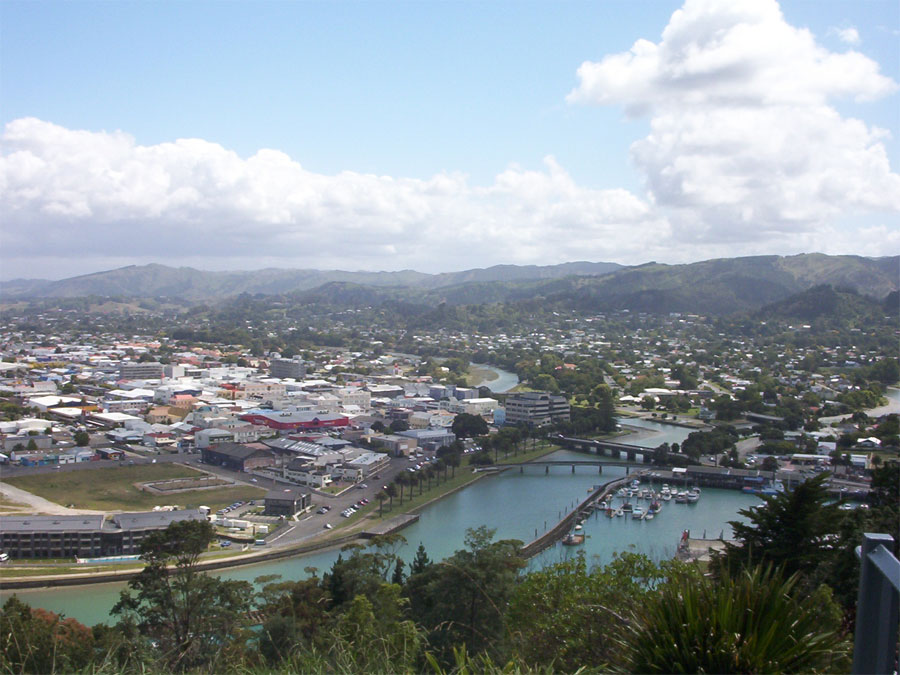
Agriculture, viticulture, and forestry dominate Gisborne's economy. The wine region produces export-grade Chardonnay and other varietals; pine plantations blanket the surrounding hills; the port ships logs and produce nationwide. Employment clusters around farming, wineries, forestry operations, and port work. Tourism and hospitality are growing but remain secondary. Most expats here either work remotely, run small businesses, or find seasonal work in horticulture or wine. Wages lag Auckland by 15–20%, but so does cost of living.
Rent for a one-bedroom city center runs $933/month—genuinely affordable by NZ standards. Transport relies on a car; buses exist but are infrequent. Healthcare is accessible through Gisborne Hospital and private clinics, though specialists require travel to larger cities. Bureaucracy for residency and work visas follows standard NZ processes, no worse than elsewhere. English dominates; Māori place names and language are present but not a barrier. The real friction: Gisborne is isolated. State Highway 2 is the only road out, and flights to Auckland cost $150–250 one-way.
Summers are warm and subtropical; winters mild. Kaiti Beach and wine country dominate weekends. The expat community is small—maybe 200–300 people—so you won't find expat bubbles or coworking spaces. Māori cultural events and local festivals matter here. Food is fresh and local; dining out is casual and cheap. The social scene requires effort; you'll meet people through work, sports clubs, or volunteering. Gisborne suits remote workers seeking affordability, outdoor access, and genuine small-town life—not those craving anonymity or frequent international travel.
Estimate the cost of moving to Gisborne, New Zealand
Get a free moving cost estimate for moving to Gisborne, New Zealand. Takes 10 seconds.
How much are you shipping?
When are you moving?
Powered by Sirelo. Free quotes from international movers.
🏚️ Cost of Living
A 1BR in the center runs about $932.61/mo. If your income is in another currency, bank FX fees add up. A multi-currency account can cut that cost.
Gisborne is genuinely safe for daily life. The city has a relaxed, small-town atmosphere where walking at night is generally secure, though common sense applies in quieter areas after dark. Expats report feeling comfortable in most neighborhoods, and the local community is welcoming. This isn't a false sense of security—violent crime is rare, and the city's safety index reflects a real, lived experience rather than perception inflation.
Property crime (car break-ins, petty theft) occurs occasionally, particularly in less-monitored areas, so securing vehicles and homes is standard practice. Avoid leaving valuables visible in cars. Violent crime is uncommon. Solo female travelers and expats report no particular gender-based safety concerns beyond normal urban awareness. The main risk is opportunistic theft rather than organized crime or confrontation.
New Zealand has stable governance, reliable police, and no significant political instability affecting daily life. Gisborne specifically has low corruption and functional public services. The city's isolation on the East Cape means fewer transient crime networks. For an American considering relocation, this is a genuinely low-risk environment—safer than most mid-sized U.S. cities. The trade-off is limited nightlife and amenities, not safety concerns.
🏥 Healthcare
Good
Public Hospitals
Yes
Private Clinics
Yes
English-Speaking Doctors
Available
See how Gisborne's healthcare compares with Blenheim
🌤️ Climate
Climate Zones
Temperate
Summer Temp
20°C
Winter Temp
12°C
Humidity
75%
Air Quality Index
25
Annual Rainfall
2001 mm
Best Months
FebMarAprOctNov
Climate Notes
Gisborne has a mild maritime climate with warm, humid summers (December–February) and cool, wet winters (June–August), making it one of New Zealand's sunniest cities but prone to occasional cyclones.
💻 Digital Nomad
Avg Internet Speed
60 Mbps
Coworking Availability
Moderate
Coworking Spaces Nearby
0
Digital Nomad Score
74/100
Community Notes
Coastal city known for excellent surfing and a rising digital nomad scene.
Located just outside of Gisborne in the rural area, The Vines Village offers a relaxed, community-focused coworking environment. It's ideal for those seeking a quieter, more nature-oriented workspace with good coffee and a chance to connect with local entrepreneurs.
While technically in Hastings (Hawke's Bay), it's a viable option for those willing to travel a bit from Gisborne (about 2 hours drive). It provides a professional setting with various membership options, meeting rooms, and networking opportunities, suitable for digital nomads needing a more structured environment.
Located in the central business district, Regus Gisborne offers a reliable and professional coworking experience. It provides a range of services, including private offices and meeting rooms, making it a good choice for those needing a more formal workspace with global brand recognition.
See how Gisborne's digital nomad life compares with Blenheim
🧳 Expat Life
English Proficiency
Widely Spoken
Expat Community
Small
Top Neighborhoods
Wainui, Whataupoko
Banks Nearby
5
ATMs Nearby
2
Expat Life Notes
The first city to see the sun. Safe coastal town with amazing surf.
Pros
✓ Surf culture
✓ Safe and friendly
✓ Natural beauty
Cons
✗ Extremely isolated
✗ Limited jobs
✗ Quiet nightlife
🏘️ Neighborhoods in Gisborne
Areas of Gisborne that expats often consider.
Conditions can change from one block to the next, and these descriptions are general guides, not safety assessments. Before choosing where to stay or live, check current travel advisories, talk to people who live there, and visit in person if you can.
Inner City (CBD)
Central, convenient, urban living
The heart of Gisborne, offering easy access to shops, restaurants, and the waterfront. A mix of apartments and older buildings. Can be noisy at times, but very walkable and convenient for those without a car.
Kaiti
Historic, coastal, community-focused
Located across the river from the CBD, Kaiti is rich in Maori history and offers stunning views. More affordable than the city center, but less walkable to amenities. A car is recommended, and it's a good choice for those seeking a more authentic Kiwi experience.
Whataupoko
Leafy, residential, family-friendly
An established, desirable suburb with larger properties and mature trees. Popular with families and retirees. Quieter than the city center, but still relatively close to amenities. Requires a car for most errands.
Riverdale
Quiet, riverside, relaxed living
Located along the Taruheru River, Riverdale offers a peaceful setting. A mix of older homes and newer developments. Good for those seeking a quieter lifestyle, but less convenient for public transport. A car is advisable.
Waikanae Beach
Beachside, vibrant, tourist-oriented
A popular beachside area with a lively atmosphere, especially during summer. Offers stunning ocean views and easy access to the beach. Can be more expensive and crowded during peak season. Good for those who love the beach lifestyle.
Awapuni
Semi-rural, spacious, peaceful
Located on the outskirts of Gisborne, Awapuni offers a more rural setting with larger properties. Ideal for those seeking peace and quiet. Requires a car for all errands. Good for those wanting more space and a connection to nature.
Page 1 of 2
Could living/working in Gisborne cut years off your work life?
With a 1-bedroom in the center at $933/mo, your FIRE number here might be much lower than you think.
Gisborne has a population of approximately 37,000 people.
A single person can expect to spend around $2,332 per month in Gisborne, including rent. A 1-bedroom apartment in the city center costs approximately $933/month.
The nearest airport to Gisborne is GIS, approximately 3.5km away.
Gisborne is considered relatively safe, with a safety index of 78.0. As with any city abroad, expats should research specific neighborhoods before committing to a location.
Gisborne has an average internet speed of 60 Mbps. It is considered a well-established digital nomad destination.
Yes, many expats work remotely. Internet is reliable in the city center (fiber available through major providers), though speeds are slower than Auckland. Rural areas can be patchy. Power outages are rare. Most coworking spaces don't exist; you'll work from home or cafes.
Very isolated. State Highway 2 is the only road; it takes 4.5 hours to reach Auckland by car. Flights to Auckland run 1 hour but cost $150–250 one-way and operate 2–3 times daily. Most expats drive to Auckland 2–4 times yearly or fly for urgent business. Plan accordingly.
Small and dispersed—roughly 200–300 expats total. No established expat clubs or regular meetups. You'll meet people through work, sports (rugby, netball, running clubs), or volunteering. Expect to build friendships slowly and intentionally. Māori cultural events and local festivals are the main social anchors.
Gisborne is generally more affordable than major New Zealand cities. Expect to pay around NZ$1,400-2,200 per month for a decent two-bedroom apartment, depending on the neighborhood. Groceries are comparable to US prices, while dining out is slightly more expensive, with a mid-range restaurant meal costing around NZ$30-40.
New Zealand doesn't have a specific retirement visa. However, the Investor Visa or the Parent Retirement Resident Visa (if you have adult children living in NZ) are potential pathways. It's best to consult with an immigration lawyer to determine the best option for your situation.
Gisborne has a public hospital and several private clinics. While the public system is accessible, private healthcare offers shorter wait times. You'll find many doctors speak excellent English, but it's always wise to confirm when booking an appointment.
Gisborne is generally considered a safe city with a low crime rate compared to larger urban centers. Petty theft can occur, so it's wise to take standard precautions. Violent crime is rare, making it a comfortable place to live.
English is widely spoken in Gisborne, so you shouldn't face significant language barriers. While learning some basic Māori phrases is appreciated, it's not essential for daily life. Most locals are friendly and happy to communicate in English.
Major New Zealand banks like ANZ, Westpac, and BNZ have branches in Gisborne. Setting up a local bank account is straightforward with the right documentation. For international transfers, services like Wise or OFX often offer better exchange rates than traditional banks.
For budget-friendly options, consider areas like Elgin or Riverdale. More upscale neighborhoods with ocean views include Wainui and Okitu. The city center offers convenient access to amenities but can be pricier.
Gisborne enjoys a temperate climate with warm summers and mild winters. Expect sunshine and warm temperatures from December to February (summer), while June to August (winter) can be cooler and wetter. It's known as the first city in the world to see the sunrise each day.
While Gisborne has a public bus system, it's not as extensive as in larger cities. Having a car is generally recommended for exploring the surrounding region and accessing some amenities. Cycling is also a popular option, especially within the city.
As a US citizen, you're still required to file US taxes even while living abroad. The Foreign Earned Income Exclusion (FEIE) can help you exclude a certain amount of your foreign-earned income from US taxes. Also, be aware of FBAR reporting requirements for foreign bank accounts.
Retiring on $3,000 USD (approximately $4,800 NZD) per month in Gisborne is feasible but requires careful budgeting. You'll likely need to rent a smaller apartment outside the city center and be mindful of expenses. It's definitely more achievable than in Auckland or Wellington.
The quality of life in Gisborne is generally relaxed and friendly. As an English speaker, you'll find it easy to navigate daily life, from shopping to socializing. The slower pace and beautiful natural surroundings contribute to a high quality of life.
Gisborne has a few coworking spaces, such as The Common, offering a professional environment. Many cafes also provide reliable Wi-Fi and a comfortable atmosphere for remote work. Check out places like The Coffee Company or Crawford Road Kitchen.
Gisborne's lower cost of living makes it attractive for FIRE enthusiasts. Your passive income can stretch further here than in many other places. Consider investing in New Zealand's KiwiSaver scheme (if eligible) for long-term savings and potential government contributions.
Cost-of-living and visa updates for Gisborne and the rest of New Zealand. Free with RA Postcards.
By submitting your email address, you will receive a free subscription to RA Postcards and special offers from Rewire Abroad and our affiliates. You can unsubscribe at any time, and we encourage you to read more about our Privacy Policy.