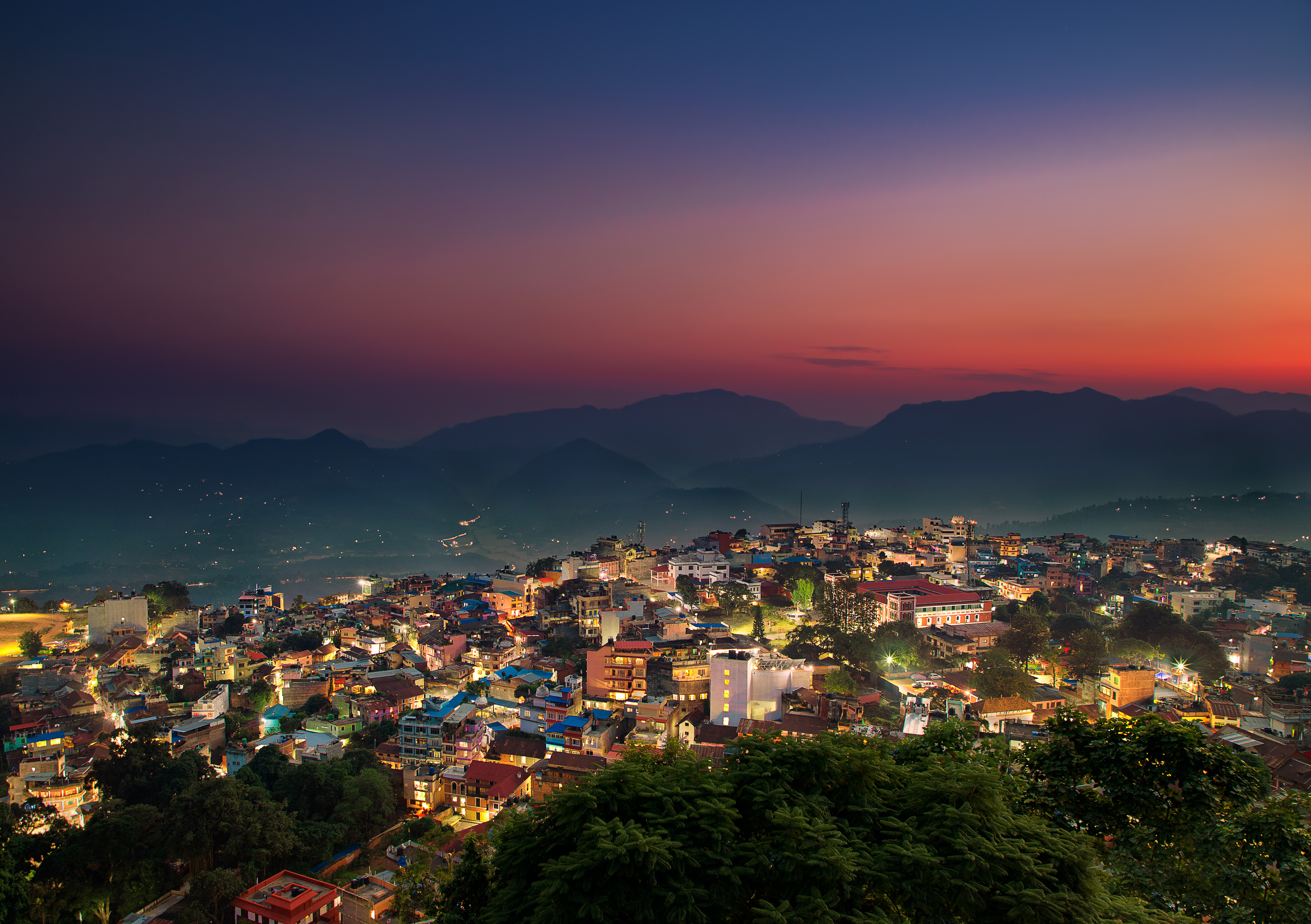
Tansen's economy runs on trade, traditional metalwork, and dhaka cloth production—textiles that supply Nepal's domestic market for traditional garments. The Sitalpati market square is the commercial spine; most locals work retail, wholesale, or small manufacturing. United Mission Hospital (160 beds, 300+ staff) is the largest employer and a genuine draw for healthcare workers and expat medical professionals. Tourism adds income but remains seasonal. This isn't a place to build a remote career unless you're self-employed; job hunting here means healthcare, education, or NGO work.
Rent runs $150–300/month for a decent apartment; utilities add another $30–50. The Butwal-Pokhara highway bypasses town, leaving the center walkable but steep—motorbike taxis are cheap and necessary. United Mission Hospital provides solid care for serious issues; routine treatment is affordable but requires Nepali language or patience. Internet is unreliable (expect 5–10 Mbps on good days). Bureaucracy for residency permits is standard Nepal friction: slow, document-heavy, requires multiple visits. The 2015 earthquake damaged much of the historic district; reconstruction is ongoing.
Winters are mild (rarely below freezing), summers warm but not oppressive. Food is basic Nepali fare—dal bhat, momos, limited variety unless you cook. The expat community is tiny (mostly hospital staff and NGO workers), so don't expect a social scene. Weekends mean hiking to viewpoints, temple visits, or day trips to Pokhara (1.5 hours). Tansen suits healthcare professionals, long-term volunteers, and people seeking genuine quiet—not digital nomads seeking nightlife or reliable infrastructure.