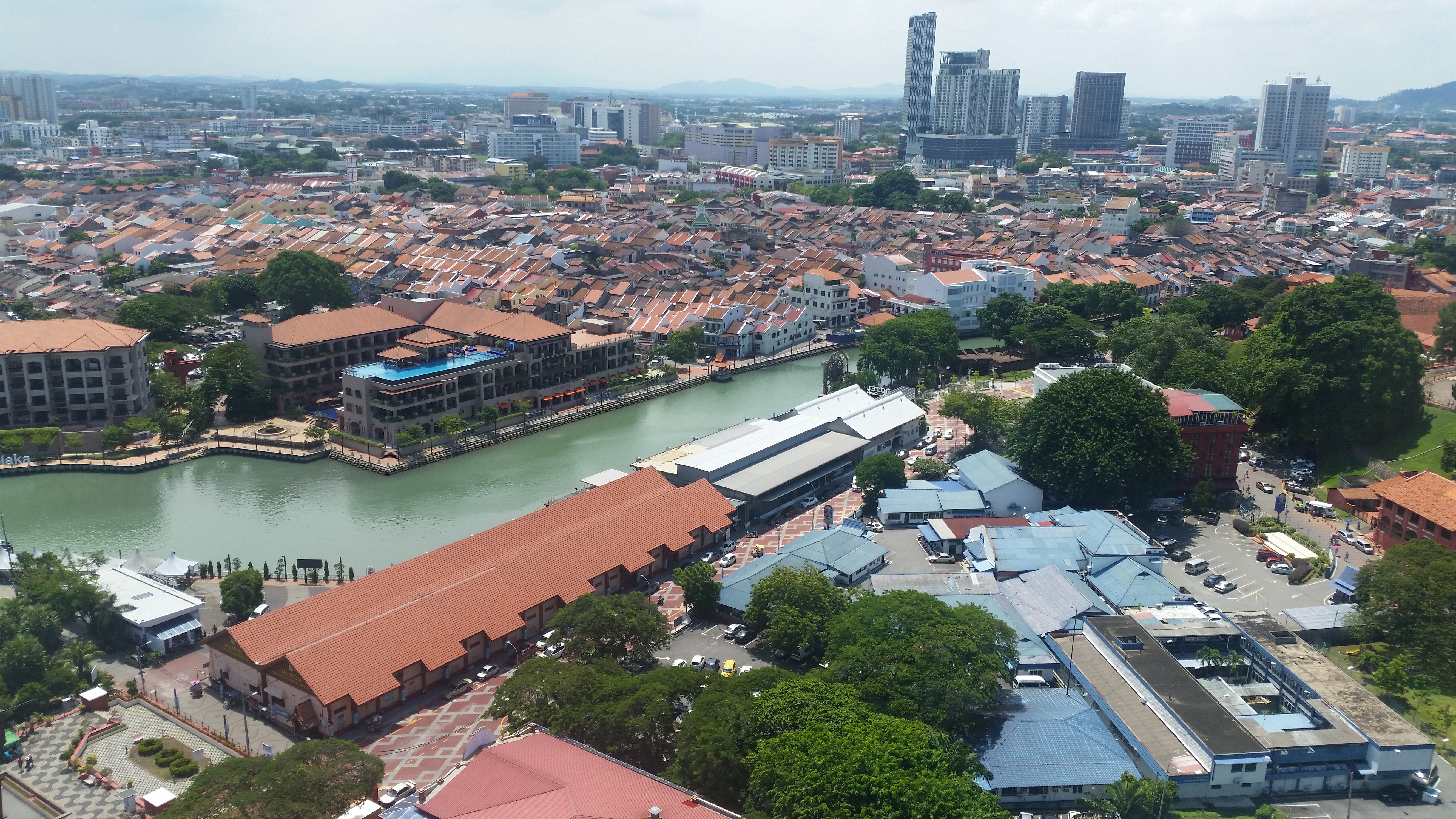
Tourism is the engine here — UNESCO World Heritage status means the historic core of Malacca City draws millions of visitors annually, sustaining hotels, restaurants, trishaw operators, and souvenir shops. Beyond that, port logistics and light manufacturing (food processing, handicrafts) employ a significant chunk of the 998,400-strong population. Remote workers and digital nomads can function here, but don't expect a local job market that hires foreigners easily. The economy is domestically oriented, and unless you're running your own business or working online, earning a living locally is genuinely difficult.
A one-bedroom in the city center runs around $380/month, and you can eat well at hawker stalls for under $3 a meal — the cost of living is one of Malacca's strongest arguments. Healthcare is accessible through both public hospitals and private clinics, with private GP visits costing $10–25. Bahasa Malaysia dominates official life, and while English is widely spoken in tourist areas, bureaucracy — visa renewals, MM2H applications, utility setup — requires patience and often a local agent. There's no commuter rail; you'll need a car or motorbike for anything beyond the heritage zone.
Expect heat and humidity every single day, with afternoon downpours common year-round — this is equatorial Malaysia, not a Mediterranean retirement fantasy. The food scene is genuinely exceptional: Peranakan, Malay, Chinese, and Indian cuisines overlap in ways you won't find elsewhere in the country. The expat community is small and skews older, with retirees on MM2H visas making up the core. Weekends mean heritage walks, river cruises, day trips to Kuala Lumpur (90 minutes by bus), or simply eating your way through Jonker Street. This city suits budget-conscious retirees or remote workers who want cultural depth, low costs, and don't need a thriving professional network.