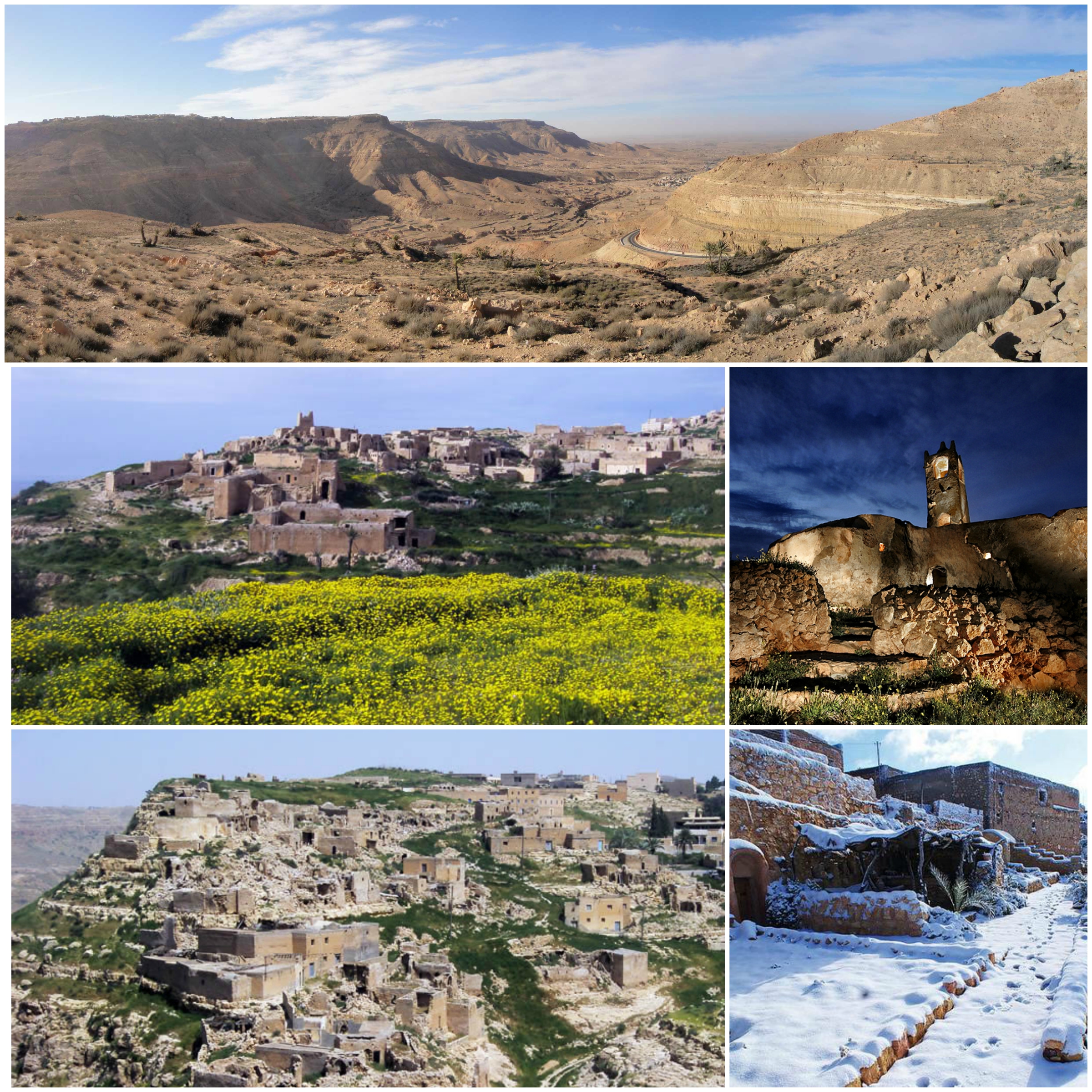
Yafran, Libya
Data updated Oct 8, 2026
📊 Scores
Best fit: FIRE / Geoarbitrage (score: 48)
Yafran sits at 678 meters above sea level in Libya's Nafusa Mountains, about 42 kilometers from the nearest airport (IATA: ZIS). The town experiences a Mediterranean climate with hot, dry summers (June-September) reaching 32°C and mild winters (December-February) around 12°C, with most rainfall occurring between November and March. For the small number of expats who settle here, the popular expat neighborhood is Town Center, where daily life revolves around local markets and cafes. With a population of 73 thousand, Yafran feels intimate and manageable, though the expat community size is listed as none, so newcomers should expect to build their own social circles from scratch.
Living costs in Yafran are strikingly low by international standards. A one-bedroom apartment in the city center rents for $280/mo, while a three-bedroom unit goes for $550/mo. Utilities run about $93/mo, internet costs $27/mo, and a mobile phone plan is just $6/mo. For a single adult, the comfortable tier total including rent comes to $557/mo, while monthly expenses excluding rent are $420/mo. A family of four spends roughly $1,350/mo excluding rent. Eating out is inexpensive: a meal at an inexpensive restaurant costs $4 per person, and a mid-range restaurant meal for two with three courses is $16. Interestingly, a cappuccino at a restaurant is listed at $0, which suggests it may be complimentary or not commonly ordered. The overall cost of living index is 33/100 compared to New York City, making Yafran an exceptionally affordable place to live.
Safety and healthcare are two areas where Yafran presents real challenges. The safety index is 45/100, and the crime index is 55/100, indicating moderate levels of concern that travelers should take seriously. Healthcare quality is rated as poor, so anyone with ongoing medical needs should plan for limited local options and consider traveling to larger cities for serious care. The air quality index is 68, which is moderate but not ideal for those with respiratory sensitivities. English proficiency is limited among locals, so basic Arabic phrases will go a long way in daily interactions. The average internet speed is 10 Mbps, which is workable for basic tasks but may frustrate those who rely on heavy video conferencing or large file transfers.
Getting to Yafran requires flying into the nearest airport at ZIS, which is 42 km away, and then taking ground transportation into town. Visa requirements are not detailed here, so prospective visitors should check current Libyan entry regulations with official sources before planning a trip. Yafran suits a very specific type of traveler: those prioritizing extreme affordability and a quiet, traditional lifestyle over modern conveniences and international community. The FIRE score of 73/100 reflects its appeal for early retirement seekers, while the retiree score of 39/100 and digital nomad score of 41/100 suggest it is less ideal for those groups. The overall expat score is 48/100, a middling result that underscores the trade-offs. For adventurous souls who can handle limited healthcare, modest infrastructure, and a lack of fellow foreigners, Yafran offers a deeply authentic and budget-friendly slice of Libyan life.
Estimate the cost of moving to Yafran, Libya
Get a free moving cost estimate for moving to Yafran, Libya. Takes 10 seconds.
How much are you shipping?
When are you moving?
Powered by Sirelo. Free quotes from international movers.
🏚️ Cost of Living
A 1BR in the center runs about $280/mo. If your income is in another currency, bank FX fees add up. A multi-currency account can cut that cost.
See low-fee transfersWe may earn a commission at no cost to you.
See how Yafran's cost of living compares with Tripoli
Be the first to report costs in Yafran
🛡️ Safety & Crime
(Higher is safer)
(Lower is safer)
Yafran presents significant safety challenges for expats. Libya's ongoing political instability, militia activity, and weak law enforcement create a volatile environment. While Yafran itself is relatively quieter than Tripoli, risks include armed conflict spillover, carjacking, home invasion, and kidnapping—particularly targeting foreigners. Petty theft and scams targeting expats occur regularly. The city lacks reliable emergency services and medical infrastructure. Expats should expect restricted movement, security checkpoints, and limited expat community support. This destination is not recommended for most American retirees or remote workers; only those with security training, employer security provisions, and compelling reasons should consider it.
Yafran has a safety index of 45/100. Petty theft and lost belongings are the most common problems for newcomers. Compare travel insurance before you go.
Compare travel insuranceWe may earn a commission at no cost to you.
🏥 Healthcare
See how Yafran's healthcare compares with Tripoli
🌤️ Climate
Best Months
Climate Notes
Yafran experiences a Mediterranean climate with hot, dry summers (June-September) reaching 32°C and mild winters (December-February) around 12°C, with most rainfall occurring between November and March.
💻 Digital Nomad
Community Notes
Located in a mountainous region, far from modern conveniences.
Coworking Spaces
| Name | Notes |
|---|---|
| IWG Spaces Tripoli | While not directly in Yafran, this Spaces location in Tripoli (about 2 hours away) offers a reliable coworking option with modern amenities, meeting rooms, and a professional environment. It's a good choice for those willing to commute occasionally or need a base for meetings in the capital. |
| Regus Tripoli | Similar to Spaces, Regus in Tripoli provides a globally recognized coworking experience with various office solutions, business services, and networking opportunities. It's a practical option for digital nomads seeking a structured and well-equipped workspace near Yafran. |
Names, locations and hours can change. Check each space's website before you visit. Places from © OpenStreetMap contributors and Foursquare Open Source Places (Apache 2.0).
Working remotely from Yafran? Nomad health insurance covers you across borders, month to month.
See nomad insuranceWe may earn a commission at no cost to you.
See how Yafran's digital nomad life compares with Tripoli
🧳 Expat Life
Expat Life Notes
A historic Berber town in the mountains. Currently not an expat destination.
Pros
- ✓ Deep history
Cons
- ✗ Security risks
- ✗ Lack of services
- ✗ No English spoken
🏘️ Neighborhoods in Yafran
Conditions can change from one block to the next, and these descriptions are general guides, not safety assessments. Before choosing where to stay or live, check current travel advisories, talk to people who live there, and visit in person if you can.
Neighborhood guides for this city are being reviewed. In the meantime, see the safety section and check current travel advisories before choosing where to stay.
Could living/working in Yafran cut years off your work life?
With a 1-bedroom in the center at $280/mo, your FIRE number here might be much lower than you think.
More Cities to Consider instead of Yafran
Frequently Asked Questions about Yafran
Click any question to expand the answer.
Share This Guide
Yafran won't stay this cheap forever.
Cost-of-living and visa updates for Yafran and the rest of Libya. Free with RA Postcards.
By submitting your email address, you will receive a free subscription to RA Postcards and special offers from Rewire Abroad and our affiliates. You can unsubscribe at any time, and we encourage you to read more about our Privacy Policy.