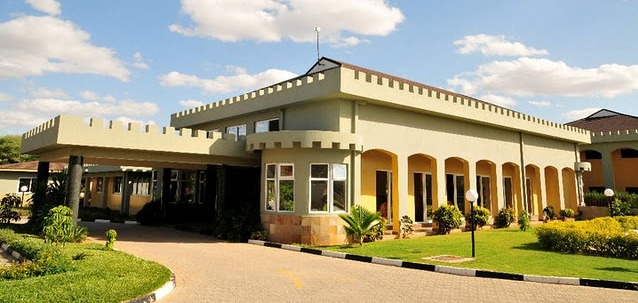
Garissa's economy is predominantly pastoral, with livestock trading and agricultural activities forming the core economic backbone. Livestock exports, particularly cattle and goats, represent a significant revenue stream for local communities. While industrial development remains limited, emerging sectors like mobile communication and nascent tourism show potential for economic diversification, particularly around wildlife and cultural heritage attractions.
Living costs in Garissa are relatively affordable, with monthly rent averaging around $280 and basic commodities being inexpensive. Housing tends to be simple, with both traditional and modern structures available. Transportation is primarily road-based, with limited public transit infrastructure. Healthcare facilities are basic, and residents often rely on regional clinics. Arabic and Swahili are commonly spoken, with English serving as an official communication language.
The local lifestyle reflects a blend of pastoral traditions and emerging urban influences. Social interactions are community-oriented, with strong familial and tribal connections. The arid climate means outdoor activities are best enjoyed during cooler morning and evening hours. Local cuisine features meat-based dishes, with goat and camel meat prominently featured. The young population contributes to a dynamic social environment, with growing interest in education and economic opportunities.
Estimate the cost of moving to Garissa, Kenya
Get a free moving cost estimate for moving to Garissa, Kenya. Takes 10 seconds.
How much are you shipping?
When are you moving?
Powered by Sirelo. Free quotes from international movers.
🏚️ Cost of Living
A 1BR in the center runs about $280/mo. If your income is in another currency, bank FX fees add up. A multi-currency account can cut that cost.
Garissa carries significant safety concerns for expats. A Safety Index of 40 reflects real risks: petty theft, armed robbery, and carjacking occur regularly, particularly after dark. The city sits in a region with Al-Shabaab militant activity, creating sporadic security threats. Expats should avoid walking alone at night, use trusted drivers, and stay informed on local security updates. The downtown and informal settlement areas warrant particular caution. While some expats live here successfully through careful risk management, this is not a relaxed retirement destination—it requires constant vigilance and strong local networks. Only consider Garissa if your work or family ties justify the elevated risk profile.
Garissa has a safety index of 40/100. Petty theft and lost belongings are the most common problems for newcomers. Compare travel insurance before you go.
While technically in Nairobi, Nairobi Garage Kilimani is a well-established coworking space popular with expats and digital nomads. It offers reliable internet, meeting rooms, and a vibrant community, making it a good option if you're willing to commute or base yourself closer to Nairobi but still visit Garissa.
Located in Nairobi, Regus Britam Centre provides a professional and reliable coworking environment. It offers various workspace options, business support services, and is a familiar brand for international remote workers seeking consistency and convenience.
See how Garissa's digital nomad life compares with Nyahururu
🧳 Expat Life
English Proficiency
Limited
Expat Community
Very Few
Top Neighborhoods
Garissa Town
Banks Nearby
5
ATMs Nearby
0
Expat Life Notes
An arid regional hub. Expat presence is very small and limited to aid workers and specific development projects.
Pros
✓ Unique desert environment
✓ Low cost of living
Cons
✗ Safety and security concerns
✗ Extreme heat
✗ Lack of expat-centric services
🏘️ Neighborhoods in Garissa
Areas of Garissa that expats often consider.
Conditions can change from one block to the next, and these descriptions are general guides, not safety assessments. Before choosing where to stay or live, check current travel advisories, talk to people who live there, and visit in person if you can.
Central Garissa
Bustling commercial and administrative
The heart of Garissa, with markets, government offices, and shops. Primarily inhabited by locals; limited English spoken. Walkable within the central area, but traffic can be heavy. Offers access to amenities but lacks expat community and may be overwhelming.
Nairobi Ndogo
Residential, growing, mixed community
A developing residential area with a mix of housing options. It's becoming more popular, but still lacks significant expat presence. Public transport is available, but not always reliable. More affordable, but requires cultural adaptation.
Bullaharia
Quiet residential, family-oriented area
A quieter residential area, suitable for those seeking a more peaceful environment. Predominantly local families reside here. Public transport is available, but owning a car is preferable. Very affordable, but limited amenities and language barrier.
Soko Ngombe Area
Lively market, local commerce
Centered around the livestock market, this area is very busy and culturally rich. Primarily inhabited by locals involved in trade. Not particularly walkable due to congestion. Very low cost of living, but not suitable for those seeking peace and quiet or Western amenities.
Ministry Area
Governmental, secure, residential
Home to government offices and residences of government employees. Generally considered a more secure area. Public transport is available. Slightly higher cost of living, but still very affordable compared to Western standards.
Page 1 of 2
Could living/working in Garissa cut years off your work life?
With a 1-bedroom in the center at $280/mo, your FIRE number here might be much lower than you think.
Garissa has a population of approximately 841,353 people.
A single person can expect to spend around $700 per month in Garissa, including rent. A 1-bedroom apartment in the city center costs approximately $280/month.
The nearest airport to Garissa is GAS, approximately 1.3km away.
Garissa is considered moderate in terms of safety, with a safety index of 40.0. As with any city abroad, expats should research specific neighborhoods before committing to a location.
Garissa has an average internet speed of 10 Mbps. It is not yet considered a well-established digital nomad destination.
Primary opportunities are in livestock trading, agriculture, mobile communications, emerging tourism, and development/NGO sectors. Local language skills are advantageous.
Very affordable, with monthly rent around $280, low food costs, and inexpensive basic commodities compared to major Kenyan urban centers.
Garissa has a hot, semi-arid climate. Expect consistently high temperatures year-round, with average highs often exceeding 90°F (32°C). The rainy seasons are typically in April-May and October-November, but rainfall can be unpredictable.
The most common forms of transport are matatus (minibus taxis) and tuk-tuks. Matatus are inexpensive but can be crowded. Tuk-tuks offer more personal transport, but negotiate the fare beforehand. Driving yourself is possible, but be prepared for challenging road conditions and traffic.
Like any city, Garissa has areas with higher crime rates. It's best to avoid walking alone at night, especially in less populated areas. Consult with locals or expats for up-to-date information on specific areas to be cautious of.
Internet connectivity can be unreliable and slower compared to major cities. Mobile data is generally more consistent. Consider investing in a local SIM card with a generous data plan for remote work.
Healthcare facilities are limited, and the quality may not meet Western standards. For serious medical conditions, evacuation to Nairobi or even outside Kenya might be necessary. Ensure you have comprehensive international health insurance.
While Swahili is the national language, English is spoken in business and government settings. However, in everyday interactions, especially in markets and smaller shops, knowing some basic Swahili phrases will be very helpful.
Several Kenyan banks have branches in Garissa, such as Equity Bank and Kenya Commercial Bank (KCB). Opening an account requires documentation like your passport and visa. ATM access is available, but be mindful of transaction fees.
Garissa offers a significantly lower cost of living than the US, allowing your pension to go further. Focus on local markets for groceries and consider living slightly outside the city center for cheaper rent. Negotiate prices where possible.
The expat community in Garissa is relatively small. Most expats are involved in aid work or development projects. Networking opportunities may be limited, but connecting with local organizations can help you meet people.
Be sure to try Somali-influenced cuisine like rice with goat meat (hilib ari), camel milk, and various types of flatbread. Local markets offer fresh produce and spices to experiment with your own cooking.
As a US citizen, you're still required to file US taxes even while living abroad. The Foreign Earned Income Exclusion (FEIE) can help you exclude a certain amount of your income from US taxes. Also, be aware of FBAR reporting requirements for foreign bank accounts.
Yes, $2000 USD per month is generally sufficient for a comfortable, though not luxurious, retirement in Garissa. You'll need to budget carefully for housing, food, healthcare, and transportation, but it's definitely achievable.
While you can manage with English, learning some basic Swahili will significantly improve your daily interactions and integration into the community. Be prepared for a slower pace of life and a different cultural experience than in the US.
Cost-of-living and visa updates for Garissa and the rest of Kenya. Free with RA Postcards.
By submitting your email address, you will receive a free subscription to RA Postcards and special offers from Rewire Abroad and our affiliates. You can unsubscribe at any time, and we encourage you to read more about our Privacy Policy.