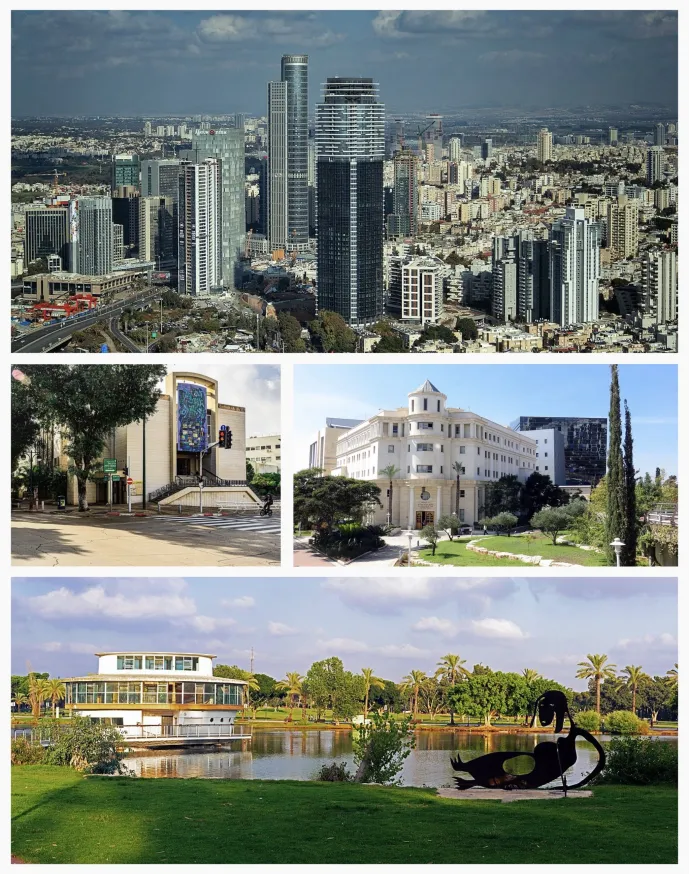
Ramat Gan, Israel Hero Image
Wikipedia Contributor, CC BY-SA

Ramat Gan, Israel

Data updated Oct 8, 2026

Follows Israel Residency Rules. Check Digital Nomad & Retiree Pathways →

📊 Scores

60
FIRE
68
Retiree
75
Digital Nomad

Best fit: Digital Nomad (score: 65)

Ramat Gan sits just east of Tel Aviv in Israel's central coastal plain, about 75 m above sea level and firmly within a Mediterranean climate of hot, humid summers and mild, rainy winters. The city is home to roughly 159 thousand residents, and its position next to Tel Aviv makes it a practical base for people who work in the metro area but prefer a slightly quieter address. Expats tend to cluster in Bialik and the Diamond District, two areas that combine residential streets with easy access to shops, transit, and the business life of the region. The timezone is Asia/Jerusalem, so the working day runs on local Israeli time, and the city's compact footprint means most errands and commutes stay short.

Housing costs reflect the city's proximity to Tel Aviv without matching its highest prices. A one-bedroom apartment in the city center rents for $1,495/mo, while the same outside the center runs $1,254/mo. Three-bedroom units go for $2,319/mo in the center and $1,969/mo outside it. Beyond rent, a single adult can expect about $1,350/mo in monthly costs, and a family of four around $4,500/mo. Utilities average $287/mo, internet $42/mo, and a mobile phone plan $12/mo. A monthly public transport pass costs $107/mo, a gym membership $74/mo, an inexpensive restaurant meal $23 per person, a mid-range three-course meal for two $91, and a cappuccino $5. The average monthly net salary locally is $4,639/mo, and the cost of living index stands at 85/100 against New York City at 100. Budget, mid-range, and comfortable tiers for a single adult come to $1,538/mo, $2,344/mo, and $2,845/mo respectively.

Safety is a strong point, with a safety index of 70/100 and a crime index of 28/100, where lower is safer. Air quality sits at 52 on the index, where lower is better. Healthcare quality is rated excellent, giving residents access to a well-regarded medical system. The city's overall expat score is 65/100, with a retiree score of 68/100, a digital nomad score of 75/100, and a FIRE score of 60/100. English is widely spoken, and the expat community is large and active, which eases the transition for newcomers who are still learning Hebrew.

Entry rules depend on your nationality and purpose of stay, so the specific route you qualify for will vary. The nearest airport is TLV, 12 km away, which keeps international connections close at hand. Internet speeds average 74 Mbps, enough for remote work and streaming. Ramat Gan suits remote workers and digital nomads who want Tel Aviv within reach at a lower cost, retirees drawn to excellent healthcare and a mild climate, and families who need more space than central Tel Aviv typically offers. It also fits professionals commuting into the metro area who value a calmer residential base without giving up urban amenities.
Estimate the cost of moving to Ramat Gan, Israel

Get a free moving cost estimate for moving to Ramat Gan, Israel. Takes 10 seconds.

How much are you shipping?

When are you moving?

Powered by Sirelo. Free quotes from international movers.

🏚️ Cost of Living

💰 Budgets and Costs

$2,454/mo, one person, rent included
Selected: mid-range lifestyle

Ramat Gan on a mid-range budget comes to about $2,454 a month for one adult, with $1,254 of that going to rent. Beyond rent the estimate covers $362 on groceries, $231 on dining out, $159 on entertainment and lifestyle, $341 on utilities and connectivity and $107 on transport.

Rent

$1,254/mo

1BR outside the centre

Groceries

$362/mo

Staples basket scaled to a full month

Dining out

$231/mo

10 inexpensive meals

Entertainment & lifestyle

$159/mo

gym, 2 cinema trips, 12 cappuccinos

Utilities & connectivity

$341/mo

utilities, mobile, internet

Transport

$107/mo

Monthly pass

Budgets (excl. rent)

Single person$1,200/mo

Excludes rent. The total above is all-in, rent included.

Estimates for one adult, built from this city's average prices and the usage shown for each tier. Your spending will differ with how often you eat out and where you live.

A 1BR in the center runs about $1494.91/mo. If your income is in another currency, bank FX fees add up. A multi-currency account can cut that cost.

See low-fee transfers

We may earn a commission at no cost to you.

See how Ramat Gan's cost of living compares with Nesher

Be the first to report costs in Ramat Gan

Share

🛡️ Safety & Crime

70
Safety Index

(Higher is safer)

28
Crime Index

(Lower is safer)

Ramat Gan is a prosperous suburb of Tel Aviv with notably low crime rates—well above average for Israel and comparable to safe American suburbs. Petty theft and car break-ins occur occasionally, particularly in parking areas, but violent crime is rare. The main consideration for expats is the broader geopolitical context: Israel's periodic security tensions mean occasional rocket alerts or civil unrest, though Ramat Gan itself experiences these less frequently than border regions. For Americans accustomed to urban safety concerns, this is a genuinely secure choice with good infrastructure and police presence. Stay informed about security updates and maintain situational awareness during periods of heightened tension, but day-to-day safety is solid.

🏥 Healthcare

Excellent
Public Hospitals
Yes
Private Clinics
Yes
English-Speaking Doctors
Widely Available

See how Ramat Gan's healthcare compares with Nesher

🌤️ Climate

Climate Zones
Mediterranean
Summer Temp
29°C
Winter Temp
13°C
Humidity
65%
Air Quality Index
52
Annual Rainfall
538 mm

Best Months

AprMayOctNov

Climate Notes

Ramat Gan has a Mediterranean climate with hot, dry summers (June-September) and mild, wet winters (December-February), offering year-round sunshine and minimal rainfall outside winter months.

💻 Digital Nomad

Avg Internet Speed
74.1 Mbps
Internet (monthly)
$42/mo
Coworking Availability
Moderate
Coworking Spaces Nearby
8
Digital Nomad Score
75/100

Community Notes

Ramat Gan is a bustling city with a good mix of business and leisure options.

Coworking Spaces

NameNotes
WeWork Ramat Gan - Gibor SportLocated in the Diamond Exchange District, this WeWork offers a modern, professional environment with all the standard amenities. Its central location and proximity to transportation make it a convenient option for expats.
Regus Ramat Gan - Ayalon TowerSituated in the Ayalon Tower, this Regus location provides a reliable and well-equipped workspace. The professional atmosphere and range of services cater well to remote workers seeking a structured environment.
Mindspace Ramat GanMindspace offers a stylish and community-focused coworking experience in Ramat Gan. Known for its design and events, it's a good option for those seeking a more vibrant and social workspace.

Names, locations and hours can change. Check each space's website before you visit. Places from © OpenStreetMap contributors and Foursquare Open Source Places (Apache 2.0).

Working remotely from Ramat Gan? Nomad health insurance covers you across borders, month to month.

See nomad insurance

We may earn a commission at no cost to you.

See how Ramat Gan's digital nomad life compares with Nesher

🧳 Expat Life

English Proficiency
Widely Spoken
Expat Community
Large & Active
Top Neighborhoods
Bialik, Diamond District
Banks Nearby
125
ATMs Nearby
104

Expat Life Notes

A wealthy business hub adjacent to Tel Aviv, extremely high standard of living and safety.

Pros

  • ✓ High English levels
  • ✓ Excellent job hub
  • ✓ Safe and orderly

Cons

  • ✗ Extremely high cost of living
  • ✗ Traffic congestion
  • ✗ Can feel corporate

🏘️ Neighborhoods in Ramat Gan

Areas of Ramat Gan that expats often consider.

Conditions can change from one block to the next, and these descriptions are general guides, not safety assessments. Before choosing where to stay or live, check current travel advisories, talk to people who live there, and visit in person if you can.

Merkaz (City Center)

Bustling, central, convenient living

The heart of Ramat Gan, offering easy access to shops, restaurants, and public transportation. Expect higher prices and more noise due to its central location. Many young professionals and families reside here, and English is widely spoken.

Shikun Vatikim

Established, quiet, residential neighborhood

A more established and quieter residential area, popular with older residents and families. It's further from the city center, but still well-connected by buses. Less English is spoken here, so some Hebrew is helpful.

Ramat Gan North (near Park Hayarkon)

Green, family-friendly, suburban feel

Close to the expansive Park Hayarkon, this area offers a more suburban feel with green spaces. It's popular with families and those seeking a quieter environment. While further from the city center, it's still accessible, and many residents speak English.

Tel Ganim

Affordable, up-and-coming, diverse

A more affordable option compared to the city center, Tel Ganim is an up-and-coming neighborhood with a diverse population. While it may lack some of the amenities of the central areas, it offers a more authentic local experience. Knowledge of Hebrew is beneficial here.

Page 1 of 2

Could living/working in Ramat Gan cut years off your work life?

With a 1-bedroom in the center at $1495/mo, your FIRE number here might be much lower than you think.

Calculate My FIRE Date →

More Cities to Consider instead of Ramat Gan

FAQ

Frequently Asked Questions about Ramat Gan

Click any question to expand the answer.

Ramat Gan has a population of approximately 159,200 people.
A single person can expect to spend around $3,737 per month in Ramat Gan, including rent. A 1-bedroom apartment in the city center costs approximately $1495/month.
The nearest airport to Ramat Gan is TLV, approximately 12.3km away.
Ramat Gan is considered relatively safe, with a safety index of 70.0. As with any city abroad, expats should research specific neighborhoods before committing to a location.
Ramat Gan has an average internet speed of 74.1 Mbps. It is considered a well-established digital nomad destination.
Many international companies operate in English, but Hebrew significantly expands job opportunities and is essential for banking, government services, and daily interactions outside the workplace.
Rent runs 15-20% cheaper than central Tel Aviv, but groceries and dining cost roughly the same. You'll save on housing while maintaining access to Tel Aviv's amenities via public transport.
Most foreign workers need employer sponsorship for a B1 work visa. The tech sector actively sponsors skilled workers, while the diamond industry typically requires existing connections or specialized expertise.
While Israel doesn't have a specific 'retirement visa,' Americans can explore options like an A-4 visa (for religious studies or volunteering, if applicable) or potentially qualify for an A-1 visa if eligible under the Law of Return. Overstaying a tourist visa is not recommended, so consult with an Israeli immigration lawyer.
Internet speeds in Ramat Gan are generally excellent, with fiber optic connections widely available. You can expect download speeds of 100 Mbps or higher in most areas, making it suitable for video conferencing and other bandwidth-intensive tasks. Check with your landlord or internet provider for specific speeds at your address.
Yes, many doctors and dentists in Ramat Gan speak English, especially those affiliated with major hospitals like Sheba Medical Center (Tel HaShomer), which is just outside the city. Most Kupot Holim (health maintenance organizations) also have English-speaking staff to assist with appointments and referrals.
Areas like Kiryat Ono (technically a separate city, but very close and accessible) and some of the neighborhoods closer to Bnei Brak tend to offer more affordable housing options compared to the central areas near the Diamond Exchange. Look for apartments further from the Ayalon Highway to find better deals.
Ramat Gan has a decent public transportation system, including buses and the light rail (under expansion). However, relying solely on public transport can be time-consuming. Many expats find that a combination of public transport, taxis (Gett or Yango), and walking is the most efficient way to get around.
Ramat Gan has a Mediterranean climate with hot, dry summers and mild, wet winters. Expect temperatures to range from the 80s-90s°F (27-37°C) in the summer to the 50s-60s°F (10-20°C) in the winter. Rainfall is concentrated between October and April.
Several options exist for international money transfers, including Wise (formerly TransferWise), Remitly, and traditional bank transfers. Wise often offers competitive exchange rates and lower fees. Be aware of potential fees and reporting requirements for large transfers.
As a US citizen, you're still required to file US taxes even while living abroad. The Foreign Earned Income Exclusion (FEIE) allows you to exclude a certain amount of your foreign-earned income from US taxes. You may also need to report foreign bank accounts (FBAR) if the combined value exceeds $10,000.
Ramat Gan can be viable for FIRE, but it requires careful budgeting. While cheaper than Tel Aviv, it's still relatively expensive. A couple could potentially live comfortably on $3,500-$5,000 USD per month, depending on their lifestyle and housing choices. Consider passive income sources to supplement your savings.
While Ramat Gan doesn't have as large of a concentrated expat community as Tel Aviv, many expats live there due to its proximity and slightly lower cost of living. You can find expat groups and events through online forums and social media, often centered around Tel Aviv but accessible to Ramat Gan residents.
You can manage daily life in Ramat Gan with English, especially in shops, restaurants, and services catering to tourists and expats. However, learning some basic Hebrew will significantly enhance your experience and integration into the local community. Many Israelis appreciate the effort.

Share This Guide