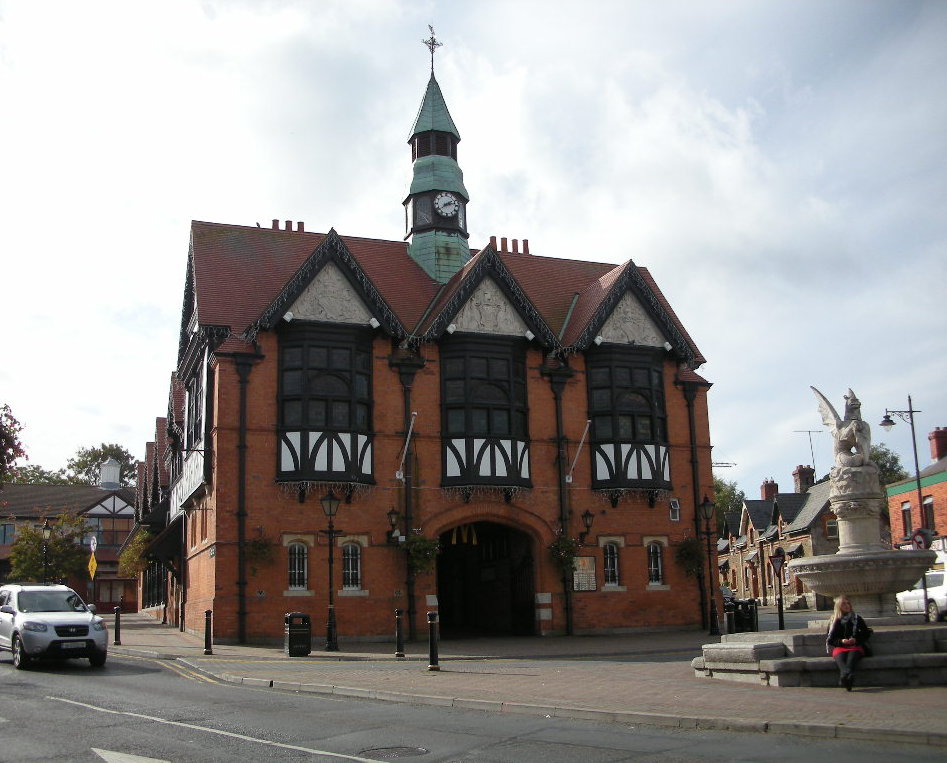
Bray sits on Ireland's east coast in County Wicklow, about 24 m above sea level and within easy reach of Dublin. The climate is temperate, which means mild winters, cool summers, and rain spread across the year rather than dumped into a single season. The town holds a population of 33 thousand, small enough that you recognize faces on the promenade but large enough to support a steady routine of shops, cafes, and services. The timezone is Europe/Dublin, so clocks shift with the seasons and mornings stay dark later in winter. Average internet speed runs at 65 Mbps, workable for remote calls and streaming, though not the fastest connection you will find in a capital city.
Rent shapes the budget more than anything else here. A one-bedroom in the city center runs $2,187/mo, while the same outside the center drops to $1,682/mo. Three-bedroom units follow the same split: $3,813/mo in the center and $2,804/mo outside it. Strip out rent and a single person spends about $1,050/mo on everything else, with utilities at $269/mo, internet at $52/mo, and a mobile phone plan at $22/mo. A monthly public transport pass costs $111/mo and a gym membership runs $65/mo. Eating out is modest by coastal-town standards: an inexpensive restaurant meal is $24 per person, a mid-range three-course meal for two is $90, and a cappuccino is $4. Local net salaries average $3,196/mo, which means a single adult can land in the budget tier at $1,695/mo, the mid-range tier at $2,666/mo, or the comfortable tier at $3,435/mo depending on housing choices and habits.
Safety is one of Bray's quieter selling points. The safety index sits at 72/100 and the crime index at 28/100, where lower is safer, so everyday movement around town tends to feel unremarkable rather than guarded. Air quality is good, with an index of 35, lower being better, and healthcare quality is rated good. English is widely spoken, which removes the language barrier that slows down settling in many other places. For anyone weighing the practical side of a move, these numbers describe a town where the main risks are ordinary ones: weather, rent, and the small friction of building a life from scratch.
Retirees with independent means can look at Ireland Stamp 0 (Financially Independent), which requires a minimum monthly income of $4,350/mo. Getting there is straightforward from abroad: Dublin Airport (DUB) is 15 km away, making arrivals and departures a short transfer rather than a journey. The overall expat score is 65/100, the digital nomad score is 65/100, the retiree score is 57/100, and the FIRE score is 51/100. Those figures point to a town that suits remote workers and expats who want coastal air, a compact scale, and Dublin within reach, while retirees and aggressive early-retirement planners will find the numbers tighter and the visa bar higher.