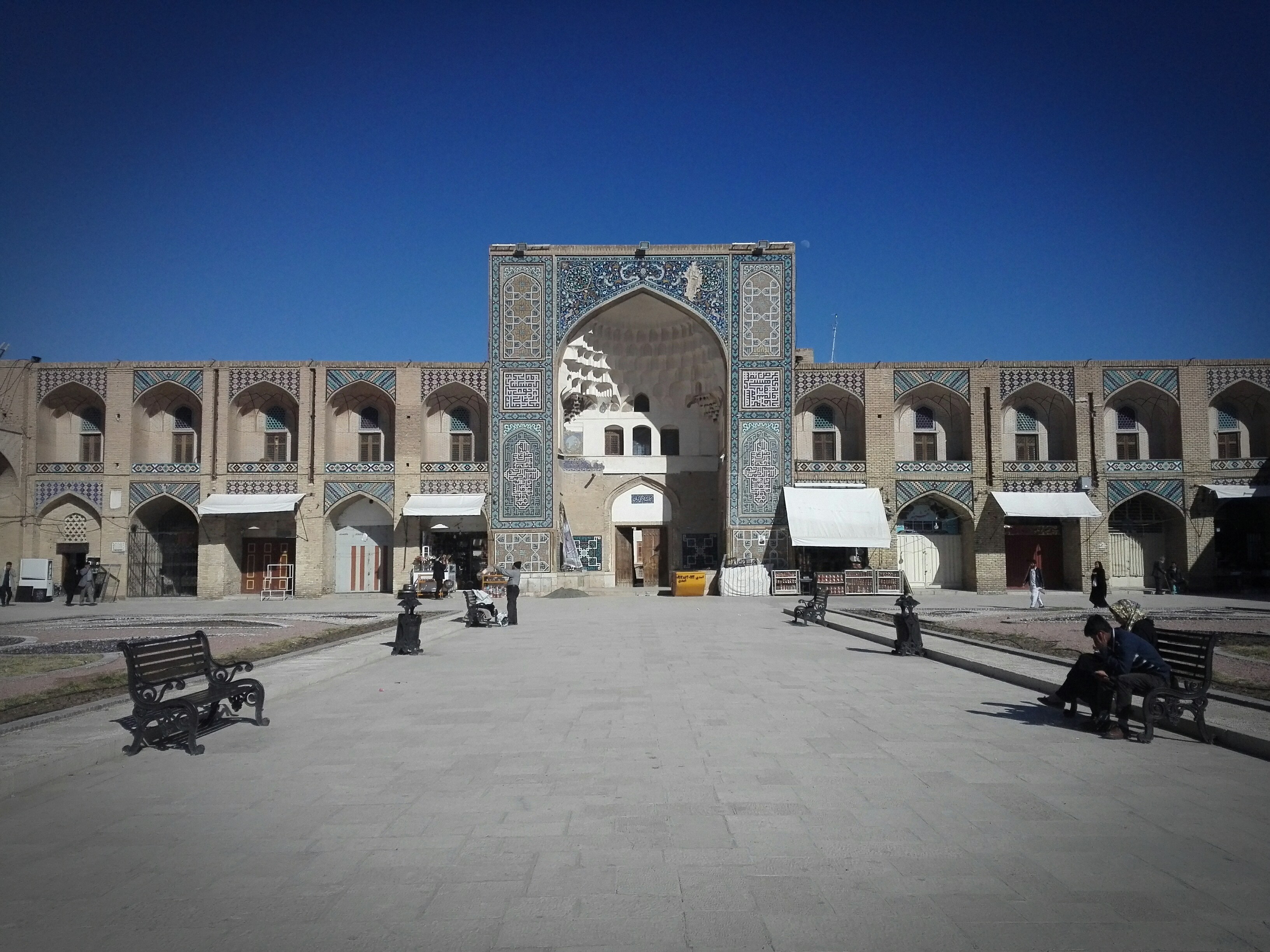
Kerman, Iran
Data updated Oct 9, 2026
📊 Scores
Best fit: FIRE / Geoarbitrage (score: 57)
Carpet production built this city and still defines much of its economic identity — Kerman rugs remain internationally recognized, and the weaving industry employs a significant portion of the local workforce through workshops, exporters, and raw material suppliers. Beyond textiles, Kerman functions as a provincial capital and regional logistics hub, connecting southeastern Iran to the Persian Gulf and Central Asia. Government employment, construction, and trade dominate the formal economy. For foreign workers, the picture is blunt: international sanctions make legal employment and banking for non-Iranian nationals effectively impossible under current conditions.
A one-bedroom in the city center runs around $250/month, which sounds attractive until you factor in the structural reality: foreign nationals face severe restrictions on opening bank accounts, transferring money internationally, or accessing services tied to Iran's national ID system. Healthcare exists — Kerman has public hospitals and a medical school — but international health insurance is largely non-functional due to sanctions. The language barrier is substantial; Persian is essential and English proficiency is low outside universities. Bureaucracy for foreigners isn't just slow, it's legally constrained at the national level.
At 1,755 meters elevation on the edge of the Lut Desert, Kerman gets genuine seasons — summers are hot and dry, winters drop sharply at night, and the surrounding mountains hold snow year-round. The food is good and cheap, with local specialties like koofteh and saffron-heavy stews. Weekends mean bazaar visits, day trips to Shahdad's desert landscapes, or the Ganjali Khan complex. The expat community is essentially nonexistent in any organized sense. This city suits researchers, journalists, or academics on specific institutional arrangements — not independent remote workers or retirees seeking a straightforward relocation.
Estimate the cost of moving to Kerman, Iran
Get a free moving cost estimate for moving to Kerman, Iran. Takes 10 seconds.
How much are you shipping?
When are you moving?
Powered by Sirelo. Free quotes from international movers.
🏚️ Cost of Living
💰 Budgets and Costs
Kerman on a budget budget comes to about $312 a month for one adult, with $167 of that going to rent. Beyond rent the estimate covers $44.00 on groceries, $16.00 on dining out, $17.00 on entertainment and lifestyle, $65.00 on utilities and connectivity and $3.00 on transport.
Rent
$167/mo
1BR outside the centre
Groceries
$44.00/mo
75% of mid-range grocery spend
Dining out
$16.00/mo
4 inexpensive meals
Entertainment & lifestyle
$17.00/mo
1 cinema trip, 8 cappuccinos
Utilities & connectivity
$65.00/mo
utilities, mobile, internet
Transport
$3.00/mo
Monthly pass
Budgets (excl. rent)
Excludes rent. The total above is all-in, rent included.
Kerman on a mid-range budget comes to about $372 a month for one adult, with $167 of that going to rent. Beyond rent the estimate covers $58.00 on groceries, $40.00 on dining out, $39.00 on entertainment and lifestyle, $65.00 on utilities and connectivity and $3.00 on transport.
Rent
$167/mo
1BR outside the centre
Groceries
$58.00/mo
Staples basket scaled to a full month
Dining out
$40.00/mo
10 inexpensive meals
Entertainment & lifestyle
$39.00/mo
gym, 2 cinema trips, 12 cappuccinos
Utilities & connectivity
$65.00/mo
utilities, mobile, internet
Transport
$3.00/mo
Monthly pass
Budgets (excl. rent)
Excludes rent. The total above is all-in, rent included.
Kerman on a comfortable budget comes to about $626 a month for one adult, with $342 of that going to rent. Beyond rent the estimate covers $81.00 on groceries, $78.00 on dining out, $57.00 on entertainment and lifestyle, $65.00 on utilities and connectivity and $3.00 on transport.
Rent
$342/mo
1BR in the centre
Groceries
$81.00/mo
140% of mid-range grocery spend
Dining out
$78.00/mo
6 inexpensive meals + 6 mid-range meals
Entertainment & lifestyle
$57.00/mo
gym, 4 cinema trips, 20 cappuccinos
Utilities & connectivity
$65.00/mo
utilities, mobile, internet
Transport
$3.00/mo
Monthly pass
Budgets (excl. rent)
Excludes rent. The total above is all-in, rent included.
Estimates for one adult, built from this city's average prices and the usage shown for each tier. Your spending will differ with how often you eat out and where you live.
A 1BR in the center runs about $341.67/mo. If your income is in another currency, bank FX fees add up. A multi-currency account can cut that cost.
See low-fee transfersWe may earn a commission at no cost to you.
See how Kerman's cost of living compares with Birjand
Be the first to report costs in Kerman
🛡️ Safety & Crime
(Higher is safer)
(Lower is safer)
Kerman is a relatively safe Iranian city with low violent crime rates typical of provincial Iran. Petty theft and pickpocketing occur in bazaars and crowded areas, but serious crimes against foreigners are uncommon. Main concerns for expats include navigating bureaucratic restrictions, limited healthcare infrastructure, and geopolitical tensions affecting Iran's international relations and banking systems. Women should exercise standard precautions in conservative areas. For Americans, the primary challenge isn't street safety but rather visa complications, financial restrictions, and the broader political climate—Kerman itself is stable and welcoming to foreigners, but Iran's international isolation creates practical living difficulties.
🏥 Healthcare
See how Kerman's healthcare compares with Birjand
🌤️ Climate
Best Months
Climate Notes
Cold semi-arid climate; mild summers and cold winters due to high altitude.
💻 Digital Nomad
Community Notes
Kerman appeals to adventurous nomads seeking Persian culture.
Coworking Spaces
| Name | Notes |
|---|---|
| Kerman Innovation Factory | Located near the university, this space offers a collaborative environment focused on startups and technology, making it suitable for digital nomads interested in networking with local entrepreneurs. It provides basic amenities and a community-focused atmosphere. |
| Kerman Science and Technology Park | While primarily an incubator, the Kerman Science and Technology Park offers flexible workspace options that can function as coworking. It's a professional environment with access to resources and potential collaboration opportunities, situated in a developing area of the city. |
Names, locations and hours can change. Check each space's website before you visit. Places from © OpenStreetMap contributors and Foursquare Open Source Places (Apache 2.0).
Working remotely from Kerman? Nomad health insurance covers you across borders, month to month.
See nomad insuranceWe may earn a commission at no cost to you.
See how Kerman's digital nomad life compares with Birjand
🧳 Expat Life
Expat Life Notes
A quiet, conservative city in a desert region; very few foreign residents.
Pros
- ✓ Very safe
- ✓ Low cost of living
- ✓ Authentic desert lifestyle
Cons
- ✗ Minimal English spoken
- ✗ Harsh summer heat
- ✗ Quiet social scene
🏘️ Neighborhoods in Kerman
Conditions can change from one block to the next, and these descriptions are general guides, not safety assessments. Before choosing where to stay or live, check current travel advisories, talk to people who live there, and visit in person if you can.
Neighborhood guides for this city are being reviewed. In the meantime, see the safety section and check current travel advisories before choosing where to stay.
Could living/working in Kerman cut years off your work life?
With a 1-bedroom in the center at $342/mo, your FIRE number here might be much lower than you think.
More Cities to Consider instead of Kerman
Frequently Asked Questions about Kerman
Click any question to expand the answer.
Share This Guide
Kerman won't stay this cheap forever.
Cost-of-living and visa updates for Kerman and the rest of Iran. Free with RA Postcards.
By submitting your email address, you will receive a free subscription to RA Postcards and special offers from Rewire Abroad and our affiliates. You can unsubscribe at any time, and we encourage you to read more about our Privacy Policy.