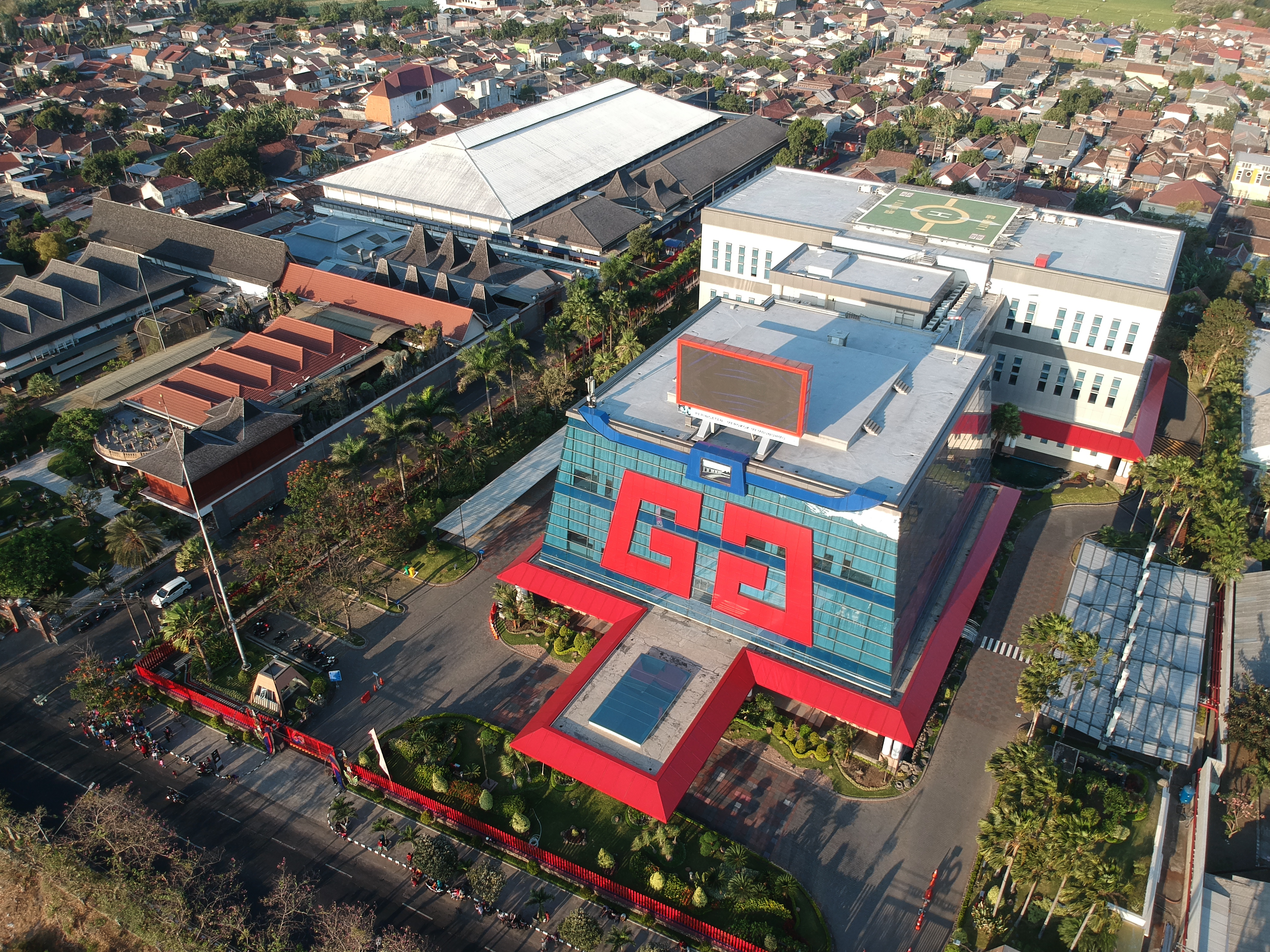
Kediri sits in East Java at just 39 meters above sea level, on the Asia/Jakarta clock, where a tropical savanna climate keeps temperatures high all year and divides the calendar into a pronounced dry season and a wet one. With a population of 287 thousand, this is a mid-sized Indonesian city rather than a metropolis, and that scale shapes daily life: commutes stay short, errands are quick, and the cost of a comfortable routine stays low. The city center draws residents who want to be close to markets, government offices, and the main commercial streets, while areas outside the center appeal to those who prefer quieter lanes and lower rents. Kediri has not developed the kind of concentrated expat district found in larger Indonesian cities, so newcomers tend to settle based on proximity to work, school, or family rather than a established foreign quarter.
The money picture is the main draw. A one-bedroom apartment in the city center rents for $360/mo, and the same apartment outside the center drops to $248/mo. Utilities run $87/mo, internet $19/mo, and a mobile phone plan just $5/mo. A monthly public transport pass costs $13/mo and a gym membership $8/mo. Food is equally gentle on the wallet: an inexpensive restaurant meal is $1 per person, a mid-range restaurant meal for two with three courses is $8, and a cappuccino is $1. A single adult can live on a budget tier total of $389/mo with rent included, step up to a mid-range tier total of $510/mo, or settle into a comfortable tier total of $628/mo. Excluding rent, a single person spends about $468/mo. The catch is local wages: average monthly net salary is $112/mo, which means most residents are not living the budget-tier life described above. Remote workers earning foreign income are the ones for whom these numbers feel almost unreal.
Safety is moderate. The safety index sits at 58/100 and the crime index at 42/100, where a lower crime figure is the better sign. Air quality is a mixed bag at an index of 55, better than many large Asian cities but not clean enough to ignore during the dry season. Healthcare quality is rated Fair, which means routine care and common prescriptions are manageable, but complex procedures or serious diagnoses are usually handled in larger cities such as Surabaya or Jakarta. English proficiency is Limited, so everyday interactions in Indonesian go a long way, and a translation app is a practical companion for the first few months.
For stays beyond a tourist visit, Indonesia offers the Retirement Visa (KITAS) and the Remote Worker Visa (E33G), both requiring a minimum monthly income of $2,000/mo. The nearest airport is DHX, 13 km away, which keeps arrivals and departures simple. Internet averages 30 Mbps, enough for video calls and remote work without much strain. The overall expat score is 51/100, with a retiree score of 53/100 and a digital nomad score of 49/100. Kediri suits budget-conscious remote workers, retirees who want a slow and inexpensive base, and anyone who values low rents and cheap meals over big-city amenities. It does not suit people who need a large international community, top-tier hospitals, or English-language everything.