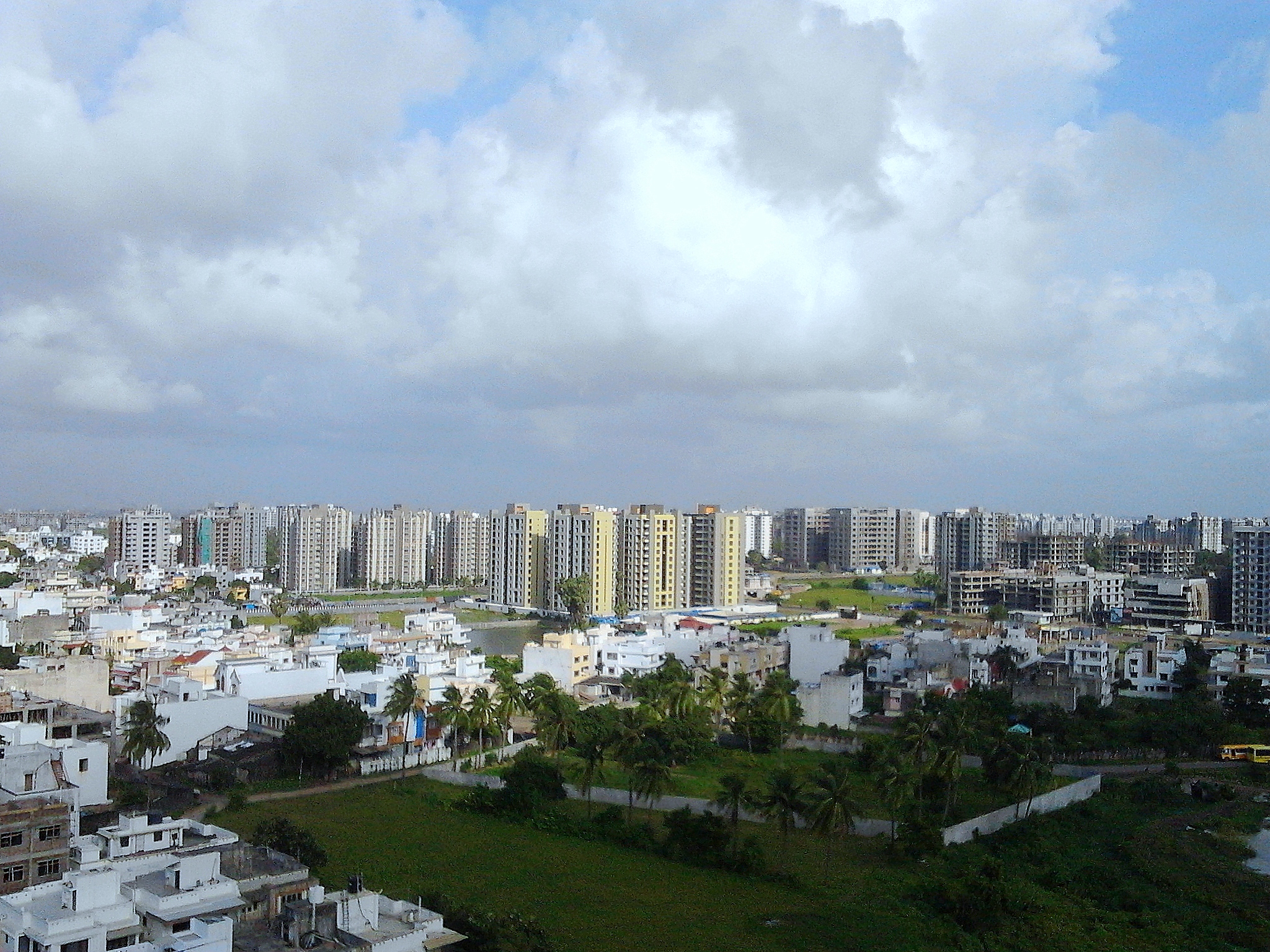
Surat sits on the banks of the Tapi River in Gujarat, a sprawling city of 6.2 million people that runs on a tropical savanna climate. Summers are fiercely hot, and the heavy monsoon that follows turns the streets green and humid for months. Expats tend to cluster in the neighborhoods of Piplod, Vesu, and Adajan, which offer newer apartment buildings, wider roads, and a growing number of cafes and shops, all within easy reach of the city center.
Living costs here are remarkably low, even by Indian standards. A single adult can get by on a budget of $408/mo including rent, while a more comfortable lifestyle runs just $412/mo. Rent for a one-bedroom in the city center is $217/mo, but oddly, the same apartment outside the center costs $494/mo, a quirk driven by demand in the newer suburbs. A three-bedroom in the center is $374/mo, while outside the center it drops to $199/mo. Utilities run $36/mo, internet is $7/mo, and a mobile plan is just $4/mo. A monthly public transport pass costs $5/mo, and a gym membership is $18/mo. Eating out is cheap: an inexpensive restaurant meal is $3, a three-course meal for two at a mid-range spot is $10, and a cappuccino is $2. The average local monthly net salary is $307/mo, which means many residents live well below the expat budget, and the cost of living index sits at 18/100 compared to New York City.
Safety in Surat is moderate. The safety index is 55/100, and the crime index is 45/100, where lower is safer, so it is not a high-risk city, but it is not a fortress either. Petty theft and occasional scams exist, especially in crowded markets, but violent crime against foreigners is rare. Healthcare quality is rated fair, which means basic care is available, but for serious procedures you will likely travel to a larger city. The air quality index is 115, which is unhealthy for sensitive groups, so anyone with respiratory issues should plan accordingly.
Getting to Surat is straightforward via the nearest airport, STV, located 14 km from the city center. Visa rules for India change frequently, so you will need to check current regulations with the embassy; the guide does not name specific programs. English proficiency is limited, so learning some Gujarati or Hindi will help with daily interactions, and the expat community is small, which means you will not find a large support network. This city suits digital nomads and FIRE seekers, with scores of 63/100 and 82/100 respectively, thanks to the low costs and decent internet at 42 Mbps. Retirees will find it less appealing, with a score of 52/100, mainly due to the heat, air quality, and limited healthcare. If you want a cheap base in India with a real local feel, Surat delivers, but it is not for everyone.