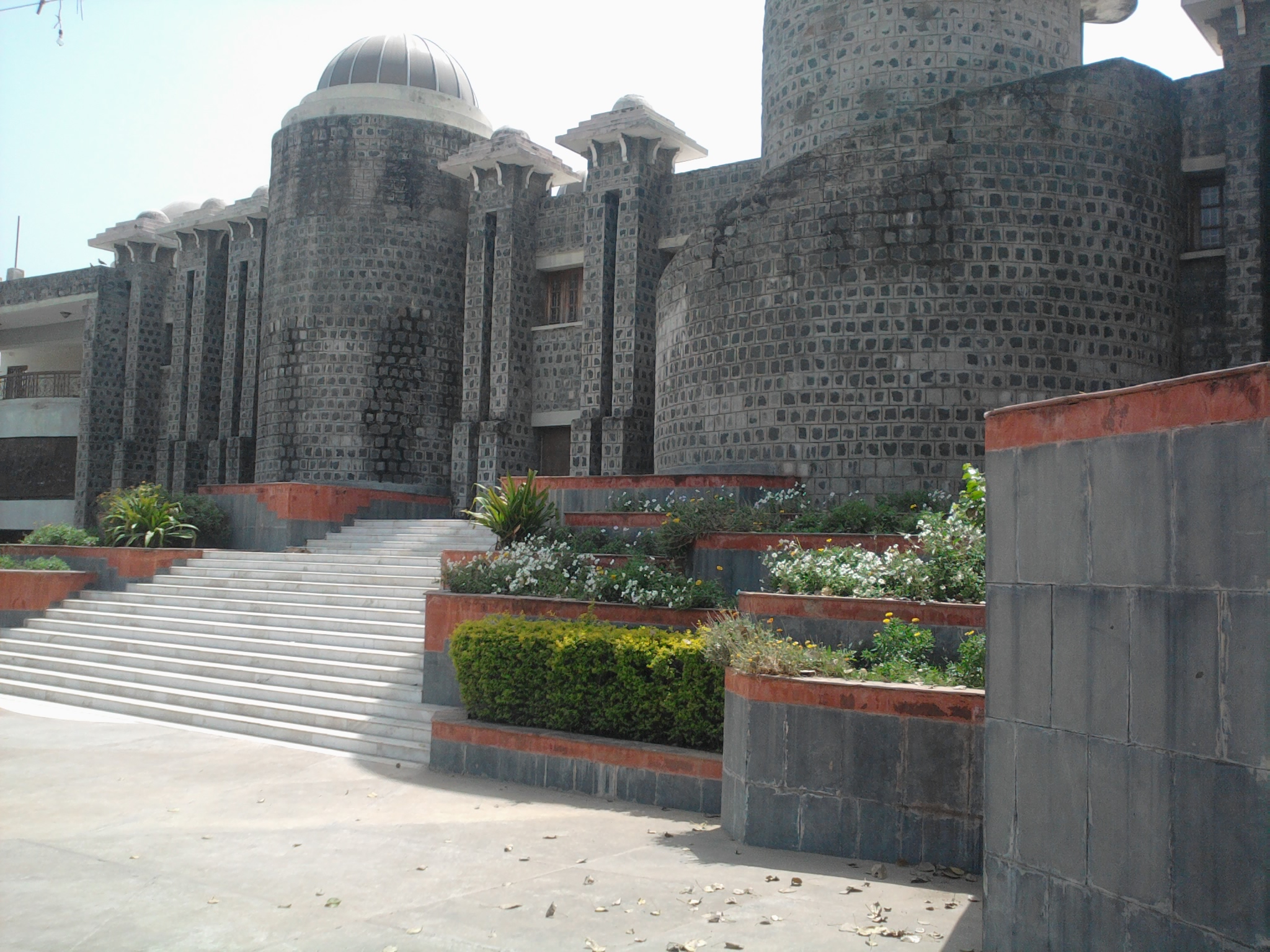
Etawah sits in the subtropical plains of northern India, a city of 257 thousand people at 152 meters above sea level, keeping time on Asia/Kolkata. Summers here run hot and humid while winters bring a sharp, dry coolness, the kind of swing that shapes daily routines around early mornings and late evenings. The city spreads along the Yamuna and its canal network, with a compact core of markets, government offices, and older residential lanes. Expats who settle here tend to gravitate toward the central quarters close to the main bazaar and civil lines, where rented flats sit within walking distance of everyday necessities, though the city remains far more local than international in flavor.
The money math is the headline. A single adult can cover rent and living for roughly $106/mo at the budget tier, while monthly costs outside rent run about $280/mo for one person and $850/mo for a family of four. Utilities come to $31/mo, internet to $6/mo, and a mobile phone plan to $3/mo. A gym membership costs $10/mo. Eating out is cheap: an inexpensive restaurant meal runs $2 per person, a mid-range three-course dinner for two is $10, and a cappuccino is $1. Against those numbers, the average monthly net salary locally is $310/mo, and the cost of living index sits at 22/100 with New York City as 100. The gap between local wages and expat remote income is the entire story of why this city attracts a certain kind of visitor.
Safety is middling. The safety index reads 50/100 and the crime index, where lower is safer, also reads 50/100, so the city lands squarely in the middle rather than at either extreme. Healthcare quality is rated Fair, which means routine care is available but complex or specialized treatment usually means traveling to a larger city. Air quality is a genuine concern, with an index of 185, a figure that pushes many residents to plan around the worst months and to invest in indoor air filtration. Internet averages 20 Mbps, workable for most remote tasks but not for heavy data work.
Visas follow the standard national framework for foreign visitors, with no special local program to chase. The nearest airport is KNU, 143 km away, so arrivals typically involve a road transfer after landing. English proficiency is limited, which rewards those who pick up even basic Hindi. The city scores 83/100 overall for expats, 85/100 on the FIRE measure, 51/100 for retirees, and 55/100 for digital nomads. That profile suits remote workers and early retirees chasing extremely low costs and a quiet, unglamorous Indian city, while it will frustrate anyone needing strong healthcare, clean air, or a large international community.