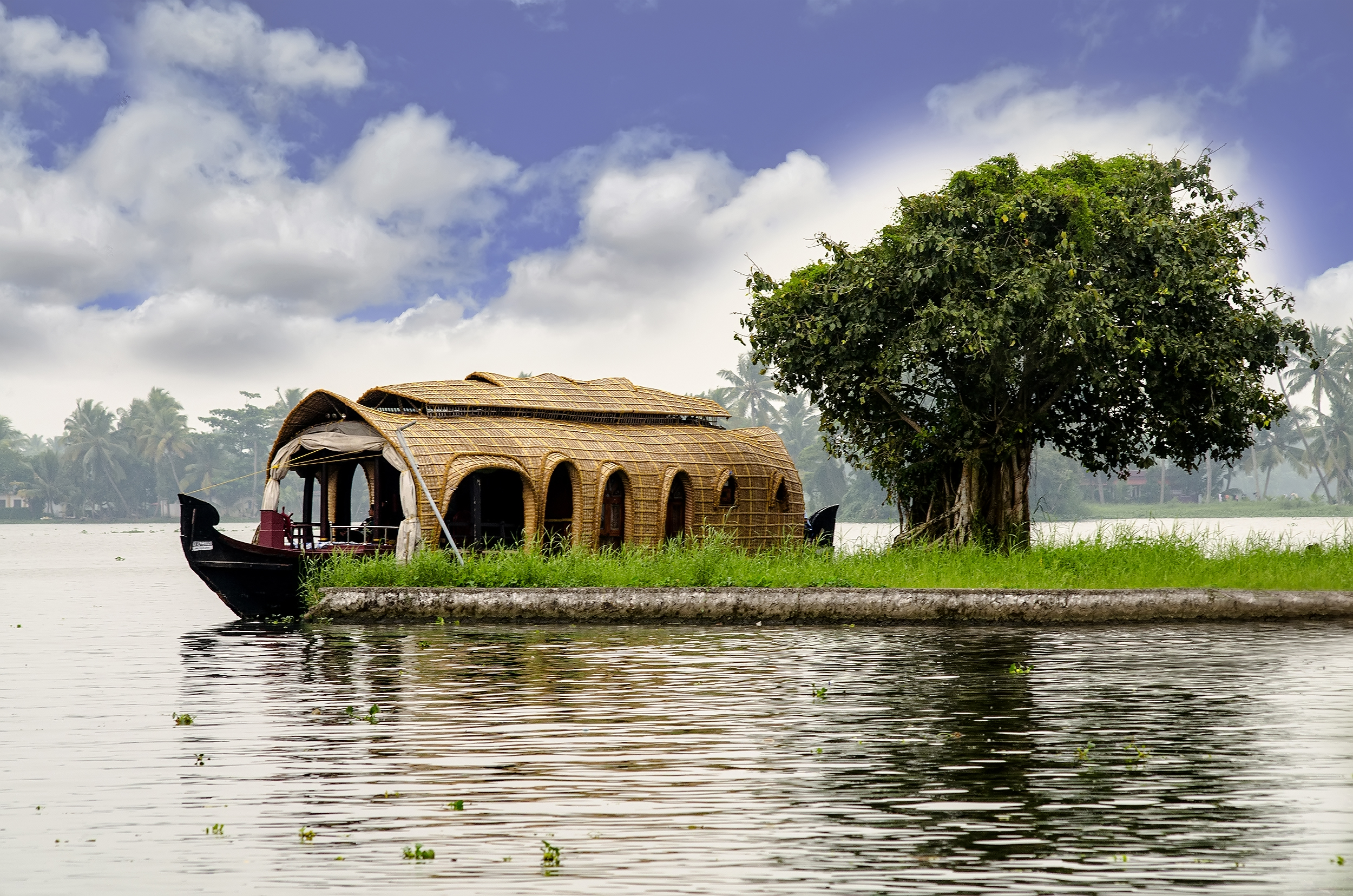
Alappuzha sits in the tropical lowlands of Kerala, just 11 m above sea level, where the climate stays warm and humid year round and the backwaters shape daily life. The city is home to 174 thousand people, and its timezone is Asia/Kolkata. Expats who settle here generally choose between the city center and the areas outside it, and the rent gap between the two is significant. A one-bedroom apartment in the center runs $83/mo, while the same outside the center costs $46/mo. For larger households, a three-bedroom in the center is $165/mo, and outside the center it drops to $129/mo.
Day to day, Alappuzha is remarkably affordable. Utilities come to $15/mo, internet is $5/mo, and a mobile phone plan is $2/mo. A cappuccino costs $2, and an inexpensive restaurant meal is $2 per person. A mid-range restaurant meal for two, with three courses, is $12. A gym membership runs $41/mo. For a single adult, the mid-range tier total, rent included, is $173/mo, and the comfortable tier total is $237/mo. Local wages are modest: the average monthly net salary is $465/mo, so many residents and newcomers live carefully, and remote workers who earn elsewhere find their money goes far.
Safety in Alappuzha is moderate. The safety index is 50/100, and the crime index is also 50/100, with lower numbers meaning safer. Air quality is decent, with an air quality index of 45, where lower is better. Healthcare quality is rated as Good, which matters for retirees and anyone planning a long stay. English proficiency is limited, so learning a few Malayalam phrases helps with everyday errands, though the city's pace and size keep daily life manageable.
Visas are handled through the usual channels, and it pays to sort the right category before booking flights. The nearest airport is COK, 85 km away, so arrivals typically land there and continue by road. Internet averages 25 Mbps, enough for most calls and streaming. Alappuzha scores 64/100 overall for expats and 66/100 for retirees, while the digital nomad score is 49/100. It suits budget-conscious retirees, slow travelers, and remote workers who value low costs, warm weather, and a quiet backwater setting over big-city energy.