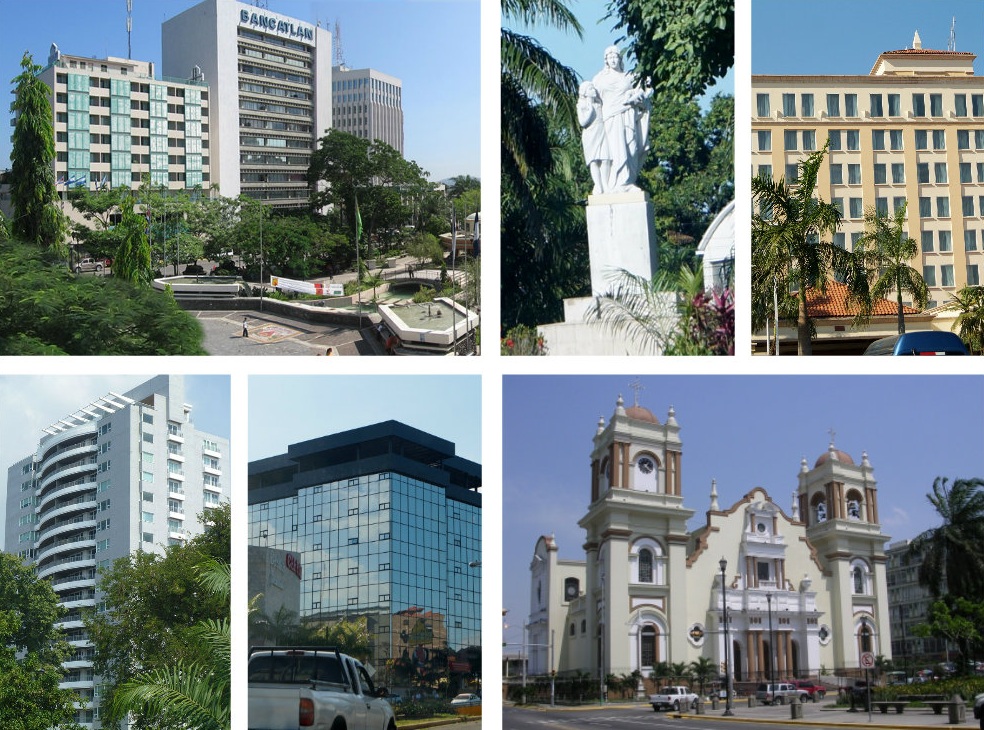
San Pedro Sula, Honduras Hero Image
Wikipedia Contributor, CC BY-SA

San Pedro Sula, Honduras

Data updated Oct 8, 2026

Follows Honduras Residency Rules. Check Digital Nomad & Retiree Pathways →

📊 Scores

70
FIRE
48
Retiree
54
Digital Nomad

Best fit: FIRE / Geoarbitrage (score: 60)

San Pedro Sula sits in northern Honduras at just 83 m above sea level, in a tropical savanna climate that stays consistently hot and humid all year. It is the country's second largest city, with a population of 719 thousand, and it keeps time on the America/Tegucigalpa clock. Expats who settle here tend to cluster in a small number of established neighborhoods, with Barrio Los Andes and Trejo the most commonly chosen. The city's small expat community means newcomers often know one another quickly, and the layout rewards those who pick a base and learn it well rather than spreading themselves thin across the metro area.

The money side of San Pedro Sula is where the city makes its strongest case. A one-bedroom apartment in the city center runs $559/mo, while the same unit outside the center drops to $419/mo. Three-bedroom places follow the same pattern: $806/mo in the center and $719/mo outside it. Utilities add $129/mo, internet $43/mo, and a mobile phone plan just $11/mo. A monthly public transport pass costs $36/mo and a gym membership $38/mo. Eating out is cheap, with an inexpensive restaurant meal at $7 per person, a mid-range three-course meal for two at $34, and a cappuccino at $2. Numbeo puts monthly costs excluding rent at $672/mo for a single person and $2,399/mo for a family of four. Budget, mid-range, and comfortable tiers for a single adult, rent included, come to $620/mo, $902/mo, and $1,130/mo respectively. Against a cost of living index of 43/100 where New York City equals 100, those figures look generous, but the average monthly net salary locally is only $601/mo, which explains why the arithmetic works differently for someone earning in dollars than for someone earning in lempiras.

Safety is the subject that shapes most conversations about San Pedro Sula. The safety index stands at 40/100 and the crime index, where lower is safer, at 60/100, numbers that ask for street-level awareness and a preference for well-known residential areas over unfamiliar ones. Air quality sits at 58, a middling figure for a city of this size. Healthcare quality is rated fair, which is enough for routine care and manageable for many chronic needs, though serious or complex cases often push residents toward private facilities or travel. The overall expat score of 60/100 reflects a place that works well for some and less well for others, and the retiree score of 48/100 is the lowest of the city's profile marks, while the FIRE score of 70/100 is the highest. Digital nomads land at 54/100, with average internet speed at 25 Mbps and English proficiency described as limited, so a little Spanish goes a long way.

For longer stays, the Honduras Pensionado program requires a minimum monthly income of $1,500/mo, a threshold well above the local average net salary and one that most foreign retirees will clear comfortably. SAP, the nearest airport, is 13 km away, which keeps arrivals and departures simple. San Pedro Sula suits budget-conscious retirees and early retirees who want low rent, cheap meals, and a small, tight-knit expat scene, and it can work for remote workers who do not mind modest internet speeds and limited English around them. It is a harder sell for anyone who needs a large international community, top-tier medical care, or a relaxed attitude toward personal safety. The city rewards people who arrive with realistic expectations, a dollar income, and a willingness to learn the local rhythm rather than fight it.
Estimate the cost of moving to San Pedro Sula, Honduras

Get a free moving cost estimate for moving to San Pedro Sula, Honduras. Takes 10 seconds.

How much are you shipping?

When are you moving?

Powered by Sirelo. Free quotes from international movers.

🏚️ Cost of Living

💰 Budgets and Costs

$946/mo, one person, rent included
Selected: mid-range lifestyle

San Pedro Sula on a mid-range budget comes to about $946 a month for one adult, with $419 of that going to rent. Beyond rent the estimate covers $155 on groceries, $75.00 on dining out, $78.00 on entertainment and lifestyle, $183 on utilities and connectivity and $36.00 on transport.

Rent

$419/mo

1BR outside the centre

Groceries

$155/mo

Staples basket scaled to a full month

Dining out

$75.00/mo

10 inexpensive meals

Entertainment & lifestyle

$78.00/mo

gym, 2 cinema trips, 12 cappuccinos

Utilities & connectivity

$183/mo

utilities, mobile, internet

Transport

$36.00/mo

Monthly pass

Budgets (excl. rent)

Single person$527/mo

Excludes rent. The total above is all-in, rent included.

Estimates for one adult, built from this city's average prices and the usage shown for each tier. Your spending will differ with how often you eat out and where you live.

A 1BR in the center runs about $558.72/mo. If your income is in another currency, bank FX fees add up. A multi-currency account can cut that cost.

See low-fee transfers

We may earn a commission at no cost to you.

See how San Pedro Sula's cost of living compares with La Ceiba

Be the first to report costs in San Pedro Sula

Share

🛡️ Safety & Crime

40
Safety Index

(Higher is safer)

60
Crime Index

(Lower is safer)

San Pedro Sula ranks among Honduras's most dangerous cities, with significant gang violence, armed robbery, and extortion affecting residents. Expats should avoid El Barrio, Chamelecón, and other gang-controlled neighborhoods; stick to established expat areas like Barrio Guamilito. Petty theft and home invasions occur regularly. Carjackings and armed assaults happen, particularly after dark. The city's proximity to drug trafficking routes and gang territorial disputes create unpredictable security risks. This is not a recommended destination for most expats seeking a safe retirement or remote work base—consider Tegucigalpa, Copán, or other Honduran alternatives instead.

San Pedro Sula has a safety index of 40/100. Petty theft and lost belongings are the most common problems for newcomers. Compare travel insurance before you go.

Compare travel insurance

We may earn a commission at no cost to you.

🏥 Healthcare

Fair
Public Hospitals
Yes
Private Clinics
Yes
English-Speaking Doctors
Available

See how San Pedro Sula's healthcare compares with La Ceiba

🌤️ Climate

Summer Temp
33°C
Winter Temp
20°C
Humidity
75%
Air Quality Index
58
Annual Rainfall
1426 mm

Best Months

MayJunJulAug

Climate Notes

Tropical savanna climate; consistently hot and humid.

💻 Digital Nomad

Avg Internet Speed
25 Mbps
Internet (monthly)
$43/mo
Coworking Availability
Moderate
Coworking Spaces Nearby
0
Digital Nomad Score
54/100

Community Notes

San Pedro Sula has a vibrant community but safety can be a concern.

Coworking Spaces

NameNotes
Regus San Pedro Sula Torre PanoramaLocated in the Torre Panorama, this Regus location offers a professional environment with various office solutions. It's a reliable option for expats seeking a familiar and well-equipped workspace in a central business district.
Impact Hub San Pedro SulaPart of the global Impact Hub network, this location provides a collaborative environment focused on social impact and innovation. It's a good choice for digital nomads interested in connecting with local entrepreneurs and participating in community events.
Workingspace504A modern coworking space that offers a variety of options, from private offices to hot desks. It's a good option for remote workers looking for a comfortable and productive environment.

Names, locations and hours can change. Check each space's website before you visit. Places from © OpenStreetMap contributors and Foursquare Open Source Places (Apache 2.0).

Working remotely from San Pedro Sula? Nomad health insurance covers you across borders, month to month.

See nomad insurance

We may earn a commission at no cost to you.

See how San Pedro Sula's digital nomad life compares with La Ceiba

🧳 Expat Life

English Proficiency
Limited
Expat Community
Small
Top Neighborhoods
Barrio Los Andes, Trejo
Banks Nearby
95
ATMs Nearby
3

Expat Life Notes

The industrial hub of Honduras. While economically active, safety concerns prevent it from being a popular expat spot.

Pros

  • ✓ Strong business opportunities
  • ✓ Proximity to Caribbean beaches
  • ✓ Low cost of living

Cons

  • ✗ High crime rates
  • ✗ Limited public safety
  • ✗ Hot and humid

🏘️ Neighborhoods in San Pedro Sula

Areas of San Pedro Sula that expats often consider.

Conditions can change from one block to the next, and these descriptions are general guides, not safety assessments. Before choosing where to stay or live, check current travel advisories, talk to people who live there, and visit in person if you can.

Colonia Trejo

Upscale residential, family-oriented, secure

Colonia Trejo is one of the most desirable residential areas in San Pedro Sula, known for its security, well-maintained streets, and proximity to good schools. It's popular with wealthier Honduran families and some expats. While walkable within the colonia itself, a car is generally needed for errands and accessing other parts of the city.

Barrio Río de Piedras

Central, commercial, bustling, accessible

A central and commercially active area, Río de Piedras offers a mix of residential and business properties. It's well-connected by public transport, making it easy to get around. While convenient, it can be noisy and crowded, and security is a concern, especially at night.

Colonia Jardines del Valle

Quiet residential, suburban, green

Jardines del Valle is a more suburban and quieter residential area, popular with families. It offers a more relaxed atmosphere compared to the city center. While generally safe, it's less walkable and relies more on car transport. Some gated communities exist within this colonia.

Colonia Los Andes

Mid-range residential, convenient, local

Los Andes is a more affordable residential area with a mix of houses and apartments. It's a good option for those on a budget who want to be relatively close to the city center. While it has local shops and restaurants, it's less polished than Trejo or Jardines del Valle, and security requires more vigilance.

Page 1 of 2

Could living/working in San Pedro Sula cut years off your work life?

With a 1-bedroom in the center at $559/mo, your FIRE number here might be much lower than you think.

Calculate My FIRE Date →

🛂 Visa Options for Honduras

Many long-stay visas require proof of health insurance. Compare international health plans before you apply.

Compare health insurance

We may earn a commission at no cost to you.

🛂

Earning over $1,500/mo? You may qualify for a Honduras visa.

Answer 11 questions and get a personalized match in under 2 minutes.

Find My Visa →

More Cities to Consider instead of San Pedro Sula

FAQ

Frequently Asked Questions about San Pedro Sula

Click any question to expand the answer.

San Pedro Sula has a population of approximately 719,064 people.
A single person can expect to spend around $1,397 per month in San Pedro Sula, including rent. A 1-bedroom apartment in the city center costs approximately $559/month.
The nearest airport to San Pedro Sula is SAP, approximately 12.7km away.
San Pedro Sula is considered moderate in terms of safety, with a safety index of 40.0. As with any city abroad, expats should research specific neighborhoods before committing to a location.
Realistic options are management roles in maquila or agribusiness, positions with international NGOs or development organizations, and some corporate finance or logistics roles tied to Puerto Cortés trade. Remote work is possible technically but the expat-freelancer scene is nearly nonexistent. Fluent Spanish is required for almost any local role, and work permits add bureaucratic friction.
It's cheaper than Panama City or San José, Costa Rica, but the headline numbers don't tell the full story. A city-center one-bedroom runs about $550/month, groceries and local food are inexpensive, but many expats spend significantly more on private security measures, gated housing, and private healthcare that aren't optional given the environment. Budget $1,500–$2,200/month for a comfortable, secure lifestyle.
Areas like Colonia Trejo and Colonia Universidad offer more affordable housing options. You can find apartments and smaller houses for rent at significantly lower prices than in the gated communities, but be mindful of safety precautions.
Internet connectivity is generally decent in San Pedro Sula, especially in commercial areas and wealthier neighborhoods. Expect speeds sufficient for video calls and most online work, but power outages can occasionally disrupt service, so a backup plan is wise.
Honduras offers a retiree visa (Pensionado visa) requiring proof of a monthly income, often from Social Security or a pension. You'll need to demonstrate a stable income stream to qualify, and the process involves working with a local attorney.
Rent varies greatly depending on the neighborhood. A modern apartment in a secure area like Colonia Río de Piedras might cost $800-$1500 per month, while a more modest apartment in a less central location could be $400-$700.
Yes, you can find English-speaking doctors and dentists, especially in private hospitals and clinics catering to expats. Hospital CEMESA and Hospital Bendaña are known to have English-speaking staff.
San Pedro Sula has a tropical climate, meaning it's hot and humid year-round. The rainy season is from May to November, with the driest months being December to April. Expect average temperatures in the 80s (Fahrenheit).
You can open a bank account at local banks like Banco Atlántida or Banco Ficohsa, but it requires some paperwork and patience. Services like Wise (formerly TransferWise) are often the easiest way to transfer money internationally.
The expat community in San Pedro Sula is smaller compared to other Central American cities, but it exists. You can connect with other expats through online forums, social media groups, and by attending events at international schools or churches.
Groceries are generally cheaper than in the US, especially if you buy local produce at markets. Eating out can also be very affordable, with local restaurants offering meals for a few dollars, while upscale restaurants are priced similarly to the US.
As a US citizen, you're still required to file US taxes even when living abroad. The Foreign Earned Income Exclusion (FEIE) can help you exclude a certain amount of your income from US taxes, and you may also need to report foreign bank accounts (FBAR).
Taxis and ride-sharing apps like Uber are the most convenient and safest ways to get around. Public buses are available but can be crowded and less secure. Renting a car is an option, but driving can be challenging due to traffic and road conditions.
While some people in tourist areas or businesses speak English, Spanish is the primary language. Learning at least basic Spanish will significantly improve your daily life and integration into the community.
Expect a slower pace of life compared to the US. While you can get by with English in some situations, learning Spanish is crucial for daily interactions and feeling truly integrated. Be prepared for cultural differences and a different standard of customer service.
Yes, there are a few coworking spaces in San Pedro Sula, offering a professional environment and reliable internet. Check out places like Impact Hub SPS or smaller, independent coworking locations for options.

Share This Guide