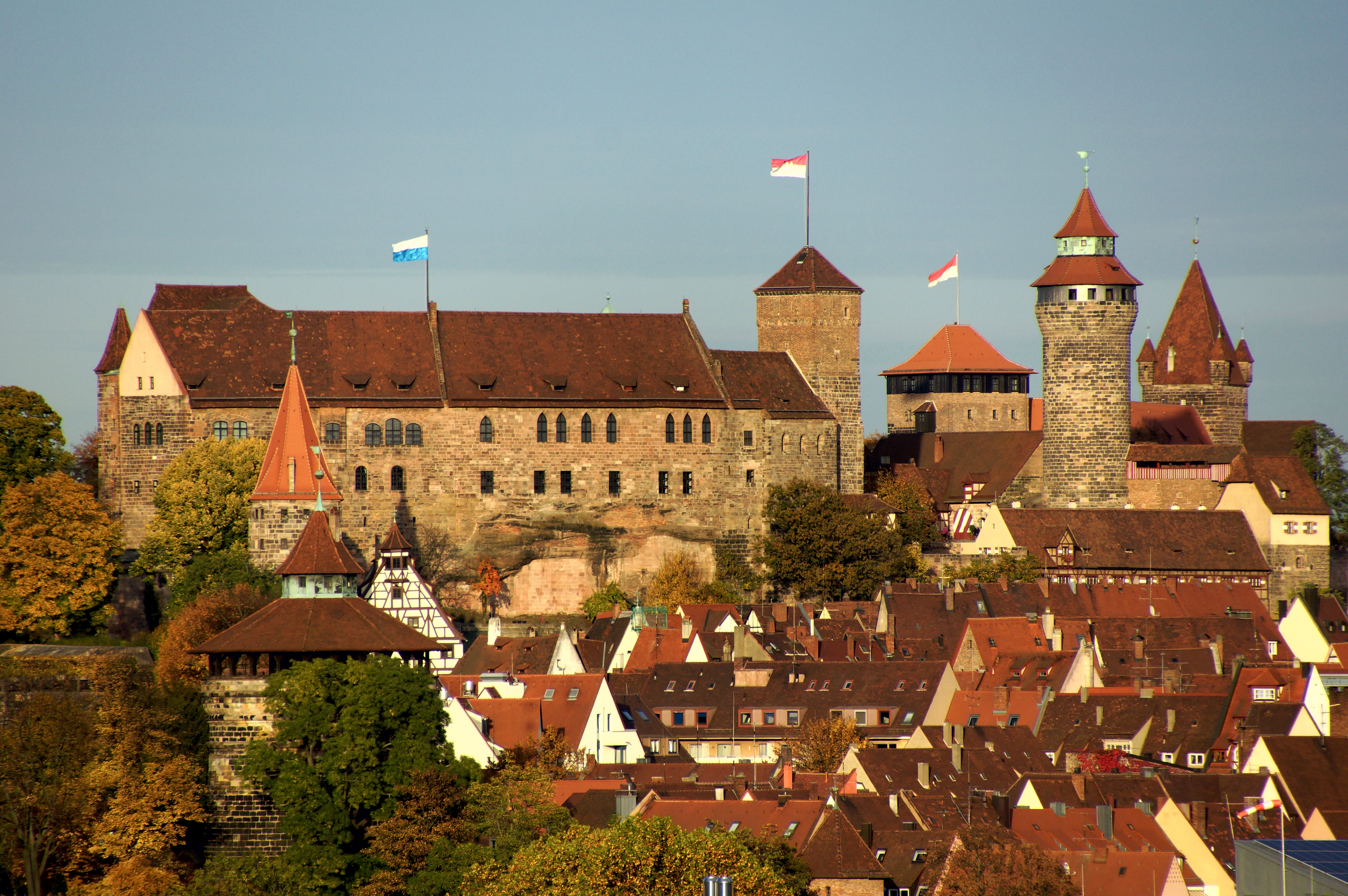
Nuremberg, Germany Hero Image
Wikipedia Contributor, CC BY-SA

Nuremberg, Germany

Data updated Oct 8, 2026

Follows Germany Residency Rules. Check Digital Nomad & Retiree Pathways →

📊 Scores

73
FIRE
70
Retiree
78
Digital Nomad

Best fit: Digital Nomad (score: 76)

Nuremberg sits in Bavaria at 302 m above sea level, on a clock set to Europe/Berlin, with an oceanic climate that carries a significant continental influence: warm summers, cold winters, and a rhythm of seasons that shapes daily life. The city holds 526 thousand residents, and its expat community is large and active. Newcomers tend to cluster in Gostenhof, Johannis, and Maxfeld, three neighborhoods that mix old apartment stock with cafes, markets, and easy tram connections. English is common in tourist areas, so the first weeks are manageable while German lessons take hold.

Rents here stay well below the big-capital extremes. A one-bedroom in the city center runs $897/mo, while the same outside the center drops to $648/mo. Three-bedroom units go for $1,726/mo in the center and $1,380/mo outside it. Beyond rent, a single adult spends about $1,114/mo, and a family of four about $3,853/mo. Utilities average $347/mo, internet $43/mo, and a mobile plan $19/mo. A monthly public transport pass costs $71/mo and a gym membership $32/mo. Eating out is moderate: $18 for an inexpensive restaurant meal per person, $81 for a three-course mid-range meal for two, and $4 for a cappuccino. The cost of living index sits at 66/100 against New York City, and the average monthly net salary is $3,443/mo. Budget, mid-range, and comfortable tiers for a single adult land at $1,081/mo, $1,555/mo, and $2,013/mo with rent included.

Safety is a strong point. The safety index is 85/100 and the crime index is 15/100, so walking home at night rarely raises concern. Air quality is decent at 42 on the index, and healthcare quality is rated excellent, with a dense network of clinics, specialists, and public insurers. Internet averages 90 Mbps, enough for remote work, streaming, and video calls without strain.

For longer stays, the retirement visa program is §7 Abs. 1 S. 3 AufenthG, with a minimum monthly income of $1,200/mo. Remote workers and freelancers use the Freelancer Residence Permit under Section 21 of the German Residence Act. The nearest airport is NUE, just 5 km away, which keeps weekend trips and family visits simple. With an overall expat score of 76/100, a digital nomad score of 78/100, a FIRE score of 73/100, and a retiree score of 70/100, Nuremberg suits remote professionals, early retirees, and families who want a mid-sized German city with solid infrastructure, moderate costs, and a calm, well-connected base in the heart of Europe.
Estimate the cost of moving to Nuremberg, Germany

Get a free moving cost estimate for moving to Nuremberg, Germany. Takes 10 seconds.

How much are you shipping?

When are you moving?

Powered by Sirelo. Free quotes from international movers.

🏚️ Cost of Living

💰 Budgets and Costs

$1,648/mo, one person, rent included
Selected: mid-range lifestyle

Nuremberg on a mid-range budget comes to about $1,648 a month for one adult, with $648 of that going to rent. Beyond rent the estimate covers $228 on groceries, $177 on dining out, $114 on entertainment and lifestyle, $410 on utilities and connectivity and $71.00 on transport.

Rent

$648/mo

1BR outside the centre

Groceries

$228/mo

Staples basket scaled to a full month

Dining out

$177/mo

10 inexpensive meals

Entertainment & lifestyle

$114/mo

gym, 2 cinema trips, 12 cappuccinos

Utilities & connectivity

$410/mo

utilities, mobile, internet

Transport

$71.00/mo

Monthly pass

Budgets (excl. rent)

Single person$1,000/mo

Excludes rent. The total above is all-in, rent included.

Estimates for one adult, built from this city's average prices and the usage shown for each tier. Your spending will differ with how often you eat out and where you live.

A 1BR in the center runs about $896.78/mo. If your income is in another currency, bank FX fees add up. A multi-currency account can cut that cost.

See low-fee transfers

We may earn a commission at no cost to you.

See how Nuremberg's cost of living compares with Ingolstadt

Be the first to report costs in Nuremberg

Share

🛡️ Safety & Crime

85
Safety Index

(Higher is safer)

15
Crime Index

(Lower is safer)

Nuremberg is genuinely safe for expats, with low violent crime and well-maintained public spaces. Petty theft and pickpocketing occur occasionally in crowded areas like the Hauptmarkt and train station, but serious crime is rare. Avoid the Gostenhof district after dark due to drug-related activity, though it's not dangerous for residents. Scams are minimal compared to other European cities. For a 30-65 year-old American, this is a secure, stable choice with reliable police presence and strong community integration opportunities.

🏥 Healthcare

Excellent
Public Hospitals
Yes
Private Clinics
Yes
English-Speaking Doctors
Available

See how Nuremberg's healthcare compares with Ingolstadt

🌤️ Climate

Summer Temp
25°C
Winter Temp
-1°C
Humidity
72%
Air Quality Index
42
Annual Rainfall
914 mm

Best Months

MayJunJulSep

Climate Notes

Oceanic climate with significant continental influence.

💻 Digital Nomad

Avg Internet Speed
90 Mbps
Internet (monthly)
$43/mo
Coworking Availability
Abundant
Coworking Spaces Nearby
4
Digital Nomad Score
78/100

Community Notes

A historic city with a vibrant work and cultural scene.

Coworking Spaces

NameNotes
Design Offices Nürnberg CityLocated in the city center, Design Offices offers a modern and stylish workspace with a focus on design and community. It's a good option for expats looking for a professional and well-equipped environment with networking opportunities.
Satellite Office NürnbergSatellite Office provides premium coworking spaces in a central location. They offer high-end amenities and a sophisticated atmosphere, appealing to professionals seeking a prestigious workspace.
Regus Nürnberg City PointLocated in the City Point building, Regus offers a reliable and convenient coworking solution with flexible options. It's a practical choice for digital nomads who need a functional workspace with standard amenities.
Campus OfficeCampus Office offers a relaxed and collaborative atmosphere, popular among startups and freelancers. Located near the university, it provides a vibrant environment with opportunities for networking and knowledge sharing.

Names, locations and hours can change. Check each space's website before you visit. Places from © OpenStreetMap contributors and Foursquare Open Source Places (Apache 2.0).

Working remotely from Nuremberg? Nomad health insurance covers you across borders, month to month.

See nomad insurance

We may earn a commission at no cost to you.

See how Nuremberg's digital nomad life compares with Ingolstadt

🧳 Expat Life

English Proficiency
Common in Tourist Areas
Expat Community
Large & Active
Top Neighborhoods
Gostenhof, Johannis, Maxfeld
Banks Nearby
108
ATMs Nearby
78

Expat Life Notes

A historic city with a high-tech heart. It is very expat-friendly and more affordable than Munich.

Pros

  • ✓ High safety and quality of life
  • ✓ Rich medieval history
  • ✓ Universal English proficiency

Cons

  • ✗ Tight housing market
  • ✗ German bureaucracy
  • ✗ Quiet on Sundays

🏘️ Neighborhoods in Nuremberg

Areas of Nuremberg that expats often consider.

Conditions can change from one block to the next, and these descriptions are general guides, not safety assessments. Before choosing where to stay or live, check current travel advisories, talk to people who live there, and visit in person if you can.

Gostenhof

Multicultural, vibrant, up-and-coming

Gostenhof is known for its diverse community, independent shops, and lively nightlife. It's popular with students and young professionals, offering a more alternative vibe than the city center. Excellent public transport links make it easy to get around, but it can be noisy at times.

St. Johannis

Historic, charming, residential

St. Johannis boasts beautiful architecture, including half-timbered houses and cobblestone streets. It's a quieter, more residential area, popular with families and retirees. While charming, it's slightly further from the city center, though still well-connected by public transport.

Altstadt (Old Town)

Historic, touristy, central

The Altstadt is the heart of Nuremberg, home to major attractions like the Nuremberg Castle and Hauptmarkt. While convenient and lively, it's also the most touristy and expensive area. Expect higher rents and more noise, especially during peak season, but unparalleled access to culture and amenities.

Maxfeld

Green, family-friendly, quiet

Maxfeld is a residential area with plenty of green spaces and parks, making it ideal for families. It's a bit further from the city center, offering a more relaxed atmosphere. While not as expat-heavy, it's a good option for those seeking a quieter, more local experience.

Page 1 of 2

Could living/working in Nuremberg cut years off your work life?

With a 1-bedroom in the center at $897/mo, your FIRE number here might be much lower than you think.

Calculate My FIRE Date →

🛂 Visa Options for Germany

Many long-stay visas require proof of health insurance. Compare international health plans before you apply.

Compare health insurance

We may earn a commission at no cost to you.

🛂

Earning over $1,223/mo? You may qualify for a Germany visa.

Answer 11 questions and get a personalized match in under 2 minutes.

Find My Visa →

More Cities to Consider instead of Nuremberg

FAQ

Frequently Asked Questions about Nuremberg

Click any question to expand the answer.

Nuremberg has a population of approximately 526,091 people.
A single person can expect to spend around $2,242 per month in Nuremberg, including rent. A 1-bedroom apartment in the city center costs approximately $897/month.
The nearest airport to Nuremberg is NUE, approximately 4.9km away.
Nuremberg is considered relatively safe, with a safety index of 85.0. As with any city abroad, expats should research specific neighborhoods before committing to a location.
Nuremberg has an average internet speed of 90 Mbps. It is considered a well-established digital nomad destination.
Functional English exists in professional and university settings, but daily life — government offices, landlords, doctors — runs almost entirely in German. You can survive without it, but bureaucratic tasks like Anmeldung registration or health insurance paperwork will be genuinely painful without at least basic German or a patient bilingual contact.
Nuremberg runs roughly 30-40% cheaper than Munich across most categories. A city-center one-bedroom is around $980/month versus Munich's $1,400+. Groceries, dining, and transit costs are similar across Germany, but housing is where the savings are most visible. It's still not cheap by global standards — budget at least €2,000/month for a comfortable single-person lifestyle.
Germany's Freiberufler (freelancer) visa works for self-employed remote workers in qualifying fields, though approval depends on demonstrating local market relevance — harder to prove in Nuremberg than in Berlin. The newer Germany Opportunity Card (Chancenkarte) launched in 2024 offers a points-based route for job seekers. EU citizens register freely. Non-EU retirees pursuing FIRE should look at the standard residence permit requiring proof of sufficient income, typically €1,000-1,200/month minimum.
Nuremberg has a continental climate with warm summers and cold winters. Expect snow from December to February, and temperatures can drop below freezing. Summers (June-August) are pleasant, averaging in the low 70s Fahrenheit, but can also bring occasional thunderstorms.
Nuremberg is generally a very safe city with low crime rates. Petty theft can occur in touristy areas like the Hauptmarkt, so be mindful of your belongings. The area around the main train station (Hauptbahnhof) can be a bit seedier at night, but it's usually safe if you're aware of your surroundings.
For more affordable living, consider neighborhoods like Gostenhof or St. Johannis. These areas offer a mix of cultures, more reasonable rent prices, and still provide easy access to the city center via public transport. You'll find a good selection of cafes and independent shops in these areas too.
Nuremberg has excellent internet infrastructure, with widespread access to high-speed broadband and fiber optic connections. You can expect download speeds of 50-100 Mbps or higher in most areas, making it ideal for remote work and video conferencing. Coworking spaces also offer reliable, fast connections.
Yes, Nuremberg has a growing number of coworking spaces catering to freelancers and remote workers. Options like Werk1, Deskmates, and Satellite Office offer various membership plans and amenities, providing a professional and collaborative work environment.
Rent in Nuremberg varies depending on the location and size of the apartment. Expect to pay around €800-€1200 per month for a one-bedroom apartment in a central location, and €600-€900 in more suburban areas. Prices are generally lower than in Munich.
Nuremberg has an excellent public transportation system, including U-Bahn (subway), trams, and buses. A monthly pass costs around €70-€80 and provides unlimited travel within the city. It's a convenient and efficient way to get around without needing a car.
Germany has a high-quality healthcare system, and Nuremberg is no exception. As a retiree, you'll need to secure health insurance, either through the public system (if eligible) or a private provider. Many doctors speak English, especially in larger practices.
While not as large as in Berlin or Munich, Nuremberg has a growing expat community. Online groups like InterNations and Facebook groups dedicated to expats in Nuremberg are great ways to connect with others, find information, and attend social events.
As a US citizen, you're still required to file US taxes even when living abroad. The Foreign Earned Income Exclusion (FEIE) can help you exclude a certain amount of your income from US taxes, and the Foreign Bank Account Report (FBAR) is required if you have foreign bank accounts exceeding $10,000 in total.
ATMs are widely available throughout Nuremberg. Look for ATMs from major banks like Sparkasse or Deutsche Bank to minimize fees. Opening a local bank account can simplify your finances, but be aware of potential fees for international transfers. Services like Wise (formerly TransferWise) can be useful for remittances.
Nuremberg could be viable for early retirement on $2500/month, but it requires careful budgeting. Finding affordable housing outside the city center is key. You'll need to be mindful of healthcare costs and other expenses, but it's definitely possible to live comfortably with that budget if you're frugal.
Expect a more reserved and formal culture compared to the US. Punctuality is highly valued, and direct communication is common. While many people speak English, learning some German will greatly enhance your daily life and interactions with locals. Sundays are typically quiet, with most shops closed.
Germany's investment climate is generally conservative. Consider diversifying your investments across international markets. Real estate investment in Nuremberg can be an option, but research the market carefully. Explore tax-advantaged investment accounts available to expats, and consult with a financial advisor specializing in international taxation.

Share This Guide