Duration
18 months
Overview
Getting the income story straight before you apply
The freelance permit doesn't care about your bank balance the way a retirement visa does. It cares about demonstrable, ongoing freelance activity, which means the paperwork you need looks less like a savings statement and more like a business case. Immigration officers reviewing these applications are trained to spot a disguised employment relationship dressed up as freelancing, and a single dominant client is the fastest way to trigger that suspicion. If eighty percent of your invoiced hours come from one company, expect questions about why that company hasn't just sponsored you for a work visa instead.
The stronger file has multiple client relationships, ideally a mix that includes at least one German or EU-based client if your field allows it, along with signed letters of intent from prospective clients if you haven't started billing yet. Freelancers in regulated professions, architects, tax advisors, certain medical or legal fields, face an additional layer: proof of qualification recognized under German professional standards, which takes longer to assemble than most applicants budget for. Someone earning $6,000 a month from two US clients and a scattering of smaller contracts is in a reasonably strong position here, but only if the contracts read as ongoing engagements rather than one-off gigs stapled together to hit a number.
Health insurance gets tangled into this too, and not as an afterthought. Coverage has to be arranged before the appointment, not promised, and travel insurance products that satisfy short-stay visas will get rejected outright for this permit. German private insurers offering expat-appropriate freelance coverage take time to underwrite, so this step belongs at the front of your timeline, not somewhere in the middle once you've already booked flights.
None of this recognizes pension income, so retirees hoping to use freelance consulting as a backdoor into German residency should look elsewhere. The permit is built around active, continuing self-employment, and the application reads very differently depending on whether the caseworker believes you're building a practice or winding one down.
Eligibility Requirements
Duration
18 months
Requirements Checklist
Tax Information
Germany Taxes What You Earn, Not Just What You Bank
Once you're resident, Germany taxes your worldwide income, full stop. That means the freelance invoices you send to US clients, any dividends sitting in a Schwab account, capital gains from selling stock, and rental income from a property you still own in Ohio all land in the German tax net alongside anything earned inside the country. Residency itself doesn't hinge on a simple day count the way some countries frame it. Germany considers you tax resident if you maintain a domicile (Wohnsitz) in the country or a habitual abode (gewohnlicher Aufenthalt) that runs longer than six months, and once either condition is met the worldwide rule applies retroactively to the point residency began, not from some later registration date.
Ordinary income, including freelance profit, runs through progressive brackets that as of 2026 start at 0% up to EUR 12,348 (about USD 13,300), rise to 14% above that, hit 23.97% past EUR 17,799 (about USD 19,200), climb to 42% above EUR 69,878 (about USD 75,500), and top out at 45% above EUR 277,825 (about USD 300,200), with a 5.5% solidarity surcharge layered on top of whatever tax you owe. Dividends and capital gains from securities sit outside that ladder entirely: they're hit with a flat 25% Abgeltungsteuer plus the surcharge, an effective 26.375%, withheld automatically if the account sits at a German bank. Sell US real estate you've owned less than ten years and Germany taxes the gain as ordinary income at your marginal rate; hold it past the ten-year mark and the gain is exempt. Rental income from property abroad doesn't get the flat-rate treatment either, it gets folded into your progressive bracket like freelance profit does.
There's no expat-specific tax regime attached to this visa, and no reduced rate for newcomers. What you do get is a saver's allowance (Sparerpauschbetrag) of EUR 1,000 a year, EUR 2,000 if married and filing jointly, that shelters a slice of investment income before the flat rate even applies, and an election called Günstigerprüfung that lets you report dividends as ordinary income instead of at the flat rate if your marginal bracket happens to sit below 25%. Useful at the margins, but it's a mechanical adjustment, not a program you register for, and it changes nothing about the underlying worldwide scope.
What the IRS Still Claims From Berlin
Moving to Germany doesn't end your US filing obligation, and for a freelancer here the mechanics tilt unusually hard toward one tool over the other. The Foreign Earned Income Exclusion shelters up to USD 132,900 of 2026 freelance or salary income if you qualify under the 330-day Physical Presence Test or as a Bona Fide Resident, but it does nothing for dividends, capital gains, rental income, pensions, or Social Security, all of which stay fully taxable on your US return regardless of exclusion status. Given that Germany's top marginal rate of 42% (45% above the highest threshold), plus the surcharge, runs well past the US top rate of 37%, the Foreign Tax Credit generally does more work here than the FEIE does: German tax paid on the same income offsets US liability dollar for dollar, and for most freelancers the credit wipes out US tax on German-sourced earnings entirely, sometimes with leftover credit to carry forward. The treaty between the two countries backs this up but doesn't replace it, since the savings clause keeps the US taxing its own citizens regardless of residence, so the treaty mainly repositions where specific income types get taxed first rather than removing the US return from the picture. US Social Security is one clean example: Article 20 reserves taxation to the US alone, so Germany can't touch it. IRA and 401(k) distributions run the other direction under Article 18, taxable in Germany as your residence country at rates up to 45%, and Roth distributions sit in truly uncertain territory since Germany has no domestic equivalent and doesn't explicitly honor their US tax-free status.
None of this requires a German bank account by visa rule, but almost nobody here operates without one for long, and the FBAR threshold doesn't care why the account exists. Once combined balances across your Girokonto, any Tagesgeld savings account, and a Depot brokerage account cross USD 10,000 at any single point in the year, FinCEN Form 114 becomes mandatory, and German banks already report US account holders to German authorities who pass that data to the IRS under the 2013 FATCA agreement between the two governments. Miss the filing and the non-willful penalty starts at a statutory USD 10,000 per violation, adjusted for inflation each year, sitting around USD 16,700 for 2026.
The decisions that actually cost money in year one tend to cluster in the same places: choosing FTC over FEIE without running the comparison first, picking the wrong qualifying test for the exclusion when the credit would have served better anyway, and treating the FBAR deadline as optional because the visa itself never mentioned a bank account. Add church tax registration to that list if you're nominally affiliated with a recognized church, since Germany will assess 8 to 9% on top of your income tax without asking twice. A first-year advisory engagement here runs somewhere between USD 1,500 and 3,000, and it's cheap next to what an unclaimed credit or a missed filing costs later.
Living in Germany
COL Index vs NYC
58.4
Monthly Cost (excl. rent)
$1,146
1BR Rent (City Center)
$943
Safety Index
60.6
Healthcare Index
71.9
Quality of Life Index
190.2
Time Zone
UTC+01:00
Capital
Berlin
Population
83.2M
Official Languages
German
Avg Internet Speed
102 Mbps
Public Transit Quality
Excellent
With a budget covering rent and living costs, you'd need roughly $2,089/mo for a comfortable single-person lifestyle in Germany.See how far your money goes →
🏙️ Best Cities in Germany for Freelancers
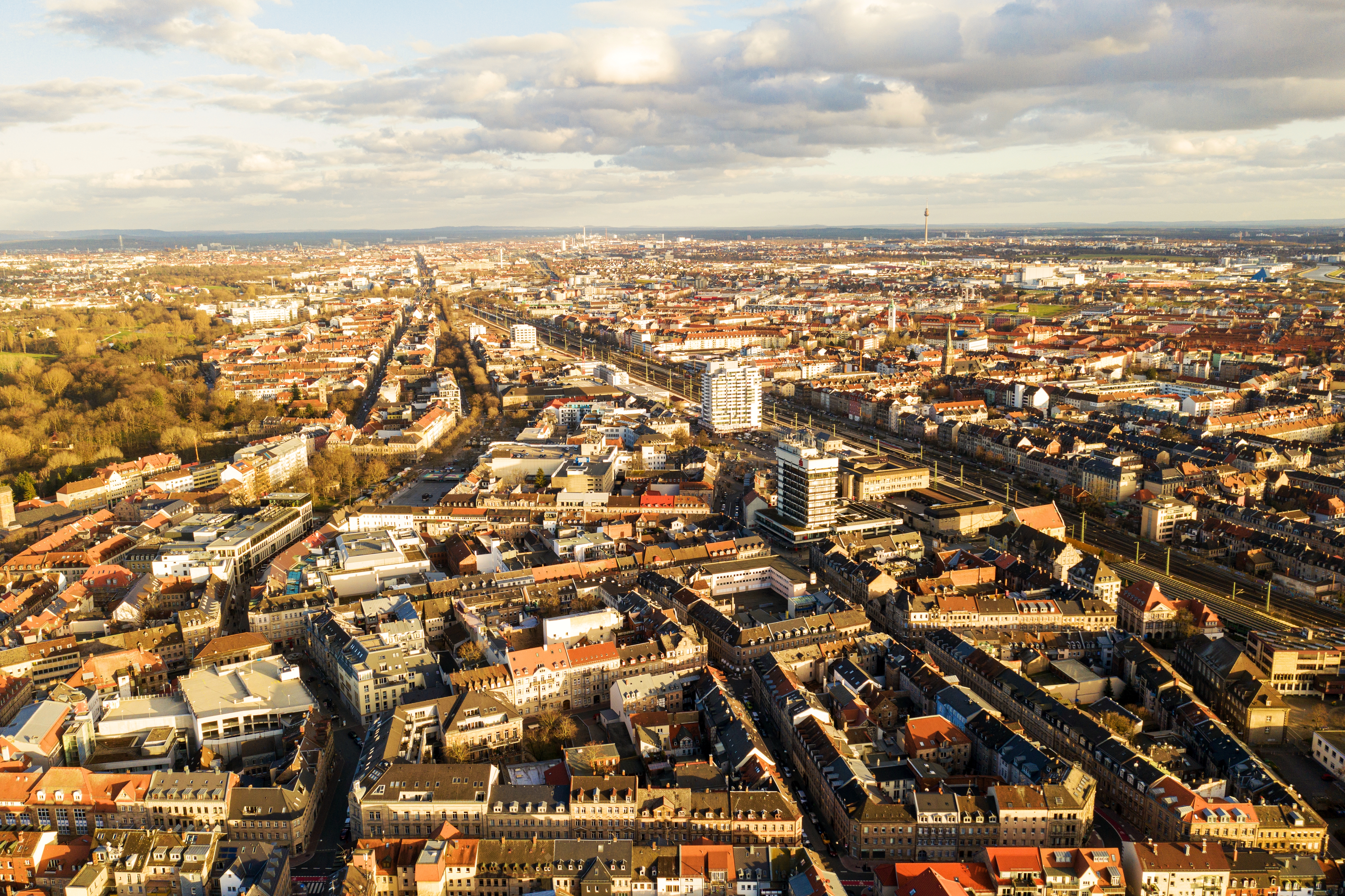 ✦ 81
✦ 81 ✦ 82
✦ 82 ✦ 81
✦ 81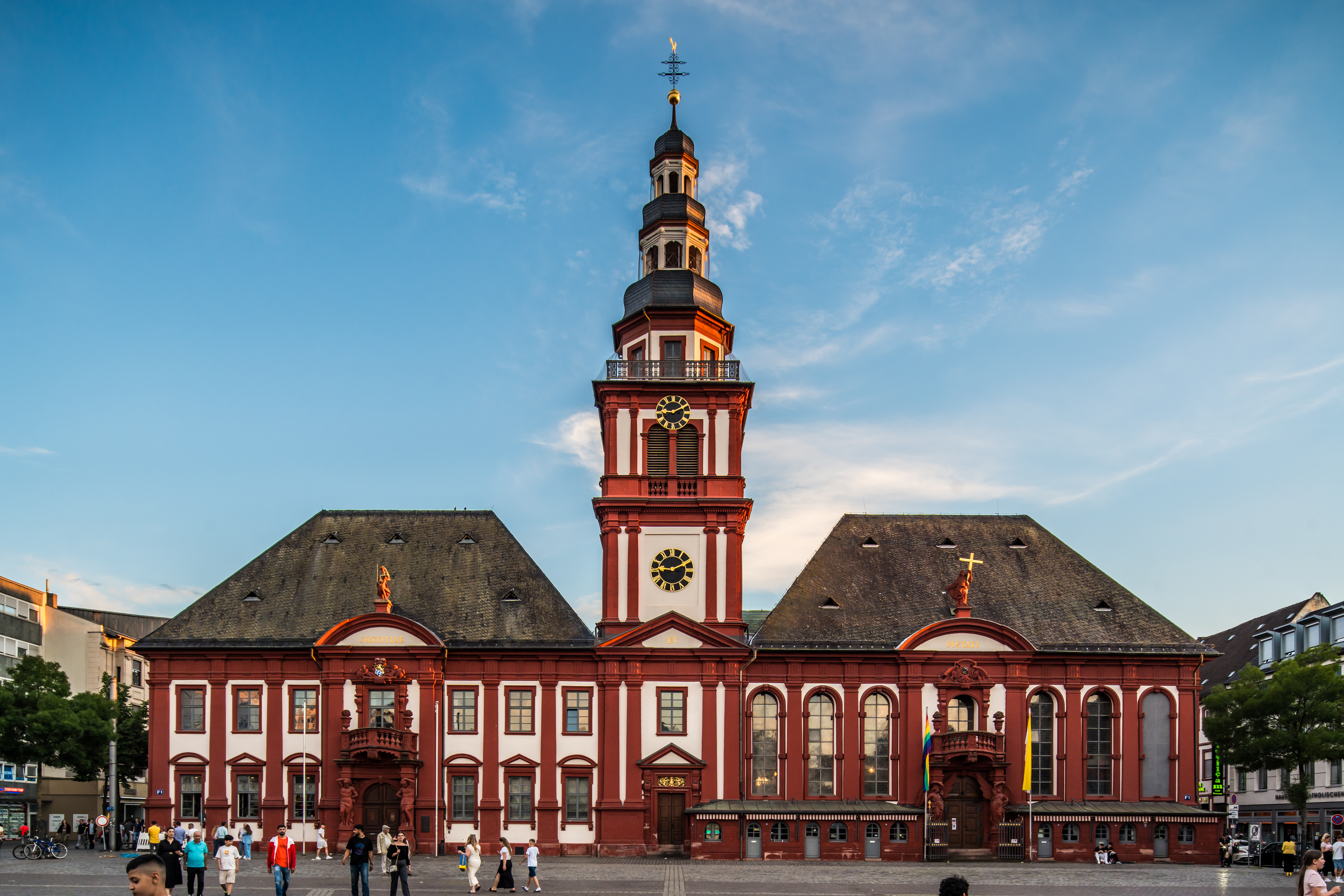 ✦ 85
✦ 85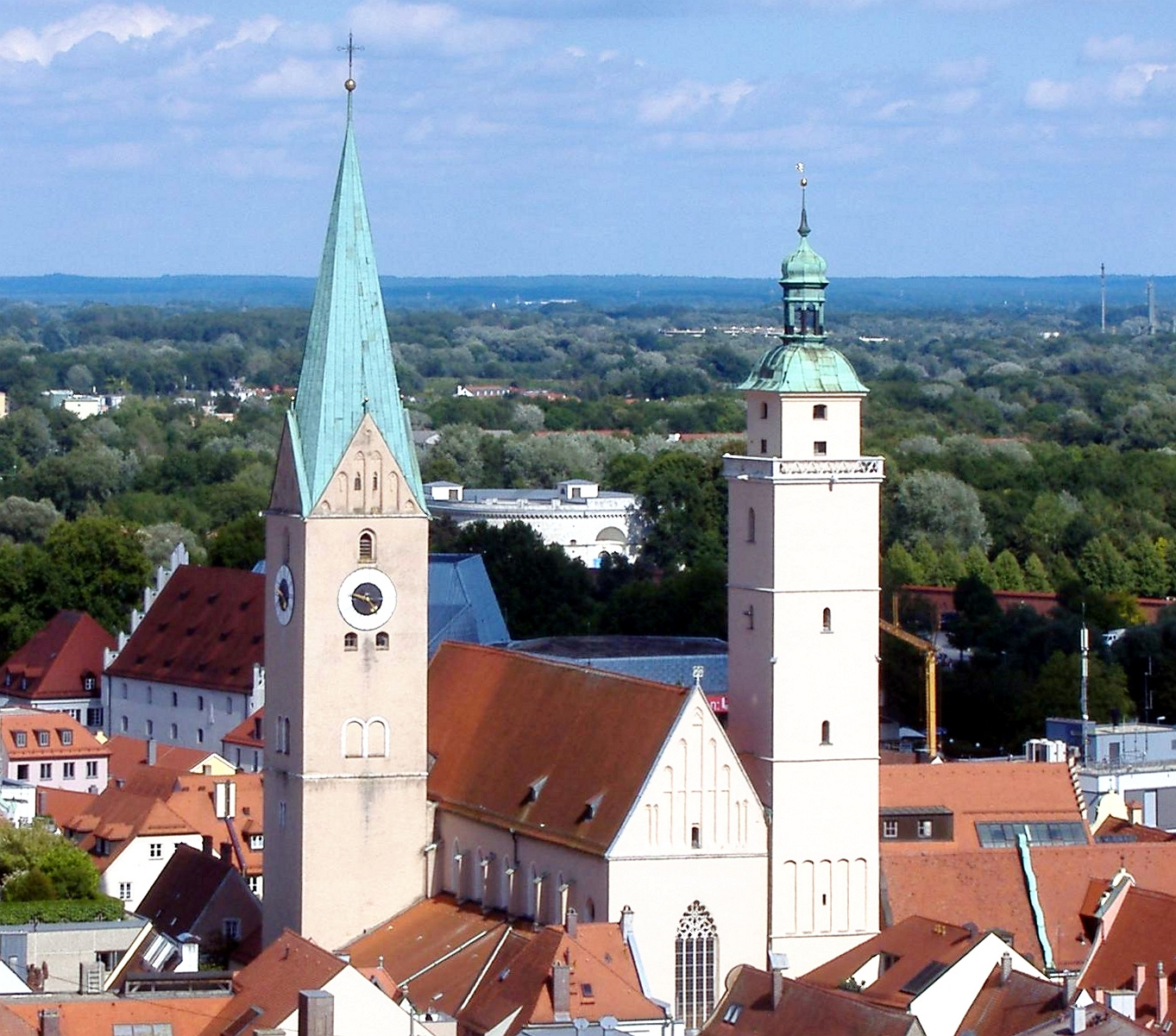 ✦ 84
✦ 84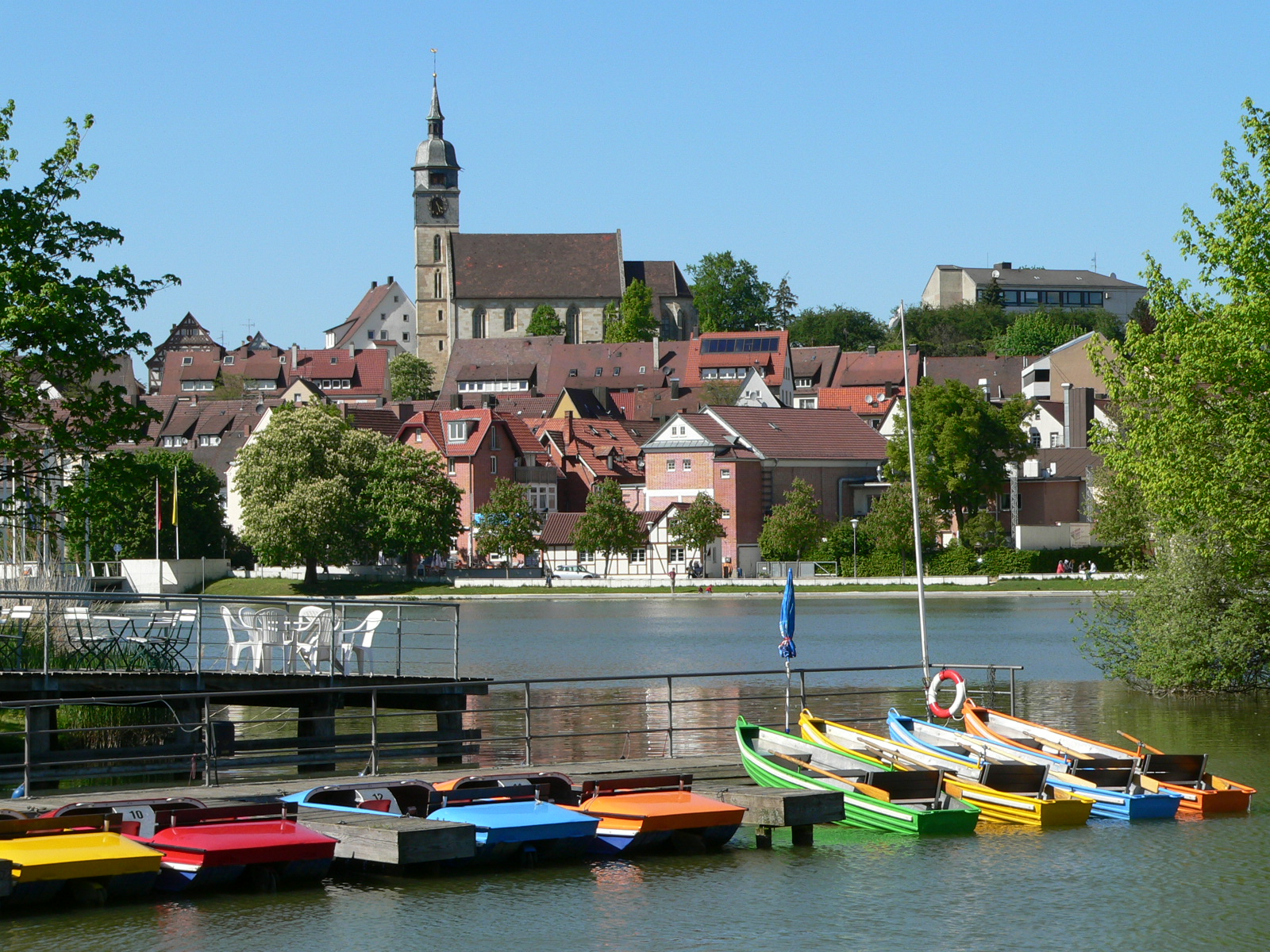 ✦ 82
✦ 82The housing requirement and where it goes wrong
Germany's residence process runs through address registration, the Anmeldung, and this single administrative step derails more freelance applications than almost anything else on the list. You cannot get the residence permit appointment without a registered address, and you cannot register an address without a landlord willing to sign the confirmation form, the Wohnungsgeberbestätigung. In cities with truly tight rental markets, landlords are wary of signing this for someone who doesn't yet have income history in Germany, which creates a chicken-and-egg problem freelancers routinely underestimate.
The workaround people reach for is a short-term sublet or a friend's spare room, and that can work, but only if the person on the actual lease is willing to put their name on the registration paperwork. A verbal arrangement with an Airbnb host is not the same thing, and immigration offices have gotten sharper about spotting registration addresses that look like a mailbox rather than a residence. Some applicants have gotten burned scheduling their permit appointment before the registration certificate actually clears the system, only to show up with an appointment they can't use.
The sequencing that works: secure a lease or sublet with a landlord willing to sign off, register the address, then book the residence permit appointment, not the reverse. Booking slots at busy offices in Berlin or Munich can run weeks out, so building in a buffer between registration and the appointment matters more than most applicants plan for.
After the visa, before the permit
Landing with an entry visa is not the finish line. The actual freelance residence permit gets issued at the local Ausländerbehörde after you arrive, and that appointment is where the freelance case gets tested for real, sometimes with more scrutiny than the original visa application faced. Bring updated client contracts, not the ones from your original application, since caseworkers notice when nothing has moved since the paperwork was filed months earlier.
Once granted, the initial permit runs 18 months, and it's tied specifically to the freelance activity you applied under. This isn't a general work authorization. You can't take a local job on the side without separate permission, so freelancers who assume they can pick up part-time employment in Germany to smooth out income gaps are setting themselves up for a compliance problem they didn't see coming. Renewal, when it comes, requires the same kind of proof the original application did: continued client relationships, tax filings showing real income, and evidence the freelance practice is sustaining itself rather than limping along. Applicants who treat the first 18 months as a settled outcome, rather than a probationary period they'll need to re-justify, tend to scramble when the renewal paperwork comes due.
The long game, and where it gets vague
Every applicant asks the same question eventually: does this lead somewhere permanent. The honest answer is that the freelance permit's path toward long-term settlement depends heavily toward permanent residency after three years of continued renewal, provided the renewal history stays clean, and the criteria for moving beyond it can shift with tax compliance history, income consistency, and how the caseworker at renewal time reads your file. Treat each renewal as its own event requiring a fresh case, not a formality.
What that means practically is that anyone counting on citizenship or permanent residency as a near-certain outcome of this specific visa should build their plans around the renewal requirement itself rather than a projected end date. Tax filings need to be clean every year, not reconstructed retroactively. Income needs to look stable across the full period, not just strong at the moment of each application. People who let their freelance income dip during a slow client season and hope the caseworker won't notice are gambling with a renewal that has real consequences if it fails.
Germany versus the obvious alternative
For a US remote earner deciding between this and a country like Portugal running a digital nomad or D7-style route, the honest framing isn't which is easier, it's which trade-off you can live with. Germany's freelance permit doesn't grant local work rights beyond the freelance activity itself, and it doesn't carry pension income recognition, so retirees or hybrid earners with passive income streams get filtered out at the door. Portugal's remote-income routes tend to be friendlier to that kind of mixed income profile, though the comparison only holds if your income actually fits their categories, and getting that wrong is its own trap.
What Germany offers that's harder to find elsewhere is depth of market. If your freelance work benefits from proximity to German or wider EU clients, or from being inside the time zone and language environment rather than adjacent to it, the freelance permit gets you something a nomad visa in a smaller market doesn't. It's slower, the paperwork is heavier, and the appointment backlog in major cities tests patience. But for someone actually trying to build a European client base rather than just work remotely from a nicer setting, that friction sometimes buys something real.
The decision point isn't lifestyle comfort, it's whether your business model needs European market access badly enough to justify the heavier documentation burden. If it doesn't, the lighter nomad visa routes elsewhere in Europe will get you a similar quality of life with less to prove at the counter.
Work Permissions
Application Steps
- 1
Research
Verify all requirements for this visa type and country
- 2
Gather documents
Obtain all required documents (passport, financial statements, health insurance, etc.)
- 3
Complete application
Fill out the official application form
- 4
Submit application
Submit all documents to the appropriate consulate or online portal
- 5
Pay fees
Complete payment of application and visa fees
- 6
Attend interview
If required, attend any scheduled interviews
- 7
Wait for decision
Processing times vary from weeks to months
- 8
Travel and activate
Once approved, travel to the country and complete any activation requirements
Frequently Asked Questions
Click any question to expand the answer.
Ready to Apply?
Work with trusted visa specialists who handle the paperwork so you can focus on your move.
Get help with this visa →* We may earn a commission if you apply through our link
At a Glance
Last verified: October 9, 2026