Jarabacoa, Dominican Republic Hero Image
Wikipedia Contributor, CC BY-SA

Jarabacoa, Dominican Republic

Data updated Oct 8, 2026

Follows Dominican Republic Residency Rules. Check Digital Nomad & Retiree Pathways →

📊 Scores

83
FIRE
61
Retiree
59
Digital Nomad

Best fit: FIRE / Geoarbitrage (score: 81)

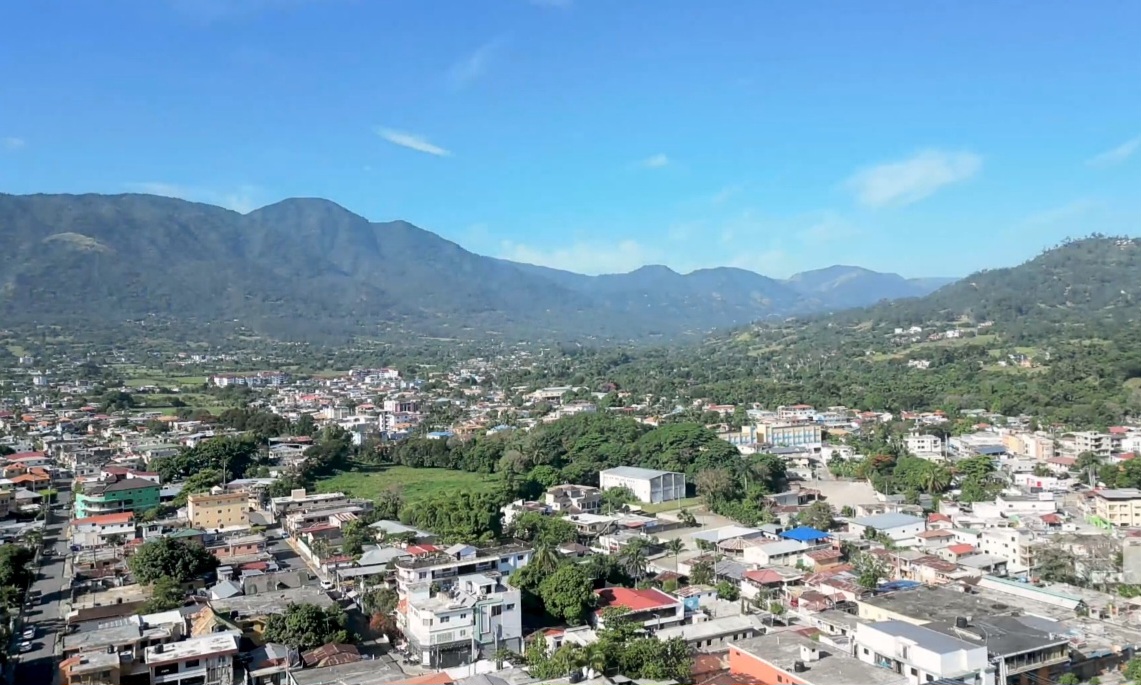
Jarabacoa sits in the Dominican Republic's central highlands, a tropical mountain town at 529 m above sea level where cooler air and pine-covered slopes replace the coastal heat. The climate is tropical, and the setting draws a particular kind of resident: expats who want green scenery, quiet streets, and a slower rhythm than Santo Domingo or the beach towns. The expat community here is small, and newcomers tend to settle in two areas, Mountain Village and Town Center, both of which put daily errands and social life within easy reach. The timezone is America/Santo_Domingo.

Housing is the headline. A one-bedroom apartment in the city center rents for $280/mo, while the same outside the center drops to $200/mo. Three-bedroom units run $540/mo in the center and $380/mo outside it. Utilities add $93/mo, internet $36/mo, and a mobile phone plan $32/mo. A single adult spending outside rent averages $380/mo, and a family of four averages $990/mo. Budget, mid-range, and comfortable tiers for a single adult, rent included, come to $419/mo, $605/mo, and $806/mo. Everyday costs stay low: an inexpensive restaurant meal is $10 per person, a three-course mid-range meal for two is $50, and a cappuccino is $2. The cost of living index is 29/100 against New York City at 100.

Safety leans favorable, with a safety index of 60/100 and a crime index of 40/100, where lower is safer. Air quality registers 45, a number where lower is better. Healthcare quality is rated Fair, which means routine care is available but complex or specialized treatment may require travel. English proficiency is common in tourist areas, so daily interactions are manageable for newcomers who do not yet speak Spanish, though learning the language pays off outside those zones.

For stays, the Dominican Republic Rentista / Pensionado Visa requires a minimum monthly income of $1,500/mo, and the Dominican Republic Digital Nomad Visa requires $2,000/mo. The nearest airport is COZ, 25 km away. With a population of 59 thousand and an average internet speed of 18 Mbps, Jarabacoa suits retirees and FIRE-minded savers drawn by the low costs and mountain setting, while digital nomads and those needing robust connectivity or extensive medical infrastructure may find the fit less ideal.
Estimate the cost of moving to Jarabacoa, Dominican Republic

Get a free moving cost estimate for moving to Jarabacoa, Dominican Republic. Takes 10 seconds.

How much are you shipping?

When are you moving?

Powered by Sirelo. Free quotes from international movers.

🏚️ Cost of Living

💰 Budgets and Costs

$635/mo, one person, rent included
Selected: mid-range lifestyle

Jarabacoa on a mid-range budget comes to about $635 a month for one adult, with $200 of that going to rent. Beyond rent the estimate covers $132 on groceries, $100 on dining out, $42.00 on entertainment and lifestyle and $161 on utilities and connectivity.

Rent

$200/mo

1BR outside the centre

Groceries

$132/mo

Staples basket scaled to a full month

Dining out

$100/mo

10 inexpensive meals

Entertainment & lifestyle

$42.00/mo

2 cinema trips, 12 cappuccinos

Utilities & connectivity

$161/mo

utilities, mobile, internet

Budgets (excl. rent)

Single person$435/mo

Excludes rent. The total above is all-in, rent included.

Estimates for one adult, built from this city's average prices and the usage shown for each tier. Your spending will differ with how often you eat out and where you live.

A 1BR in the center runs about $280/mo. If your income is in another currency, bank FX fees add up. A multi-currency account can cut that cost.

See low-fee transfers

We may earn a commission at no cost to you.

See how Jarabacoa's cost of living compares with Las Terrenas

Be the first to report costs in Jarabacoa

Share

🛡️ Safety & Crime

60
Safety Index

(Higher is safer)

40
Crime Index

(Lower is safer)

Jarabacoa is notably safer than most Dominican cities, with a mountain-town atmosphere that attracts both tourists and expats. Petty theft and opportunistic crime occur but violent crime is relatively uncommon. Avoid displaying valuables, don't walk alone at night in unfamiliar areas, and stay alert in crowded markets. The main risks are pickpocketing and home burglaries rather than street violence. For a 30-65 year-old expat, this is a reasonable choice if you exercise standard precautions—safer than Santo Domingo or Santiago, though not risk-free. Stick to established neighborhoods like the town center and known expat areas.

Jarabacoa has a safety index of 60/100. Petty theft and lost belongings are the most common problems for newcomers. Compare travel insurance before you go.

Compare travel insurance

We may earn a commission at no cost to you.

🏥 Healthcare

Fair
Public Hospitals
Yes
Private Clinics
Yes
English-Speaking Doctors
Limited

See how Jarabacoa's healthcare compares with Las Terrenas

🌤️ Climate

Climate Zones
Tropical
Summer Temp
28°C
Winter Temp
22°C
Humidity
75%
Air Quality Index
45

Best Months

NovDecJanFebMar

Climate Notes

Jarabacoa offers a cooler, subtropical mountain climate year-round due to its 600m elevation, with mild winters (22°C) and warm summers (28°C), making it ideal for expats seeking relief from Caribbean heat while experiencing distinct wet (May-November) and dry (December-April) seasons.

💻 Digital Nomad

Avg Internet Speed
18 Mbps
Internet (monthly)
$36/mo
Coworking Availability
Limited
Coworking Spaces Nearby
0
Digital Nomad Score
59/100

Community Notes

Known for ecotourism, Jarabacoa offers beautiful natural surroundings but limited coworking options.

Coworking Spaces

NameNotes
Coworking JarabacoaA popular independent coworking space in the heart of Jarabacoa, offering a relaxed atmosphere, reliable internet, and a community vibe that's great for expats. It's centrally located, making it easy to access restaurants and other amenities.
Hub JarabacoaHub Jarabacoa is a newer coworking option providing a modern workspace with dedicated desks and private offices. Located near the town center, it's a convenient option for those seeking a more structured work environment with good connectivity.

Names, locations and hours can change. Check each space's website before you visit. Places from © OpenStreetMap contributors and Foursquare Open Source Places (Apache 2.0).

Planning to live in Jarabacoa long-term? Dominican Republic Digital Nomad Visa lets remote workers live legally with a minimum income of $2,000/month.

View full requirements →

Working remotely from Jarabacoa? Nomad health insurance covers you across borders, month to month.

See nomad insurance

We may earn a commission at no cost to you.

See how Jarabacoa's digital nomad life compares with Las Terrenas

🧳 Expat Life

English Proficiency
Common in Tourist Areas
Expat Community
Small
Top Neighborhoods
Mountain Village, Town Centre
Banks Nearby
8
ATMs Nearby
3

Expat Life Notes

A lush, cool mountain town popular for eco-tourism. A favorite for European expats seeking a quieter Dominican lifestyle.

Pros

  • ✓ Cooler climate ('Dominican Alps')
  • ✓ Amazing hiking and rivers
  • ✓ Safe and laid back

Cons

  • ✗ High property demand
  • ✗ Limited services (healthcare)
  • ✗ Isolation from major cities

🏘️ Neighborhoods in Jarabacoa

Areas of Jarabacoa that expats often consider.

Conditions can change from one block to the next, and these descriptions are general guides, not safety assessments. Before choosing where to stay or live, check current travel advisories, talk to people who live there, and visit in person if you can.

Central Jarabacoa

Bustling town center, convenient

The heart of Jarabacoa, offering easy access to shops, restaurants, and transportation. Expect noise and traffic, but also convenience. Many locals and some expats live here, drawn by the central location.

La Colonia

Quiet residential, mountain views

A more upscale residential area on the outskirts of town, known for its larger properties and mountain views. Popular with both Dominican families and expats seeking tranquility. Requires a car for most errands.

Bayacanes

Rural, agricultural, budget-friendly

A more rural area outside of Jarabacoa, offering a glimpse into traditional Dominican life. Housing is more affordable, but amenities are limited. Spanish is essential, and transportation is needed.

Pinar Quemado

Cooler climate, pine forests

Located higher in the mountains, Pinar Quemado offers a cooler climate and beautiful pine forests. It's a popular area for vacation homes and some expats seeking a quieter lifestyle. Expect higher prices and the need for a vehicle.

Page 1 of 2

Could living/working in Jarabacoa cut years off your work life?

With a 1-bedroom in the center at $280/mo, your FIRE number here might be much lower than you think.

Calculate My FIRE Date →

🛂 Visa Options for Dominican Republic

Many long-stay visas require proof of health insurance. Compare international health plans before you apply.

Compare health insurance

We may earn a commission at no cost to you.

🛂

Earning over $1,500/mo? You may qualify for a Dominican Republic visa.

Answer 11 questions and get a personalized match in under 2 minutes.

Find My Visa →

More Cities to Consider instead of Jarabacoa

FAQ

Frequently Asked Questions about Jarabacoa

Click any question to expand the answer.

Jarabacoa has a population of approximately 58,803 people.
A single person can expect to spend around $700 per month in Jarabacoa, including rent. A 1-bedroom apartment in the city center costs approximately $280/month.
The nearest airport to Jarabacoa is COZ, approximately 24.9km away.
Jarabacoa is considered relatively safe, with a safety index of 60.0. As with any city abroad, expats should research specific neighborhoods before committing to a location.
Jarabacoa has an average internet speed of 18 Mbps. It is not yet considered a well-established digital nomad destination.
Internet exists but is inconsistent. Claro and Altice offer 10–30 Mbps plans for $30–50/month, but outages during rain are common. Many remote workers use a backup mobile hotspot. Coffee shops and coworking spaces are limited. If your work demands rock-solid connectivity, test it first or consider Santiago instead.
Rent, food, and transport are 60–70% cheaper than US averages. A comfortable expat budget is $1,000–1,500/month including rent, food, utilities, and occasional travel. Healthcare and imported goods are pricier. Your money goes far, but don't expect luxury—this is rural Dominican living, not expat resort pricing.
For stays longer than 30 days, you'll need a residency visa. Many expats start with a tourist visa and then apply for residency based on retirement income, investment, or employment. A good local lawyer can guide you through the process, which can take several months.
You can find a decent one-bedroom apartment in town for around $300-$500 USD per month. Larger houses with gardens in areas like La Colonia or near the golf course can range from $800-$1500 USD. Prices are negotiable, especially for longer leases.
Healthcare is adequate for routine needs, with several clinics and a small hospital. While not all doctors speak fluent English, some do, and translators are available. For serious medical issues, many expats travel to Santiago or Santo Domingo.
Jarabacoa enjoys a spring-like climate year-round, thanks to its altitude. Expect average daytime temperatures in the 70s and 80s Fahrenheit. It can get chilly at night, especially in the winter months (December-February), and rain is common, keeping everything lush and green.
Public transportation is readily available via 'gua-guas' (small buses) and motoconchos (motorcycle taxis), which are very affordable. However, for exploring the surrounding mountains and waterfalls, having your own car or renting one is highly recommended.
Jarabacoa has a small but growing expat community, primarily retirees and digital nomads. You'll find most expats are welcoming and connect through social media groups and local events. It's not as large as other expat hubs in the DR, like Las Terrenas.
La Colonia is popular for its proximity to town and established homes. For a more rural setting, look at communities further out towards the mountains. El Salto Baiguate area offers stunning views but requires a vehicle.
A single retiree can live comfortably on $1500-$2000 USD per month, covering rent, groceries, utilities, and some entertainment. Couples should budget around $2500-$3500 USD. This allows for a decent lifestyle without extreme frugality.
Several banks operate in Jarabacoa, including Banco Popular and Banreservas. International money transfers are possible through services like Wise (formerly TransferWise) or Xoom, but be aware of fees. ATMs are available but may have withdrawal limits.
Local cuisine features rice, beans, meat (especially chicken and pork), and plantains. Eating at local 'comedores' is very affordable, with meals costing $3-$5 USD. Restaurants catering to tourists are pricier, but still cheaper than in the US.
While some locals speak English, especially in tourist-oriented businesses, knowing Spanish is essential for daily life. Expect to encounter situations where English isn't spoken, so learning basic Spanish phrases will greatly improve your experience.
Yes, Jarabacoa's lower cost of living makes it attractive for FIRE enthusiasts. A passive income that might feel tight in the US can provide a comfortable lifestyle here. However, research local investment opportunities carefully before committing funds.
As a US citizen, you're still required to file US taxes even when living abroad. The Foreign Earned Income Exclusion (FEIE) can help you exclude a certain amount of your foreign-earned income from US taxes. Also, be aware of FBAR and FATCA reporting requirements for foreign bank accounts.
Coworking spaces are limited in Jarabacoa, but some cafes offer decent Wi-Fi and a comfortable atmosphere for working. Check out local spots like Cafe Colao or find smaller, quieter cafes slightly outside the main town center.

Share This Guide