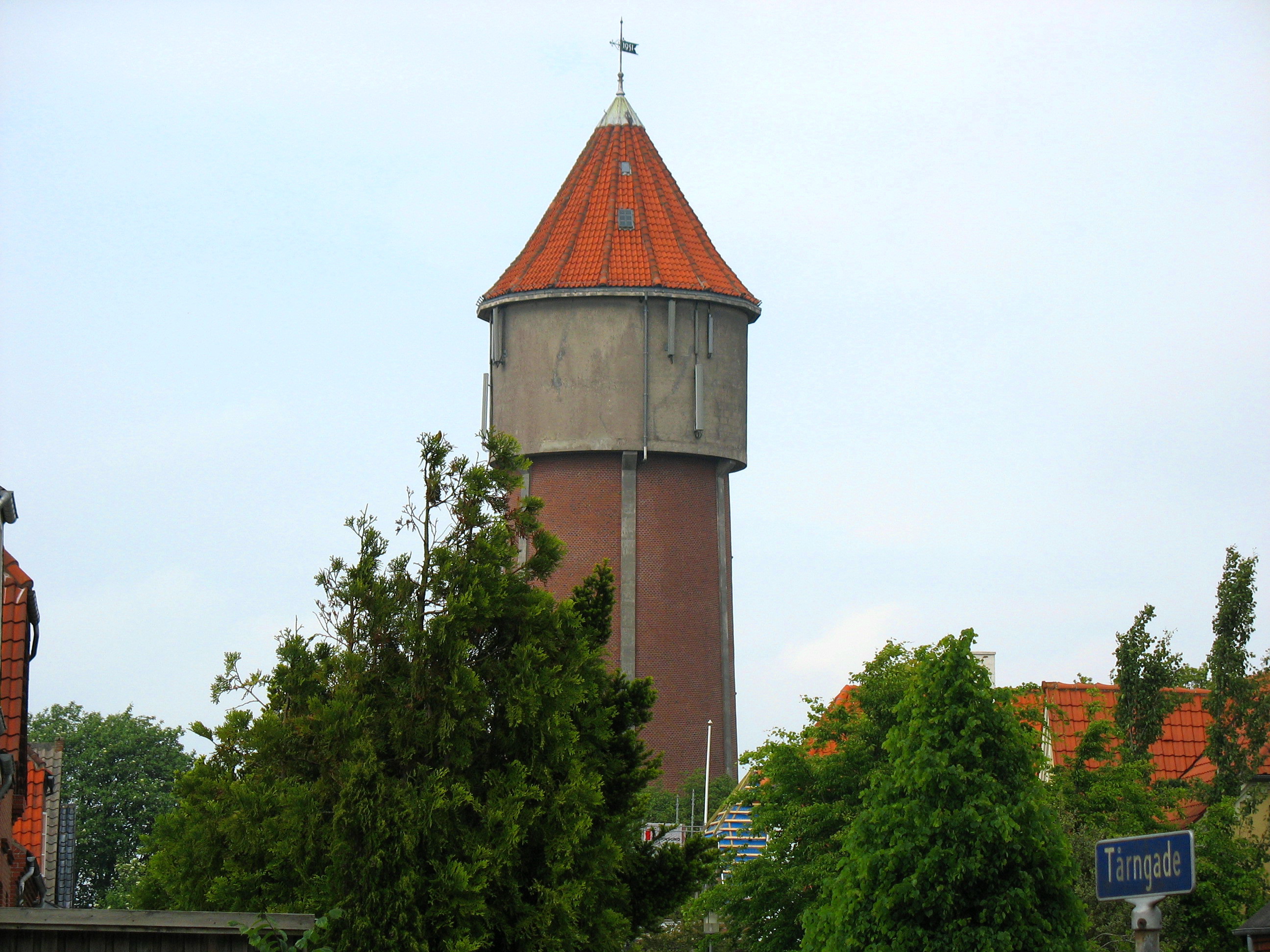
Struer sits in western Denmark at just 45 m above sea level, a small town of 10 thousand people in the Europe/Copenhagen timezone with a temperate climate that brings mild summers and cool, gray winters. Expats who settle here tend to gravitate toward the harbor area, the one neighborhood that consistently draws newcomers and gives the town a modest international thread. The scale is intimate, the pace unhurried, and the waterfront shapes daily life for many residents.
Renting a 1-bedroom apartment in the city center runs $750/mo, while the same unit outside the center drops to $555/mo. A 3-bedroom in the center costs $1,500/mo, and outside the center it falls to $1,110/mo. Utilities add $134/mo, internet $22/mo, and a mobile phone plan $16/mo. A single person spending outside rent averages $850/mo, a monthly public transport pass is $63/mo, and a gym membership is $40/mo. Meals out range from $18 at an inexpensive restaurant to $51 for a three-course mid-range dinner for two, with a cappuccino at $5. Against those costs, the average monthly net salary locally is $4,801/mo, and budget, mid-range, and comfortable tiers for a single adult come to $792/mo, $1,237/mo, and $1,639/mo respectively.
Safety is a strong point, with a safety index of 85/100 and a crime index of just 15/100. Air quality sits at 35 on the index, and healthcare quality is rated excellent. The combination gives residents a sense of calm and reliable access to medical care, which matters for anyone planning a long stay.
Visas follow the standard national routes, and the nearest airport is KRP, only 6 km away. Internet averages 95 Mbps, English proficiency is limited, the expat community is small, and the overall expat score is 81/100. FIRE scores 83/100, retirees 76/100, and digital nomads 68/100. Struer suits savers, early retirees, and remote workers who want low rent, short commutes, and a quiet harbor town over a big-city social scene.