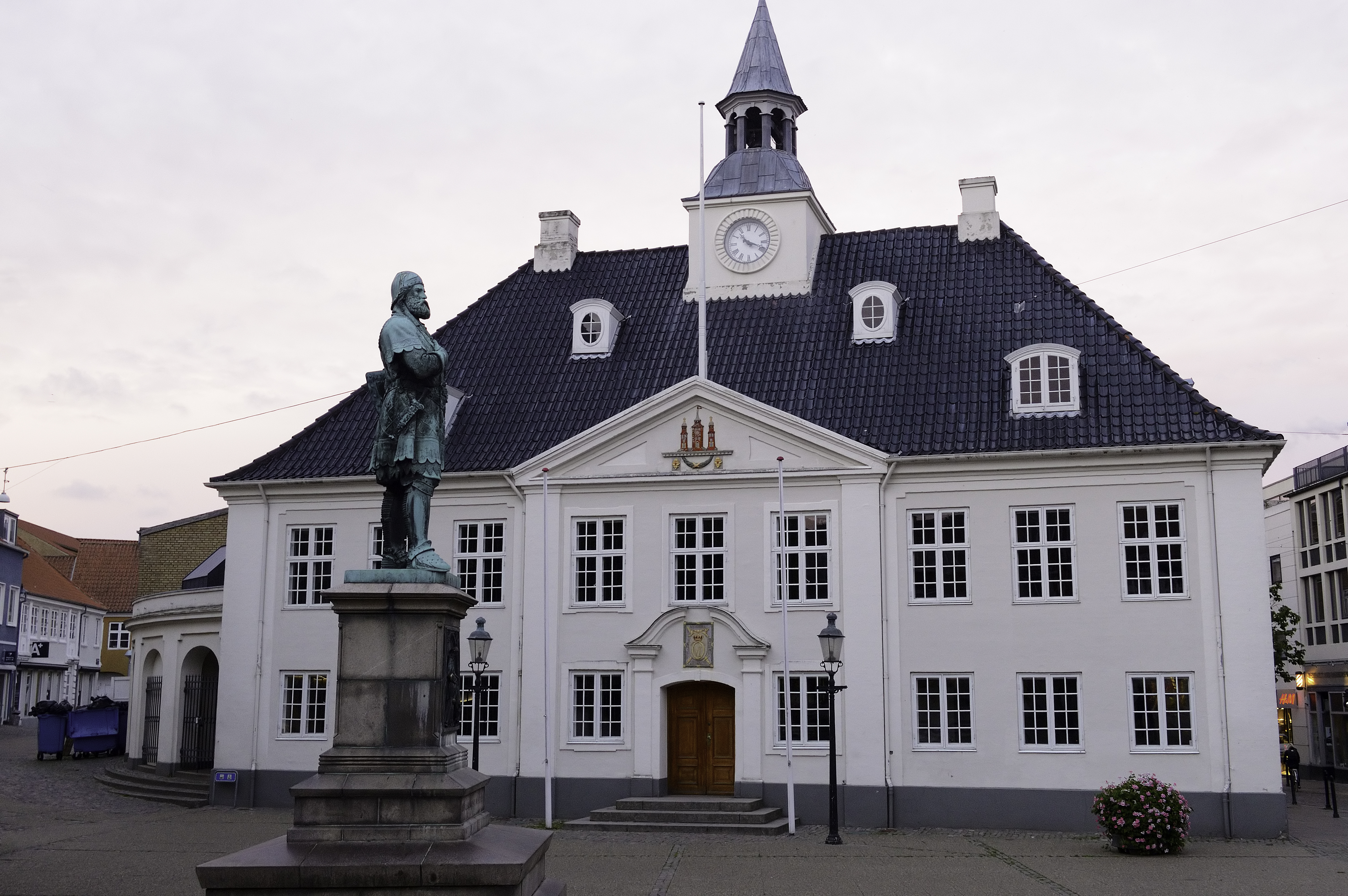
Randers sits in eastern Jutland, a compact city of 65 thousand people where the Guden River meets flat, green countryside at just 13 m above sea level. The climate is temperate, with mild summers and cool winters that rarely turn severe, and the Europe/Copenhagen timezone keeps daily rhythms aligned with the rest of Denmark. Expats tend to settle in Dronningborg and Kristrup, two residential areas that offer quieter streets, easy access to schools and shops, and a straightforward commute into the center. The city's small expat community means newcomers often build their social circles through work, local clubs, and neighbors rather than through a large international network.
Living costs here land well below what you would pay in Copenhagen or Aarhus. A one-bedroom apartment in the city center runs $750/mo, while the same outside the center drops to $638/mo. Three-bedroom units go for $1,238/mo centrally and $975/mo elsewhere. Monthly utilities average $182/mo, internet $37/mo, and a mobile phone plan $11/mo, with a gym membership at $45/mo. A single adult can expect total monthly costs of $902/mo on a budget, $1,428/mo mid-range, or $1,795/mo comfortable, with rent included in each figure. Excluding rent, a single person spends about $1,150/mo and a family of four about $3,900/mo. Everyday extras stay reasonable: an inexpensive restaurant meal is $21 per person, a three-course mid-range dinner for two is $90, and a cappuccino is $5. Against an average monthly net salary of $3,301/mo and a cost of living index of 73/100, Randers offers a workable balance between income and expenses.
Safety is one of the city's strongest selling points. The safety index stands at 85/100, with a crime index of just 15/100, so walking home after dark or leaving a bike unlocked outside a cafe feels far less risky than in larger European cities. Air quality is good, with an index of 35, and healthcare quality is rated excellent, meaning residents have access to dependable medical care without the long waits or high out-of-pocket costs common in some countries. Internet speeds average 150 Mbps, which supports remote work, streaming, and video calls without frustration.
Visas follow Denmark's national rules, and the specific path depends on your citizenship, work situation, or family ties, so checking official requirements early is essential. The nearest airport is Aarhus Airport (AAR), only 6 km away, making weekend trips and international connections unusually convenient for a city of this size. English is common in tourist areas, though daily life rewards a few Danish phrases. With an overall expat score of 69/100, a FIRE score of 71/100, a retiree score of 70/100, and a digital nomad score of 71/100, Randers suits remote workers, early retirees, and anyone seeking a low-cost, safe Danish base with a small, close-knit international scene.