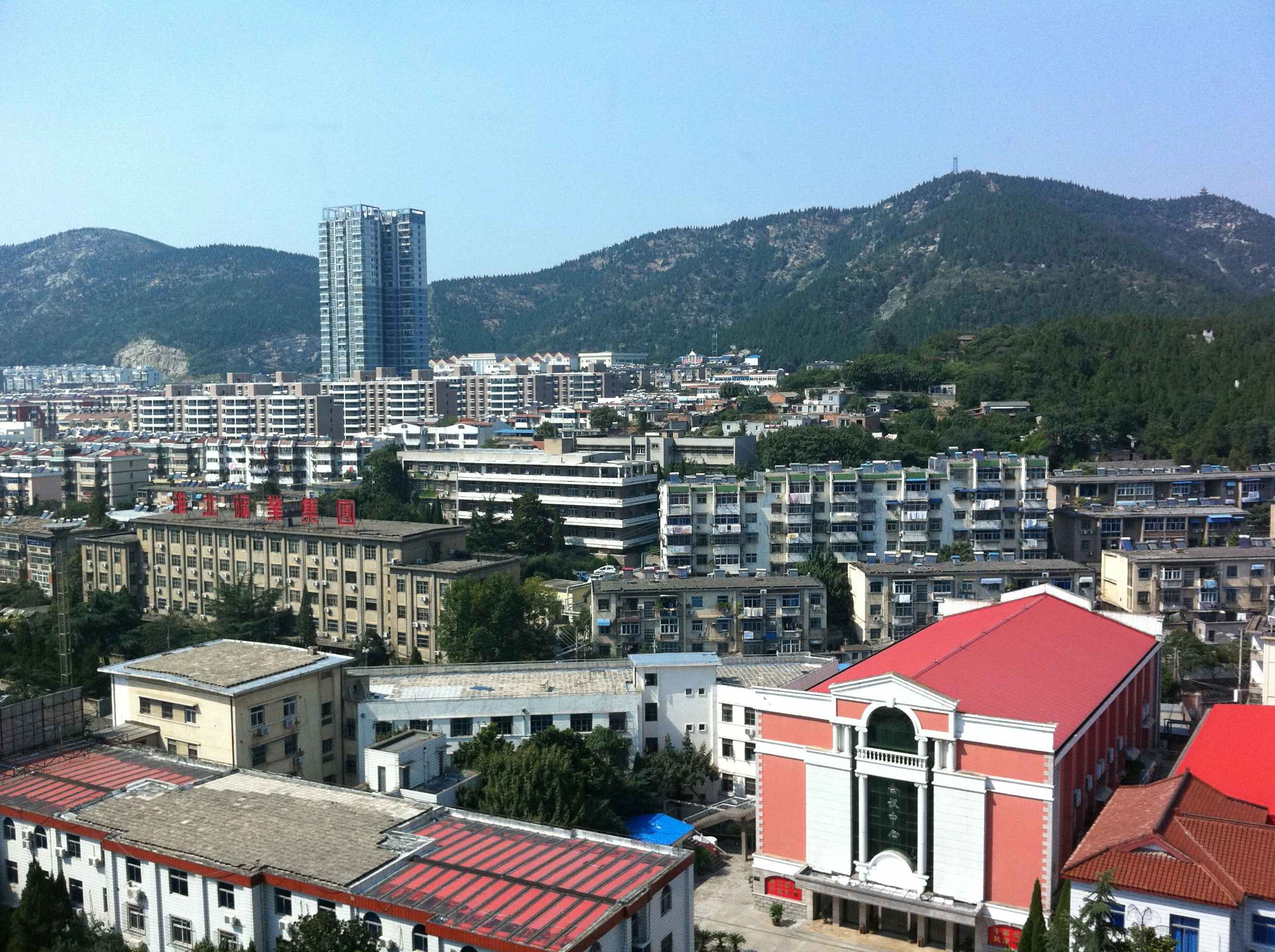
Huaibei sits in the subtropical climate zone of eastern China, at an elevation of 30 meters above sea level. The city is home to about 2 million people, and while it may not be on the typical expat radar, it offers a genuine slice of Chinese urban life. Expats who do settle here tend to gravitate toward Xiangshan District, which has become the informal hub for the small but welcoming foreign community. The pace is unhurried, the seasons are distinct, and the city's layout makes it easy to navigate once you learn the rhythms of the neighborhood.
Estimate the cost of moving to Huaibei, China
Get a free moving cost estimate for moving to Huaibei, China. Takes 10 seconds.
How much are you shipping?
When are you moving?
Powered by Sirelo. Free quotes from international movers.
🏚️ Cost of Living
A 1BR in the center runs about $250/mo. If your income is in another currency, bank FX fees add up. A multi-currency account can cut that cost.
Huaibei is a relatively safe Chinese industrial city with low violent crime rates typical of inland China. Petty theft and scams targeting foreigners exist but are uncommon. Main concerns for expats include navigating language barriers in emergencies, limited English-language medical facilities, and standard China-specific issues like air quality and internet restrictions. Avoid displaying wealth openly. The city lacks the cosmopolitan expat infrastructure of Shanghai or Beijing, which may complicate daily life more than safety concerns. Overall, it's a secure choice for those comfortable with China's regulatory environment and willing to adapt to a smaller, less international setting.
Huaibei has a humid subtropical climate with hot, humid summers (June-August) and cold, dry winters (December-February), featuring distinct seasonal changes and moderate air quality concerns.
💻 Digital Nomad
Avg Internet Speed
50 Mbps
Internet (monthly)
$7/mo
Coworking Availability
Moderate
Coworking Spaces Nearby
0
Digital Nomad Score
71/100
Community Notes
Huaibei is seeing growth in digital infrastructure but still has a localized scene.
Regus offers a reliable and professional coworking environment in Huaibei. It's a good option for expats seeking a familiar international brand with standard amenities and services, likely located in the central business district.
While direct Ucommune locations may be limited, they often partner with local spaces. Check their website for partner locations in Huaibei. These spaces typically offer a modern, tech-focused environment suitable for digital nomads.
See how Huaibei's digital nomad life compares with Shaowu
🧳 Expat Life
English Proficiency
Limited
Expat Community
Small
Top Neighborhoods
Xiangshan District
Banks Nearby
1
ATMs Nearby
0
Expat Life Notes
Huaibei is a coal-mining city in Anhui. Its expat population is extremely small and technically focused.
Pros
✓ Very inexpensive
✓ Developing infrastructure
Cons
✗ Industrial feel
✗ Lack of English
✗ Poor air quality
🏘️ Neighborhoods in Huaibei
Areas of Huaibei that expats often consider.
Conditions can change from one block to the next, and these descriptions are general guides, not safety assessments. Before choosing where to stay or live, check current travel advisories, talk to people who live there, and visit in person if you can.
Xiangshan District (中心区)
Bustling, commercial, city center
The heart of Huaibei, Xiangshan District offers the most amenities and shopping. While not specifically expat-focused, it's convenient for accessing services. Expect noise and crowds, but good public transit.
Dushan (杜山)
Residential, green, slightly quieter
Located near Dushan National Forest Park, this area offers a more relaxed atmosphere. It's primarily residential, with fewer shops and restaurants than the city center. Requires some Chinese language skills to navigate.
Gaoyue Economic Development Zone (高岳经济开发区)
Modern, industrial, developing area
A newer area focused on industry and development. While not particularly charming, it may offer more modern apartments at lower prices. Limited English spoken and fewer amenities geared towards foreigners.
Lieshan District (烈山区)
Older, local, budget-friendly
Lieshan is a more established district with a strong local feel. It's a good option for budget-conscious expats willing to immerse themselves in Chinese culture. Expect older buildings and limited English.
Suixi County (濉溪县)
Rural, agricultural, very local
Located outside the main city, Suixi offers a truly authentic Chinese experience. It's very rural and agricultural, with limited amenities and virtually no English spoken. Only suitable for adventurous expats seeking complete immersion.
Page 1 of 2
Could living/working in Huaibei cut years off your work life?
With a 1-bedroom in the center at $250/mo, your FIRE number here might be much lower than you think.
Huaibei has a population of approximately 1,970,265 people.
A single person can expect to spend around $625 per month in Huaibei, including rent. A 1-bedroom apartment in the city center costs approximately $250/month.
The nearest airport to Huaibei is HGH, approximately 537km away.
Huaibei is considered relatively safe, with a safety index of 75.0. As with any city abroad, expats should research specific neighborhoods before committing to a location.
Huaibei has an average internet speed of 50 Mbps. It is considered a well-established digital nomad destination.
Effectively no. Huaibei has no meaningful expat community, no international schools, and no English-language services. Foreign residents are almost exclusively here on industry-specific work assignments, typically in mining or energy sectors.
Not comfortably. English is rarely spoken outside of any university context, and signage, menus, and official processes are Chinese-only. Basic Mandarin or a reliable translation app is essential for daily life.
It's among the cheapest in China. A one-bedroom apartment runs roughly ¥1,200–1,800/month ($165–$250), local meals cost ¥15–30, and transport is minimal. The tradeoff is limited amenities and no international goods infrastructure.
Huaibei has a monsoon-influenced humid subtropical climate. Expect hot, humid summers and cold, relatively dry winters. Spring and autumn are short but pleasant, so pack layers and be prepared for seasonal changes.
Huaibei is generally considered a safe city with a low crime rate compared to larger Chinese metropolises. Petty theft can occur, especially in crowded areas, so be mindful of your belongings. Violent crime is rare, but it's always wise to exercise normal precautions.
For expats, the Xiangshan District is often recommended due to its central location and access to amenities. The Duhuai Road area also has newer apartments and is close to shopping and dining. Consider your budget and lifestyle when choosing a neighborhood.
Internet speed in Huaibei is generally reliable and fast enough for most remote work tasks. You can expect download speeds of 50-100 Mbps, which is sufficient for video conferencing and streaming. Check with your landlord or internet provider for specific details.
Coworking spaces are not as prevalent in Huaibei as in larger cities like Beijing or Shanghai. However, some business centers and cafes offer shared workspace options. It's best to inquire locally upon arrival to find the most up-to-date information.
Opening a bank account in Huaibei as a foreigner can be challenging but is possible with the right documentation. You'll typically need your passport, visa, and proof of address. Bank of China and Industrial and Commercial Bank of China (ICBC) are common choices.
As a US citizen living in Huaibei, you're still required to file US taxes annually. You may be eligible for the Foreign Earned Income Exclusion (FEIE) or the Foreign Tax Credit, which can reduce your tax liability. Consult with a tax professional specializing in expat taxes.
Healthcare in Huaibei is generally adequate, but the quality may not be on par with Western standards. Public hospitals are available, but English-speaking doctors may be limited. Consider purchasing international health insurance for broader coverage and access to private facilities if needed.
Yes, Huaibei's low cost of living makes it a viable option for retirees looking to stretch their Social Security income. A monthly budget of $1,500-$2,000 USD could provide a comfortable lifestyle, covering rent, food, and basic expenses.
Public transportation in Huaibei is affordable and convenient. Buses are the primary mode of transport, and taxis are readily available. Consider learning some basic Mandarin phrases to facilitate communication with drivers. Bike sharing is also becoming increasingly popular.
For long-term remote work in Huaibei, you'll likely need a business visa (M visa) or a work visa (Z visa) sponsored by a local company. The requirements can be complex, so consult with a visa agency or the Chinese embassy for the most accurate information. Tourist visas are not suitable for long-term stays or work.
You can transfer money to Huaibei using services like Wise (formerly TransferWise), Remitly, or Xoom. Check the exchange rates and fees before making a transfer. Alternatively, you can use a traditional bank transfer, but this may incur higher fees.
Huaibei cuisine is part of the Anhui culinary tradition, featuring hearty dishes with a focus on fresh, local ingredients. Expect plenty of stews, braised meats, and tofu dishes. Street food is abundant and affordable, offering a taste of local flavors.
Yes, be prepared for cultural differences such as a more collectivist society, emphasis on 'face' (saving face), and indirect communication styles. Learning some basic Mandarin and showing respect for local customs will go a long way in building positive relationships.
Cost-of-living and visa updates for Huaibei and the rest of China. Free with RA Postcards.
By submitting your email address, you will receive a free subscription to RA Postcards and special offers from Rewire Abroad and our affiliates. You can unsubscribe at any time, and we encourage you to read more about our Privacy Policy.