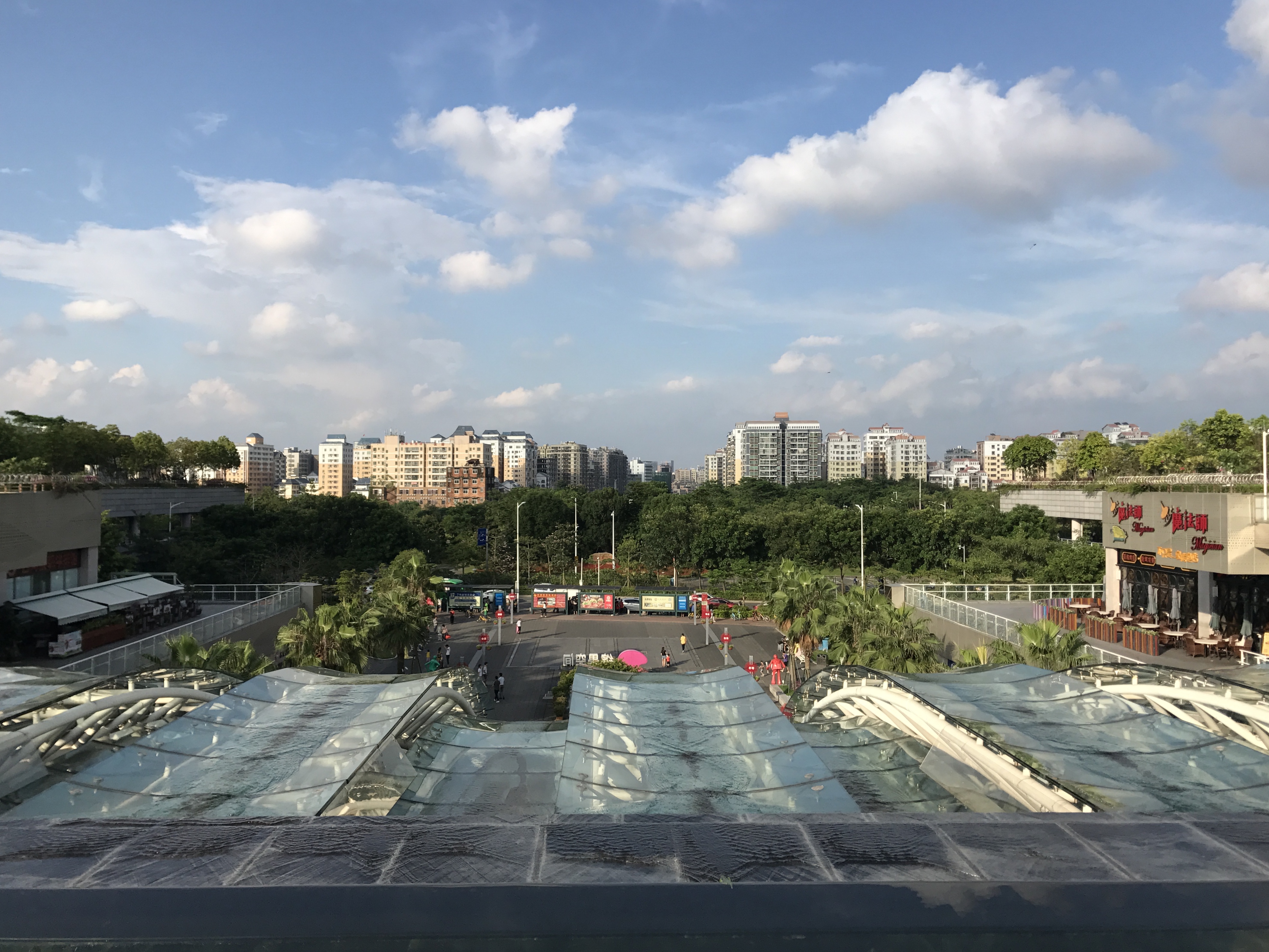
Guanhu, China, sits at an elevation of 60 meters above sea level in a subtropical climate zone, with a population of 1.5 million. The city operates on Asia/Shanghai time and is located 21 kilometers from Shenzhen Bao'an International Airport (SZX). Expats tend to settle in the Guanhu Sub-district residential compounds, which form a medium-sized expat community. English proficiency in the city is limited, but the overall expat score of 85 out of 100 reflects a generally favorable experience.
Living costs in Guanhu are reasonable for a city of its size. A single adult on a budget can expect total monthly expenses of $1,100, including rent, while a comfortable lifestyle runs about $3,000 per month. Excluding rent, a single person's monthly costs average $550. Rental prices vary by location: a one-bedroom in the city center costs $600 per month, compared to $450 outside the center. Three-bedroom apartments run $1,200 per month in the center and $900 outside the center.
Safety in Guanhu is solid, with a safety index of 70 out of 100 and a crime index of 30 out of 100 (lower is safer). The air quality index stands at 72 (lower is better), and healthcare quality is rated as good. These factors contribute to a retiree score of 71 out of 100 and a FIRE score of 87 out of 100, making the city attractive for those focused on financial independence and early retirement.
Getting to Guanhu is straightforward via Shenzhen Bao'an International Airport (SZX), located 21 kilometers away. Visa options are available for long-term stays, though specific program names are not listed here. With an average internet speed of 80 Mbps and a digital nomad score of 77 out of 100, Guanhu suits remote workers, retirees, and expats seeking a balanced, affordable lifestyle in a subtropical setting.
Estimate the cost of moving to Guanhu, China
Get a free moving cost estimate for moving to Guanhu, China. Takes 10 seconds.
How much are you shipping?
When are you moving?
Powered by Sirelo. Free quotes from international movers.
🏚️ Cost of Living
A 1BR in the center runs about $600/mo. If your income is in another currency, bank FX fees add up. A multi-currency account can cut that cost.
Guanzhou is a relatively safe city for expats with a strong police presence and low violent crime rates typical of major Chinese urban centers. Petty theft and scams targeting foreigners occur occasionally—watch for taxi overcharging, counterfeit goods, and online fraud. Avoid displaying expensive items and use registered taxis or ride-sharing apps. The main concern is navigating bureaucratic complexity around visas and residency rather than personal safety. Overall, it's a secure choice for remote workers and retirees, though cultural adjustment and language barriers require preparation.
Guanhu experiences a humid subtropical climate with hot, wet summers (June-August) and cold, dry winters (December-February), typical of central China's seasonal variation.
💻 Digital Nomad
Avg Internet Speed
80 Mbps
Coworking Availability
Abundant
Coworking Spaces Nearby
0
Digital Nomad Score
77/100
Community Notes
Guanhu has many coworking options and is well-connected due to proximity to Shenzhen.
URWork offers a modern, tech-focused environment. Located in the Guanghua area, it's a good option for those seeking a professional atmosphere with networking opportunities, and is likely to have English-speaking staff.
MyDreamPlus provides a stylish and comfortable workspace. Situated in Guanghua, it's known for its design and community events, making it suitable for expats looking to connect with local professionals.
Atlas Workplace offers premium coworking spaces with high-end amenities. Located in a central Guanghua location, it's ideal for those who value a sophisticated work environment and convenient access to business services.
See how Guanhu's digital nomad life compares with Wujing
🧳 Expat Life
English Proficiency
Limited
Expat Community
Medium
Top Neighborhoods
Guanhu Sub-district residential compounds
Banks Nearby
0
ATMs Nearby
0
Expat Life Notes
Guanhu is a sub-district in Longhua, Shenzhen. It is a hub for technology and high-end manufacturing, hosting a decent number of international engineers and managers.
Pros
✓ Modern infrastructure
✓ Tech-heavy economy
✓ Shenzhen standard of living
Cons
✗ Lacks the lifestyle of Nanshan/Shekou
✗ Industrial traffic
✗ Expensive
🏘️ Neighborhoods in Guanhu
Areas of Guanhu that expats often consider.
Conditions can change from one block to the next, and these descriptions are general guides, not safety assessments. Before choosing where to stay or live, check current travel advisories, talk to people who live there, and visit in person if you can.
Yuhua District
Modern, commercial, convenient living
Yuhua is a relatively new and modern district with plenty of shopping malls, restaurants, and entertainment options. It's popular with young professionals and families. While not exclusively expat-focused, the abundance of amenities and developing infrastructure make it easier for foreigners to adapt. Public transport is good, but traffic can be heavy.
Qiaoxi District
Historic, cultural, local experience
Qiaoxi is one of the older districts, offering a more authentic Chinese experience. It's home to historical sites and traditional markets. While cheaper, language barriers and a less developed infrastructure might make it challenging for some expats. It's a good choice for those seeking deeper cultural immersion.
Chang'an District
Business, upscale, international influence
Chang'an is the central business district, with many international companies and hotels. Expect higher prices but also better access to international services and amenities. It's relatively expat-friendly, with some English spoken in commercial areas. Good public transportation, but can be crowded.
Xinhua District
Residential, quiet, family-oriented
Xinhua is primarily a residential area, offering a quieter lifestyle. It's popular with families and retirees. While less developed for tourism, it provides a more authentic glimpse into local life. Language skills are essential here, and public transport is adequate but not extensive.
Gaocheng District
Suburban, affordable, developing area
Gaocheng is a more suburban district, located further from the city center. Rent is significantly cheaper, but it requires longer commutes. It's undergoing development, but amenities are still limited. Best suited for those on a tight budget and willing to adapt to a less developed environment. Language skills are a must.
Luquan District
Industrial, developing, budget-conscious
Luquan is primarily an industrial district, with a focus on manufacturing and logistics. It's the most affordable option, but lacks many amenities and has limited public transport. Not recommended for expats seeking comfort or convenience. Strong Mandarin skills are essential.
Page 1 of 2
Could living/working in Guanhu cut years off your work life?
With a 1-bedroom in the center at $600/mo, your FIRE number here might be much lower than you think.
Guanhu has a population of approximately 1,466,331 people.
A single person can expect to spend around $1,500 per month in Guanhu, including rent. A 1-bedroom apartment in the city center costs approximately $600/month.
The nearest airport to Guanhu is SZX, approximately 20.6km away.
Guanhu is considered relatively safe, with a safety index of 70.0. As with any city abroad, expats should research specific neighborhoods before committing to a location.
Guanhu has an average internet speed of 80 Mbps. It is considered a well-established digital nomad destination.
Metro Lines 13 and 21 connect Zengcheng to central Guangzhou, but the journey to major hubs like Tianhe takes 60–90 minutes each way. It's workable for occasional trips but tiring as a daily commute.
Technically yes, but it's genuinely difficult. English is rarely spoken outside the international school campuses. Basic Mandarin is essential for healthcare, bureaucracy, and daily errands. Cantonese is the local default.
Teaching at international schools like Utahloy or Fettes College Guangzhou is the most common path. University English teaching positions exist at the district's several colleges. Beyond that, most foreign residents work remotely for companies outside China.
Guanhu has a humid subtropical climate with hot, humid summers and mild, relatively dry winters. Pack light, breathable clothing for summer and layers for winter, including a light jacket. Expect occasional typhoons during the late summer and early fall.
Guanhu is generally considered safe, with low levels of violent crime. Petty theft, like pickpocketing, can occur in crowded areas, so be mindful of your belongings. The industrial areas on the outskirts can feel a bit rougher, but are unlikely to pose a direct threat.
For budget-conscious expats, consider areas like Xintang or Yongning, which offer more affordable housing options compared to the city center. These areas are well-connected by public transport and have a good selection of local restaurants and shops.
Internet speed in Guanhu is generally excellent, with widespread access to high-speed fiber optic connections. You can easily find internet packages offering speeds of 100 Mbps or more, making it suitable for remote work and video conferencing.
While Guanhu doesn't have a huge number of dedicated coworking spaces like you'd find in Guangzhou, many cafes offer reliable Wi-Fi and a comfortable working environment. Check out cafes near Wanda Plaza or in the more modern residential complexes.
Opening a bank account in Guanhu requires your passport, visa, and proof of address (such as a rental agreement). The process can be a bit bureaucratic, and it's helpful to have a local friend or translator assist you. Major banks include Bank of China, ICBC, and China Construction Bank.
As a US citizen, you're still required to file US taxes even when living abroad. You may be able to exclude a significant portion of your income using the Foreign Earned Income Exclusion (FEIE) or claim the Foreign Tax Credit. Consult with a tax professional specializing in expat taxes.
Healthcare in Guanhu is improving, but finding English-speaking doctors can be challenging. Larger hospitals, like Zengcheng People's Hospital, may have some English-speaking staff. Private international clinics in Guangzhou are an option for more comprehensive care, though it requires travel.
Guanhu offers a slower, more relaxed pace of life compared to bustling US metropolises. While it's still a busy city, there's less of a constant rush, and people tend to take more time for meals and socializing.
Guanhu's lower cost of living allows you to stretch your pension or Social Security income significantly. Housing, food, and transportation are all considerably cheaper than in the US, enabling a more comfortable retirement on a fixed income.
Public transportation in Guanhu is efficient and affordable. The metro system connects Guanhu to Guangzhou, and buses are readily available throughout the city. Taxis and ride-hailing services are also convenient options.
Yes, Guanhu can be a viable option for early retirement on a budget of $2,000 USD per month, especially if you embrace local living and avoid excessive spending on imported goods. Careful budgeting and choosing affordable housing are key to making it work.
The expat community in Guanhu is smaller compared to Guangzhou, but it's still possible to connect with other foreigners. Online groups and language exchange events are good ways to meet people. Many expats also live in the same residential compounds, fostering a sense of community.
Cost-of-living and visa updates for Guanhu and the rest of China. Free with RA Postcards.
By submitting your email address, you will receive a free subscription to RA Postcards and special offers from Rewire Abroad and our affiliates. You can unsubscribe at any time, and we encourage you to read more about our Privacy Policy.