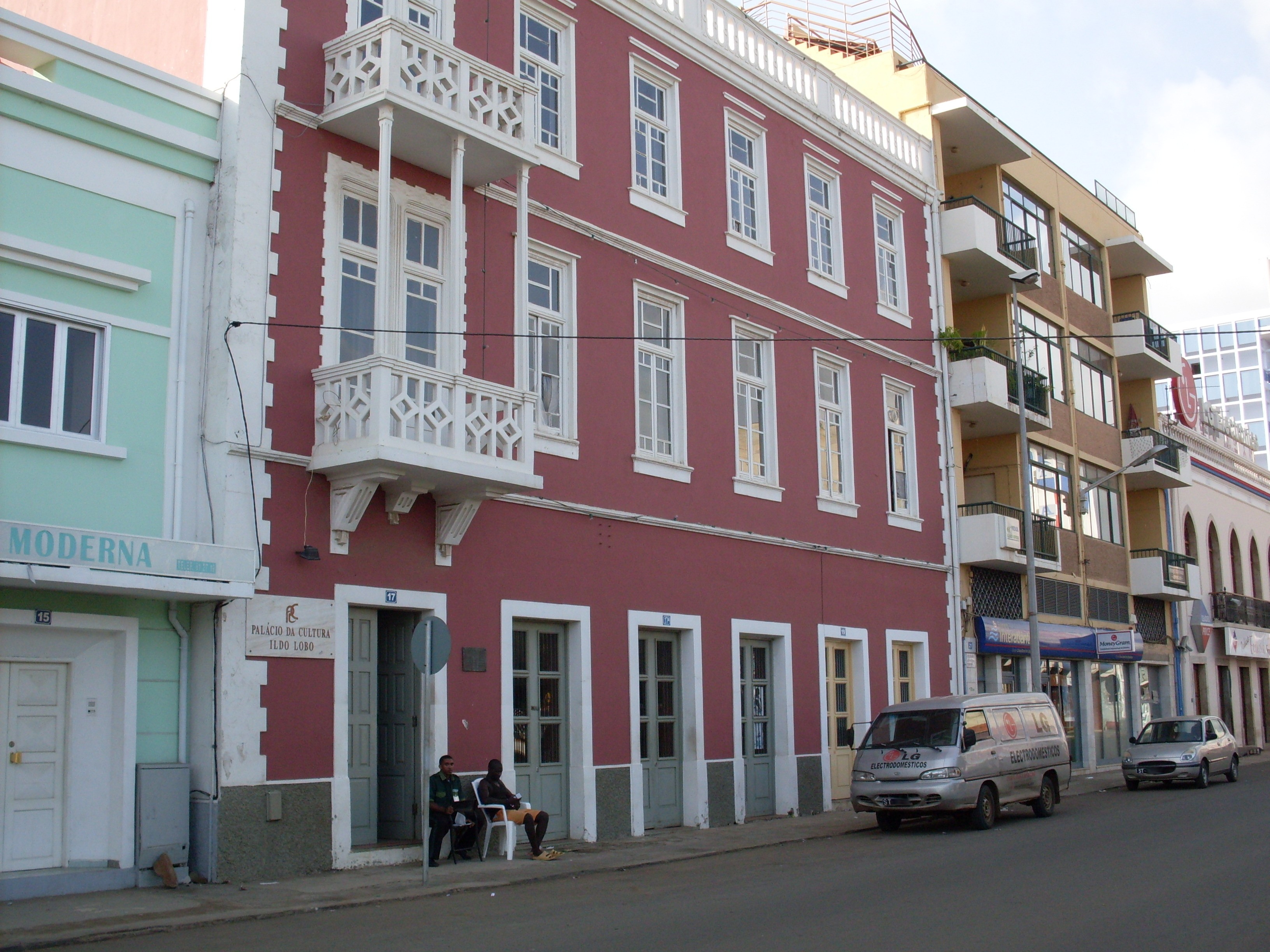
Praia sits at sea level on the southern coast of Santiago Island, the largest island in Cape Verde, and it is the nation's capital and largest city with a population of 62 thousand. The climate is hot and arid, with warm temperatures year-round, minimal rainfall, and a dry season from November to June followed by a brief wet season in August and September. Expats tend to cluster in Palmarejo and Prainha, two neighborhoods that offer easy access to the waterfront and a mix of apartments and local amenities. The city's flat coastal layout makes it walkable in parts, though most residents rely on shared taxis or the public bus system for longer trips.
Living costs in Praia are modest by Western standards, but they sit far above local wages. A single adult can get by on roughly $592 per month in the budget tier, which includes rent, while the mid-range tier runs about $797 per month and the comfortable tier around $1,153 per month. Rent for a one-bedroom apartment in the city center averages $574 per month, dropping to $287 outside the center; a three-bedroom in the center costs $899 per month, or $473 outside it. Utilities run about $181 per month, internet $51, and a mobile plan $18, while a monthly public transport pass is $29 and a gym membership $32. An inexpensive restaurant meal costs $5, a three-course meal for two at a mid-range spot is $35, and a cappuccino is $3. The average monthly net salary for locals is just $304, which explains why many expats find the cost of living index of 43 out of 100 (relative to New York City) still manageable, though not cheap for those earning local wages.
Safety in Praia is moderate, with a safety index of 60 out of 100 and a crime index of 40 out of 100, where lower is safer. Petty theft and occasional muggings occur, especially after dark in less busy areas, but violent crime is not widespread. Healthcare quality is rated as fair, meaning basic care is available but serious conditions often require evacuation to hospitals abroad. English proficiency is limited, so learning some Portuguese or Cape Verdean Creole goes a long way in daily interactions. The expat community is medium-sized, and most newcomers find it easy to connect through local meetups and neighborhood networks, particularly in Palmarejo and Prainha.
For longer stays, Cape Verde offers two main visa pathways: the Visa for Temporary Stay / Residence Permit for retirees and other long-term visitors, and the Cape Verde Remote Working Visa for digital nomads. The remote working visa requires a minimum monthly income of $5,043 per month, which is a high bar compared to local salaries but attainable for many remote workers from the US or Europe. Getting to Praia is straightforward via the nearest airport, RAI, located just 4 km from the city center. Praia suits budget-conscious expats who value warm weather, low crime relative to many African cities, and a relaxed pace of life, but it is less ideal for those needing top-tier healthcare, high-speed internet (averaging 50 Mbps), or a large English-speaking community. The retiree score of 52 out of 100 reflects the visa ease but also the healthcare limitations, while the digital nomad score of 63 and overall expat score of 74 suggest it works best for those who can work remotely and adapt to local conditions.