Tarija, Bolivia Hero Image
Wikipedia Contributor, CC BY-SA

Tarija, Bolivia

Data updated Oct 9, 2026

Follows Bolivia Residency Rules. Check Digital Nomad & Retiree Pathways →

📊 Scores

78
FIRE
52
Retiree
48
Digital Nomad

Best fit: FIRE / Geoarbitrage (score: 76)

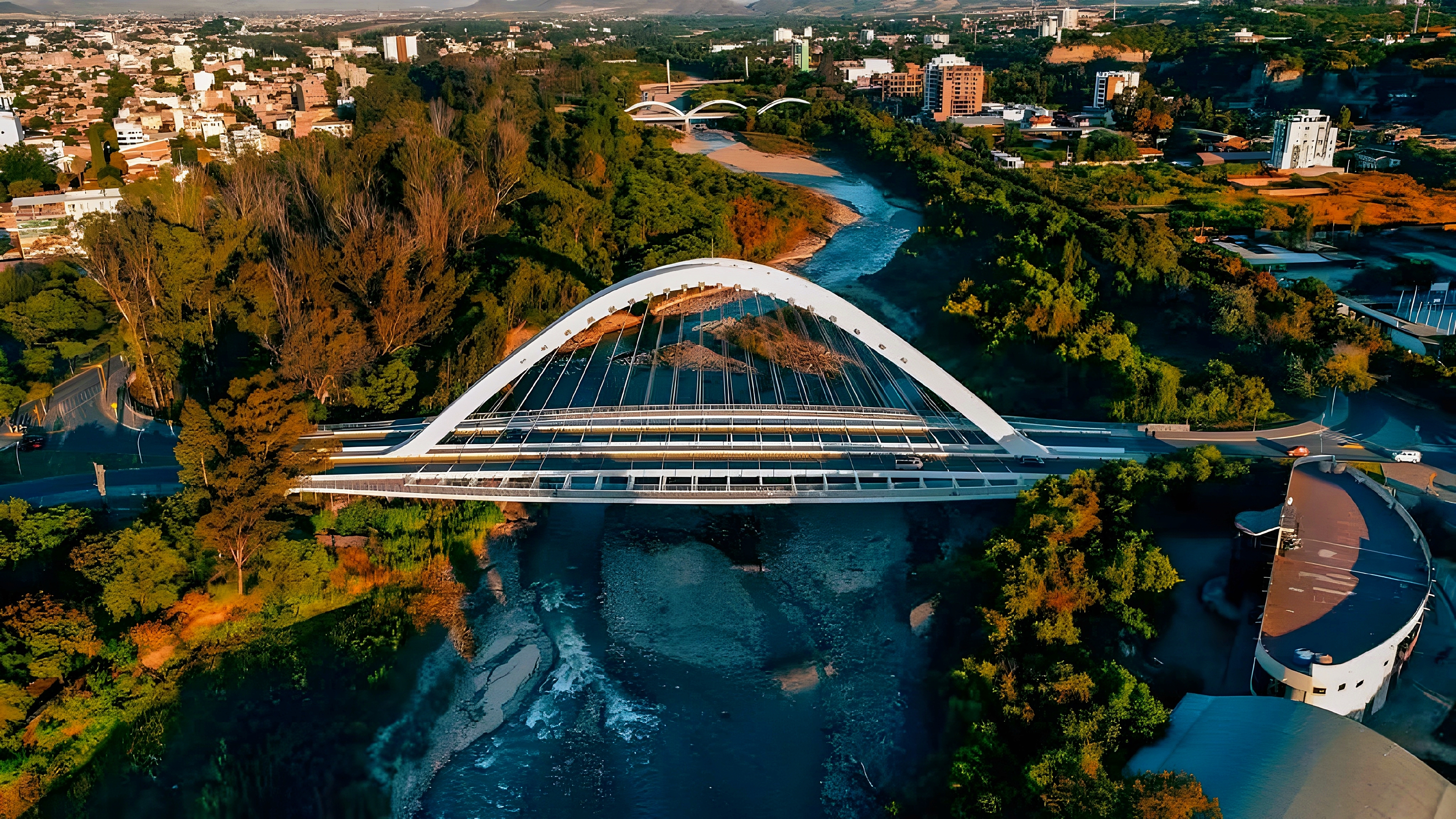
Tarija sits in southern Bolivia at 1924 m above sea level, where an arid climate shapes daily life and the city's 180 thousand residents. The timezone is America/La_Paz. Expats who settle here tend to gravitate toward El Molino, a popular neighborhood that offers a comfortable base within this small expat community. The city's manageable size and dry air define the rhythm of the place, from its sunny afternoons to its cool evenings.

Living costs in Tarija are modest, though local wages are low. A 1-bedroom apartment in the city centre rents for $218/mo, while outside the centre it drops to $163/mo. For larger households, a 3-bedroom in the centre costs $790/mo, and outside the centre $520/mo. Utilities run $23/mo, internet $22/mo, and a mobile phone plan $19/mo. A monthly public transport pass is $31/mo, and a gym membership $22/mo. Eating out is cheap: an inexpensive restaurant meal is $2 per person, a mid-range three-course meal for two is $8, and a cappuccino is $1. Single adults can expect total monthly costs of $243/mo on a budget, $347/mo mid-range, or $428/mo comfortable, all rent included. Excluding rent, a single person spends about $480/mo, and a family of four about $1,700/mo. The average monthly net salary locally is $325/mo, and the cost of living index is 39/100 relative to NYC.

Safety in Tarija is generally favorable, with a safety index of 65/100 and a crime index of 35/100, where lower is safer. Healthcare quality is fair, which means residents often travel to larger cities for specialized care. The small expat community and limited English proficiency can pose challenges for newcomers, but the calm environment and low crime rate make daily life relatively secure.

For stays, Bolivia offers the Specific Purpose Visa (Visa de Objeto Determinado) with a minimum monthly income requirement of $300/mo, and the Bolivia Digital Nomad Visa. The nearest airport is TJA, just 4 km away. With an overall expat score of 76/100, a FIRE score of 78/100, a retiree score of 52/100, and a digital nomad score of 48/100, Tarija suits budget-conscious expats, early retirees focused on financial independence, and those seeking a quiet, affordable base in South America.
Estimate the cost of moving to Tarija, Bolivia

Get a free moving cost estimate for moving to Tarija, Bolivia. Takes 10 seconds.

How much are you shipping?

When are you moving?

Powered by Sirelo. Free quotes from international movers.

🏚️ Cost of Living

💰 Budgets and Costs

$388/mo, one person, rent included
Selected: mid-range lifestyle

Tarija on a mid-range budget comes to about $388 a month for one adult, with $163 of that going to rent. Beyond rent the estimate covers $60.00 on groceries, $23.00 on dining out, $47.00 on entertainment and lifestyle, $64.00 on utilities and connectivity and $31.00 on transport.

Rent

$163/mo

1BR outside the centre

Groceries

$60.00/mo

Staples basket scaled to a full month

Dining out

$23.00/mo

10 inexpensive meals

Entertainment & lifestyle

$47.00/mo

gym, 2 cinema trips, 12 cappuccinos

Utilities & connectivity

$64.00/mo

utilities, mobile, internet

Transport

$31.00/mo

Monthly pass

Budgets (excl. rent)

Single person$225/mo

Excludes rent. The total above is all-in, rent included.

Estimates for one adult, built from this city's average prices and the usage shown for each tier. Your spending will differ with how often you eat out and where you live.

A 1BR in the center runs about $217.84/mo. If your income is in another currency, bank FX fees add up. A multi-currency account can cut that cost.

See low-fee transfers

We may earn a commission at no cost to you.

See how Tarija's cost of living compares with Sucre

Be the first to report costs in Tarija

Share

🛡️ Safety & Crime

65
Safety Index

(Higher is safer)

35
Crime Index

(Lower is safer)

Tarija is notably safer than most Bolivian cities, with a relatively low crime rate and a relaxed provincial atmosphere that appeals to expats. Petty theft and pickpocketing occur in crowded markets and bus terminals, but violent crime is uncommon. Avoid displaying valuables, stay out of peripheral neighborhoods after dark, and exercise standard urban caution. The city's small expat community, stable local governance, and tourism infrastructure make it manageable for retirees and remote workers willing to adopt sensible precautions. Overall, a reasonable choice for safety-conscious expats seeking affordable, quiet living in South America.

🏥 Healthcare

Fair
Public Hospitals
Yes
Private Clinics
Yes
English-Speaking Doctors
Limited

See how Tarija's healthcare compares with Sucre

🌤️ Climate

Climate Zones
Arid
Summer Temp
41°C
Winter Temp
-3°C
Humidity
69%
Annual Rainfall
1153 mm

Best Months

JanFebMarAprMayJul

Climate Notes

Tarija experiences a wide temperature range with hot summers reaching up to 41°C, cold winters dropping to -3°C, and maintains moderate average humidity at 69%.

💻 Digital Nomad

Avg Internet Speed
5 Mbps
Internet (monthly)
$22/mo
Coworking Availability
Limited
Coworking Spaces Nearby
0
Digital Nomad Score
48/100

Community Notes

Tarija offers a quiet and culturally rich setting for nomads seeking a slower pace.

Coworking Spaces

NameNotes
Coworking TarijaA popular local option in Tarija, Coworking Tarija offers a friendly atmosphere and essential amenities for remote work. Located in a central area, it provides easy access to restaurants and services.
La Casa NaranjaLa Casa Naranja provides a relaxed and creative environment, ideal for digital nomads seeking a community vibe. It's situated in a convenient location and offers a mix of indoor and outdoor workspaces.

Names, locations and hours can change. Check each space's website before you visit. Places from © OpenStreetMap contributors and Foursquare Open Source Places (Apache 2.0).

Planning to live in Tarija long-term? Bolivia Digital Nomad Visa lets remote workers live legally.

View full requirements →

Working remotely from Tarija? Nomad health insurance covers you across borders, month to month.

See nomad insurance

We may earn a commission at no cost to you.

See how Tarija's digital nomad life compares with Sucre

🧳 Expat Life

English Proficiency
Limited
Expat Community
Small
Top Neighborhoods
El Molino
Banks Nearby
32
ATMs Nearby
37

Expat Life Notes

The wine capital of Bolivia offers a high quality of life, safe environment, and extremely low costs.

Pros

  • ✓ Best weather in Bolivia
  • ✓ Stunning vineyards
  • ✓ Extremely safe

Cons

  • ✗ Very isolated
  • ✗ Minimal English spoken
  • ✗ Limited job market

🏘️ Neighborhoods in Tarija

Areas of Tarija that expats often consider.

Conditions can change from one block to the next, and these descriptions are general guides, not safety assessments. Before choosing where to stay or live, check current travel advisories, talk to people who live there, and visit in person if you can.

Central Tarija

Bustling, historic, commercial heart

The city center is where you'll find the main plaza, cathedral, markets, and most shops and restaurants. It's very walkable and well-connected by public transport, but can be noisy and crowded. Many older buildings, some with colonial architecture, are being renovated into apartments.

San Roque

Traditional, residential, family-oriented

A more traditional neighborhood with a strong local feel, San Roque is known for its annual festival. It's primarily residential, with smaller houses and local shops. While not as expat-heavy, it offers a more authentic Bolivian experience and is generally safe, though Spanish is essential.

La Loma

Upscale, modern, panoramic views

Located on a hill overlooking the city, La Loma offers stunning views and a more upscale residential environment. You'll find modern apartments and houses here, often with security. It's a bit further from the city center, so a car or reliance on taxis is more common.

El Molino

Quiet, residential, green spaces

El Molino is a quieter residential area with more green spaces and a relaxed atmosphere. It's a good option for those seeking peace and quiet away from the city's hustle. Public transport is available, but less frequent than in the center. Spanish is needed to navigate daily life.

Page 1 of 2

Could living/working in Tarija cut years off your work life?

With a 1-bedroom in the center at $218/mo, your FIRE number here might be much lower than you think.

Calculate My FIRE Date →

🛂 Visa Options for Bolivia

Many long-stay visas require proof of health insurance. Compare international health plans before you apply.

Compare health insurance

We may earn a commission at no cost to you.

🛂

Not sure which Bolivia visa you qualify for?

Answer 11 questions and get a personalized match in under 2 minutes.

Find My Visa →

More Cities to Consider instead of Tarija

FAQ

Frequently Asked Questions about Tarija

Click any question to expand the answer.

Tarija has a population of approximately 179,528 people.
A single person can expect to spend around $545 per month in Tarija, including rent. A 1-bedroom apartment in the city center costs approximately $218/month.
The nearest airport to Tarija is TJA, approximately 4.3km away.
Tarija is considered relatively safe, with a safety index of 65.0. As with any city abroad, expats should research specific neighborhoods before committing to a location.
Tarija has an average internet speed of 5 Mbps. It is not yet considered a well-established digital nomad destination.
Fluent conversational Spanish is essential. Unlike tourist areas, very few locals speak English, and all government services, healthcare, and daily interactions require Spanish proficiency.
Internet is adequate for basic remote work but unreliable for video calls or large file transfers. Expect occasional outages and slower speeds compared to major Bolivian cities.
Fly domestically through La Paz or Santa Cruz, or take buses from Argentina. There are no direct international flights, so plan for connections through Bolivia's main airports.
Tarija is very affordable. You can comfortably live on $1200-$1800 USD per month, covering rent in a decent neighborhood like San Roque or Central, groceries from the Mercado Central, and occasional dining out. Expect to pay around $300-$500 for a furnished apartment.
Yes, the most common route is the Rentista visa, requiring proof of a stable monthly income, typically around $2,000 USD. You'll need to demonstrate this income consistently. Another option is investing in Bolivian real estate.
Tarija is generally safe, especially compared to larger Bolivian cities. Petty theft can occur, so be mindful of your belongings, particularly in crowded areas like the bus terminal. Avoid walking alone late at night in poorly lit areas on the outskirts of town.
While you can manage with basic Spanish, learning more will significantly improve your experience. Outside of tourist-oriented businesses, English proficiency is limited. Consider taking Spanish classes at a local language school like the Centro Boliviano Americano.
Banco Nacional de Bolivia (BNB) and Banco Mercantil Santa Cruz are popular choices. Opening an account requires a residency card (cédula). ATM fees can be high, so withdraw larger sums when possible. Consider using remittance services like Wise for international transfers.
Tarija has a pleasant, semi-arid climate. Expect warm days and cool nights year-round. The rainy season is from November to March, but it's generally mild. The best time to visit is during the dry season, from April to October.
Taxis are readily available and affordable. 'Micros' (small buses) are a very cheap but sometimes crowded option for getting around. Walking is feasible in the central areas. Renting a car is possible, but not always necessary.
The expat community in Tarija is relatively small but welcoming. You can connect with other expats through online forums and social media groups. There are occasional social gatherings and events organized by expats.
Coworking spaces are limited, but some cafes offer decent Wi-Fi and a comfortable atmosphere for working. Check out coffee shops near Plaza Luis de Fuentes. Internet speeds are generally sufficient for most remote work tasks, but power outages can occasionally occur.
Tarija offers a slower pace of life and a more relaxed atmosphere compared to La Paz or Santa Cruz. It's considered safer and has a lower cost of living, making it attractive for retirees seeking tranquility and affordability.
As a US citizen, you're still required to file US taxes even when living abroad. The Foreign Earned Income Exclusion (FEIE) can help you exclude a certain amount of your foreign-earned income from US taxes. You may also need to file an FBAR if you have foreign bank accounts exceeding $10,000.
Yes, Tarija is very viable for early retirement on $2000 USD per month. You can live comfortably, rent a nice apartment, eat well, and still have money left over for travel and activities. It's one of the most affordable retirement destinations in South America.
Healthcare in Tarija is adequate, but not on par with US standards. Private hospitals offer better care than public ones. Finding English-speaking doctors can be challenging, so it's helpful to have a local contact who can assist you. Consider purchasing international health insurance.
For budget-conscious expats, areas like La Loma or El Constructor offer affordable housing. Mid-range options can be found in San Roque or near the Universidad Juan Misael Saracho. More upscale apartments are available in the Central area, closer to Plaza Luis de Fuentes.

Share This Guide