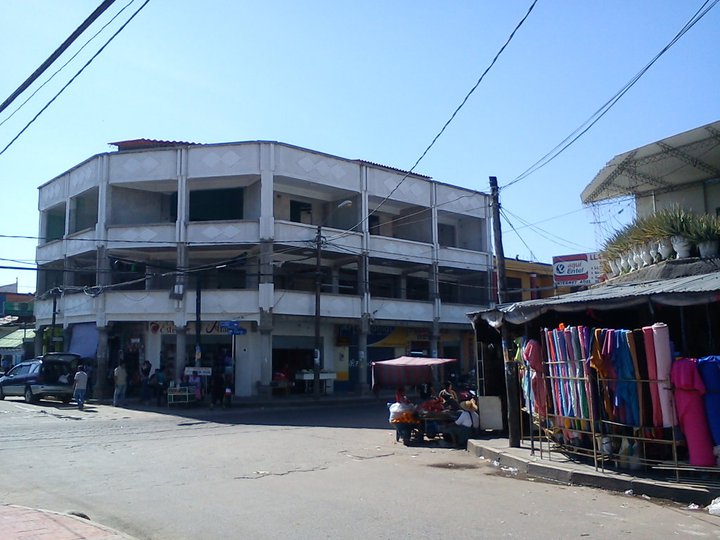
Central Montero
Bustling commercial and residential
The heart of Montero, offering easy access to shops, markets, and transportation. A mix of locals and some expats reside here. Can be noisy and crowded, but convenient for daily needs.
Data updated Oct 8, 2026
Best fit: FIRE / Geoarbitrage (score: 74)
Montero sits in Bolivia's tropical lowlands at 287 m above sea level, where warm, humid conditions hold sway year round and the clock follows America/La_Paz. The city counts 127 thousand residents, and its expat footprint is small and concentrated: Centro Montero is the popular expat neighborhood, the place newcomers typically look first for housing and daily errands. This is not a capital or a tourist hub but a working lowland city with an easygoing pace and a climate that rewards those who prefer heat to altitude.
Living costs here are among the region's most forgiving. A one-bedroom apartment in the city centre rents for $280/mo, while the same outside the centre drops to $200/mo. Three-bedroom units run $550/mo in the centre and $380/mo outside it. A single adult can expect a budget tier total of $720/mo with rent included, a mid-range tier of $1,050/mo, or a comfortable tier of $1,400/mo. Excluding rent, a single person spends about $440/mo and a family of four about $1,250/mo. Meals out are inexpensive: $4 per person at an inexpensive restaurant, $20 for a three-course mid-range meal for two, and $2 for a cappuccino. The cost of living index stands at 32/100 against New York City at 100.
Safety is middling, with a safety index of 45/100 and a crime index of 55/100, so normal urban precautions apply. Air quality registers 45 on the index, where lower is better. Healthcare quality is poor, which means serious medical needs are likely to require travel or private arrangements rather than reliance on local facilities. Internet averages 18 Mbps, adequate for routine browsing and messaging but not for heavy data work. The overall expat score is 74/100, with a FIRE score of 76/100, a retiree score of 48/100, and a digital nomad score of 51/100.
For stays, Bolivia offers the Specific Purpose Visa (Visa de Objeto Determinado), which requires a minimum monthly income of $300/mo, and the Bolivia Digital Nomad Visa. The nearest airport is VVI, 46 km away. English proficiency is limited, so Spanish helps enormously in daily life. Montero suits budget-conscious singles and couples, early retirees chasing a low cost of living, and FIRE-minded savers who value a quiet tropical base over big-city amenities. It is less suited to those who need strong healthcare, a large expat community, or fast internet.
Get a free moving cost estimate for moving to Montero, Bolivia. Takes 10 seconds.
How much are you shipping?
When are you moving?
Powered by Sirelo. Free quotes from international movers.
A 1BR in the center runs about $280/mo. If your income is in another currency, bank FX fees add up. A multi-currency account can cut that cost.
See low-fee transfersWe may earn a commission at no cost to you.
See how Montero's cost of living compares with Caranavi
(Higher is safer)
(Lower is safer)
Montero presents moderate safety concerns typical of mid-sized Bolivian cities. While not among Bolivia's most dangerous areas, petty theft, robbery, and vehicle break-ins occur regularly, particularly in central commercial zones and after dark. Gang activity exists but is less prominent than in La Paz or Santa Cruz. Avoid displaying valuables, use registered taxis, and stay out of peripheral neighborhoods at night. The city's informal economy and limited police presence mean crime often goes unreported. For expats with situational awareness and established local networks, Montero is manageable, but it's not a relaxed retirement destination—better suited for those comfortable with moderate urban risk.
Montero has a safety index of 45/100. Petty theft and lost belongings are the most common problems for newcomers. Compare travel insurance before you go.
Compare travel insuranceWe may earn a commission at no cost to you.
See how Montero's healthcare compares with Caranavi
Montero has a tropical climate with hot, humid summers (September to March reaching 40°C) and mild winters (June to August around 8°C), featuring a distinct rainy season from November to March that expats should plan around.
Not yet on the radar for nomads due to basic facilities.
| Name | Notes |
|---|---|
| Coworking Montero | A popular local option in Montero, offering a friendly atmosphere and essential amenities. Located centrally, it's a good choice for those seeking a community vibe and affordable rates. |
| Espacio Cowork | Located in a convenient area of Montero, Espacio Cowork provides a professional environment with reliable internet and comfortable workspaces. It's a solid option for digital nomads needing a focused work setting. |
Names, locations and hours can change. Check each space's website before you visit. Places from © OpenStreetMap contributors and Foursquare Open Source Places (Apache 2.0).
Planning to live in Montero long-term? Bolivia Digital Nomad Visa lets remote workers live legally.
View full requirements →Working remotely from Montero? Nomad health insurance covers you across borders, month to month.
See nomad insuranceWe may earn a commission at no cost to you.
See how Montero's digital nomad life compares with Caranavi
Montero is the agricultural capital of Bolivia. It has a small presence of foreigners associated with the sugar and soy industry.
Areas of Montero that expats often consider.
Conditions can change from one block to the next, and these descriptions are general guides, not safety assessments. Before choosing where to stay or live, check current travel advisories, talk to people who live there, and visit in person if you can.
Bustling commercial and residential
The heart of Montero, offering easy access to shops, markets, and transportation. A mix of locals and some expats reside here. Can be noisy and crowded, but convenient for daily needs.
Quiet residential family area
A more tranquil residential neighborhood, popular with families. Less commercial activity than the center. Spanish is essential here, but it offers a more authentic Bolivian experience.
Developing residential, budget-friendly
A more affordable area on the outskirts of the city. Housing options are generally simpler. Requires more reliance on local transportation and Spanish language skills.
Modern residential, growing community
A newer, planned residential area with more modern housing options. Some gated communities are present. More accessible to expats, but potentially less culturally immersive.
With a 1-bedroom in the center at $280/mo, your FIRE number here might be much lower than you think.
Many long-stay visas require proof of health insurance. Compare international health plans before you apply.
Compare health insuranceWe may earn a commission at no cost to you.
Not sure which Bolivia visa you qualify for?
Answer 11 questions and get a personalized match in under 2 minutes.
Click any question to expand the answer.
Cost-of-living and visa updates for Montero and the rest of Bolivia. Free with RA Postcards.
By submitting your email address, you will receive a free subscription to RA Postcards and special offers from Rewire Abroad and our affiliates. You can unsubscribe at any time, and we encourage you to read more about our Privacy Policy.