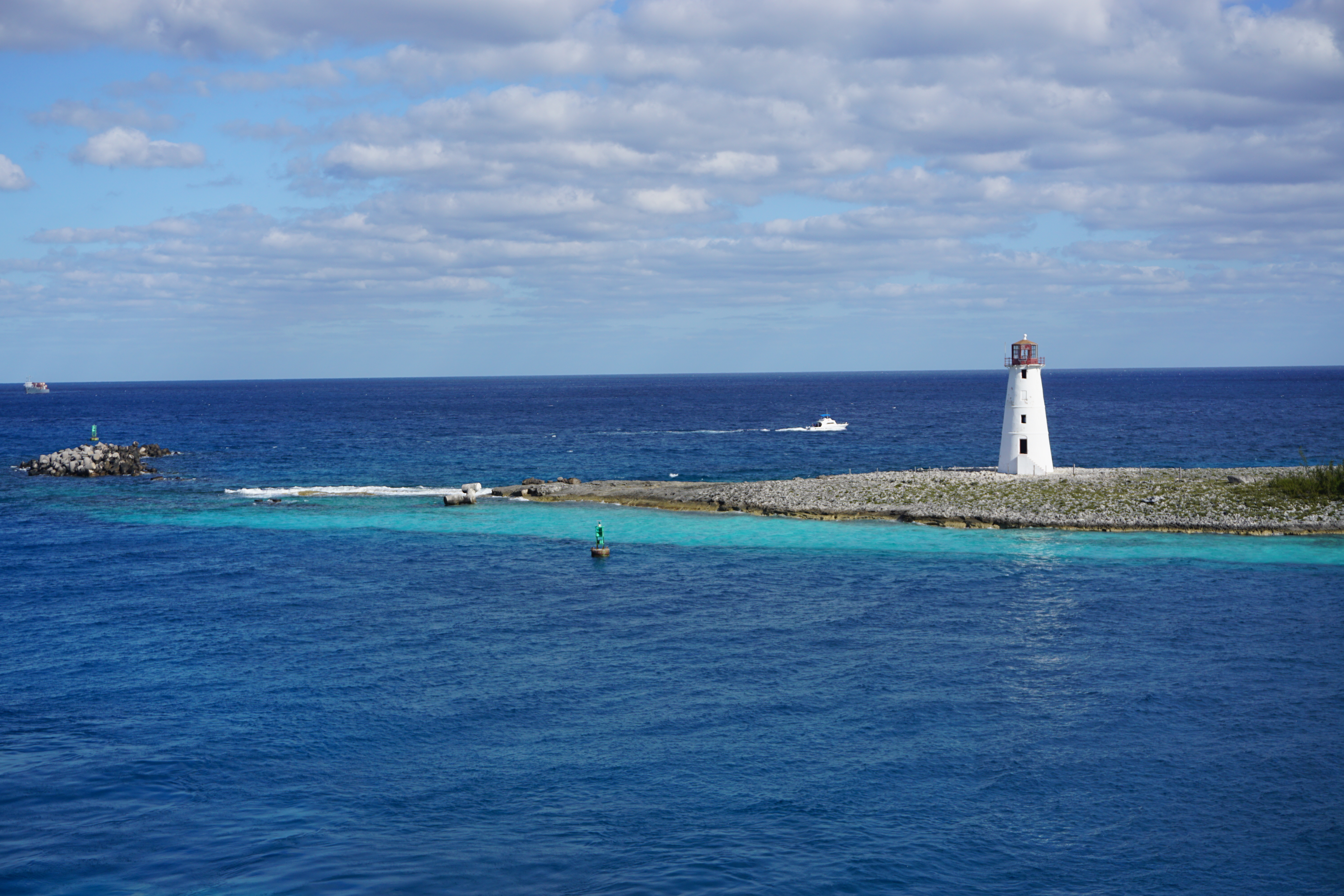
Paradise Island sits just off the coast of Nassau in the Bahamas, a slender strip of land that barely rises above the sea at 3 meters. The climate is tropical, which means warm, humid air year-round with a distinct wet season and a dry season that draws sun-seekers. The island itself is tiny, with a permanent population of around 500, so there are no named neighborhoods that expats cluster into; instead, most newcomers settle near the resorts and marinas that line the shore, while a few rent in the quieter inland stretches. The time zone is America/Toronto, which keeps business hours aligned with the Eastern Seaboard, and the average internet speed of 60 Mbps is enough for remote work but not blazing fast.
Living here is expensive, and the numbers tell the story plainly. A one-bedroom apartment outside the center runs $3,200/mo, while a three-bedroom in the city center costs $8,500/mo and a three-bedroom outside the center is $6,000/mo. For a single adult, the budget tier total with rent included is $5,100/mo, the mid-range tier is $7,200/mo, and the comfortable tier is $10,500/mo. Excluding rent, a single person spends about $1,600/mo and a family of four about $5,200/mo, with utilities at $200/mo and a gym membership at $130/mo. Eating out is a splurge: an inexpensive restaurant meal is $40 per person, a mid-range three-course meal for two is $128, and a cappuccino runs $5. The average monthly net salary locally is $2,500/mo, which means most residents cannot afford the rental market, and the cost of living index sits at 95/100 compared to New York City, so prices are nearly on par with Manhattan.
Safety and healthcare are mixed but generally workable. The safety index is 58/100, and the crime index is 42/100, where lower is safer, so the island is not crime-free but is noticeably calmer than many Caribbean urban centers. Healthcare quality is rated as good, with clinics and a hospital on nearby Nassau for serious cases, though the island itself has limited medical infrastructure. The air quality index is 25, which is low and therefore clean, a plus for anyone with respiratory sensitivities. Expats should still take standard precautions, especially at night, but the overall risk profile is moderate rather than alarming.
Getting in requires a visa strategy, and the Bahamas offers two clear paths. For long-term remote workers, the Bahamas BEATS Extended Access Travel Stay is the digital nomad visa program, which allows stays beyond the typical tourist window. For those looking to retire, the Permanent Residence program is the retirement visa route, though the data does not specify income or investment thresholds. The nearest airport is NAS, about 14 km away, so most arrivals fly into Nassau and take a short taxi or ferry ride over. This island suits travelers who prioritize beach access and a quiet, resort-like pace over urban amenities, and it works best for those with a comfortable budget, since the mid-range tier already exceeds the local average salary by a wide margin. Digital nomads will find the internet speed adequate, retirees will appreciate the healthcare quality and permanent residence option, and anyone on a tighter budget should look elsewhere, as the monthly costs here are unforgiving.