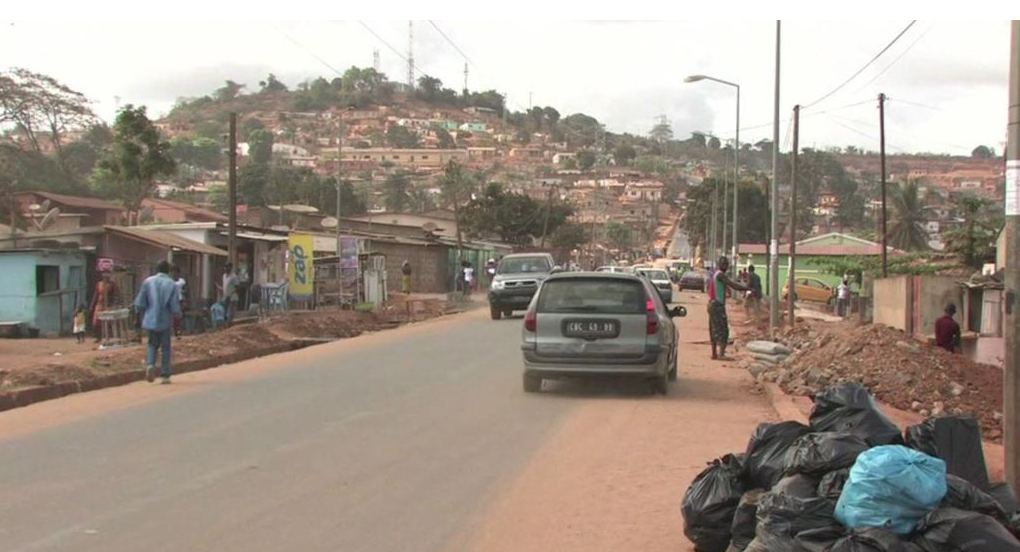
Cabinda, Angola Hero Image
Wikipedia Contributor, CC BY-SA

Cabinda, Angola

🌊 Coastal

Data updated Oct 9, 2026

Follows Angola Residency Rules. Check Digital Nomad & Retiree Pathways →

📊 Scores

57
FIRE
47
Retiree
45
Digital Nomad

Best fit: FIRE / Geoarbitrage (score: 55)

Cabinda sits at an elevation of 20 m above sea level on Angola's northern coast, isolated from the rest of the country by a sliver of the Democratic Republic of the Congo. Its tropical climate brings consistent warmth and humidity year-round. The expat community is small, and most newcomers gravitate toward Cabinda Centro, the popular expat neighborhood. The nearest airport, with IATA code CAB, lies just 3 km from the city center, making arrivals straightforward.

Living costs in Cabinda present a striking paradox. A one-bedroom apartment in the city center rents for $628/mo, yet the same unit outside the center costs $1,100/mo. A three-bedroom in the center goes for $3,500/mo, while outside the center it is $2,721/mo. A single adult on a budget tier spends $2,200/mo total including rent; the mid-range tier totals $4,500/mo, and the comfortable tier reaches $7,500/mo. Excluding rent, a single person's monthly costs are $1,000/mo, and a family of four spends $3,200/mo. The average monthly net salary is $1,000/mo, which aligns with the cost of living index of 68/100 relative to New York City.

Safety is a concern in Cabinda, with a safety index of 45/100 and a crime index of 55/100 (lower is safer). Healthcare quality is rated as fair. These factors contribute to an overall expat score of 55/100, a FIRE score of 57/100, a retiree score of 47/100, and a digital nomad score of 45/100. English proficiency is limited, so basic Portuguese or French is helpful for daily interactions.

Visitors and long-term residents enter through the airport 3 km away. Cabinda suits budget-conscious singles or families who can navigate a small expat community and fair healthcare. The low rent in the city center, combined with inexpensive restaurant meals at $7 per person and a mid-range three-course dinner for two at $40, makes it affordable for those with a local salary or remote income, despite the modest internet speed of 15 Mbps.
Estimate the cost of moving to Cabinda, Angola

Get a free moving cost estimate for moving to Cabinda, Angola. Takes 10 seconds.

How much are you shipping?

When are you moving?

Powered by Sirelo. Free quotes from international movers.

🏚️ Cost of Living

A 1BR in the center runs about $628/mo. If your income is in another currency, bank FX fees add up. A multi-currency account can cut that cost.

See low-fee transfers

We may earn a commission at no cost to you.

See how Cabinda's cost of living compares with Calulo

Be the first to report costs in Cabinda

Share

🛡️ Safety & Crime

45
Safety Index

(Higher is safer)

55
Crime Index

(Lower is safer)

Cabinda presents moderate-to-elevated safety concerns for expats. While not among Angola's most dangerous cities, petty theft, armed robbery, and carjacking occur regularly, particularly after dark and in less developed neighborhoods. Gang activity and occasional violent crime are documented risks. The city's oil wealth attracts criminal elements, and expats are sometimes targeted. Avoid displaying valuables, traveling alone at night, and certain peripheral areas. Political tensions and occasional separatist activity in the enclave add background risk. Expats here typically live in secured compounds and use trusted drivers. This is a challenging posting requiring security awareness and local knowledge—suitable only for those with prior expat experience or strong employer support.

Cabinda has a safety index of 45/100. Petty theft and lost belongings are the most common problems for newcomers. Compare travel insurance before you go.

Compare travel insurance

We may earn a commission at no cost to you.

🏥 Healthcare

Fair
Public Hospitals
Yes
Private Clinics
Yes
English-Speaking Doctors
Limited

See how Cabinda's healthcare compares with Calulo

🌤️ Climate

Climate Zones
Tropical
Summer Temp
30°C
Winter Temp
22°C
Humidity
80%
Air Quality Index
38

Best Months

JunJulAugSep

Climate Notes

Tropical savanna climate with constant warm temperatures.

💻 Digital Nomad

Avg Internet Speed
15 Mbps
Coworking Availability
Limited
Coworking Spaces Nearby
0
Digital Nomad Score
45/100

Community Notes

Cabinda offers an interesting cultural scene but lacks in technological infrastructure.

Coworking Spaces

NameNotes
Regus CabindaLocated in the Cabinda Centro Empresarial, Regus offers a professional environment with reliable internet, meeting rooms, and administrative support. It's a solid, globally recognized option for expats seeking a familiar and structured workspace.
IWG Spaces CabindaLocated in the city center, Spaces provides a modern and collaborative environment. It offers flexible workspace solutions, including hot desks and private offices, suitable for digital nomads and remote workers seeking a vibrant community.

Names, locations and hours can change. Check each space's website before you visit. Places from © OpenStreetMap contributors and Foursquare Open Source Places (Apache 2.0).

Working remotely from Cabinda? Nomad health insurance covers you across borders, month to month.

See nomad insurance

We may earn a commission at no cost to you.

See how Cabinda's digital nomad life compares with Calulo

🧳 Expat Life

English Proficiency
Limited
Expat Community
Small
Top Neighborhoods
Cabinda Centro
Banks Nearby
8
ATMs Nearby
0

Expat Life Notes

Primarily an enclave for the oil and gas industry. Expats usually live in secure compounds with limited interaction with the wider city.

Pros

  • ✓ High compensation for specialists
  • ✓ Proximity to coast

Cons

  • ✗ Very high cost of imported goods
  • ✗ Limited leisure options
  • ✗ Security restrictions

🏘️ Neighborhoods in Cabinda

Areas of Cabinda that expats often consider.

Conditions can change from one block to the next, and these descriptions are general guides, not safety assessments. Before choosing where to stay or live, check current travel advisories, talk to people who live there, and visit in person if you can.

Cabinda (City Center)

Bustling, commercial, central hub

The heart of Cabinda, offering access to government offices, businesses, and the main market. While convenient, it can be noisy and crowded. Many expats working for oil companies or NGOs reside here for proximity to their workplaces. Public transport is readily available, but traffic can be heavy.

Malembo

Coastal, relaxed, residential area

Located along the coast, Malembo offers a more relaxed atmosphere compared to the city center. It's primarily residential, with a mix of housing options. While less hectic, English proficiency is lower, and amenities are less readily available than in central Cabinda. Good for those seeking a quieter life and willing to learn Portuguese.

Chibodo

Local, developing, affordable living

A more local and developing area, Chibodo offers more affordable housing options. It's further from the city center, so a car is recommended. While not particularly expat-friendly due to language barriers and limited amenities, it provides a glimpse into everyday Angolan life. Expect basic infrastructure and a slower pace.

Tando Zinze

Residential, quiet, family-oriented

A residential neighborhood known for its quieter streets and family-oriented atmosphere. It's located a bit outside the main city center, offering a more peaceful environment. Access to amenities and services might require a short drive. Not many expats live here, so Portuguese language skills are beneficial.

Page 1 of 2

Could living/working in Cabinda cut years off your work life?

With a 1-bedroom in the center at $628/mo, your FIRE number here might be much lower than you think.

Calculate My FIRE Date →

More Cities to Consider instead of Cabinda

FAQ

Frequently Asked Questions about Cabinda

Click any question to expand the answer.

Cabinda has a population of approximately 699,053 people.
A single person can expect to spend around $1,570 per month in Cabinda, including rent. A 1-bedroom apartment in the city center costs approximately $628/month.
The nearest airport to Cabinda is CAB, approximately 3km away.
Cabinda is considered moderate in terms of safety, with a safety index of 45.0. As with any city abroad, expats should research specific neighborhoods before committing to a location.
Cabinda has an average internet speed of 15 Mbps. It is not yet considered a well-established digital nomad destination.
Cabinda is best for oil industry professionals chasing high salaries. It’s not ideal for digital nomads or retirees due to isolation and unreliable services.
Rental costs in Cabinda vary greatly. Expect to pay anywhere from $800-$2500 USD per month for a decent apartment or house in areas like Chibodo or near the city center, with prices influenced by size and amenities. Negotiating rent is common, so don't be afraid to try.
Internet connectivity can be spotty. While mobile data is available, speeds are generally slow and unreliable for consistent remote work. Consider investing in a local SIM card and exploring options for satellite internet if your work demands high bandwidth.
Finding English-speaking doctors can be challenging. While some private clinics may have staff with limited English proficiency, it's advisable to learn some basic Portuguese or have a translator available. For serious medical issues, evacuation to Luanda or South Africa might be necessary.
Obtaining long-term residency in Angola can be complex. You'll likely need to explore options like investment visas or demonstrate sufficient financial resources to support yourself. Consulting with an Angolan immigration lawyer is highly recommended to navigate the process.
Banking in Cabinda can be challenging. While ATMs are available, they may not always accept foreign cards. It's best to open a local bank account if you plan to stay long-term and use international money transfer services like Wise or Remitly to send funds.
Cabinda has a tropical climate with a distinct wet and dry season. Expect high humidity year-round, with the rainy season typically running from September to May. Temperatures are consistently warm, averaging between 70°F and 90°F.
Public transportation is limited, consisting mainly of informal taxis (candongueiros). Hiring a driver or renting a car is often the most convenient way to get around, but be prepared for heavy traffic and challenging road conditions. Walking is feasible in some areas, but not always safe at night.
The expat community in Cabinda is relatively small, primarily consisting of oil and gas workers. Social opportunities may be limited, but you can connect with other expats through online forums or industry-related events. Learning Portuguese will greatly enhance your social life.
For expats, areas like Chibodo and the neighborhoods near the city center are popular due to their proximity to amenities and relative safety. Quiosa is another option, offering a more residential feel. Your budget will significantly influence your choice.
Groceries can be expensive, especially for imported items. Local markets offer more affordable options, but quality may vary. Eating out ranges from inexpensive street food to pricier restaurants catering to expats, with meals costing anywhere from $5 to $50 USD.
As a US citizen, you're still required to file US taxes even when living abroad. You may be eligible for the Foreign Earned Income Exclusion (FEIE) or Foreign Tax Credit. Be sure to report foreign bank accounts (FBAR) if they exceed $10,000. Consult with a tax professional specializing in expat taxes.
Cabinda can be challenging for FIRE due to the high cost of living for imported goods and the limited investment opportunities. While you might stretch a passive income further than in the US, the instability and lack of infrastructure might outweigh the financial benefits. Thorough research and a substantial financial cushion are essential.
Daily life as an English speaker can be difficult. While some people in the oil industry speak English, Portuguese is the primary language. Expect to encounter communication barriers in everyday situations like shopping, transportation, and healthcare. Learning Portuguese is crucial for a comfortable experience.
Culture shock is common due to the significant differences in lifestyle, infrastructure, and social norms. Be prepared for a slower pace of life, bureaucratic hurdles, and a different approach to time. Patience, flexibility, and an open mind are essential for adapting to life in Cabinda.

Share This Guide