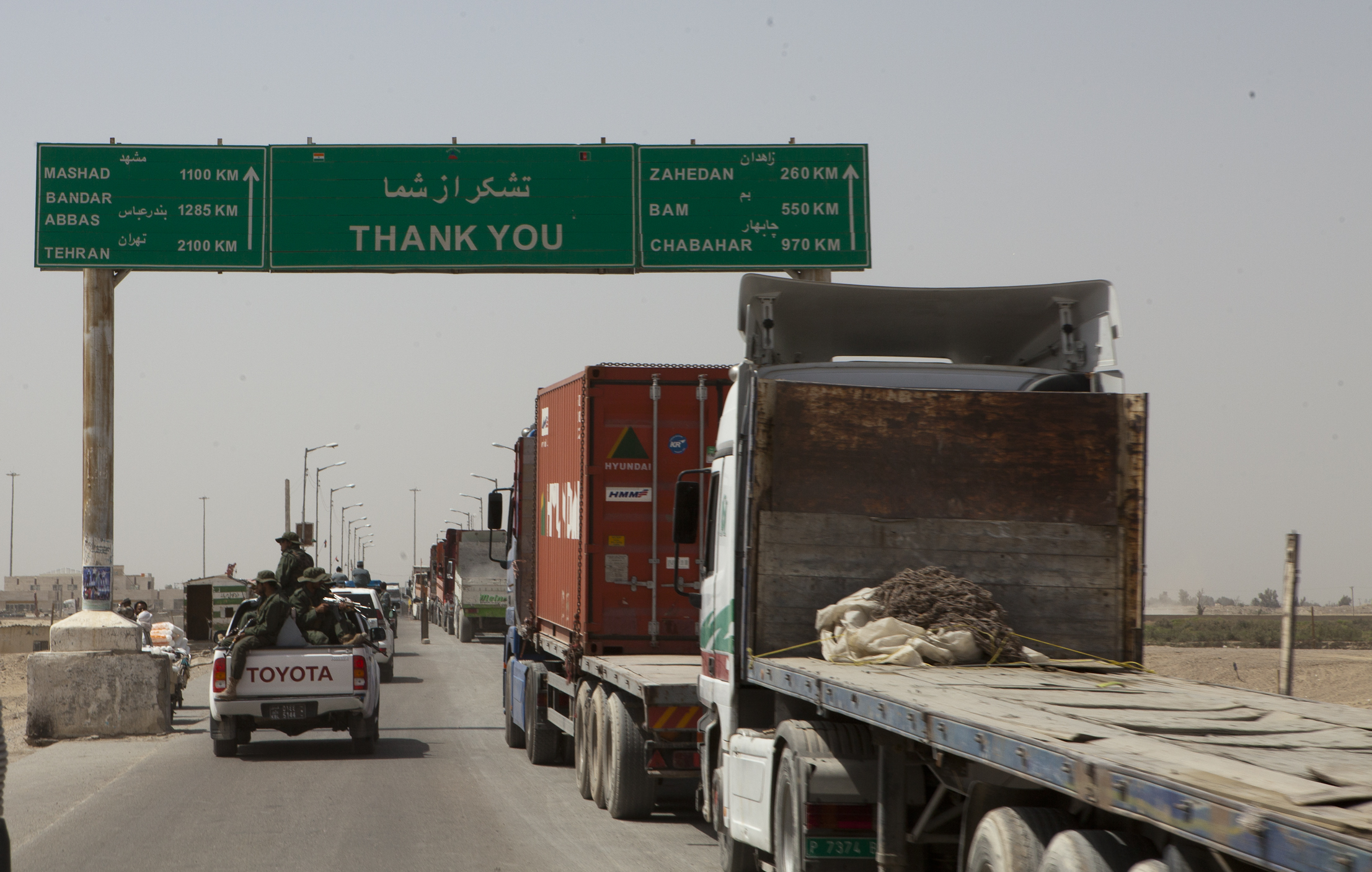
Zaranj, Afghanistan
📊 Scores
Best fit: FIRE / Geoarbitrage (score: 49)
Zaranj sits in the arid lowlands of southwestern Afghanistan, a city of 50 thousand people at 481 m above sea level, where the climate stays dry and the thermometer rarely sees relief from dust and heat. The timezone is Asia/Kabul, and daily rhythms follow that clock. Expats who settle here do not cluster in named neighborhoods, because none are singled out; instead they spread across the city's compact grid, choosing proximity to work or the main road over any branded district. The surrounding landscape is stark and open, with air quality index at 85, a figure that shapes morning routines and outdoor plans more than most newcomers expect.
Living costs are low by global standards, with a cost of living index of 17/100 against New York City at 100. A one-bedroom in the city centre rents for $120/mo, while a three-bedroom in the same area goes for $220/mo. A single person spends about $270/mo excluding rent, and a family of four about $780/mo excluding rent. Internet runs at an average of 5 Mbps, slow enough that remote work demands patience. Local wages are not part of the picture here, so the arithmetic of daily life rests on those expense figures alone.
Safety is the sharpest constraint. The safety index is 25/100 and the crime index is 75/100, with lower crime numbers meaning safer, so the current reading points to significant risk. Healthcare quality is poor, which means serious medical needs often require travel or advance planning. Retirees score this city at 38/100, a low mark that reflects those combined pressures. Anyone weighing a move must treat personal security and medical access as primary filters, not afterthoughts.
Visas are handled through the standard channels for the country, and no specific program is named here. The nearest airport is ZAJ, which is the practical arrival point for most journeys. Once on the ground, the city suits a narrow profile: the FIRE score is 74/100, the digital nomad score is 44/100, and the overall expat score is 49/100. English proficiency is limited, so everyday transactions reward basic local language or a trusted fixer. This is a place for the cost-conscious and the self-reliant, not for those seeking comfort, speed, or a soft landing.
Estimate the cost of moving to Zaranj, Afghanistan
Get a free moving cost estimate for moving to Zaranj, Afghanistan. Takes 10 seconds.
How much are you shipping?
When are you moving?
Powered by Sirelo. Free quotes from international movers.
🏚️ Cost of Living
A 1BR in the center runs about $120/mo. If your income is in another currency, bank FX fees add up. A multi-currency account can cut that cost.
See low-fee transfersWe may earn a commission at no cost to you.
See how Zaranj's cost of living compares with Farah
Be the first to report costs in Zaranj
🛡️ Safety & Crime
(Higher is safer)
(Lower is safer)
Zaranj presents severe safety challenges unsuitable for most expats. As a remote border city in Nimroz Province, it faces ongoing instability, limited law enforcement capacity, and sporadic conflict-related violence. Street crime, theft, and kidnapping risks are elevated; medical and security infrastructure is minimal. The Taliban's control and unpredictable security situation create constant uncertainty. Unless you have specific security arrangements and professional reasons to be here, this city is not recommended for retirement or remote work.
Zaranj has a safety index of 25/100. Petty theft and lost belongings are the most common problems for newcomers. Compare travel insurance before you go.
Compare travel insuranceWe may earn a commission at no cost to you.
🏥 Healthcare
See how Zaranj's healthcare compares with Farah
🌤️ Climate
Best Months
Climate Notes
Zaranj, located in a semi-arid region of Afghanistan, experiences extreme temperature variations with very hot summers and cold winters, impacting the local climate and air quality predominantly due to arid environmental conditions and potential dust emissions.
💻 Digital Nomad
Community Notes
Zaranj provides a unique experience for adventurous nomads seeking remote work settings.
Coworking Spaces
| Name | Notes |
|---|---|
| NIMSO Organization | While primarily an NGO, NIMSO may offer shared office space or resources for local entrepreneurs and remote workers. Check for internet access and a collaborative atmosphere in the central Zaranj area. |
Names, locations and hours can change. Check each space's website before you visit. Places from © OpenStreetMap contributors and Foursquare Open Source Places (Apache 2.0).
Working remotely from Zaranj? Nomad health insurance covers you across borders, month to month.
See nomad insuranceWe may earn a commission at no cost to you.
See how Zaranj's digital nomad life compares with Farah
🧳 Expat Life
🏘️ Neighborhoods in Zaranj
Conditions can change from one block to the next, and these descriptions are general guides, not safety assessments. Before choosing where to stay or live, check current travel advisories, talk to people who live there, and visit in person if you can.
Neighborhood guides for this city are being reviewed. In the meantime, see the safety section and check current travel advisories before choosing where to stay.
Could living/working in Zaranj cut years off your work life?
With a 1-bedroom in the center at $120/mo, your FIRE number here might be much lower than you think.
More Cities to Consider instead of Zaranj
Frequently Asked Questions about Zaranj
Click any question to expand the answer.
Share This Guide
Zaranj won't stay this cheap forever.
Cost-of-living and visa updates for Zaranj and the rest of Afghanistan. Free with RA Postcards.
By submitting your email address, you will receive a free subscription to RA Postcards and special offers from Rewire Abroad and our affiliates. You can unsubscribe at any time, and we encourage you to read more about our Privacy Policy.