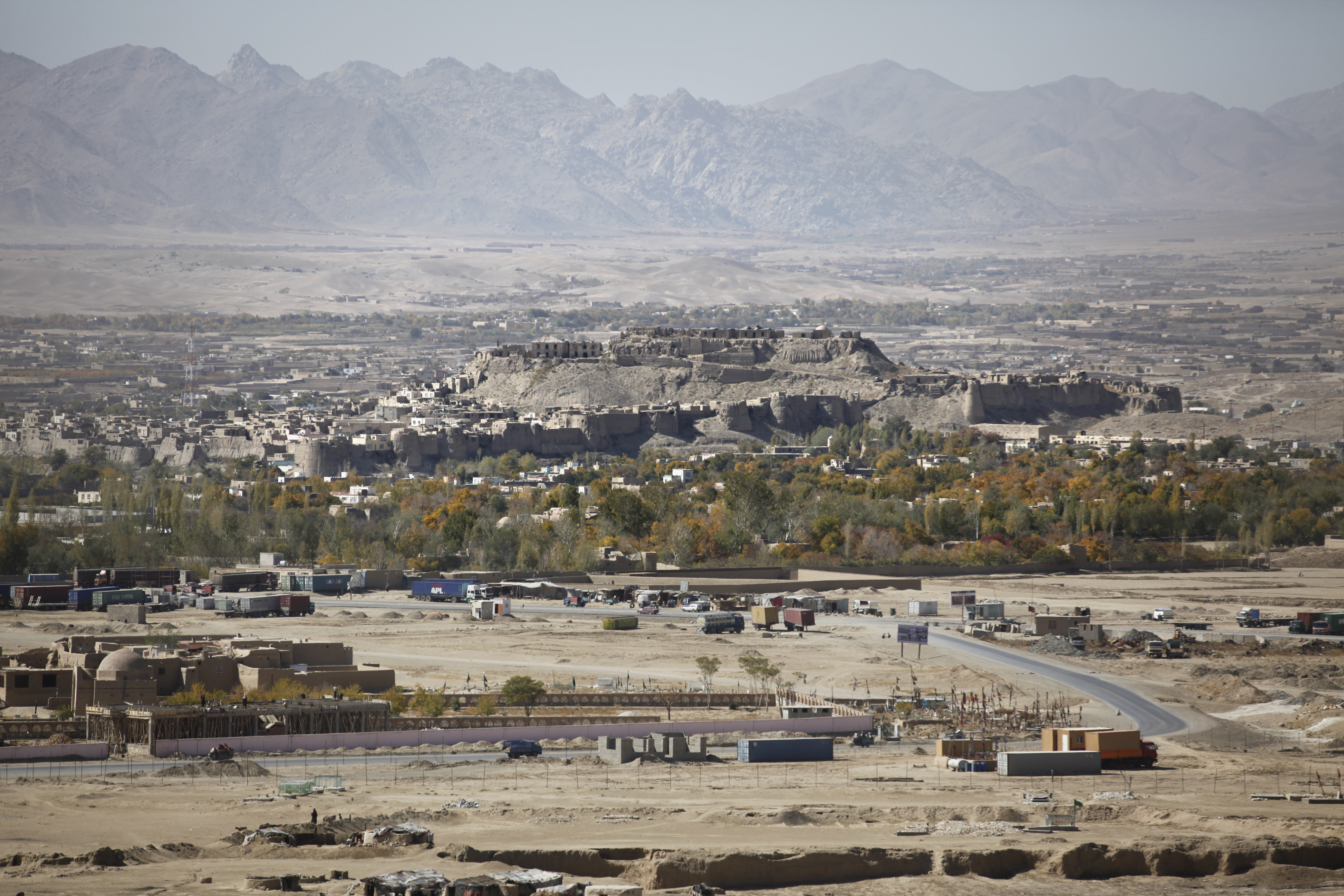
Ghazni, Afghanistan
Data updated Oct 8, 2026
📊 Scores
Best fit: FIRE / Geoarbitrage (score: 49)
Ghazni sits high on the Afghan plateau at 2,173 m above sea level, in an arid climate that brings hot summers and cold winters to a city of 30 thousand people. The timezone is Asia/Kabul. The surrounding landscape is dry and open, and daily life moves at the pace of a small provincial capital rather than a major metropolis.
Living costs are low by global standards. A one-bedroom apartment in the city centre rents for $130/mo, while a three-bedroom in the same area goes for $260/mo. Utilities run about $42/mo, internet $97/mo, and a mobile phone plan $13/mo. A single person can expect monthly costs excluding rent of around $250/mo, and a family of four around $720/mo. An inexpensive restaurant meal costs $3 per person, a mid-range three-course meal for two is $8, and a cappuccino is $1. The cost of living index is 18/100 against New York City at 100.
Safety is a serious consideration. The safety index is 25/100 and the crime index is 75/100, with lower crime figures indicating safer conditions. Healthcare quality is poor, so residents typically need to plan for medical care outside the immediate area. Air quality is a concern as well, with an air quality index of 85 where lower numbers are better.
Visas must be arranged according to current regulations before travel. The nearest airport is GZI, just 4 km away. Internet speeds average 5 Mbps, and English proficiency is limited. The city scores 49/100 overall for expats, 74/100 for FIRE, 36/100 for retirees, and 42/100 for digital nomads. Ghazni suits those seeking an extremely low-cost base who are prepared for significant challenges in safety, healthcare, and connectivity.
Estimate the cost of moving to Ghazni, Afghanistan
Get a free moving cost estimate for moving to Ghazni, Afghanistan. Takes 10 seconds.
How much are you shipping?
When are you moving?
Powered by Sirelo. Free quotes from international movers.
🏚️ Cost of Living
A 1BR in the center runs about $130/mo. If your income is in another currency, bank FX fees add up. A multi-currency account can cut that cost.
See low-fee transfersWe may earn a commission at no cost to you.
See how Ghazni's cost of living compares with Ishkashim (Eshkashem)
Be the first to report costs in Ghazni
🛡️ Safety & Crime
(Higher is safer)
(Lower is safer)
Ghazni presents severe safety challenges unsuitable for most expats. With a Numbeo Safety Index of 25/100, the city faces significant instability rooted in ongoing conflict, Taliban presence, and limited government control. Risks include armed violence, kidnapping, extortion, and unpredictable security incidents. Infrastructure for expat support is minimal. Unless you have security expertise, military/NGO backing, and fluency in Dari/Pashto, this destination is not recommended for remote work or retirement.
Ghazni has a safety index of 25/100. Petty theft and lost belongings are the most common problems for newcomers. Compare travel insurance before you go.
Compare travel insuranceWe may earn a commission at no cost to you.
🏥 Healthcare
See how Ghazni's healthcare compares with Ishkashim (Eshkashem)
🌤️ Climate
Best Months
Climate Notes
Ghazni has a continental climate with extremely cold, dry winters (dropping to -26°C) and hot summers (reaching 35°C), with low humidity year-round making it feel less oppressive despite temperature extremes.
💻 Digital Nomad
Community Notes
Ghazni is challenging for nomads due to limited infrastructure and safety concerns.
Coworking Spaces
| Name | Notes |
|---|---|
| Ghazni Innovation Lab | A community-focused space in the city center, the Innovation Lab provides basic internet access and a collaborative environment. It's a good option for budget-conscious remote workers looking to connect with local entrepreneurs and innovators. |
| Afghan Business Innovation Center (ABIC) - Ghazni | Located near the university, ABIC offers a professional environment with reliable internet, meeting rooms, and training facilities. It's suitable for remote workers who need a more structured workspace and opportunities for networking. |
Names, locations and hours can change. Check each space's website before you visit. Places from © OpenStreetMap contributors and Foursquare Open Source Places (Apache 2.0).
Working remotely from Ghazni? Nomad health insurance covers you across borders, month to month.
See nomad insuranceWe may earn a commission at no cost to you.
See how Ghazni's digital nomad life compares with Ishkashim (Eshkashem)
🧳 Expat Life
🏘️ Neighborhoods in Ghazni
Conditions can change from one block to the next, and these descriptions are general guides, not safety assessments. Before choosing where to stay or live, check current travel advisories, talk to people who live there, and visit in person if you can.
Neighborhood guides for this city are being reviewed. In the meantime, see the safety section and check current travel advisories before choosing where to stay.
Could living/working in Ghazni cut years off your work life?
With a 1-bedroom in the center at $130/mo, your FIRE number here might be much lower than you think.
More Cities to Consider instead of Ghazni
Frequently Asked Questions about Ghazni
Click any question to expand the answer.
Share This Guide
Ghazni won't stay this cheap forever.
Cost-of-living and visa updates for Ghazni and the rest of Afghanistan. Free with RA Postcards.
By submitting your email address, you will receive a free subscription to RA Postcards and special offers from Rewire Abroad and our affiliates. You can unsubscribe at any time, and we encourage you to read more about our Privacy Policy.