Application Fee
$20
Processing Time
~2 wks
Difficulty
Easy
Duration
12 months
Overview
Uzbekistan’s Digital Nomad Visa targets remote workers and business owners who can work online while based in Uzbekistan for up to 12 months. The government does not publicly specify a minimum monthly income or savings threshold, but you must pay a 20 USD application fee and show proof of health insurance, and sources such as Nomad-Visa indicate you’ll need evidence of foreign income and a recent bank statement. Local employment is not permitted under this visa, so your earnings must come from self-employment or owning a business outside Uzbekistan rather than a local W‑2–style job.
The permitted stay is 12 months, with processing indicated at around 2 weeks, so it can work for a one-year test move or a defined sabbatical. The visa is renewable, and there is no publicly specified physical presence requirement or maximum consecutive absence, so long-term planners should treat it as a one-year stay with no built-in multi-year structure. Since the visa does not lead to permanent residency, there is no timeline to PR or citizenship attached to this status.
From a process-friction standpoint, the bureaucracy score of 1 / 5 reflects a relatively light document load: no apostille, no FBI background check, no medical exam, and no interview are required according to the facts above. You will still need standard identity documents, health insurance (explicitly required), accommodation evidence, and proof that your work is remote and foreign-sourced, and you should budget at least the 20 USD fee plus the 2-week processing window before travel.
For FIRE and location-independent readers, the key constraint is that local work is off-limits and the employment types formally recognized are self_employed and owner, with no explicit recognition of W‑2–style remote employment in the fact set, even though external sources suggest remote employees can qualify in practice. Since the visa does not lead to PR and the visa is renewable but physical presence requirements are not publicly specified, it is better suited to a 6–12 month experiment than a 10-year base. This makes most sense if you have 3,000–6,000 USD/month in foreign-sourced business or freelance income and want a low-bureaucracy, one-year base. It is a poor fit if you aim to anchor a long-term residency or citizenship strategy in one country using a single visa track.
Eligibility Requirements
Any nationality can apply for the Uzbekistan Digital Nomad Visa in principle, as the program is listed with nationality restrictions set to “all.” In practice, applicants from sanctioned or politically sensitive countries such as Iran, North Korea, Syria, and sometimes Russia or Cuba can encounter problems opening bank accounts, obtaining insurance, or getting consular approval even if not formally barred by the written rules. Before assembling a full document package, confirm current eligibility and any informal constraints directly with Uzbekistan’s official immigration portal or the Ministry of Foreign Affairs rather than relying solely on aggregator sites.
Application Fee
$20
Duration
12 months
Self-Employed · Business Owner
Requirements Checklist
0 of 8 documents in hand
0%These take the longest, so start them first.
Request these while the slow items are in progress.
You only need these on the day you submit.
Tax Information
Local tax picture for digital nomads in Uzbekistan
Uzbekistan’s income tax system for individuals is broadly worldwide rather than territorial, but the exact treatment of foreign income under the Digital Nomad Visa is not addressed by the visa program itself. In practice, Uzbek tax residents face personal income tax at a flat rate of 12% on most income. That would generally cover remote salary from foreign employers, freelance income, pensions, and rental income, but whether foreign dividends and interest are taxed identically is not clearly spelled out in the visa materials. Because the visa itself does not create a special “remote worker” tax regime, applicants should assume that once they are tax resident, foreign income streams can be brought into the Uzbek tax net.
For capital gains on foreign investments such as ETF or index fund sales through a US or European brokerage, there is no explicit exemption linked to this visa, and the digital-nomad–specific rules do not discuss capital markets income. There is no rule that clearly states whether such gains are exempt, taxed, or taxed only if remitted. A cautious planner should assume that, once tax resident, gains could be taxable and confirm treatment with a local advisor before realizing large portfolio sales while resident.
Tax residency status is not defined by the visa itself, but Uzbekistan generally follows a 183-day physical presence trigger for tax residency in a calendar year. That means spending more than 183 days in Uzbekistan in a year can make you a tax resident, independent of your visa label. The visa program does not specify any special registration or reduced-obligation regime for digital nomads, so you should expect standard residency rules to apply and plan your day count accordingly if you want to avoid being fully on the Uzbek tax radar.
Local registration and filing requirements are not detailed by the visa program, and there is no separate tax status deadline, but tax residents are ordinarily required to obtain a tax identification number and submit annual returns. Because the digital nomad visa does not come packaged with a named preferential regime (such as Portugal’s NHR or Italy’s flat tax) or a separate deadline for tax status elections, compliance will track the ordinary Uzbek calendar-year filing cycle. The Tax Treaty with the US does not exist, so US persons cannot assume relief under a treaty for double taxation or Social Security coverage without checking an up-to-date treaty list.
For US Citizens and Green Card Holders
US citizens and green card holders on the Uzbekistan Digital Nomad Visa remain fully taxable by the IRS on worldwide income. If you perform remote work from Uzbekistan, earned income (salary from a foreign employer, consulting fees, or self-employment profits) can potentially be sheltered using the Foreign Earned Income Exclusion on Form 2555. For 2026 the FEIE limit is 132,900 USD of earned income per person. This exclusion does not apply to dividends, capital gains from ETF sales, rental income, Social Security, or pension distributions, which remain fully taxable in the US regardless of your Uzbek tax position.
To claim FEIE, you must qualify under either the Physical Presence Test (330 full days outside the US in any 12-month period) or the Bona Fide Residence Test. Given that the Uzbek Digital Nomad Visa is a 12-month stay and does not itself create a permanent residence track, most nomads will rely on the 330-day Physical Presence Test across Uzbekistan and other non-US countries. If you spend substantial time back in the US during the year, the FEIE becomes harder to use, and you may need to rely more on foreign tax credits.
If Uzbekistan taxes your foreign remote income or investment income once you become tax resident, you can use the Foreign Tax Credit on Form 1116 to offset US tax on those same income streams. The FTC only helps when Uzbek effective tax rates exceed zero. If, after planning your day count, you avoid Uzbek tax residency and pay no Uzbek income tax, then there are no foreign taxes to credit, and the FTC provides no benefit; your US liability will be calculated as if you never left.
Holding funds in Uzbek bank accounts or investment platforms can trigger US reporting. You must file an FBAR (FinCEN Form 114) if the aggregate value of all non-US financial accounts you control or have signature authority over exceeds 10,000 USD at any point during the year. FATCA Form 8938 has separate, higher thresholds but often also applies once your overseas asset base grows. Even though a local bank account is not explicitly required by the visa rules, many long-stay residents open one, which increases the odds that FBAR and FATCA apply. Non-willful FBAR penalties start around 16,700 USD per account per year as of 2026, so this is not a form to ignore.
A robust plan involves two specialists: a US CPA experienced in expat returns (FEIE, Form 2555; FTC, Form 1116; FBAR and FATCA) and a local Uzbek tax advisor who understands residency rules and filing obligations. The 1,500–3,000 USD spent in year one on coordinated advice is often recovered through optimized FEIE/FTC strategies and by avoiding costly compliance mistakes and penalties on both sides.
Living in Uzbekistan
COL Index vs NYC
24.2
Monthly Cost (excl. rent)
$482
1BR Rent (City Center)
$510
Safety Index
62.8
Healthcare Index
30.8
Quality of Life Index
98.3
Time Zone
UTC+05:00
Capital
Tashkent
Population
34.2M
Official Languages
Russian, Uzbek
Avg Internet Speed
229 Mbps
Public Transit Quality
Fair
With a budget covering rent and living costs, you'd need roughly $992/mo for a comfortable single-person lifestyle in Uzbekistan.See how far your money goes →
🏙️ Best Cities in Uzbekistan for Digital Nomads
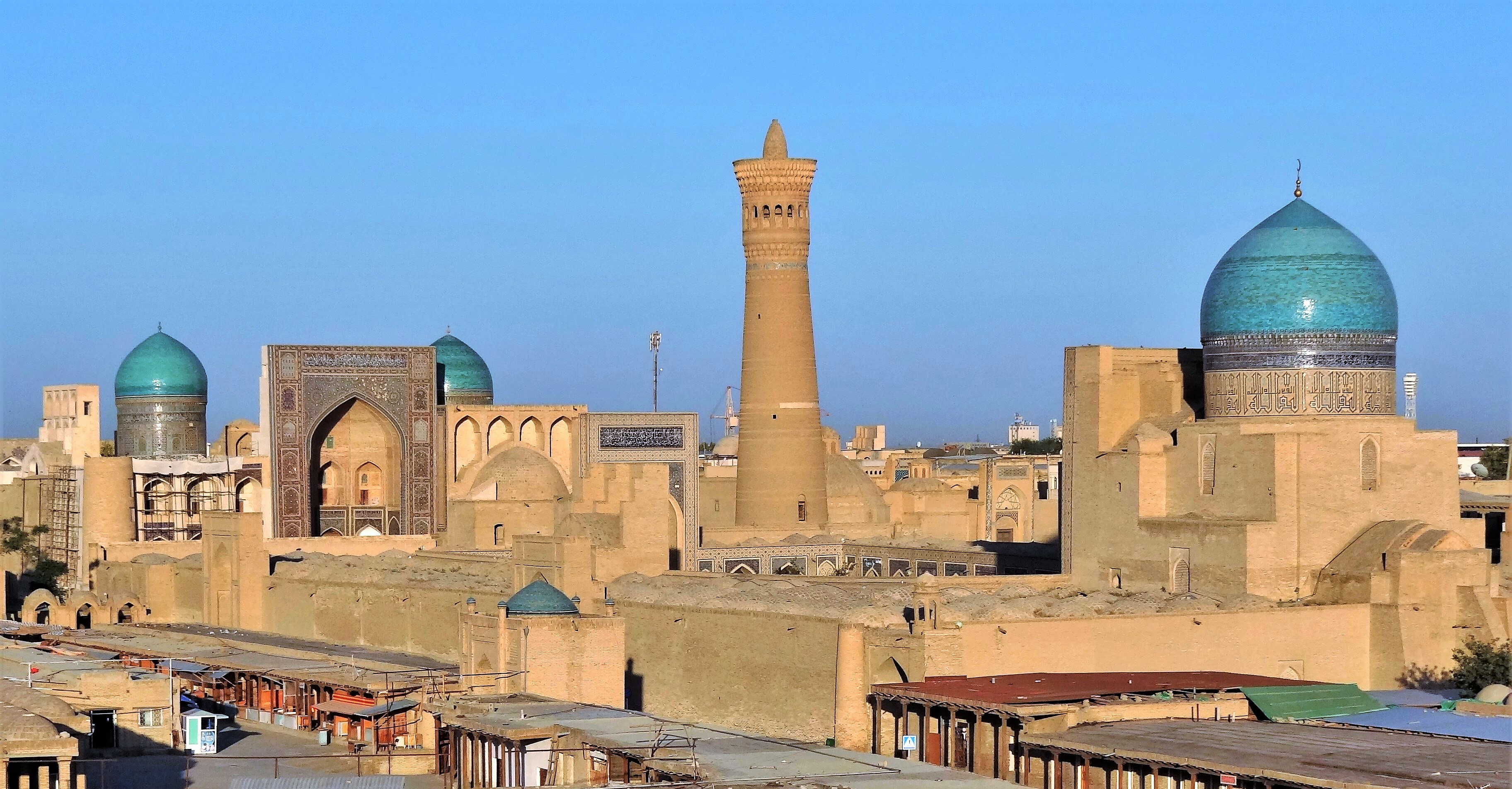 60
60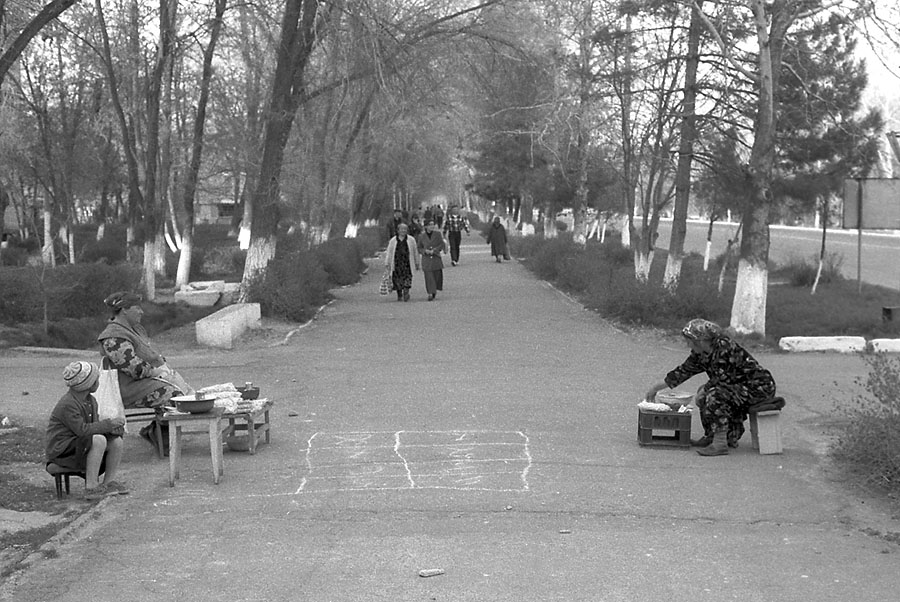 55
55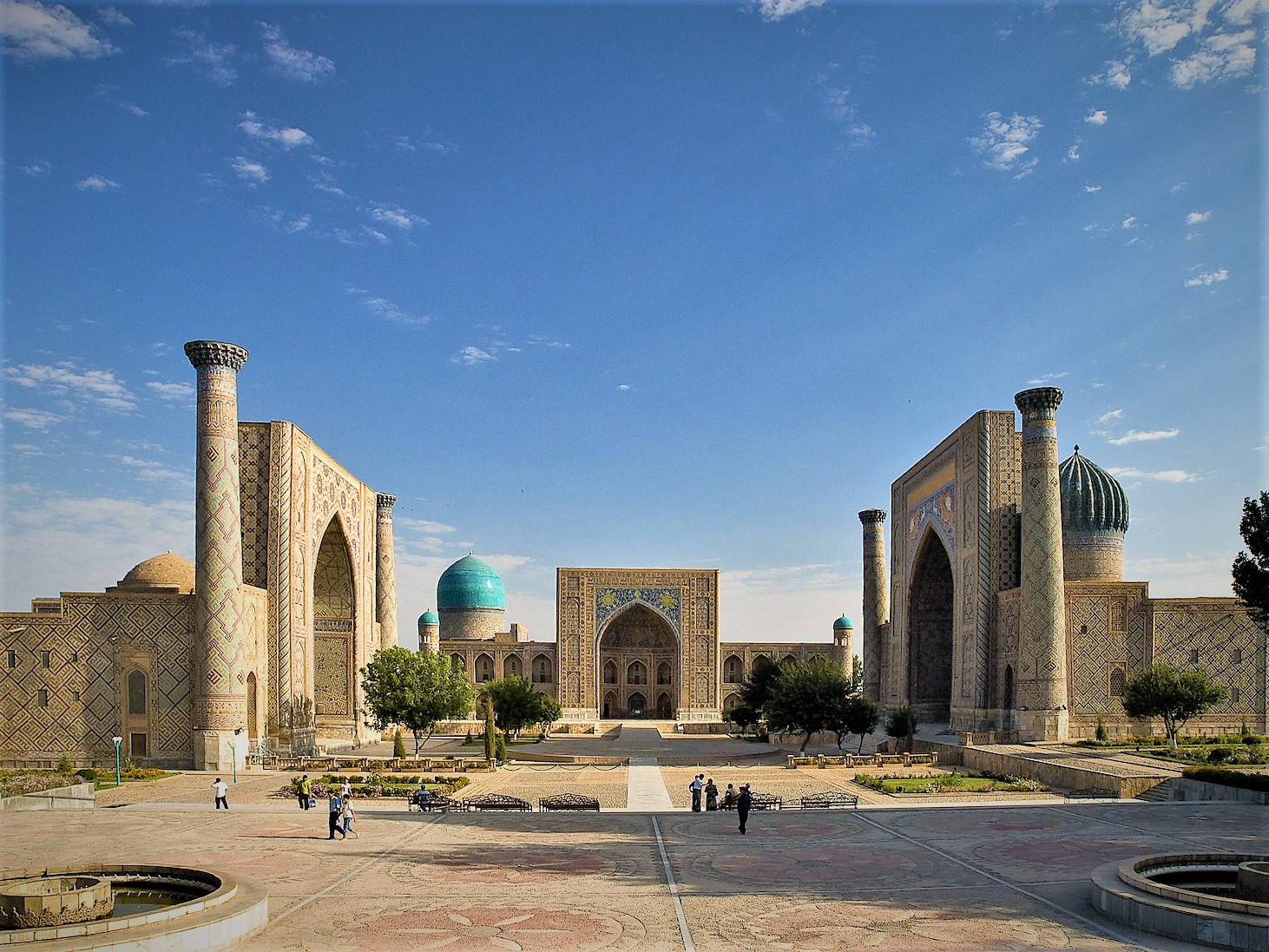 60
60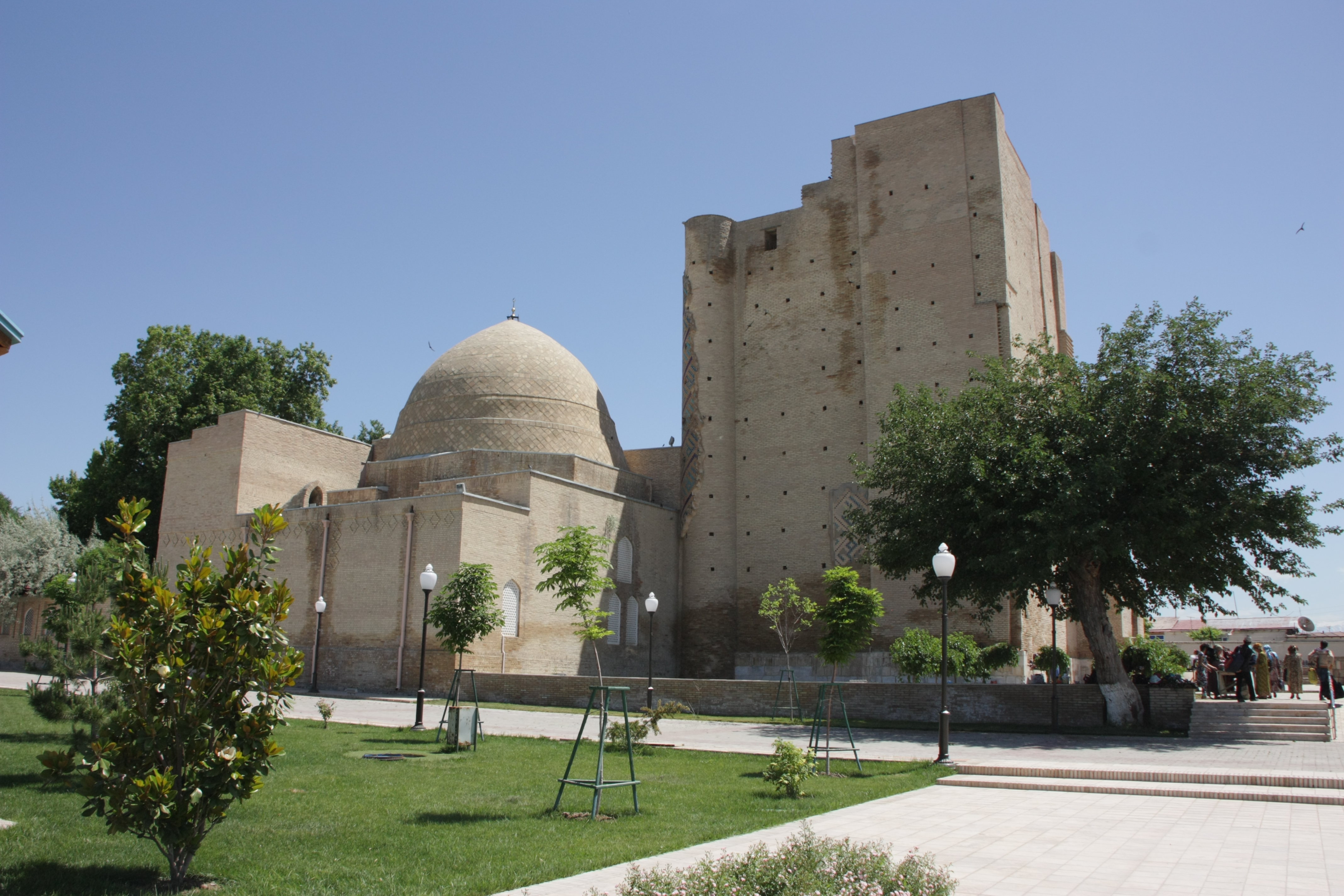 49
49 45
45 55
55The housing requirement and where it actually goes wrong
The accommodation proof asked for here is either a hotel reservation or some other evidence of a place to stay for the length of your visit, and on paper that sounds like the easiest box on the whole list. In practice, this is where people submit something technically true but functionally useless. A refundable one-night hotel booking made purely to generate a confirmation PDF, with no relationship to the actual length of stay being requested, is the classic version of this mistake. It satisfies the letter of the requirement while undermining the story the rest of the application is telling, which is that you intend to be here for the better part of a year.
The tension is real, though. Nobody wants to sign a twelve-month lease sight unseen before they've set foot in the country, and most long-term rentals in Uzbekistan aren't going to hand over a formal reservation document anyway. The workable approach is a middle path: book accommodation, whether a hotel, guesthouse, or short-term apartment platform, that covers a meaningful chunk of the stay you're claiming, even if it's not the full twelve months, and be ready to explain the rest as a plan rather than a guess. A reservation covering the first month or two, paired with a clear budget for ongoing housing, tends to land better than either extreme.
People also underestimate how much this document needs to match dates elsewhere in the file. If your intended arrival date shifts after you've already booked, update the reservation or be prepared for a reviewer to notice the mismatch. It's a small thing, and it's exactly the kind of small thing that turns an otherwise clean application into one that gets sent back for clarification, adding weeks you didn't plan for.
What actually happens after you land
This is one of the few digital nomad programs where the visa you're issued abroad is functionally the same document you're living on a year later. There's no separate residence card to pick up, no in-country conversion process, no second office to visit once you've arrived. What you're granted before departure, valid for twelve months, is what you're operating on for the duration, and renewal means going back through a version of the same process rather than trading up to a different status.
That simplicity cuts both ways. It removes an entire category of stress that trips up people applying for programs elsewhere, the anxiety of holding an entry visa while waiting months for a residence permit to materialize, wondering whether you're accidentally overstaying a technicality. Nothing like that exists here. But it also means there's no upgrade path built into the twelve months themselves. Whatever status you land with is the status you keep until you either renew it or let it lapse.
Local work stays off the table for the entire period, which matters more than it sounds like it does. This isn't a nomad visa that quietly tolerates picking up local clients or freelance gigs once you're settled. Income has to keep flowing from outside the country the whole time, and the visa's premise doesn't bend on that point just because you've been there eight months and made local connections. Anyone who arrives already flirting with the idea of local work, even informally, is planning around a rule that isn't going to move.
The long-term path, and why renewal isn't the same as progress
Renewable is doing a lot of work in how this visa gets marketed, and it's true as far as it goes: you can extend beyond the initial twelve months rather than being forced out the door. What renewal doesn't do is accumulate toward anything. There's no residency clock quietly ticking in the background, no year-two-of-five countdown toward a permanent status. Each renewal resets the same twelve-month grant rather than building a case for something more durable.
For someone treating this as a one or two year experiment in low-cost living while keeping US income intact, that's a non-issue. For someone hoping the visa itself becomes the foundation of a longer-term move, it's the wrong tool, and the earlier that gets acknowledged the better. The decision about whether you actually want to be in Uzbekistan for the long haul, versus just extending a good year into a second good year, needs to happen well before the renewal window opens, not in the scramble right before the twelve months run out. Given how little runway some processing timelines leave, especially without a firm upper bound to plan against, treating the renewal decision as something to handle in month eleven is how people end up in a gap they didn't intend to create.
If permanent residency or a longer legal foothold is actually the goal, that requires shifting into a different visa category entirely, on its own separate track, applied for on its own terms. Nothing about the digital nomad visa feeds into that process, and no amount of consecutive renewals changes that. Anyone building a multi-year plan around this visa should build it around the assumption that it stays exactly what it is: a comfortable, low-friction, temporary base, not step one of a longer legal story.
The judgment call against Georgia
Uzbekistan and Georgia get compared constantly by the same audience, mostly because they occupy similar territory: affordable, historically overlooked, increasingly on the radar of remote workers who want somewhere different from the usual Lisbon-Bali circuit. The honest version of this decision isn't about which country is "better." It's about which friction you'd rather deal with.
Georgia has spent years building a reputation for making entry almost frictionless for many nationalities, to the point where plenty of Americans living there never bother applying for a formal digital nomad status at all, because the visa-free terms already cover what they need. That ease comes with a tradeoff: less of a formal paper trail, less legal clarity if you ever need to prove status for a bank, a landlord, or a tax authority asking questions.
Uzbekistan's version asks for more upfront, an actual application, income documentation, a small fee, a couple of weeks of waiting, but what comes out the other end is a defined, documented status with a clear expiration date and clear renewal terms. For a freelancer who wants something they can point to on paper, that clarity has value. For someone who just wants to show up and figure it out with minimal admin, it's more process than they were looking for.
The other piece worth weighing honestly is banking and cost structure, which differ enough between the two that it's worth checking current conditions before committing rather than assuming either one behaves the way it did a few years back. Neither country solves the long-term residency question, so that part of the decision cancels out. What's left is really a question of how much structure you want around a year abroad, and how much you're willing to trade documentation for simplicity.
Work Permissions
Application Steps
- 1
📋 Verify programme eligibility and requirements
1 week
- 2
📄 Prepare required documents
1-2 weeks
- 3
📬 Apply via Uzbekistan e-visa portal
1 week
- 4
🏛️ Register with local authorities after arrival
1-2 days
This visa requires proof of health insurance. Compare international plans before you apply.
Compare health insuranceWe may earn a commission at no cost to you.
Compare this visa
Curated comparisons that include this route.
Frequently Asked Questions
Click any question to expand the answer.
Ready to Apply?
Work with trusted visa specialists who handle the paperwork so you can focus on your move.
Get help with this visa →* We may earn a commission if you apply through our link
At a Glance
Last verified: May 13, 2026