Application Fee
$265
Overview
Who this residency actually suits
Slovakia's self-employed residency is built around one assumption: you are running something, not receiving something. That distinction matters more than it sounds like it should. A freelancer billing US clients $4,000 to $10,000 a month through their own trade registration fits the shape of this visa. A retiree living off a pension does not, and no amount of paperwork changes that, since pension income isn't recognized as qualifying for this category. If your income comes from a defined-benefit pension, a 401k drawdown, or Social Security payments, this is the wrong visa regardless of how much you have coming in.
The trade-off worth sitting with before you start collecting documents: Slovakia asks you to formally register as self-employed inside its own system, not just prove you're financially self-sufficient from abroad. That means an actual trade license, actual invoicing under that license, and a residency status tied to the ongoing existence of your freelance activity rather than to a fixed net worth or income threshold you clear once and forget. Renewal isn't a formality here so much as a re-audit of whether you're still doing the thing you said you'd do.
Two things swing an application more than anything else. First, whether your income documentation reads as genuine business activity between you and foreign clients, rather than a disguised employment relationship with a single company that happens to pay you as a contractor. Second, whether your paperwork trail, especially anything requiring an apostille, is sequenced correctly before submission rather than assembled in a scramble afterward. Get those two right and the rest of the process is administrative. Get either wrong and you're looking at a resubmission cycle that costs months, not weeks.
This isn't a visa for testing the waters. It rewards people who've already decided Slovakia is where they want a base, and who are willing to run their freelance income through a system that expects continuity, not a one-time snapshot.
Eligibility Requirements
Application Fee
$265
Requirements Checklist
Tax Information
What Slovakia Pulls Into Its Tax Net
Slovakia taxes its residents on worldwide income, not just what you earn inside the country. Spend more than 183 days in Slovakia in a calendar year and you cross the residency line, after which every euro you earn anywhere, freelance invoices billed to US clients, dividends from a US brokerage, rental income on a house you still own back home, falls inside Slovak taxing rights. As of 2026 that income runs through a four-tier progressive scale introduced under the Third Consolidation Package: 19% up to a tax base of EUR 43,983.32 (about $47,500), 25% up to EUR 60,349.21 (about $65,200), 30% up to EUR 75,010.32 (about $81,000), and 35% above that. The old two-bracket system is gone; anyone billing a decent freelance income by year two or three will feel the new 30% and 35% steps in a way the previous 19%/25% split never produced.
Dividends complicate the picture only slightly. Payouts sourced from profits earned in 2017 or later carry a flat 7% withholding at the individual level, applied the same way whether you're resident or not, while dividends traceable to pre-2017 profits escape Slovak income tax entirely, a quirk that matters more than it sounds if you hold shares in an older Slovak company. Capital gains sit outside the progressive scale altogether: securities, business shares, and similar assets fall into a separate tax base taxed flat at 19%, unaffected by the 2026 bracket expansion, and gains on securities held more than three years or Slovak real property held more than five are exempt outright. Rental income and foreign pensions, by contrast, get pulled into the ordinary progressive brackets just described, so a US retiree drawing a 401(k) distribution while resident in Slovakia is looking at the full 19% to 35% ladder, not the flat capital gains rate.
Slovakia doesn't run a preferential tax regime for incoming remote workers or retirees the way some neighboring countries do. There's no reduced flat rate for new residents, no multi-year holiday on foreign income, no digital nomad carve-out layered onto the Živnostník registration. You pay the standard regime described above starting the day residency kicks in, full stop.
The US Return You Still Owe
None of this excuses you from the US side. Citizens and green card holders file a US return no matter where they live, and Slovak residency changes nothing about that obligation. The Foreign Earned Income Exclusion lets you shield up to $132,900 of 2026 earned income, salary or freelance revenue billed under the Živnostník registration, from US tax, but it does nothing for dividends, capital gains, rental income, pensions, or Social Security. A retiree living off a 401(k) distribution and Social Security gets zero benefit from the FEIE; that income stays fully taxable on the US return regardless of what Slovakia does with it.
The Foreign Tax Credit fills some of the gap the FEIE leaves open, but only partially. Slovakia's 19% entry rate sits well below the US top rate of 37%, so the credit offsets US liability on the same income dollar for dollar up to the Slovak tax paid, and the IRS collects the difference on top. Higher earners pushed into the 25%, 30%, or 35% Slovak brackets get closer to full offset, but nobody at the lower end escapes a residual US bill through the credit alone. A US-Slovakia income tax treaty has been in force since 1994, and it does real work on specific income types, Social Security paid to a Slovak resident stays taxable only in the US under that treaty, for instance, but the savings clause means citizens still file and still owe on everything the treaty doesn't carve out. The treaty repositions who taxes what; it doesn't get you out of the return.
Nothing about this visa forces you to open a Slovak bank account, but almost nobody self-employed here avoids one for long: invoicing local clients, paying Slovak self-employment contributions, and filing with the Slovak tax office all run more smoothly through a domestic account. The moment combined balances in Slovak and other foreign accounts exceed $10,000 at any point in the year, FinCEN Form 114 becomes mandatory, and Slovak banks already report to Slovak tax authorities under the FATCA intergovernmental agreement, so the IRS has visibility either way. Miss the filing and the non-willful penalty runs a statutory $10,000 per violation, adjusted for inflation to roughly $16,700 for 2026, per account, per year missed.
Three decisions tend to go wrong in year one, and none of them announce themselves at the time. Picking Bona Fide Residence over the Physical Presence Test, or the reverse, determines whether the FEIE actually applies for that first partial year, since bona fide residence generally requires a full calendar year while physical presence only needs 330 days in any twelve-month window, so someone moving mid-year usually fares better under physical presence even though bona fide residence becomes the more comfortable fit once established. Characterizing a Roth IRA distribution is the second landmine: Slovakia doesn't recognize the Roth as tax-exempt, so a distribution that's tax-free in the US can get treated as ordinary pension income here, taxed at the full progressive rate, unless the structuring happens before the money moves. And if a Slovak account was opened for invoicing and the balance crosses $10,000 for even a day, the FBAR clock has already started whether anyone noticed or not. A first-year advisory engagement, typically $1,500 to $3,000 for a return with foreign accounts and treaty positions, is not the expensive part. Getting one of these three wrong is.
Living in Slovakia
COL Index vs NYC
42.1
Monthly Cost (excl. rent)
$851
1BR Rent (City Center)
$756
Safety Index
69.0
Healthcare Index
58.4
Quality of Life Index
157.6
Time Zone
UTC+01:00
Capital
Bratislava
Population
5.5M
Official Languages
Slovak
Avg Internet Speed
238 Mbps
Public Transit Quality
Good
With a budget covering rent and living costs, you'd need roughly $1,607/mo for a comfortable single-person lifestyle in Slovakia.See how far your money goes →
🏙️ Best Cities in Slovakia for Freelancers
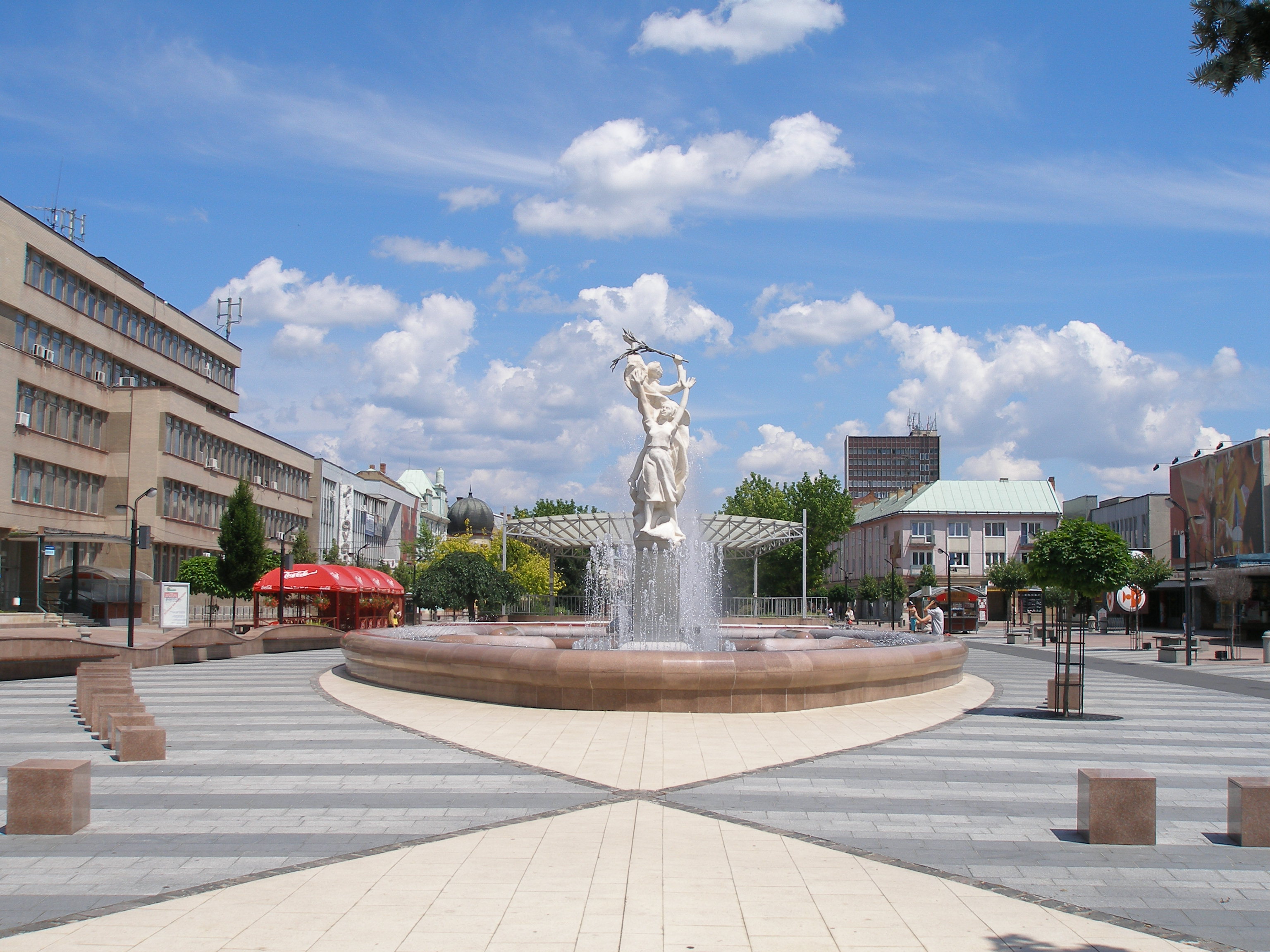 66
66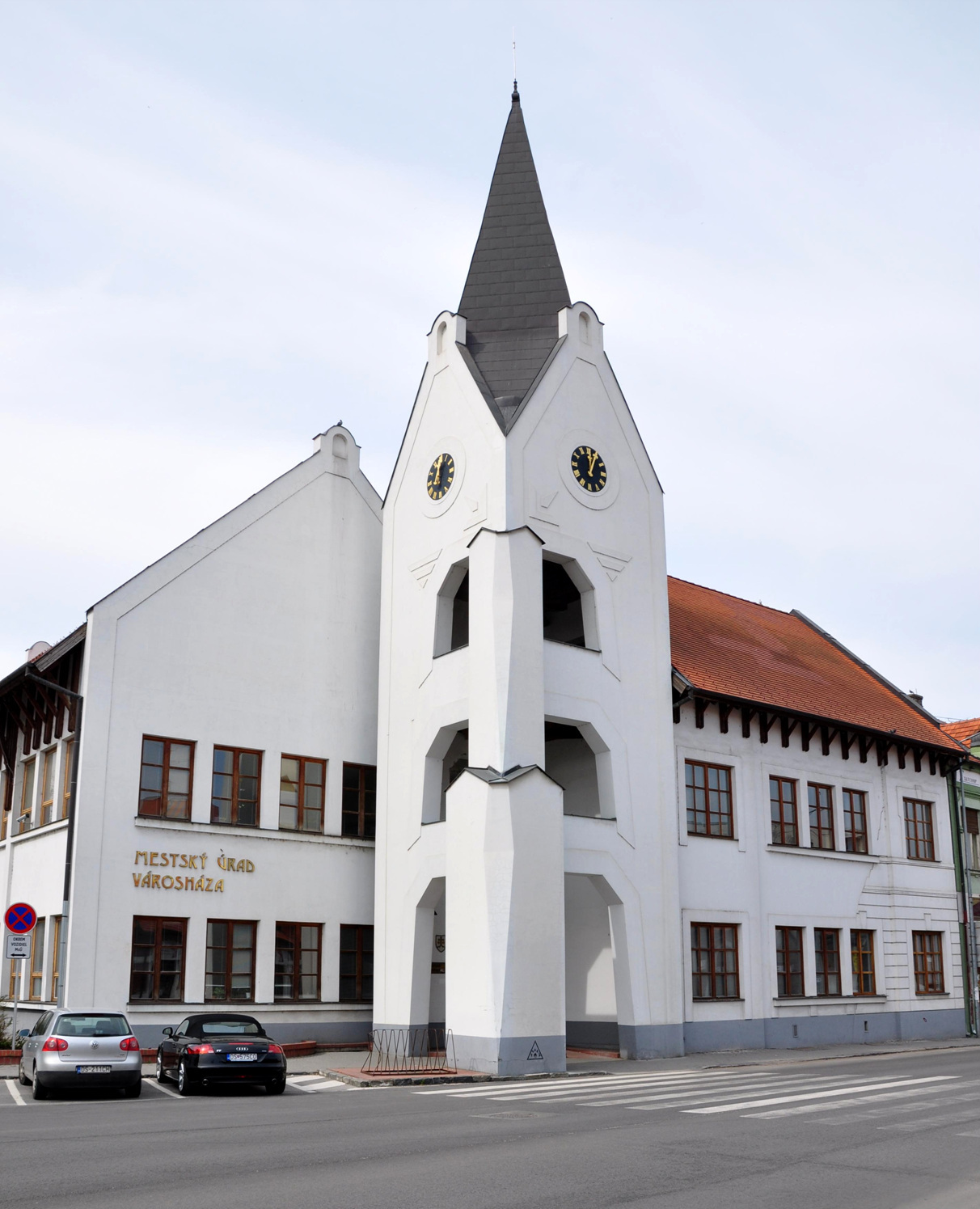 71
71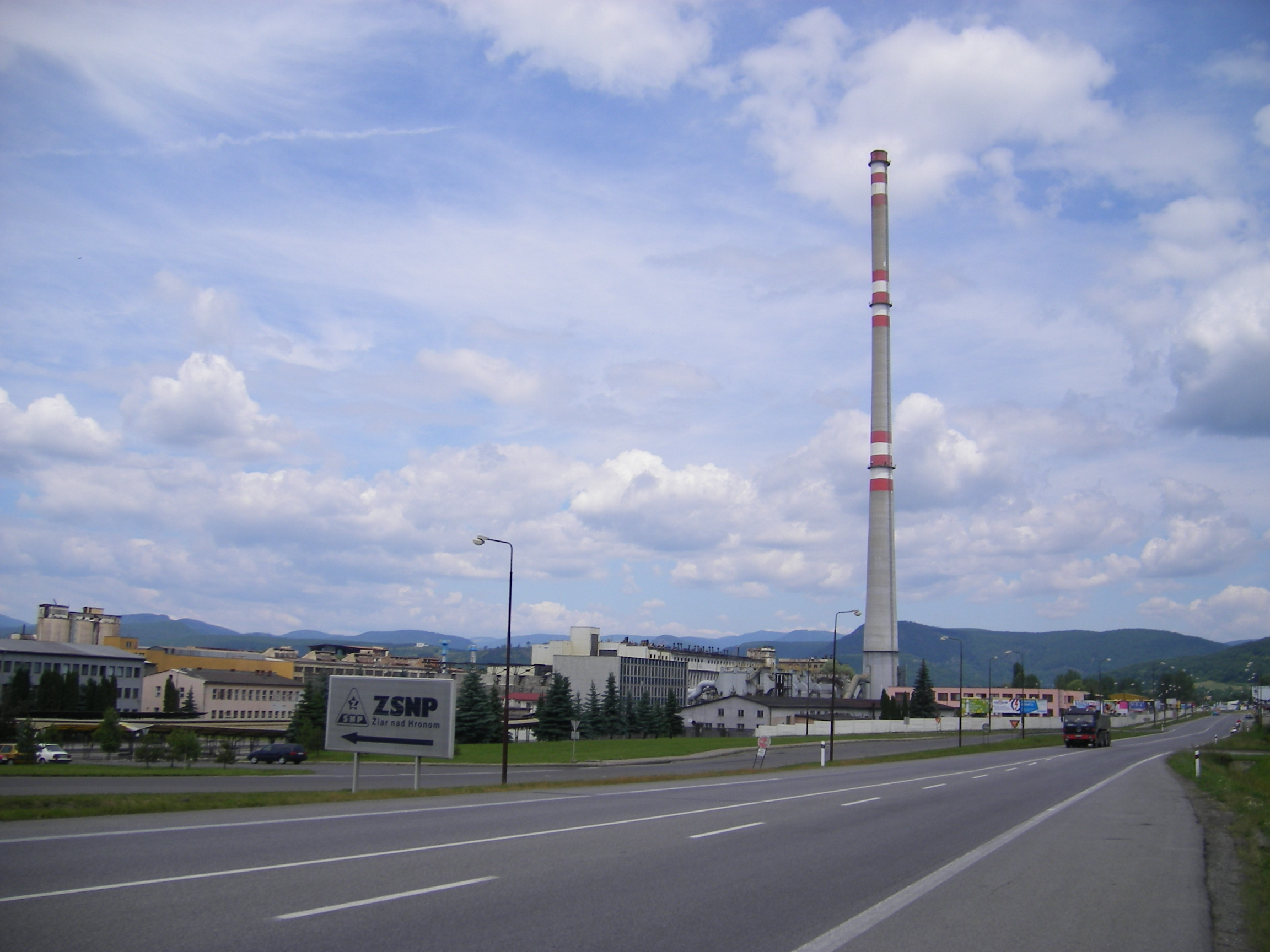 65
65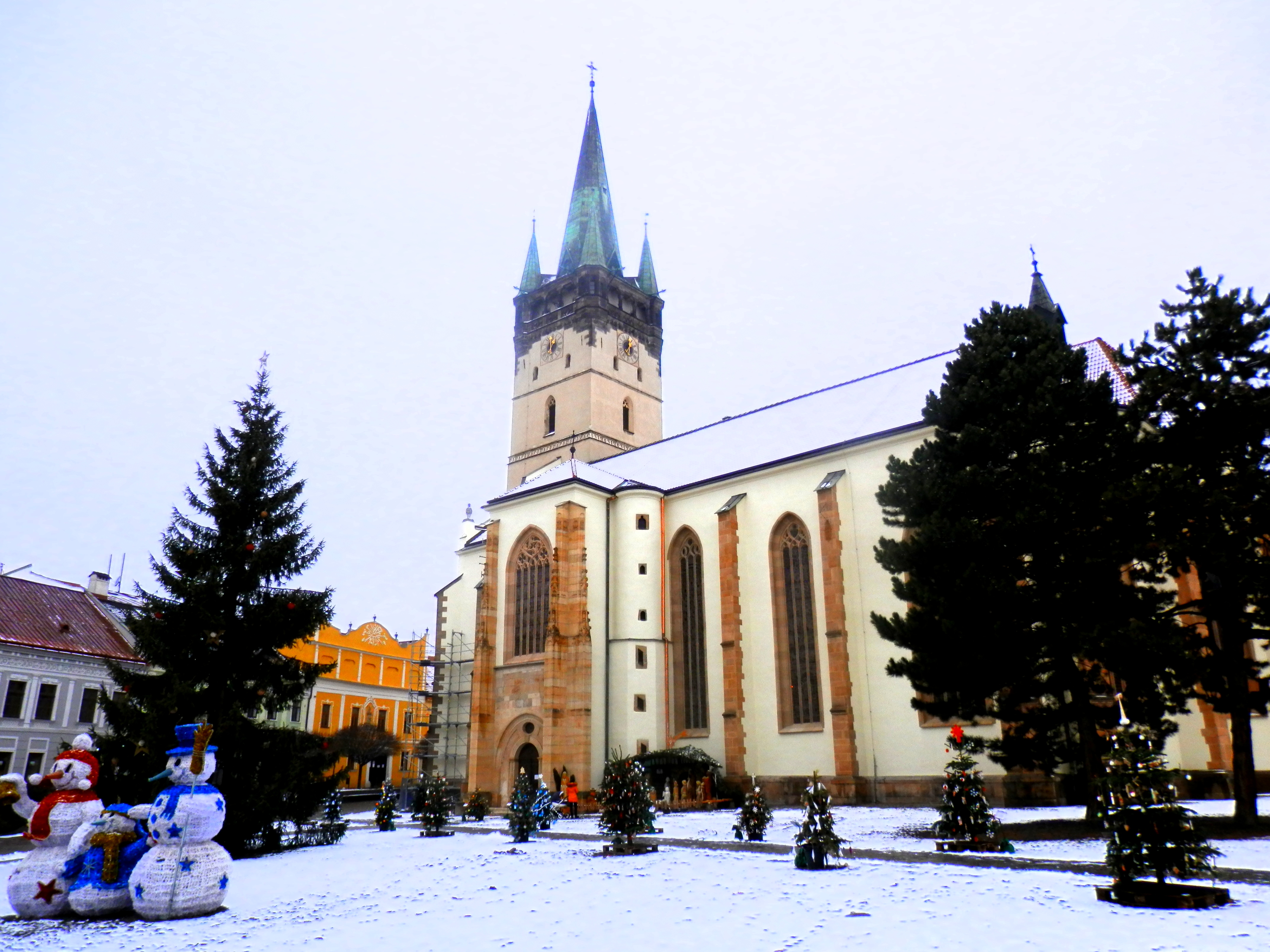 ✦ 75
✦ 75 65
65Getting the income documentation story straight before applying
The paperwork mistake people make with this visa isn't fraud, it's sloppiness about what kind of income they're claiming to have. Slovak officials reviewing a self-employed application are trying to answer one question: is this person actually freelancing, or are they an employee somewhere else who's dressed their paycheck up as invoices to get through the door. If your income is passive, retirement-based, or comes from a pension fund, you're already outside what this category recognizes, and no volume of bank statements fixes that.
For people whose income is legitimately freelance, the sequencing problem shows up differently. Applicants often gather income proof before they've registered anything in Slovakia, then try to retrofit their existing client relationships into a shape that matches a trade license they haven't applied for yet. It works better in the other order. Register your intended trade activity first, understand what income categories it covers, and only then start compiling the invoices, contracts, and statements that prove you've been earning that way. Documentation collected before the license exists tends to look, and often is, mismatched to what you eventually file.
There's a related trap around client concentration. One dominant client paying you monthly, on a fixed schedule, for what looks like full-time hours, reads to a reviewer as an employment relationship wearing a freelancer costume. It doesn't matter that your US tax filing calls you a 1099 contractor. Diversifying the client story, even just documenting that you have more than one paying relationship, does more for your credibility than almost any other single adjustment you can make to an application. If you truly only have one client, be ready to explain the nature of that contract in terms that don't read as disguised employment, because that's the exact profile a reviewer is trained to catch.
None of this needs to be perfect. It needs to be internally consistent, dated in the right order, and honest about what kind of business you're actually running.
The housing requirement and where it goes wrong
Proof of accommodation sounds like the easy part of this application, and that's exactly why people get it wrong. The common failure isn't fraud, it's mismatch: a short-term booking submitted as if it covers a full residency period, or an address that doesn't match what shows up later when you're registering locally after arrival. Consulates and immigration offices cross-reference these details more than applicants expect, and a housing document that reads as temporary when your application implies permanence creates exactly the kind of inconsistency that triggers a request for more information.
The better approach is to treat the accommodation proof as a document that has to survive contact with your actual plans, not just clear the initial filing. If you're not sure yet where you'll live long-term, get something that covers your first months honestly rather than something that overstates a commitment you haven't made. A lease you can't actually honor causes more problems down the line than a shorter-term arrangement as exactly what it is.
Apostille requirements complicate this further, since documents issued outside Slovakia, depending on what they are, may need to carry that authentication before they're accepted. This is one of the areas where people lose the most time, because apostille processing happens in your home country and can't be rushed once you're already deep into the visa timeline. If your accommodation proof or any supporting civil document needs that stamp, get it moving before you touch anything else. Doing it in parallel with the rest of the application, rather than after realizing you need it, is the difference between a clean submission and a six-week delay waiting on a document that should have already been in hand.
There's also a quieter mistake worth naming: assuming a housing document is a one-time hurdle. Since this residency renews rather than converting into something permanent, you'll likely be proving accommodation again at the next renewal, and whatever habits you build the first time, sloppy or careful, tend to repeat.
What happens after you land
Getting the visa approved is not the same as holding a residence permit, and the gap between those two moments is where a lot of people lose momentum. No interview and no medical exam stand between you and approval, which makes the front end of this process feel lighter than it is. But approval abroad typically opens a window for you to enter Slovakia and complete the steps that actually establish your legal status on the ground, and that window doesn't stay open indefinitely.
Health insurance has to be arranged, not just documented on paper before departure. Coverage that satisfies the application requirement needs to remain active and verifiable once you're physically present, and letting it lapse between the approval stage and your arrival is a self-inflicted problem that shows up at exactly the wrong moment.
There's no requirement to open a Slovak bank account for this residency, which surprises people who assumed local banking was mandatory. In practice, plenty of self-employed applicants end up opening one anyway, because invoicing clients and paying Slovak taxes gets easier with a local account even when nothing forces you into it. Don't let the absence of a formal requirement talk you into skipping something that would otherwise save you friction.
The trade license itself, the actual registration that makes you self-employed in the eyes of Slovak authorities, is the piece people underestimate. It's not a rubber stamp that happens automatically once you arrive. It has its own sequence, its own office, and its own timing relative to when you pick up your physical residence document. Treating the visa approval as the finish line, rather than the halfway point, is the single most common way people end up scrambling in their first months in the country instead of settling in.
The long-term path and the alternative worth weighing
This residency does not lead to permanent status on its own, and that's a planning fact, not a footnote. Renewable indefinitely, yes, but renewable is a different promise than a track toward permanence. If your five-year plan assumes this visa quietly converts into something more settled once you've stuck around long enough, that assumption needs to be rebuilt. What you actually get is a recurring re-approval, tied every time to whether your self-employed activity still looks legitimate and sufficient, with no guaranteed exit into a stable, permanent category to this specific route.
For some people that's fine. If the plan is a few years of EU-based freelancing with the flexibility to leave, renewal without a permanence guarantee isn't a real cost. For someone specifically chasing an eventual settled status in Europe, it's worth being honest that this visa, by itself, isn't the vehicle for that, and any longer-term ambition will likely require a different legal basis down the line, not just patience.
That's the point where the obvious alternative enters the conversation. Other EU countries offer their own self-employed or freelancer categories, and the real decision isn't which country has marginally better weather or lower rent. It's whether you want a visa that treats you as building something durable in that country's own economic base, the way Slovakia's does, versus a country whose freelancer track is looser about local integration but comparably uncertain about a long-term settled outcome. Neither approach is wrong. But choosing Slovakia because it's within the EU and has a straightforward self-employed category, without confronting that it doesn't itself deliver permanent residency, is choosing a good near-term tool while assuming it's also a long-term one. Those are different decisions, and they deserve to be made separately rather than by default.
Work Permissions
What's typically permitted:
Application Steps
- 1
Research
Verify all requirements for this visa type and country
- 2
Gather documents
Obtain all required documents (passport, financial statements, health insurance, etc.)
- 3
Complete application
Fill out the official application form
- 4
Submit application
Submit all documents to the appropriate consulate or online portal
- 5
Pay fees
Complete payment of application and visa fees
- 6
Attend interview
If required, attend any scheduled interviews
- 7
Wait for decision
Processing times vary from weeks to months
- 8
Travel and activate
Once approved, travel to the country and complete any activation requirements
Frequently Asked Questions
Click any question to expand the answer.
Ready to Apply?
Work with trusted visa specialists who handle the paperwork so you can focus on your move.
Get help with this visa →* We may earn a commission if you apply through our link
At a Glance
Last verified: October 9, 2026