Overview
Getting the income documentation story straight before applying
The instinct with any income-based visa is to treat the number on the requirements list as the whole test. It isn't. What consulates and Romanian immigration officers are actually screening for is whether your income comes from something durable and self-generated, not whether you cleared a bar once on a bank statement. Since pension income and social security payments don't count toward eligibility here, this route is built around active work: invoices, signed contracts, a client history that shows continuity rather than a single large deposit that appeared two months before you applied.
That creates a specific problem for freelancers who invoice irregularly. If your income arrives in uneven chunks, quarterly retainers or lump payments for finished projects, you need to reconstruct that pattern into something that reads as steady on paper. Bank statements alone won't do it. Pair them with the underlying contracts and, where you have them, letters from clients confirming an ongoing relationship. Officers reviewing self-employment cases have seen the version where someone's freelance income is really disguised employment, a single client paying what functions as a salary, and that pattern draws more questions than it answers.
There's also a sequencing issue specific to the self-employed structure. Formal registration as a PFA, the legal designation that lets you operate as a sole trader in Romania, tends to happen once you're already in the country and further along in the process, not before you apply. So you're documenting income you're currently earning as a foreign-based freelancer, using contracts and invoices tied to your existing setup, while planning for the Romanian registration to catch up once you arrive. Applicants who wait to have the Romanian paperwork fully resolved before applying often stall out for no reason, since that's not the sequence the process was built for.
One more detail worth sitting with: because local work isn't permitted under this permit, your income has to be legibly foreign-sourced. Contracts with Romanian entities, if you have any, need separate handling and won't count the same way. Keep the documentation trail clean about where the money originates.
Eligibility Requirements
Requirements Checklist
Tax Information
How Romania Taxes What You Actually Earn
Romania taxes residents on worldwide income, and for a US freelancer working under a PFA permit that means salary substitutes, self-employment revenue, foreign dividends, brokerage gains, and any rental income still coming from a property back home all land in scope once you become a Romanian tax resident. Self-employment and employment income both sit under a flat 10% rate as of 2026, which is the headline number that draws people to Romania in the first place. The permit itself only authorizes self-employed activity, not local salaried work, so the income you're structuring around is almost always freelance or contract revenue billed to clients outside Romania.
Passive income gets taxed separately and less favorably than it used to. Dividends paid to Romanian residents carry a flat 16% withholding as of 1 January 2026, up from 8% the year before, with a narrow transitional window that let 2025 distributions based on 2025 interim financials keep the old 10% rate. That window has closed. On top of the withholding, CASS, the social health contribution, adds another 10% on dividend income once it clears RON 24,300 (about $5,300) for the year. Capital gains on securities and crypto held outside a Romanian brokerage now sit at 16% too, also raised from 10%. If you route trades through a Romanian intermediary instead, the rate drops on a sliding scale, roughly 1% past a 365-day hold, 3% between 180 and 365 days, and 6% under 180 days, which rewards patience in a way the flat 16% doesn't. Real estate sales run on their own track: 3% on the gain for anything held under three years, with a reduced base for longer holds.
There's no general expat tax program here. Romania does run two sector exemptions, one for IT employees and one for construction workers, that waive the 10% wage tax entirely, but both require an employment contract with a qualifying registered employer, not a PFA self-employment setup. A freelancer coding for a US client under this permit doesn't fit either box. The standard flat 10% on self-employment income is the regime you're actually operating under, and the social contributions (CAS and CASS) that ride alongside it apply the same way they would to any Romanian self-employed person.
The IRS Doesn't Recognize Your Romanian Tax Residency
None of the above changes what you owe the US Treasury. Citizens and green card holders file every year regardless of where they live, and the Foreign Earned Income Exclusion, worth up to $132,900 for the 2026 tax year, only shelters earned income: your freelance billings, your self-employment revenue, the kind of thing a PFA permit generates. It does nothing for the dividends, the capital gains, the rental income, or any pension and Social Security payments still landing in a US account. A housing exclusion of roughly $9,600 is available on top of the earned income exclusion if you qualify under either the Bona Fide Residence Test or the Physical Presence Test, and Romania places no travel restrictions on US citizens that would complicate hitting the 330-day threshold the Physical Presence Test demands.
Where the Foreign Tax Credit matters is on the income FEIE can't touch. Romania's flat 10% rate on earned income sits below most US marginal brackets, so the credit generated there offsets part of your US liability but rarely all of it; anyone earning enough to sit above the 10% US bracket equivalent will still owe residual tax after the credit. The credit does more useful work against Romanian-taxed dividends and investment income, where the local bite is now heavier at 16%. A tax treaty between the US and Romania has been in force since 1974, and its savings clause means the treaty doesn't get you out of filing, it just repositions specific income types, pensions under Article 18 being the clearest example. US-sourced 401(k) and IRA distributions received as a Romanian resident are generally taxable in Romania at the flat 10% rate with a credit available for US tax withheld, while Roth distributions get no such recognition since Romania doesn't treat them as tax-exempt the way the US does, meaning they're likely taxed locally as ordinary income. Social Security benefits are the one bright spot: in practice most US retirees rely on treaty language to keep those payments taxable only in the US.
FBAR is the piece people forget until it costs them. The visa itself doesn't force you to open a Romanian bank account, but living here without one is impractical, salary deposits, utility payments, and rent all tend to require a local IBAN, so almost everyone opens one anyway. Once your combined foreign account balances, Romanian and otherwise, cross $10,000 at any point during the year, FinCEN Form 114 becomes mandatory, and Romanian banks are FATCA-compliant, meaning they report US account holders to Romanian authorities who pass that data straight to the IRS. Miss the filing and the non-willful penalty for 2026 runs around $16,700 per violation, a figure that adjusts upward every year, so waiting to deal with it later doesn't make the number smaller.
The three decisions that actually cost people money in year one are predictable. First is the FEIE election itself, Bona Fide Residence versus Physical Presence, since choosing wrong or filing late can forfeit the exclusion for a year you can't go back and fix. Second is treating dividend and capital gains income as an afterthought now that both sit at 16% instead of 10%, which changes the FTC versus FEIE math for anyone with a real investment portfolio. Third is the FBAR filing for whatever Romanian account you end up opening out of practical necessity, since the penalty exposure doesn't care that the account was never legally required by the visa. A first-year advisor engagement, typically $1,500 to $3,000, covers exactly these three decisions and usually pays for itself the first time it prevents one of them from going wrong.
Living in Romania
COL Index vs NYC
40.6
Monthly Cost (excl. rent)
$659
1BR Rent (City Center)
$508
Safety Index
67.7
Healthcare Index
56.5
Quality of Life Index
142.2
Time Zone
UTC+02:00
Capital
Bucharest
Population
19.3M
Official Languages
Romanian
Avg Internet Speed
368 Mbps
Public Transit Quality
Fair
With a budget covering rent and living costs, you'd need roughly $1,167/mo for a comfortable single-person lifestyle in Romania.See how far your money goes →
🏙️ Best Cities in Romania for Freelancers
 70
70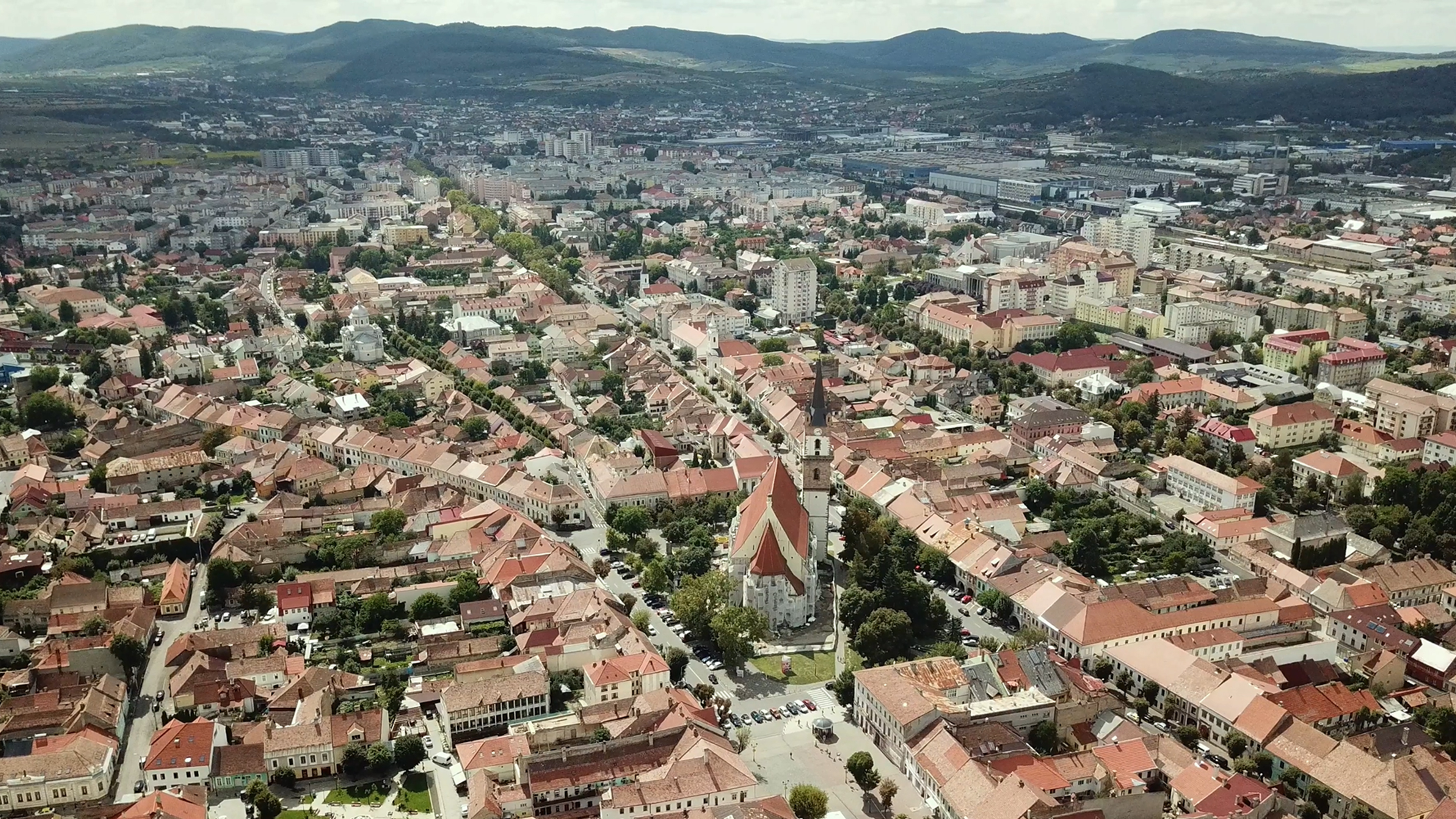 72
72 68
68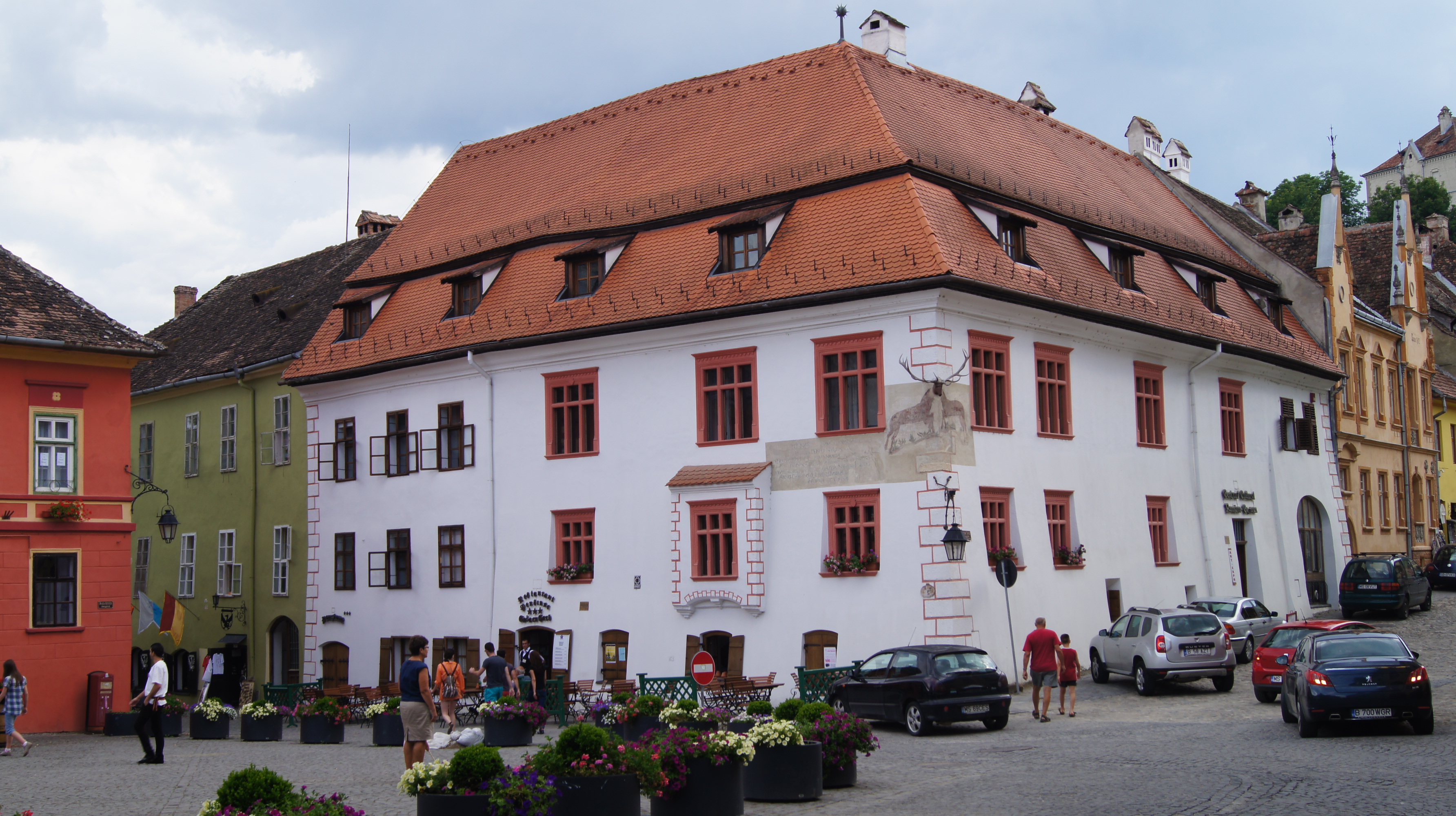 72
72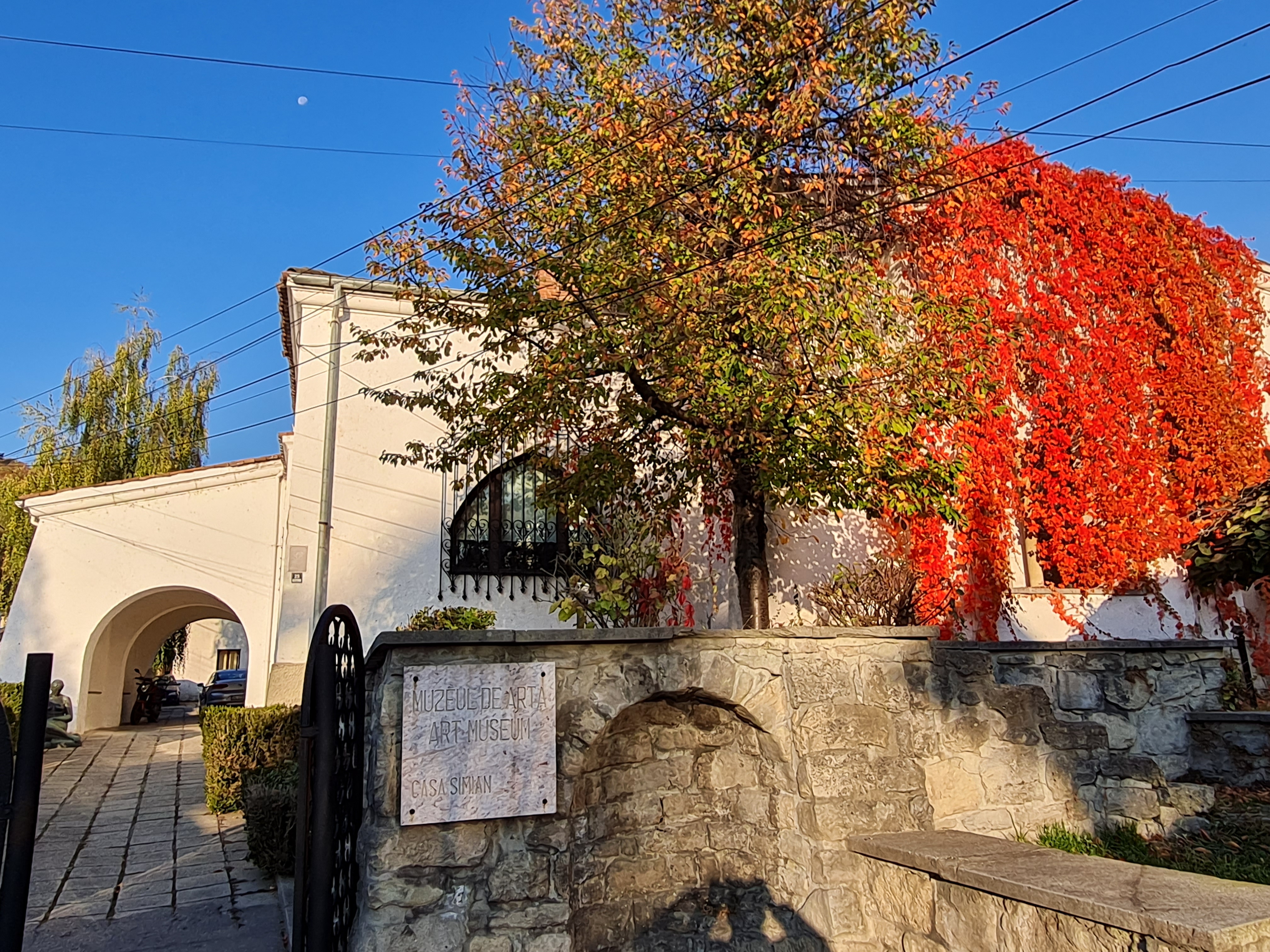 67
67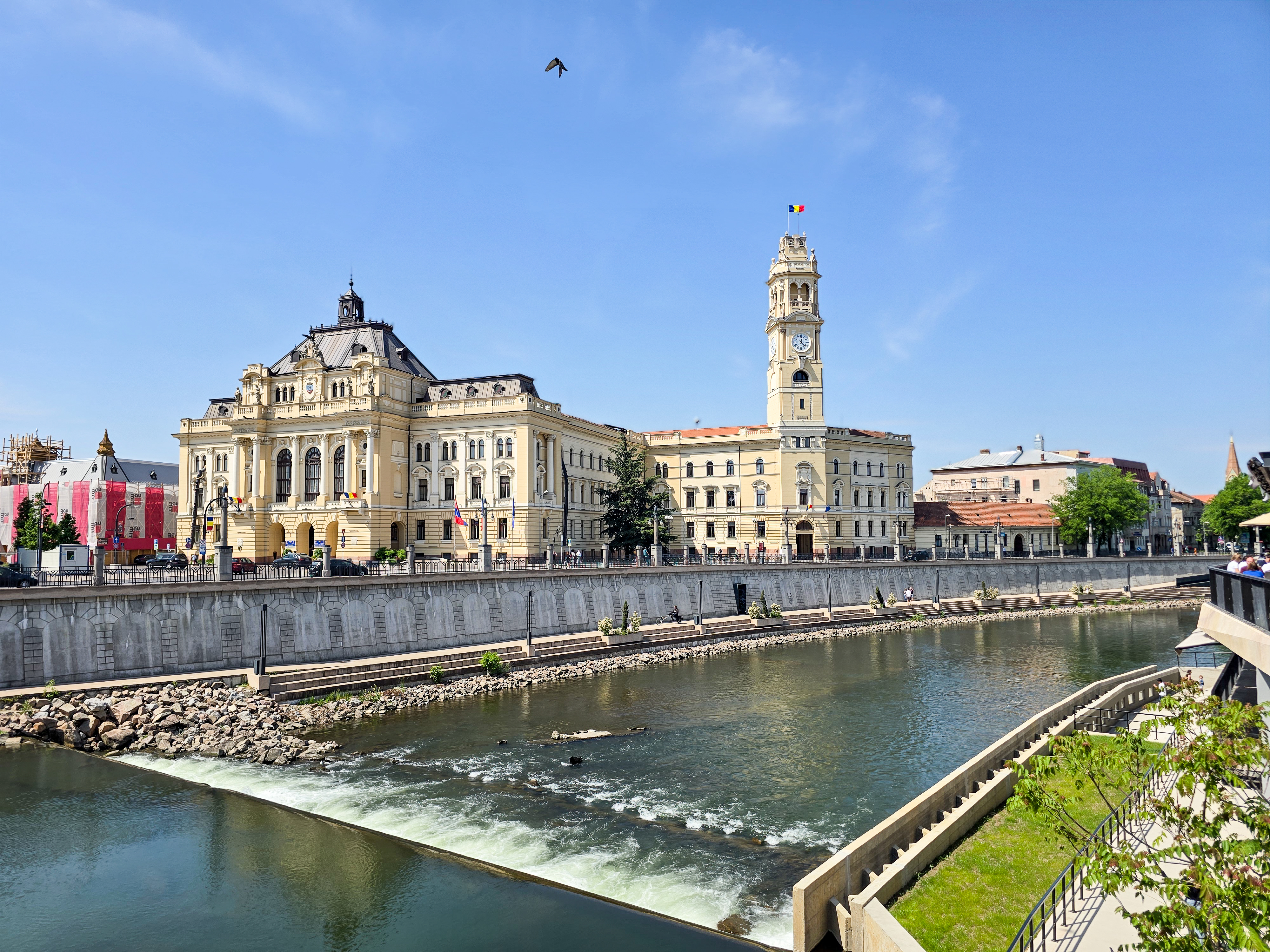 ✦ 79
✦ 79The accommodation requirement and where people trip on it
Almost everyone applying for a residence permit in Romania underestimates how much weight the address requirement carries later in the process, not just at the visa stage. A short-term booking confirmation, the kind you'd get from a platform reservation, reads to an officer as a placeholder, not a home. What you actually need is something that functions as a real lease: a rental contract with a term that reasonably matches your intended stay, ideally one the landlord has registered with the Romanian tax authorities.
That last part trips people up constantly. Plenty of landlords, especially ones renting informally to foreigners, don't register the lease because it creates tax exposure for them. The tenant assumes a signed contract is sufficient proof of address regardless of whether it's registered, and that assumption causes delays once the residence permit application moves forward inside the country. It's worth asking a prospective landlord directly whether they intend to register the contract before you sign anything, since an unregistered lease can leave you holding paperwork that looks valid but doesn't function the way you need it to.
The other common mistake is timing. People sign a short lease to keep costs low while they "figure out the city," intending to move once they've landed. That's reasonable as a life decision and a bad idea as a paperwork decision, because your address documentation needs to hold steady through the registration steps that follow arrival. Switching addresses mid-process means resubmitting proof, and proof takes time to generate again if your new landlord isn't set up to register a lease quickly. Sort out where you're actually going to live for at least the first year, and treat that decision as part of the application rather than something you'll handle after the visa is stamped.
The gap between an approved visa and an actual permit
Getting the visa approved abroad feels like the finish line, and for a lot of applicants it functions that way psychologically even though it isn't one procedurally. The visa gets you into Romania. It doesn't make you a resident. Once you land, there's a separate application for the residence permit itself, and that's the document that actually authorizes your stay and needs to be filed within the window Romanian authorities set for that step after entry.
This is where people lose weeks they didn't budget for. The visa process abroad is often the part applicants research most heavily, since it's the part standing between them and the flight. The domestic filing, the part that happens once you're already living out of a suitcase in an unfamiliar city, tends to get less preparation even though it's the step that determines whether you can legally stay past your visa's window. Because there's no medical exam and no apostille requirement complicating this stage, the paperwork itself isn't heavy. The risk is procedural drift: not knowing exactly when the clock on your filing window starts, or assuming the visa's validity period and the filing deadline for the residence permit are the same thing when they aren't.
Budget your first two to three weeks in Romania around this, not around apartment hunting or setting up a phone plan. Confirm the address you're using is fully documented before you file, since that's the piece most likely to be questioned. And treat the interval between arrival and permit approval as a period where you're still, functionally, a visitor with expiring paperwork, not a resident with a runway.
What the long-term path actually requires
Here's the part that changes the calculus for people planning further ahead than a year or two: this residence category doesn't, on its own, lead to permanent residency. That's a meaningful distinction from how a lot of applicants mentally model these visas, where the assumption is that any renewable work-based permit eventually converts into something permanent if you stay long enough and keep renewing.
The permit is renewable, which means you can keep operating and living in Romania on this basis indefinitely as long as you continue meeting the underlying income and documentation requirements. But renewability and a path to permanence are different things. If the plan is to eventually hold Romanian citizenship or unrestricted EU long-term residence, this specific route isn't the vehicle for that, and you'll need to look at a different category or a different strategy to get there, rather than assuming years of renewal accumulate automatically into something more permanent.
For someone using this visa as a multi-year base while running a freelance business, that's fine. Not every EU move needs to end in citizenship, and a lot of people using this permit are optimizing for lifestyle and cost of living over a defined window rather than for a passport. But if permanence is actually the goal, it changes what you should be researching in parallel from day one, rather than treating this permit as the first rung of a ladder it isn't designed to be.
Choosing this over a more established freelance route
The most obvious comparison for a US freelancer weighing Romania is one of the more established Western European freelance or digital nomad routes, Portugal or Spain being the usual reference points people have already half-researched before they get here. Those programs tend to carry higher income floors and more procedural weight, but many of them build toward permanent residency in a way this permit explicitly doesn't.
Romania's version asks less of you upfront. The income floor sits meaningfully lower, at $2,293 per month as of 2026, and the permit is open regardless of nationality, without the kind of country-specific carve-outs that quietly narrow eligibility elsewhere. For someone whose freelance income is still ramping, or who wants an EU base without restructuring their finances to clear a much higher bar, that's a real advantage, not a consolation prize.
What you're trading for that lower bar is the absence of a built-in path to something permanent, plus a firmer restriction on local work than some comparable programs carry. If your five-year plan involves an EU passport, front-load your research into the alternative now, because switching tracks later costs time you won't get back. If your actual plan is two or three years of legal, low-friction living and working from inside the EU while your freelance business grows, Romania's version asks less of you at every stage of the process, and that's worth taking seriously rather than defaulting to the country everyone else already talks about.
Work Permissions
Application Steps
- 1
Research
Verify all requirements for this visa type and country
- 2
Gather documents
Obtain all required documents (passport, financial statements, health insurance, etc.)
- 3
Complete application
Fill out the official application form
- 4
Submit application
Submit all documents to the appropriate consulate or online portal
- 5
Pay fees
Complete payment of application and visa fees
- 6
Attend interview
If required, attend any scheduled interviews
- 7
Wait for decision
Processing times vary from weeks to months
- 8
Travel and activate
Once approved, travel to the country and complete any activation requirements
Frequently Asked Questions
Click any question to expand the answer.
Ready to Apply?
Work with trusted visa specialists who handle the paperwork so you can focus on your move.
Get help with this visa →* We may earn a commission if you apply through our link
At a Glance
Last verified: October 9, 2026