Min Monthly Income
$3,700
Processing Time
4-12 wks
Difficulty
Moderate
Duration
9 months
Overview
Romania’s Digital Nomad Visa targets remote employees and contractors working for companies registered outside Romania, including owners of foreign companies. Local work is explicitly prohibited, so you cannot take a Romanian employment contract or sell services into the local market. the program does not disclose a minimum monthly income or savings threshold, but third‑party sources describe an income test pegged to a multiple of the Romanian average wage; verify the exact RON figure with a consulate before planning around it if you’re earning, say, $3,800/month from remote work.
The current residence permission linked to this visa runs for 9 months, with renewal allowed, though renewal costs and conditions are not publicly specified. Years of residence can count toward Romanian permanent residence after 5 years, which matters if you’re thinking about a decade‑long EU base rather than a one‑off stint. Whether the digital nomad route can be converted into permanent residence or citizenship after those 5+ years is not specified, so anyone planning long‑term EU settlement should view this as a possible stepping stone, not a guaranteed pipeline.
Operational friction is moderate: health insurance is mandatory, but there is no apostille, FBI background check, medical exam, or in‑person interview requirement listed in the program rules. That aligns with a Bureaucracy Score of 1/5. In practice, you should expect to assemble proof of foreign employment or company ownership, income statements, and tax compliance from your home country; Romanian‑language translations are often demanded, and sources report problems when local authorities do not recognize foreign tax or bank documents.
Physical presence rules are not publicly specified for this visa category, nor are maximum consecutive absences, which complicates planning if you want to split time among several countries each year. If Romania applies its general tax‑residency rules (often 183 days) without any digital‑nomad carve‑out, a 9‑month stay could make you a tax resident even though the tax regime for this visa is not disclosed. Without a clear presence requirement, you need to think about how many days you actually want to spend in‑country versus keeping freedom to move.
This setup makes most sense if you already earn location‑independent contractor or business income from outside Romania, in the $3,000–$6,000/month range, and want a medium‑term foothold in the EU without committing immediately to permanent residence. It is a poor fit if your income is primarily from pensions, Social Security, or rental/ETF dividends and you cannot document a genuine remote job or company registered abroad.
Eligibility Requirements
Any nationality can apply in principle for the Romania Digital Nomad Visa; visa rules list nationality restrictions as “all,” meaning there is no published passport‑based exclusion for this category. In practice, applicants from sanctioned or geopolitically sensitive countries such as Iran, North Korea, Syria, Cuba, and in some banking contexts Russia can encounter consular refusals, difficulty obtaining residence permits, or an inability to open Romanian bank accounts even if the law does not explicitly forbid them. Before investing in translations and document legalization, confirm your eligibility and any informal consular limits directly with Romania’s General Inspectorate for Immigration (Inspectoratul General pentru Imigrări) or the Romanian consulate handling your case.
Min Income
$3,700
Min Age
18 yrs
Duration
9 months
1099 Contractor · Business Owner
Requirements Checklist
0 of 19 documents in hand
0%These take the longest, so start them first.
Request these while the slow items are in progress.
You only need these on the day you submit.
How and where to apply
Apply at a Romanian consulate or embassy in your home country. Submit documents in person after booking an appointment via the consulate's portal. In-country application is not available; you cannot switch from a tourist visa.
Tax Information
Local tax regime and scope
Romania’s tax regime type for digital nomads is not specified in visa rules, and there is no named special regime like Portugal’s NHR or Italy’s lump‑sum non‑dom. Romania generally runs a worldwide‑income model for tax residents, with flat rates on salary and investment income, but it is unclear whether any exemption or grace period applies specifically to Digital Nomad Visa holders. Some secondary sources mention a 6‑month income‑tax exemption for digital nomads, but this is not reflected in the structured facts and should not be assumed for long‑term planning.
Without an official, visa‑specific rule, a conservative assumption is: if you become a Romanian tax resident, foreign‑source income such as remote salary, consulting income, pension distributions, and rental income from property abroad can be brought into the Romanian tax net at standard personal rates. If you remain a non‑resident, Romania would generally only tax Romanian‑source income, which you are not allowed to earn under this visa.
Capital gains on foreign investments
There is no publicly specified rule in visa rules about how capital gains from foreign ETFs or index funds are treated for Digital Nomad Visa holders. Under Romania’s general rules for tax residents, capital gains on foreign securities are taxed, but because the visa’s exact tax regime is not disclosed, someone living off brokerage sales in a foreign account cannot rely on a clear exemption. In other words: gains from selling ETFs in a US, Canadian, or Australian brokerage account are likely to be within scope if you are a Romanian tax resident, but the exact rate and reporting mechanism need to be confirmed locally.
Tax residency triggers
visa rules do not state when or whether a Digital Nomad Visa holder becomes a Romanian tax resident. Romania’s domestic law often uses a 183‑day presence threshold within a 12‑month period to define tax residency, but there is no explicit link in the facts tying visa issuance to automatic tax residency, nor any published physical‑presence requirement or maximum consecutive absence for this visa. Practically, if you spend 9 months in Romania under this status, you should assume a real risk of being treated as tax resident under general law even though the visa framework itself stays silent.
Local filing and registration
Because the tax regime type and tax‑residency trigger for this visa are not specified, the exact filing obligations are also unclear in visa rules. There is no explicit requirement for a local bank account or for registration with the tax authority in the data provided. If you cross 183 days in‑country or are asked to register a residence permit, expect to need a Romanian tax ID and to file an annual income declaration under standard deadlines, then confirm those obligations directly with a Romanian tax advisor.
Tax treaty status
Tax treaty status with the US is listed as unknown. Romania does in fact have income‑tax treaties with many countries, including the United States, but because visa rules mark the status as unknown, you cannot rely on treaty protection as part of this visa’s documented features. When the treaty position is uncertain in the structured data, plan as though double taxation is possible on US‑source income and on foreign investment income, and let a professional apply the treaty articles to your specific situation.
For US Citizens and Green Card Holders
US persons on the Romania Digital Nomad Visa keep their standard US filing load. Remote work income—salary from a foreign employer, contractor payments from non‑US clients, or consulting income—can be sheltered using the Foreign Earned Income Exclusion on Form 2555. The 2024 FEIE limit is $126,500 of earned income; it does not cover ETF dividends, capital gains, pension distributions, or Social Security. Given the 9‑month visa duration and the likelihood that you will be moving among several countries, the Physical Presence Test (330 full days abroad in any 12‑month period) is usually more realistic than the Bona Fide Residence Test, which demands that Romania look like your long‑term home.
When Romania taxes you on the same income, the Foreign Tax Credit on Form 1116 becomes relevant. FTC only helps where Romania’s effective tax rate on that specific income stream exceeds or approaches the US rate. If Romania either does not tax certain foreign‑source income under your actual pattern of residence or offers a partial exemption period, there may be little or no foreign tax to credit, and FTC will not offset US tax on your dividends or capital gains.
FBAR (FinCEN 114) kicks in once the aggregate value of your foreign financial accounts—Romanian and non‑Romanian—exceeds $10,000 at any point in the year. This is separate from FATCA Form 8938, which has higher thresholds. visa rules do not require a Romanian bank account, but in practice many digital nomads open one for rent and day‑to‑day living; that alone can push you over the $10,000 line when combined with other foreign accounts. Non‑willful FBAR penalties start at $10,000 per year, per violation.
To navigate this cleanly, you need two specialists: a US CPA focused on expat taxation who can integrate FEIE, FTC, FBAR, and Form 8938 with your brokerage withdrawals, and a Romanian tax advisor who can confirm if and when you become tax resident and what to file locally. The $1,500–$3,000 spent in year one on that combined advice is usually repaid through avoided penalties and better elections on where and how your income is taxed.
Living in Romania
COL Index vs NYC
40.6
Monthly Cost (excl. rent)
$659
1BR Rent (City Center)
$508
Safety Index
67.7
Healthcare Index
56.5
Quality of Life Index
142.2
Time Zone
UTC+02:00
Capital
Bucharest
Population
19.3M
Official Languages
Romanian
Avg Internet Speed
368 Mbps
Public Transit Quality
Fair
With a budget covering rent and living costs, you'd need roughly $1,167/mo for a comfortable single-person lifestyle in Romania.See how far your money goes →
🏙️ Best Cities in Romania for Digital Nomads
 70
70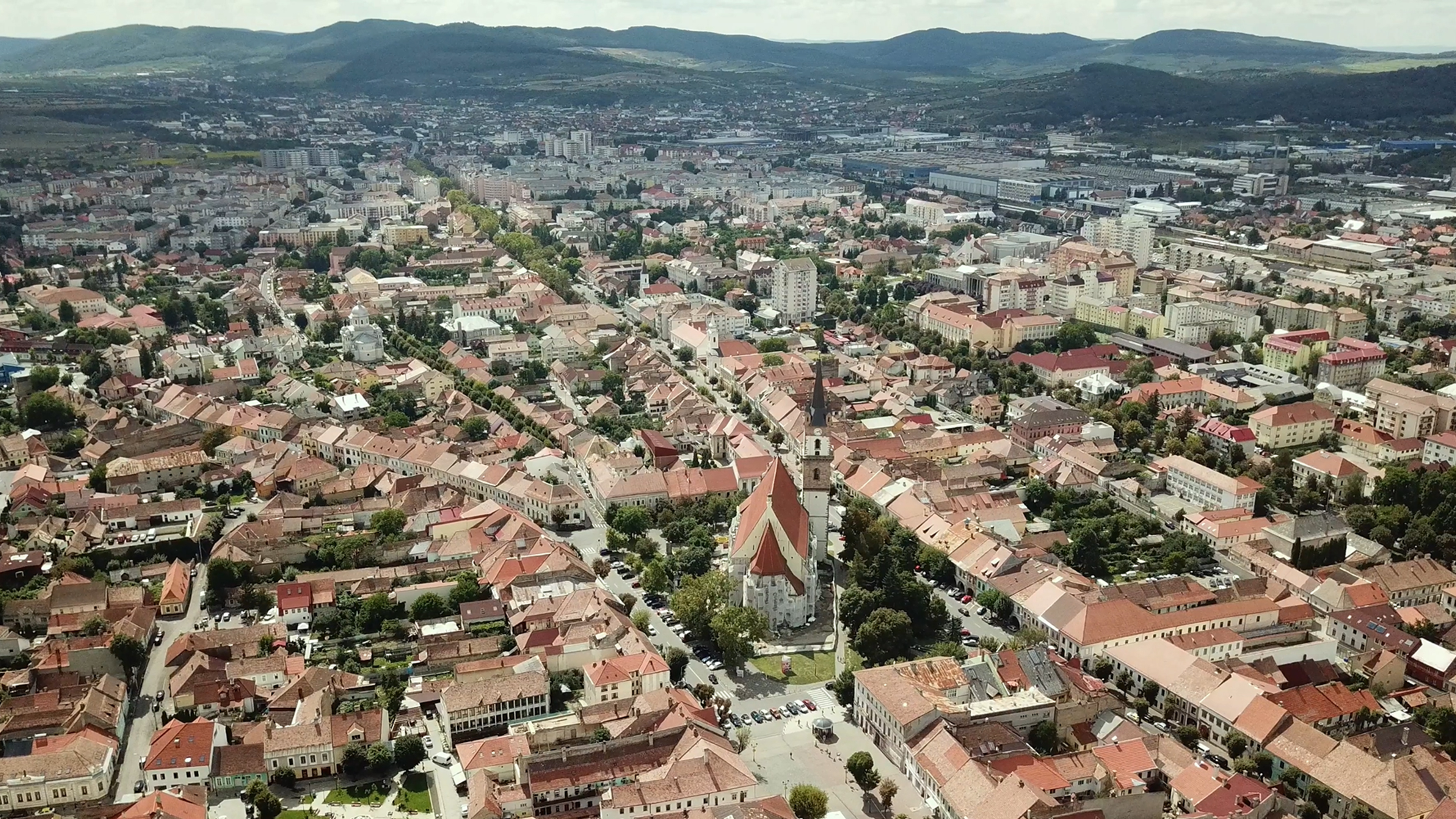 72
72 68
68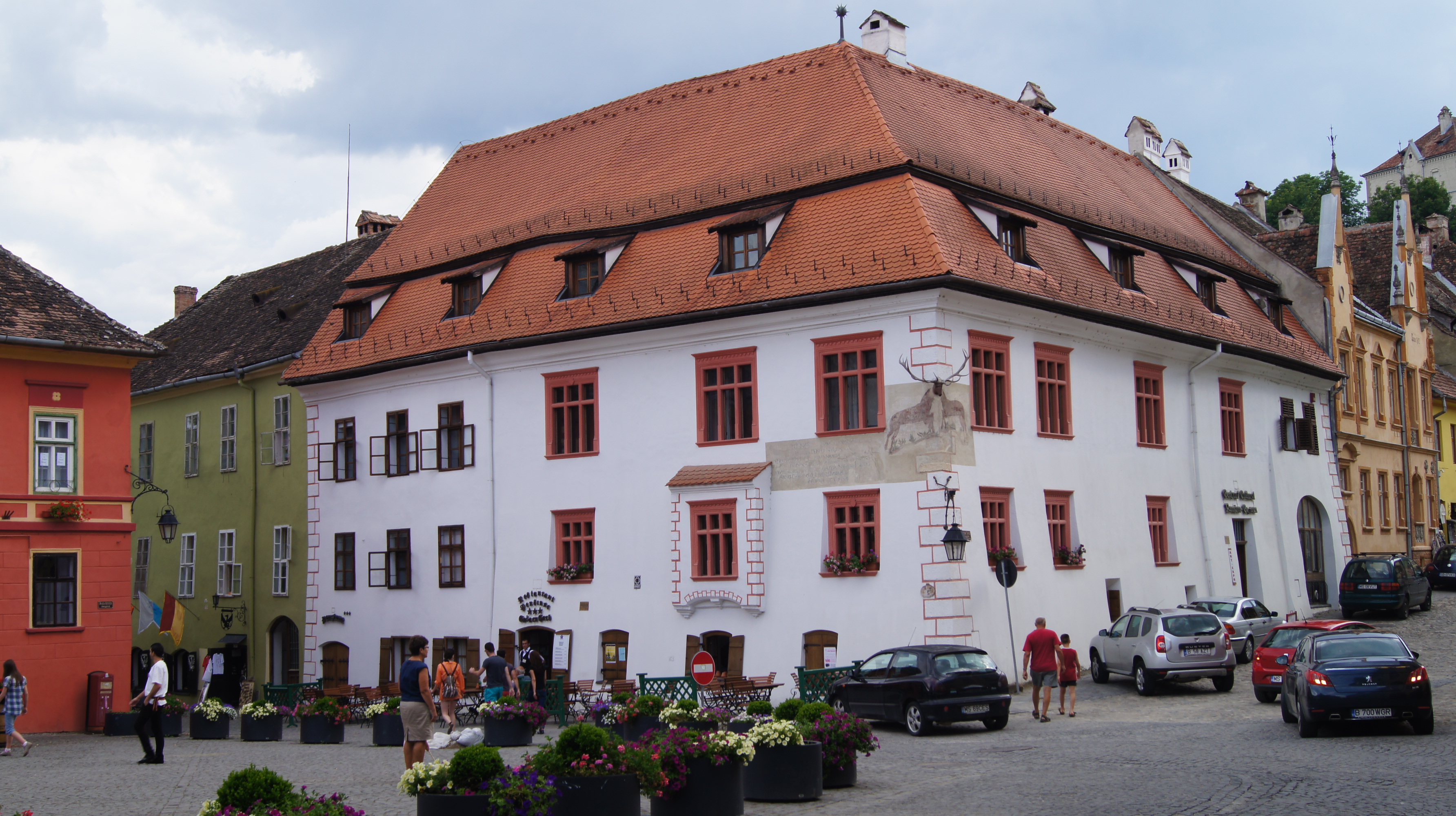 72
72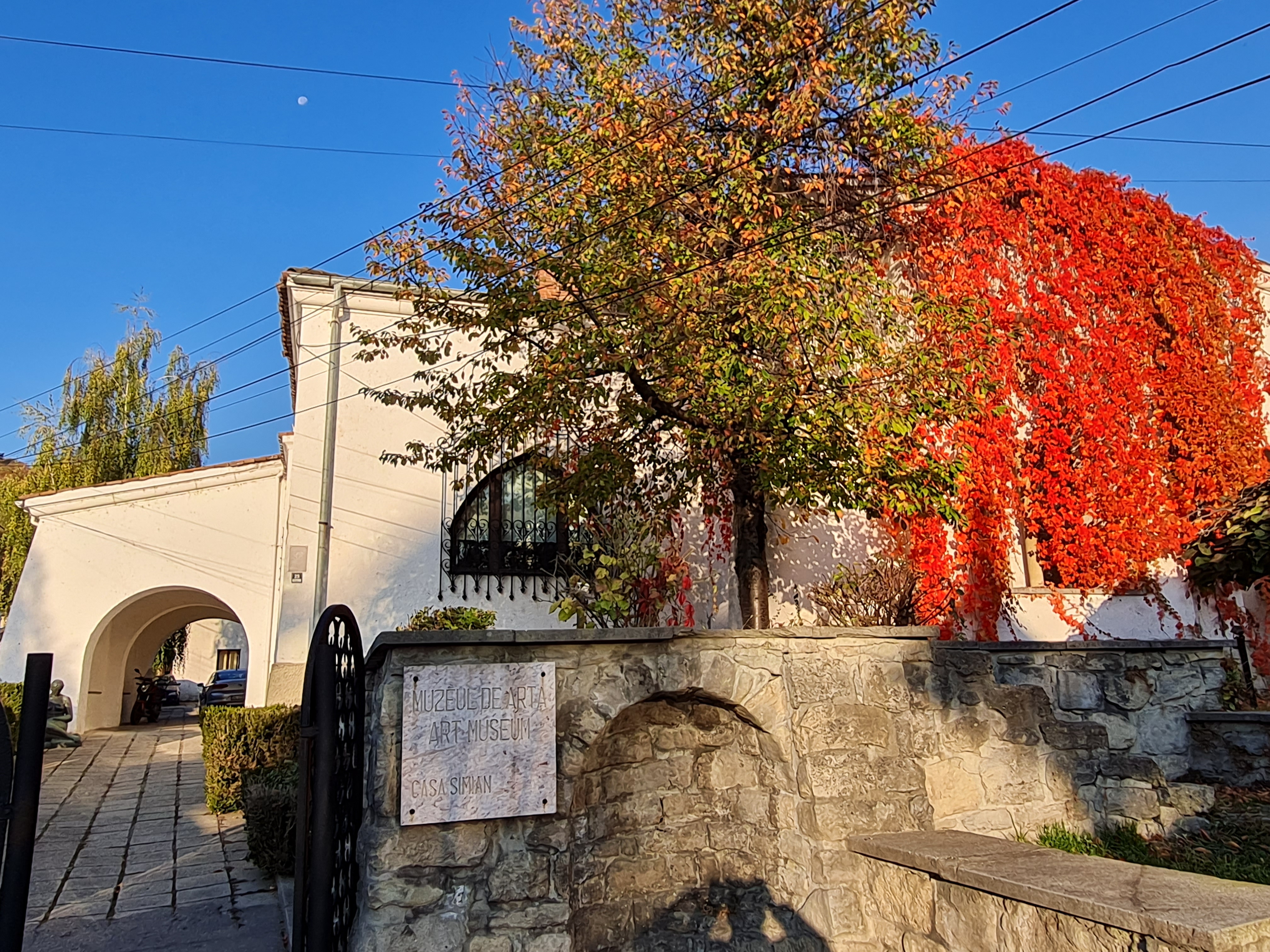 67
67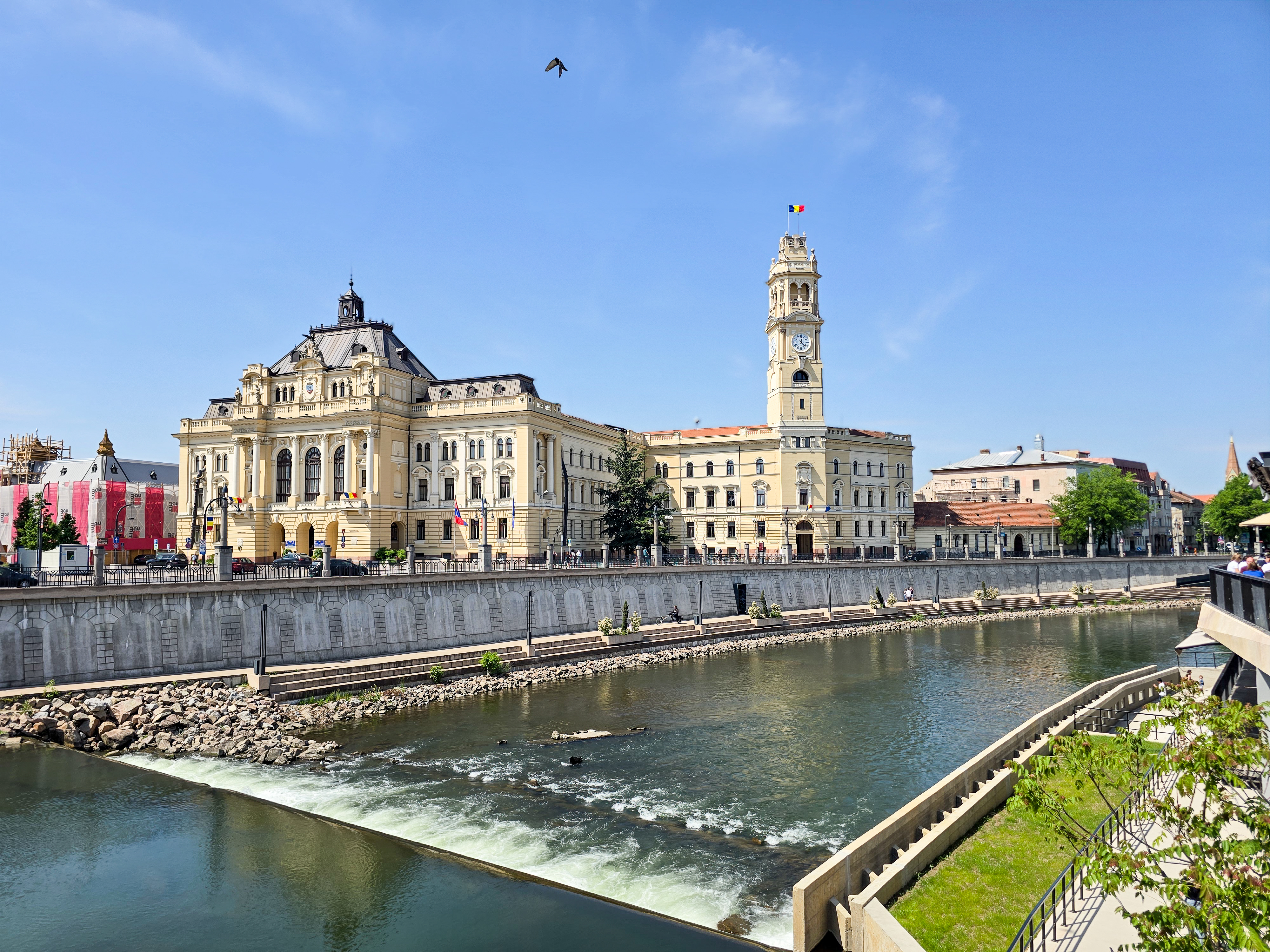 ✦ 79
✦ 79The housing and accommodation requirement and how people get it wrong
The stated expectation is proof of accommodation for roughly three months, and the instinct most applicants have is to book a hotel for that period and call it done. It works, technically. It also spends money you didn't need to spend and signals something slightly off to a consular officer who's read hundreds of these files: a hotel booking that conveniently covers exactly the minimum period looks like a box checked rather than a plan. A short-term lease, even a furnished one arranged through a relocation agency or a platform that issues a real rental contract, reads as someone who has actually thought about where they'll live and for how long.
The bigger mistake is booking accommodation before you've confirmed anything else about your file is ready. Reservations expire, lease start dates get missed while you wait on a tax certificate, and then you're either paying for unused housing or scrambling to rebook right before your appointment. Get your documentation timeline locked first, then book accommodation to align with your actual expected entry date, not the date you originally guessed months earlier.
There's also a quieter issue with using a friend's address or an informal arrangement. Consulates want something they can point to as a real, verifiable place to live, ideally with a document that has your name on it. An arrangement that depends on someone else's goodwill and no paperwork is the kind of thing that invites a follow-up request, and follow-up requests are what push processing toward the twelve-week end of the range rather than the four-week end.
What actually happens after you land
The visa gets you through the border. It does not, by itself, make you a documented resident for the full length of your stay, and this is the part that catches people off guard because the visa process feels like the finish line when it's actually the entry ticket. Once in Romania, you're expected to follow through with the local registration and residence permit steps that convert your visa status into something that covers the remainder of your initial nine-month period and beyond. The exact office and appointment process for this step shifts depending on where in the country you settle, so the smart move is to ask your consulate, at the same appointment where you submit your visa application, exactly what happens on the ground and where you need to show up once you arrive.
What's consistent is that this isn't optional and isn't automatic. Treat your arrival date as the start of a second, smaller bureaucratic process, not the end of one. Bring extra copies of everything you submitted for the visa itself, because the in-country step will likely ask to see much of it again, sometimes with slightly different formatting or translation requirements than what the consulate wanted. People who assume the visa sticker in their passport is the whole story end up scrambling in month two or three when they realize they never completed the local registration piece, and by then they're doing it under time pressure instead of with room to fix mistakes.
What the long-term path requires in practice versus on paper
Five years of continuous, legal residence gets you to permanent residency eligibility. On paper that sounds like a simple clock. In practice it depends on renewing your status cleanly every cycle, on staying inside whatever absence limits apply to your permit type, and on not accumulating gaps where your paperwork lapses even briefly between renewals. A gap that looks minor to you, a few weeks between an expired permit and a renewed one, can matter enormously to whoever is counting continuous years on the other side of the desk.
The citizenship timeline sitting at thirteen years is the number that should recalibrate anyone thinking of this as a fast route to an EU passport. This is not a visa you take because you want Romanian citizenship quickly. It's a visa you take because you want to live and work from Romania for a meaningful stretch of time, with permanent residency as a realistic mid-distance goal and citizenship as something you'd only reach after committing the better part of a decade beyond that. If citizenship speed is your primary driver, this program should not be the centerpiece of that plan. If it's a secondary benefit of a life you'd want anyway, the timeline is just a fact you build around rather than a disqualifier.
The judgment call against the most obvious alternative
Portugal's version of this visa draws the same crowd of remote workers weighing Southern and Eastern Europe against each other, and the comparison usually comes down to cost of living against bureaucratic friction and tax exposure. Romania's income threshold sits meaningfully lower than what several Western European digital nomad programs ask for, which matters if you're closer to the $4,000/month end of the earning range this visa attracts rather than well above it. For someone earning $4,500 to $6,000 a month from a couple of US clients, that gap between thresholds can be the difference between comfortably qualifying and needing to pad the numbers.
Where Romania asks more of you is the process itself. No switching from a tourist visa once you're already in the country, no in-country application route at all, and a consulate-only process that requires you to have your full file, tax certificate included, ready before you ever board a flight. Portugal and Spain have both experimented with more flexible in-country conversion paths at various points, which changes the psychological weight of the decision: you can arrive on a tourist status in some alternative programs and sort out the visa mechanics locally, hedging your bet as you go. Romania doesn't offer that hedge. You commit from your home country, wait out a process that can run close to three months, and only then find out for certain.
If your priority is lower cost of living with a straightforward tax residency setup and you're comfortable doing the paperwork properly before you ever leave the US, Romania rewards that discipline with a truly lower bar to clear financially. If you want to test the waters in Europe before fully committing to a visa process, or you're earning at a level where the income difference between programs won't change your decision, the flexibility of an alternative with an in-country pathway may be worth more to you than the savings Romania offers on paper.
Work Permissions
Application Steps
- 1
📋 Research eligibility and requirements
1-2 days
- 2
📄 Gather identity and employment documents
1-2 weeks
- 3
📄 Secure accommodation proof
3-7 days
- 4
📅 Book consulate appointment
1-4 weeks
- 5
📬 Submit visa application
1 day
- 6
⏳ Wait for visa decision
- 7
🏛️ Enter Romania and register residence
1-2 weeks
This visa requires proof of health insurance. Compare international plans before you apply.
Compare health insuranceWe may earn a commission at no cost to you.
Compare this visa
Curated comparisons that include this route.
Frequently Asked Questions
Click any question to expand the answer.
Ready to Apply?
Work with trusted visa specialists who handle the paperwork so you can focus on your move.
Get help with this visa →* We may earn a commission if you apply through our link
At a Glance
Last verified: May 13, 2026