Processing Time
4-8 wks
Difficulty
Moderate
Duration
36 months
Overview
Poland’s Startup Visa is effectively a 36‑month temporary residence permit for running your own Polish company, with local work permitted only as an owner or self‑employed person and income limited to business activity. There is no set minimum monthly income or savings threshold, and no minimum investment amount, but you must show a “stable, regular income” from the business and health insurance coverage. Passive income such as ETF dividends, rental income back home, Social Security, or pensions does not count toward the business‑income requirement, and Social Security or pension income is explicitly not recognized for eligibility.
From a cost perspective, the listed visa application fee is very low at about 12 USD, especially compared with many EU entrepreneur permits that run 100–400 EUR, and there is no apostille, FBI background check, or medical exam requirement. Health insurance is mandatory, but a local bank account is not formally required at the visa stage, which matters if you prefer to keep banking in the US, Canada, or Australia initially. Processing falls in the 4–8 week range, so you are looking at a 1–2 month lead time from complete file to decision.
Time in Poland on this status is granted for up to 36 months at a time and is renewable, but the path to permanence is slow: estimates suggest 10 years to permanent residency and 13 years to citizenship. The permit itself does not directly lead to permanent residency; instead, you string together renewals and later qualify under general long‑term residence rules. Physical presence requirements and maximum consecutive absences depend on individual case assessment, so if you intend to spend long stretches outside Poland, you have to manage this through how your residence permit and future PR applications are assessed rather than a clear day‑count rule.
Bureaucratic friction is moderate. You must apply in person, provide biometric data, and assemble a business‑centric file: tax returns such as PIT or company CIT‑8, certificates of no tax arrears, partnership agreements if applicable, and evidence that your company either generates revenue at or above 12 times the Polish average wage, employs at least two locals full‑time for a year, or has assets and an innovative profile that justify its contribution. There is no interview required for this visa, but consuls can demand extra documentation, and poor or vague business plans are a common reason for delays or refusals.
This path makes most sense if you are an entrepreneur or remote founder planning to live largely off active business income generated in Poland over the next 3–10 years and willing to maintain a real, tax‑paying Polish entity. It is a poor fit if your plan is to fund life using $3,000–$8,000 per month of portfolio dividends, rental income, or pensions while doing little or no active business in Poland, because those income sources do not count toward eligibility and are taxed there once you are resident.
Eligibility Requirements
Any nationality can apply in principle for the Poland Startup Visa; the visa rules explicitly state nationality restrictions: all. In practice, founders from sanctioned or diplomatically sensitive states such as Iran, Syria, North Korea, Cuba, or Russia can encounter consular scrutiny, delays, or banking refusals that make approval and later company operation difficult, even if the legal framework does not bar them outright. Before assembling a full document package, check current eligibility and any country‑specific rules directly with the Polish consulate that will process your case and, where relevant, with the official information published by the Office for Foreigners (Urząd do Spraw Cudzoziemców) or the Poland.Business Harbour programme for startup‑linked cases.
Min Age
18 yrs
practical
Duration
36 months
Business Income
Business Owner · Self-Employed
Requirements Checklist
0 of 18 documents in hand
0%These take the longest, so start them first.
Request these while the slow items are in progress.
You only need these on the day you submit.
How and where to apply
You apply to the Polish consulate in your home country or the consulate with jurisdiction over your place of residence. Submit your complete application package in person or by mail according to the specific consulate's procedures. If you are already in Poland on a tourist visa or other temporary permit, you may be able to switch to the Startup Visa by applying to the local immigration office (Urząd do Spraw Cudzoziemców) in your city of residence; confirm this option with your local office before your current visa expires. Processing occurs at the consulate or immigration office where you submitted your application.
Tax Information
Local tax regime and what it hits
Poland applies a standard residence‑based (worldwide) tax regime, and for this visa the facts classify it as “resident” with no special startup tax carve‑out. Once you are tax resident, Poland taxes worldwide income: remote salary from foreign clients, consulting fees, self‑employment income, dividends from ETFs in a US brokerage, and rental income from property abroad are all within scope. There is no indication of a territorial or remittance‑only regime for Poland Startup Visa holders. Pension income and Social Security are not recognized for visa eligibility, but once resident they fall into the ordinary personal income tax net along with your business income from the Polish company you own.
Capital gains on foreign investments such as selling index funds or ETFs in a US or Canadian brokerage are, under a residence‑based system, taxable in Poland, not exempt, and not subject to a remittance condition. Capital gains from securities and other investments are taxed at a flat 19% rate (the Belka tax) rather than any preferential expat rate. Nothing in the Startup Visa framework re‑classifies your foreign gains for Polish purposes.
Tax residency is not defined in the visa rules by a day threshold, but Poland in practice uses 183 days and “center of vital interests” tests. For a 36‑month residence permit that allows local work, you should proceed on the assumption that spending most of the year in Poland will make you a tax resident there automatically; there is no indication in the facts of any opt‑out. Registration steps like obtaining a PESEL or tax number and filing annual returns are handled after arrival, and missing deadlines leads to the normal Polish penalties for late filing and payment.
There is no special named preferential regime (such as Portugal NHR or Italy’s flat‑tax regime) mentioned or attached to this visa. Startup founders use the same tax rules as other residents, so someone with $5,000/month in foreign passive income does not get a special exemption or discount and must plan for Polish taxation on that income once resident.
Local compliance means registering with the Polish tax authority once you have an address and starting business activity. You will need a tax ID, and you will file annual personal income tax returns reporting both your local business profits and any foreign income. You should follow Polish general rules for residents’ PIT filings and deadlines.
Poland and the United States have an income tax treaty to prevent double taxation and fiscal evasion. A totalization agreement between the US and Poland also coordinates social insurance contributions to avoid dual coverage. In practice, a treaty affects how Social Security, dividends, and interest are relieved from double tax, but you should confirm specific provisions directly from treaty texts before relying on reduced withholding or exclusive‑taxation provisions.
For US Citizens and Green Card Holders
US citizens and green card holders using the Poland Startup Visa remain fully subject to US tax on worldwide income, on top of Polish tax once resident. Three US tools interact with this: the Foreign Earned Income Exclusion (FEIE), Foreign Tax Credit (FTC), and foreign reporting regimes like FBAR and FATCA.
The FEIE, claimed on Form 2555, can shelter up to $132,900 of earned income in 2026 from US income tax. Earned income means active income: salary from your Polish startup, consulting, or self‑employment. It does not cover dividends, capital gains when you sell ETFs, interest, rental income, pensions, or Social Security. Because the Startup Visa is a 36‑month residence‑based permit, many founders will qualify under the Bona Fide Residence Test after establishing Poland as their main home, while the Physical Presence Test (330 days abroad in any 12‑month period) is more relevant if you are aggressively traveling but still spending most of the year outside the US.
Form 1116 for the Foreign Tax Credit becomes central once you start paying Polish income tax on your startup profits, salary, and foreign passive income. FTC only helps to the extent Polish effective tax rates on a given income stream are equal to or higher than US rates on that same income. Because Poland uses a resident worldwide regime with normal rates, you can often offset much or all of US tax on earned and investment income using FTC, but you cannot generate refunds beyond what the US would have taxed. If some foreign income is taxed at 0% in Poland (e.g., due to exclusions), there is no Polish tax to credit, and FEIE/FTC does not shelter that income from US tax.
FBAR (FinCEN 114) and FATCA Form 8938 are separate reporting obligations once your Polish and other non‑US accounts cross thresholds. FBAR is required if the aggregate balance of all non‑US financial accounts exceeds $10,000 at any point in the year; non‑willful penalties start around $16,700 per violation as of 2026. A local bank account is not required by the visa rules, but in practice running a Polish company and paying staff often leads you to open one, which pulls you into FBAR/FATCA territory. Form 8938 has higher thresholds but similar reporting logic.
In practice, you should budget for two advisors in year one: a US CPA specializing in expat taxation who understands FEIE, FTC, FBAR, and FATCA in the context of a Polish startup, and a local Polish tax advisor who can handle registration, classify your business correctly, and manage PIT and corporate filings. The $1,500–$3,000 this coordination costs in the first year is commonly recouped via optimized use of FEIE vs. FTC, correct treaty application if applicable, and avoidance of multi‑thousand‑dollar late‑filing penalties.
Living in Poland
COL Index vs NYC
38.9
Monthly Cost (excl. rent)
$812
1BR Rent (City Center)
$758
Safety Index
71.0
Healthcare Index
58.0
Quality of Life Index
153.9
Time Zone
UTC+01:00
Capital
Warsaw
Population
38.0M
Official Languages
Polish
Avg Internet Speed
313 Mbps
Public Transit Quality
Good
With a budget covering rent and living costs, you'd need roughly $1,570/mo for a comfortable single-person lifestyle in Poland.See how far your money goes →
🏙️ Best Cities in Poland for Expats
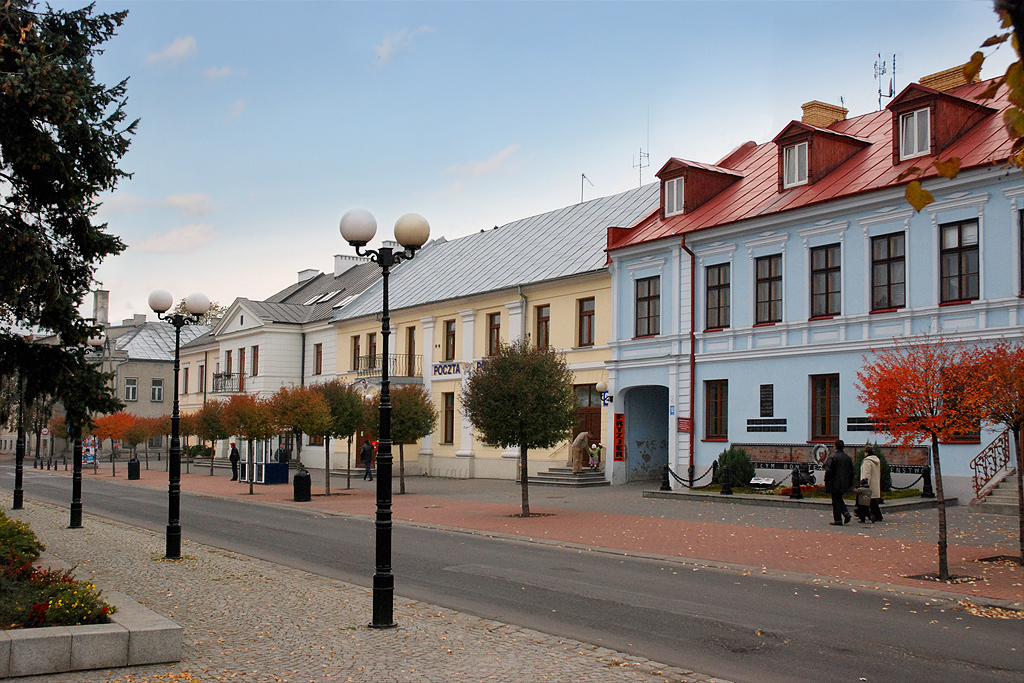 ✦ 83
✦ 83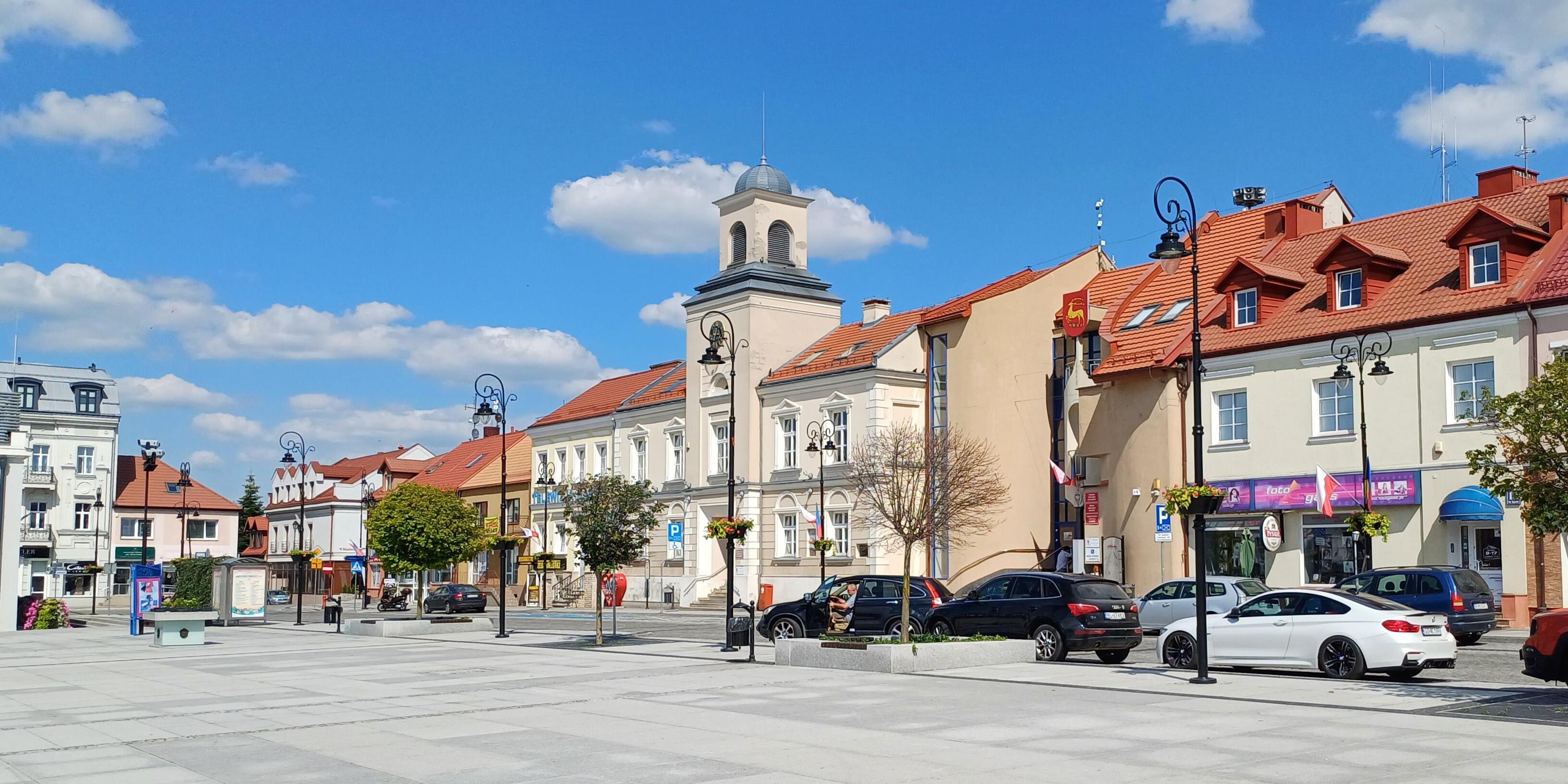 ✦ 82
✦ 82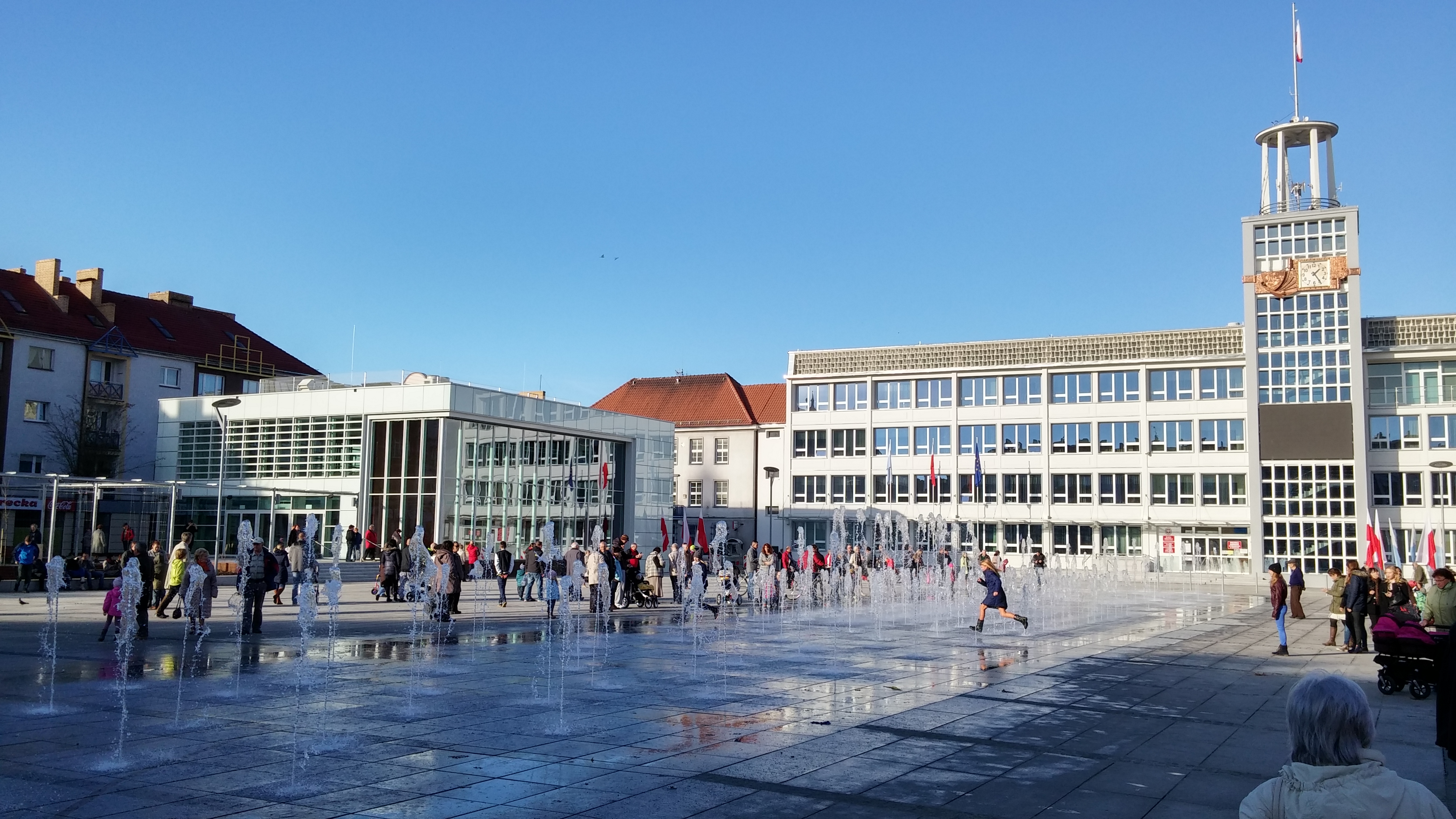 ✦ 83
✦ 83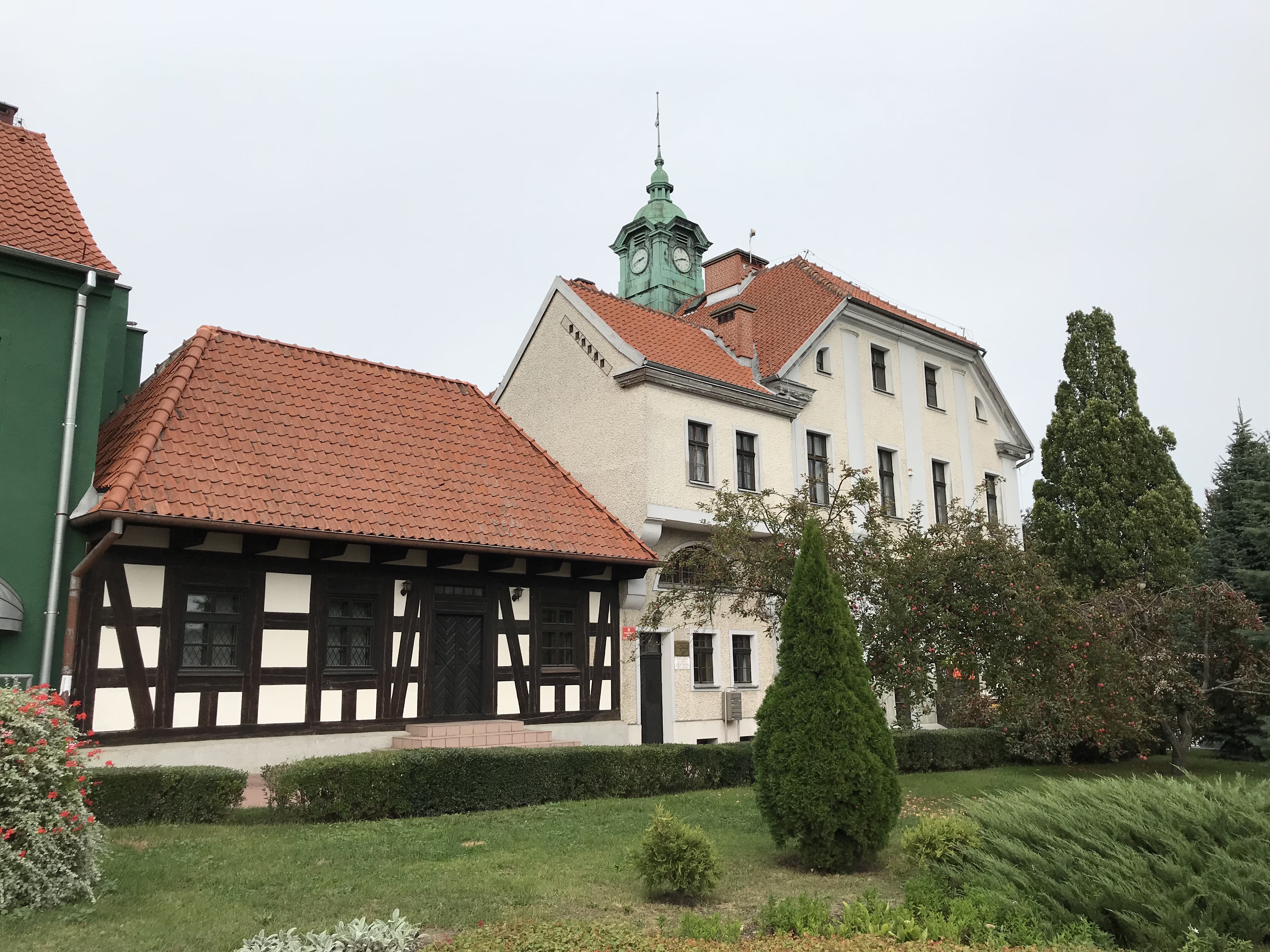 ✦ 84
✦ 84Getting the financial story straight before you apply
Two different funding questions get asked in one application, and treating them as one question is where most of the damage happens. The consulate wants to see that you personally can live in Poland without falling into precarity, and separately, that the business has enough behind it to actually get off the ground. Bank statements that blend the two, a single account holding both your rent money and your seed capital, read as thinner than they are. Split them, label them, and let the financial forecast in your business plan connect back to whichever pool of money is meant to fund the operations it describes.
Investor commitment letters and funding agreements help, but only when they look like something a real investor would sign. A letter with vague language about "future support" or no defined amount attached does less for you than no letter at all, because it invites the question of why it exists. If you already have a Polish company bank account open, statements from it carry more weight than personal savings, since they show money already committed rather than money that could theoretically go anywhere.
The sequencing mistake shows up most often with professional qualifications. Applicants gather diplomas and experience letters late, treating them as background material, when in fact they are doing real work in the file: they are the evidence that you, specifically, are positioned to execute this particular business idea. A strong plan paired with credentials that don't obviously connect to it creates a gap a reviewer has to fill in themselves, and reviewers who have to fill in gaps tend to fill them with doubt.
The accommodation proof and where it goes wrong
Proof of accommodation sounds like the easiest item on the list, and that's exactly why it trips people up. A hotel booking covering two weeks, submitted alongside a business plan describing a multi-year venture, tells a story of mismatch before anyone reads past page one. The document doesn't need to lock you into a lease you're not ready for, but it needs to plausibly match the timeline your own application is claiming.
The other failure mode is signing a rental agreement before the business side of the application has any shape. Landlords in Poland, especially ones used to renting to newcomers, will sign quickly, and applicants sometimes lock in accommodation early just to check the box. The problem is that a signed lease dated months before company formation, with no business documents to bridge the gap, can read as though the applicant was already living in Poland doing something other than what the application describes. It's a small thing, but consulates notice small things that don't line up.
If you can, time the accommodation document to land close to when the rest of your package comes together, and choose something that at least gestures toward the duration you're requesting. A short-term arrangement with language about extension or renewal tends to satisfy reviewers better than either extreme.
From approved visa to an actual footing in Poland
Getting the visa stamped is the easy part of a longer sequence. If you're applying from outside Poland, the consulate issues the visa, but you still need to register the business, open the company's operating accounts, and get whatever health insurance covers you once you're actually resident, since the coverage that got you through the application isn't necessarily the coverage you'll rely on long-term. None of this happens automatically once you land.
If you're already in Poland on a tourist visa or another temporary permit, there's a separate path through the local immigration office, the Urząd do Spraw Cudzoziemców in your city, that lets you switch status without leaving the country. This is worth confirming with that specific office well before your current visa runs out, because the timing window isn't generous and a lapse in status is a much harder problem to fix from inside Poland than a delay is to fix from outside it.
There's no medical exam or apostille requirement layered on top of this, which removes two of the more time-consuming steps other visa categories carry. But the absence of those steps sometimes leads applicants to underestimate how much company-side paperwork remains, registration documents, contracts, proof of investment activity, all of which need to exist in a form the immigration office will accept, not just the consulate. Processing itself runs four to eight weeks, and that window covers the visa decision, not the runway you'll need afterward to get the business legally operating.
The long-term picture is murkier than the checklist suggests
Here's the part that catches founders off guard: this visa is built as a renewable temporary residence track tied to your business staying alive and credible, not as a stepping stone that automatically counts down toward permanent residence. Renewal depends on the venture continuing to look like a real, developing business, not on time simply passing. That means the plan you wrote to get in the door has to keep being true, or at least keep evolving in a direction the immigration office recognizes as progress, every time you come up for renewal.
For founders thinking in terms of an eventual permanent footing in Poland, the honest framing is that this visa gets you in and lets you build, but the permanent residency question sits on a separate, longer track that this program doesn't shortcut. If settling permanently is the actual goal, it's worth planning from day one for how the business phase transitions into whatever residence category eventually gets you there, rather than assuming the startup visa itself carries you the whole distance. Founders who assume otherwise sometimes find themselves, a few renewals in, having to restart a different application process from a weaker position than if they'd planned for it earlier.
Dependents can come with you, and they can work locally, which matters more for this visa than for most, since a founder often isn't the only income source in the household during the early, unprofitable stretch of building a company.
Poland versus the other EU founder routes
The comparison that actually matters isn't Poland against some hypothetical perfect visa, it's Poland against the other EU countries running similar founder-track programs, most notably Portugal and Estonia, both of which market themselves aggressively to the same remote-founder audience. Poland's advantage is procedural: no interview, no apostille, no medical exam, and a processing window that's truly short by EU standards. For someone who wants to move fast and has a plan ready to submit, that lower procedural friction is a real edge.
Where Poland asks more of you is in the substance of the application itself. The business plan requirements here go deeper than a lot of comparable programs, wanting competitor analysis, a market entry strategy, and a job creation plan alongside the standard financials. Estonia's program tends to reward technical novelty more heavily; Portugal's has leaned toward funding size and investor backing as the signal that matters most. Poland is asking you to prove operational seriousness across the board rather than excelling in one dimension.
The decision comes down to what you actually have built. If your strongest asset is a polished pitch and investor interest, a program that weighs funding more heavily might get you through faster. If your strongest asset is a plan you can defend in granular operational detail, and you value speed and low procedural overhead over a fully mapped path to permanent settlement, Poland is the better bet, provided you go in accepting that the long-term residency question stays open past the point most applicants expect it to close.
Work Permissions
Application Steps
- 1
📋 Develop and document your business plan
2-4 weeks
- 2
📄 Register your company in Poland
1-2 weeks
- 3
📄 Obtain health insurance coverage
1 week
- 4
📄 Gather financial and tax documentation
2-3 weeks
- 5
📄 Secure proof of residence in Poland
1-2 weeks
- 6
📬 Compile and submit visa application
Same day
- 7
📅 Attend visa interview (if required)
1-2 weeks after submission
- 8
⏳ Wait for visa decision
4-8 weeks
- 9
🏛️ Receive temporary residence permit
Same day or 1-2 days
- 10
🏛️ Register with local tax authority
1-2 weeks
- 11
🏛️ Register for social security and obtain PESEL
1-2 weeks
- 12
🏛️ Open a local Polish bank account
1-2 weeks
Compare this visa
Curated comparisons that include this route.
Frequently Asked Questions
Click any question to expand the answer.
Ready to Apply?
Work with trusted visa specialists who handle the paperwork so you can focus on your move.
Get help with this visa →* We may earn a commission if you apply through our link
At a Glance
Last verified: October 9, 2026