Min Monthly Income
$2,175
Application Fee
$50
Processing Time
2-4 wks
Difficulty
Easy
Duration
12 months
Overview
North Macedonia’s digital nomad setup is essentially a 12‑month temporary residence permit tied to remote work for a foreign employer or your own non‑Macedonian business. The official rules do require proof that you work as a contractor or are self‑employed abroad, but the exact minimum monthly income requirement is about $2,175 and the minimum savings threshold is about $2,284, as of 2026, which is different from programs like Romania’s digital nomad visa that clearly demand about €3,700/month. Social Security, pension income, and purely passive investment income do not count toward eligibility in the program details, so a FIRE retiree living on ETF dividends and rental income alone would not meet the core “employment types allowed” test even if their cash flow is high.
You pay a low application fee of 50 USD and can expect processing in the 2–4 week range once your file is complete, which is light compared with pricier schemes like Spain’s digital nomad visa that can run several hundred euros. The main administrative friction is document preparation rather than formal hurdles: health insurance is mandatory, proof of accommodation is standard, but there is no automatic apostille requirement, no FBI‑style background check, no medical exam, and no in‑person interview included in the program details. For most Western applicants, the heaviest lift is gathering bank statements and employer or client contracts that clearly show foreign‑source income aligned with contractor or self‑employed status.
The residence permit is granted for 12 months and is marked as renewable, with a maximum duration that effectively extends if you re‑qualify each year. Despite the program details flagging “Leads to PR: No,” the same facts state you can reach permanent residence in 5 years and citizenship in 5 years, which reflects North Macedonia’s general residency rules rather than a privileged track for digital nomads. In practice, that means you need 5 years of continuous lawful stay, potentially through back‑to‑back renewals or by later switching into another residence category that is recognized as a path to long‑term status.
Physical presence requirements and maximum consecutive absences aren't defined for this particular route, so you do not get an explicit 183‑days‑per‑year or 90‑days‑away cap written into the program in the way some EU schemes do. For someone intending to split their year between, say, North Macedonia and Thailand, that ambiguity cuts both ways: it offers flexibility on paper, but you will be navigating general Macedonian residence and tax rules rather than enjoying a clearly defined digital nomad carve‑out. If you plan on the 5‑year residency and citizenship horizons shown in the program details, you should assume that long absences could undermine the “continuous residence” story, even if not tied to a published maximum.
This arrangement makes the most sense if you earn at least the rough equivalent of 2,000–3,000 USD per month from active remote work as a contractor or self‑employed professional, can live with a 12‑month horizon, and are comfortable renewing while you explore whether the 5‑year residence path suits you. It is a poor fit if your entire cash flow is 4,000–6,000 USD per month of pensions, Social Security, and brokerage dividends, because those sources do not satisfy the employment and income profile this visa recognizes even though they easily cover the cost of living.
Eligibility Requirements
EU and EEA citizens have free movement rights in North Macedonia and can generally reside and work without using this digital nomad route, so the program is aimed at non‑EU nationals. That includes US, Canadian, Australian, New Zealand, UK, and other third‑country passport holders who do not benefit from EU/EEA free movement. If you hold only a non‑EU passport, you fall squarely inside the target audience described by the “non_eu” restriction in the visa rules.
Confusion often arises for edge‑case countries. Norway, Iceland, and Liechtenstein are EEA but not EU; practically, they are treated like EU states for free‑movement purposes and do not need a digital nomad visa for basic residence rights. Switzerland, while outside both EU and EEA, has bilateral arrangements that similarly grant facilitated movement, so Swiss nationals will not normally use this program. Post‑Brexit UK citizens, by contrast, are now unequivocally third‑country nationals in Europe and are eligible to apply under the North Macedonia Digital Nomad Visa rather than relying on any EU framework.
Dual nationals holding any EU citizenship (for example, US–Irish, Canadian–German, or Australian–Croatian) should enter and reside in North Macedonia on their EU passport. That route bypasses the digital nomad mechanism entirely, avoids the 50 USD application fee, and sidesteps income‑proof requirements tied to contractor or self‑employed status. Using the EU passport is not a loophole; it is the intended legal pathway for EU citizens and almost always results in simpler, faster processing and more flexible long‑term residence options than the non‑EU digital nomad track.
Min Income
$2,175
Min Savings
$2,284
Application Fee
$50
Duration
12 months
1099 Contractor · Self-Employed
Max 0% from local sources
Requirements Checklist
0 of 9 documents in hand
0%These take the longest, so start them first.
Request these while the slow items are in progress.
You only need these on the day you submit.
How and where to apply
Apply at a North Macedonia embassy or consulate in your home country. Submission is in-person with documents and $50 fee; no online portal specified. Cannot apply in-country on a tourist visa based on available data.
Tax Information
Local tax regime and what it hits
North Macedonia uses a resident tax regime in which tax residents are taxed on worldwide income. There is a flat personal income tax system that, as of recent guidance, sits at a flat 10% as of 2026. If you become tax resident, remote salary from a foreign employer, self‑employment income, rental income from foreign property, and foreign dividends are all within scope for Macedonian tax. Social Security and pension income are not recognized for qualification purposes, but that does not mean they are tax‑exempt; it only means they are not counted toward the digital‑nomad income test.
For someone holding a foreign brokerage account, capital gains on sales of index funds or ETFs are, in principle, taxed as part of worldwide income once you are resident. North Macedonia does not operate a territorial or remittance‑based model in which foreign securities gains are automatically excluded, and there is no special non‑dom or lump‑sum regime available. In practice, this means gains on VTI, VXUS, or similar ETFs realized while tax resident in North Macedonia are subject to local income tax at the prevailing rate.
Tax residency is not explicitly tied to the digital nomad visa issuance itself, so the standard residence criteria apply. North Macedonia uses a 183‑day presence test in a 12‑month period as the primary trigger for becoming a tax resident, combined with center‑of‑vital‑interests concepts (home, family, and economic ties). A digital nomad who spends more than roughly half the year in‑country on this 12‑month permit should assume tax residency unless advised otherwise by a local professional.
Local filing obligations follow from residency. Once resident, you should expect to register with the Public Revenue Office, obtain a tax ID, and file an annual income tax return reporting worldwide income, including remote earnings and portfolio income. Deadlines and forms can change; the practical pattern in similar flat‑tax systems is a spring filing for the prior calendar year, but you need confirmation from a Macedonian tax advisor or the Public Revenue Office before relying on a specific date. Non‑residents with only foreign‑source income and fewer than 183 days in‑country generally do not have to file, but if you are pushing up against the day threshold, treat registration and filing as mandatory rather than optional.
North Macedonia and the United States do not have an income tax treaty. That means there is no double‑tax treaty reducing withholding on US dividends or providing clear tie‑breaker rules for dual residency cases. For US‑source income, standard US domestic withholding rules will apply absent a treaty override, and you will have to manage double taxation via US mechanisms (Foreign Tax Credit) and Macedonian unilateral relief if available, not via treaty protections.
For US Citizens and Green Card Holders
For US persons using the North Macedonia Digital Nomad Visa, the US tax net stays fully in place. You continue to file a Form 1040 each year reporting worldwide income, regardless of residence or local tax status. The main relief tools are the Foreign Earned Income Exclusion (FEIE), Foreign Tax Credit (FTC), and information‑reporting compliance.
FEIE on Form 2555 applies only to earned income: remote W‑2 salary from a foreign employer, contractor income from clients abroad, or self‑employment income from your one‑person LLC. For 2026, the limit is 132,900 USD; it adjusts annually for inflation. It does not cover dividends, capital gains, rental income, pension distributions, or Social Security. The Physical Presence Test (330 full days outside the US in any 12‑month period) is often the most accessible for digital nomads combining North Macedonia with other countries, because the local visa’s 12‑month validity makes it easy to spend nearly the entire year abroad. The Bona Fide Residence Test is harder to rely on in early years if you are not clearly planting long‑term roots.
Form 1116 for the Foreign Tax Credit is where North Macedonian tax interacts directly with your US liability. If you are tax resident in North Macedonia and paying flat‑rate tax on your remote income, you can usually credit those Macedonian taxes against US tax on the same income streams, up to the US rate. If you structure your life so you never hit the 183‑day threshold and pay zero Macedonian income tax, there is no foreign tax to credit; the FTC does nothing for you, and your US bill is unchanged. For a FIRE portfolio generating dividends and capital gains that are taxed in both countries, coordinated use of FEIE (for earned income) and FTC (for investment income taxed in North Macedonia) can materially reduce double taxation.
FBAR (FinCEN 114) becomes relevant as soon as your combined foreign financial accounts exceed 10,000 USD at any point in the year. Even though a local bank account is not required for the visa, most long‑stay residents open at least one Macedonian account for rent and daily expenses; that account, plus any foreign brokerage or Wise/Payoneer balances, feed into the 10,000 USD threshold. FATCA Form 8938, filed with your Form 1040, has higher thresholds but broader asset coverage; many digital nomads with mid‑six‑figure portfolios will trigger it. Non‑willful FBAR penalties start at a statutory 10,000 USD per violation, inflation‑adjusted to approximately 16,700 USD as of 2026, so treating these filings as optional is expensive.
To navigate this setup efficiently, you need two specific advisors rather than generic help: a US CPA who specializes in expat taxation and understands FEIE, FTC, FBAR, and FATCA interactions, and a North Macedonian tax advisor who can handle registration, residency determination, and annual filing. The 1,500–3,000 USD spent in year one on this combined guidance is usually recovered through optimized FEIE/FTC elections, proper treaty or non‑treaty positioning, and avoidance of five‑figure information‑return penalties.
Living in North Macedonia
COL Index vs NYC
35.5
Monthly Cost (excl. rent)
$612
1BR Rent (City Center)
$337
Safety Index
58.9
Healthcare Index
55.1
Quality of Life Index
120.3
Time Zone
UTC+01:00
Capital
Skopje
Population
2.1M
Official Languages
Macedonian
Avg Internet Speed
106 Mbps
Public Transit Quality
Fair
With a budget covering rent and living costs, you'd need roughly $949/mo for a comfortable single-person lifestyle in North Macedonia.See how far your money goes →
🏙️ Best Cities in North Macedonia for Digital Nomads
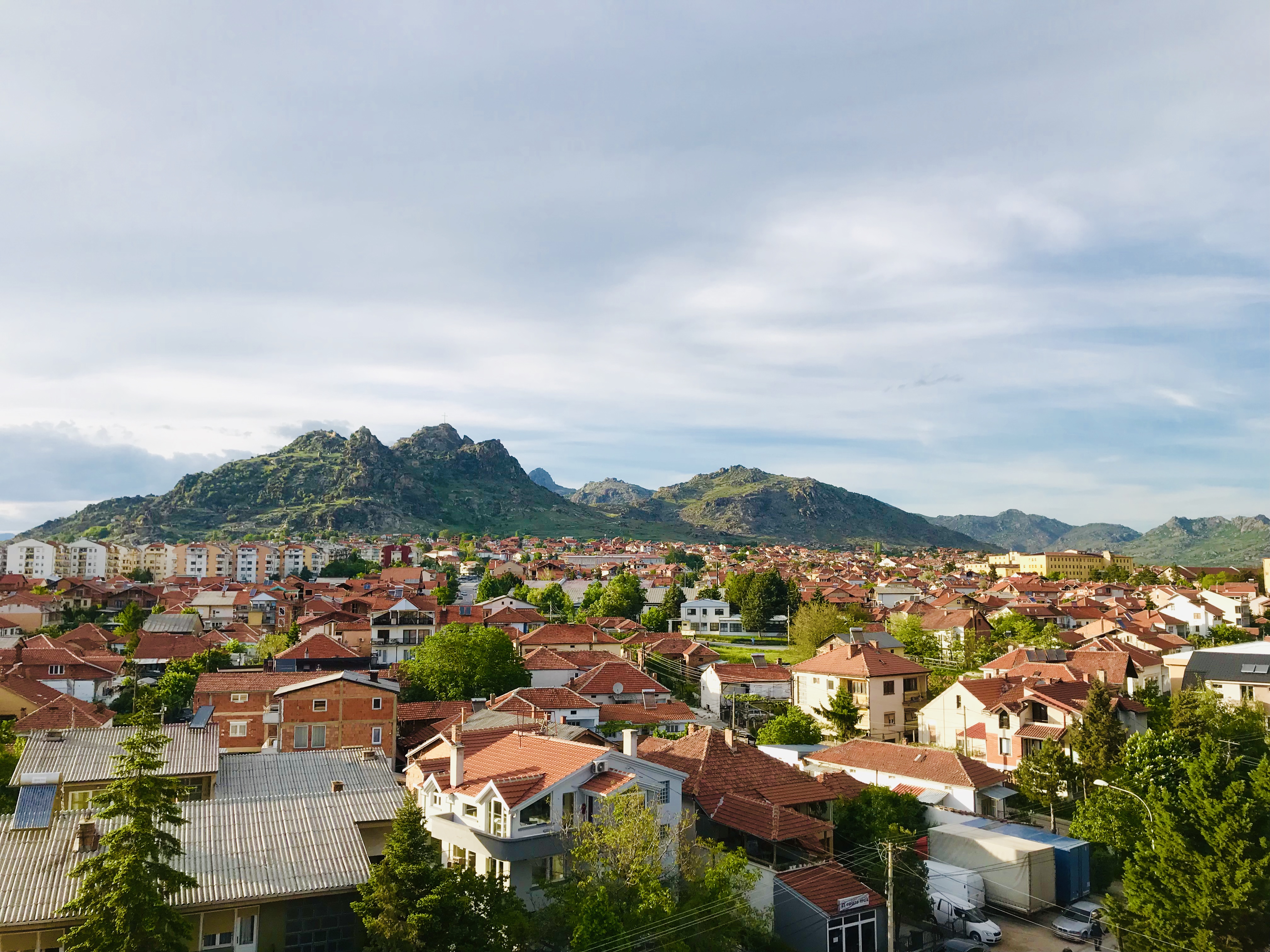 62
62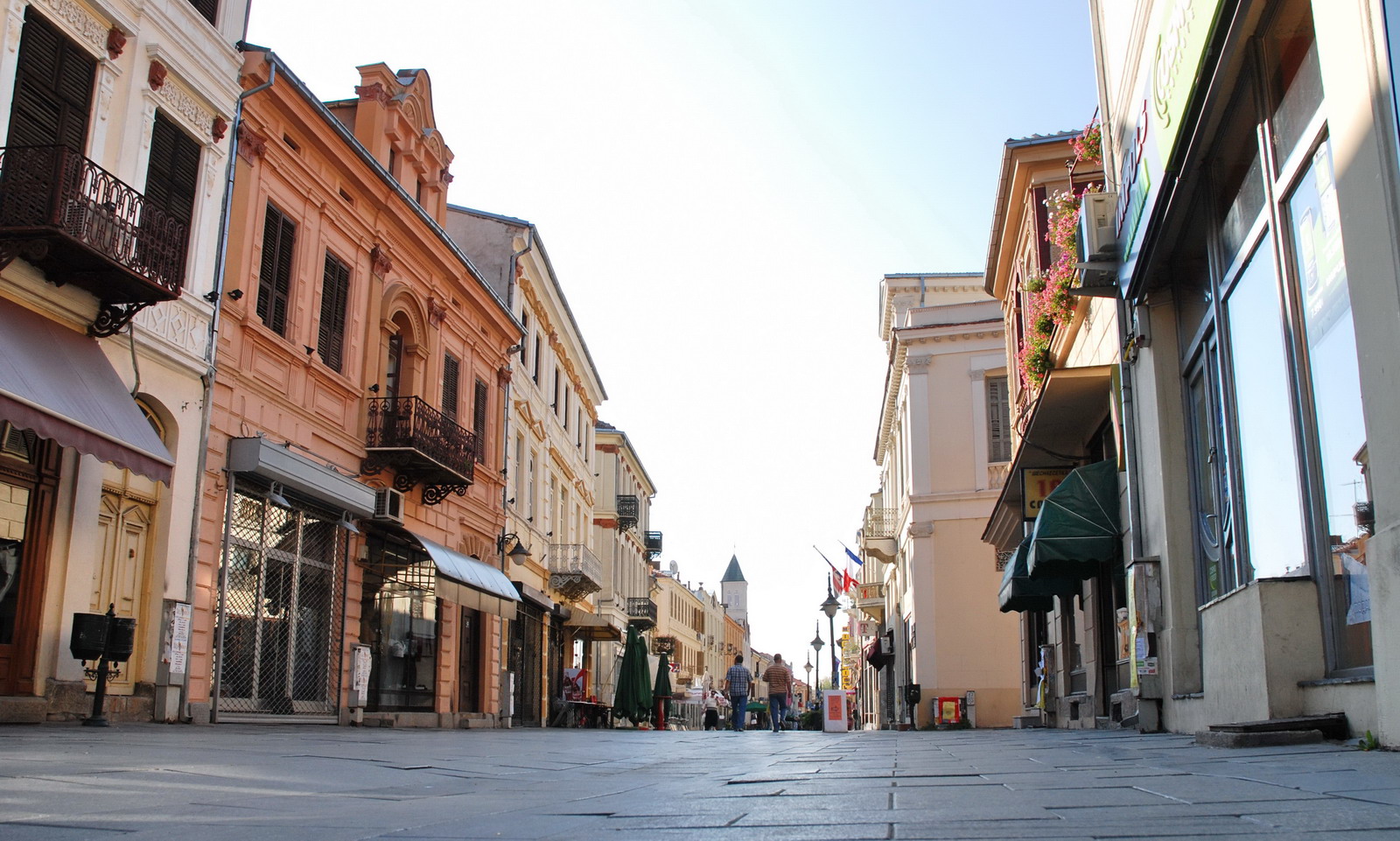 64
64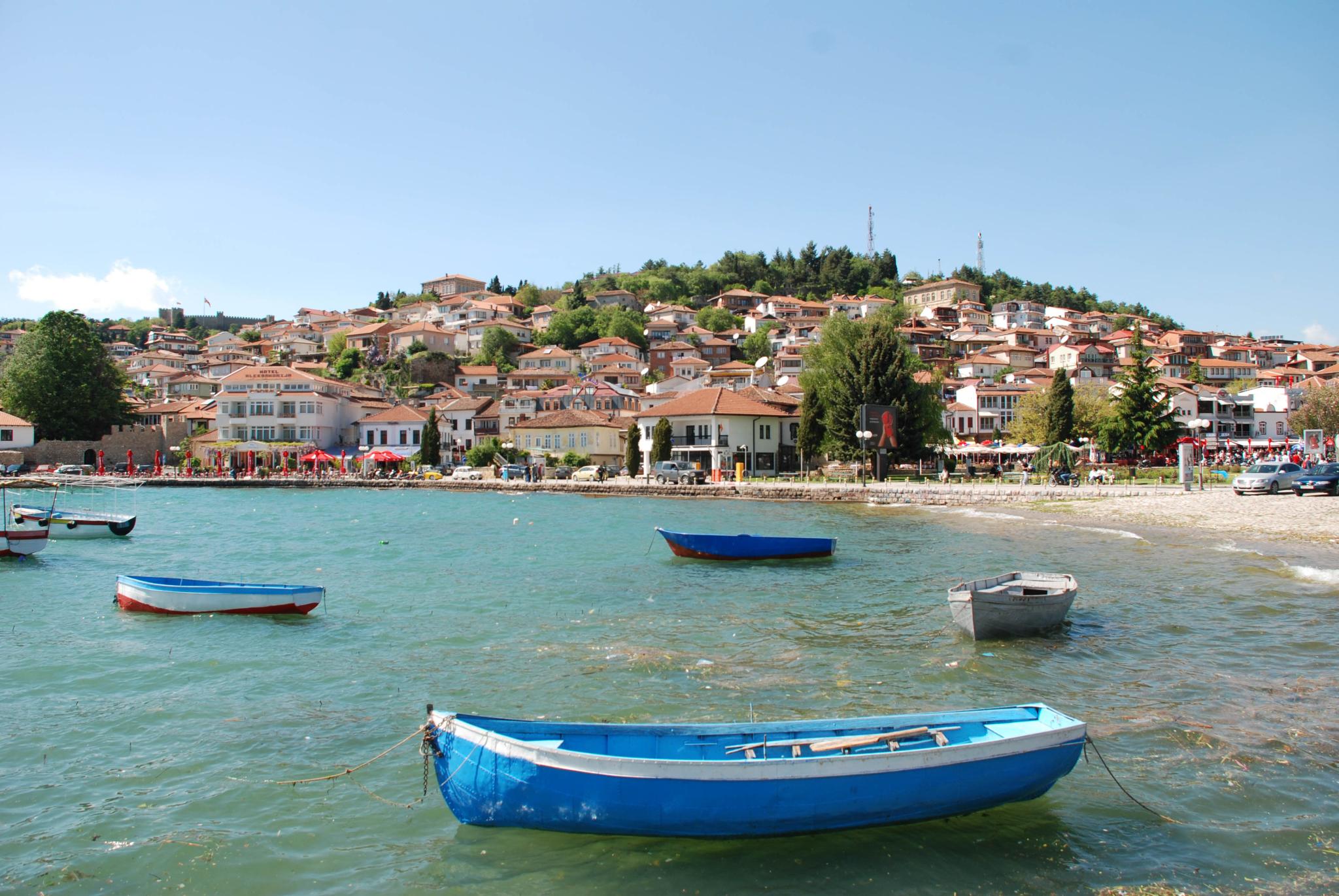 68
68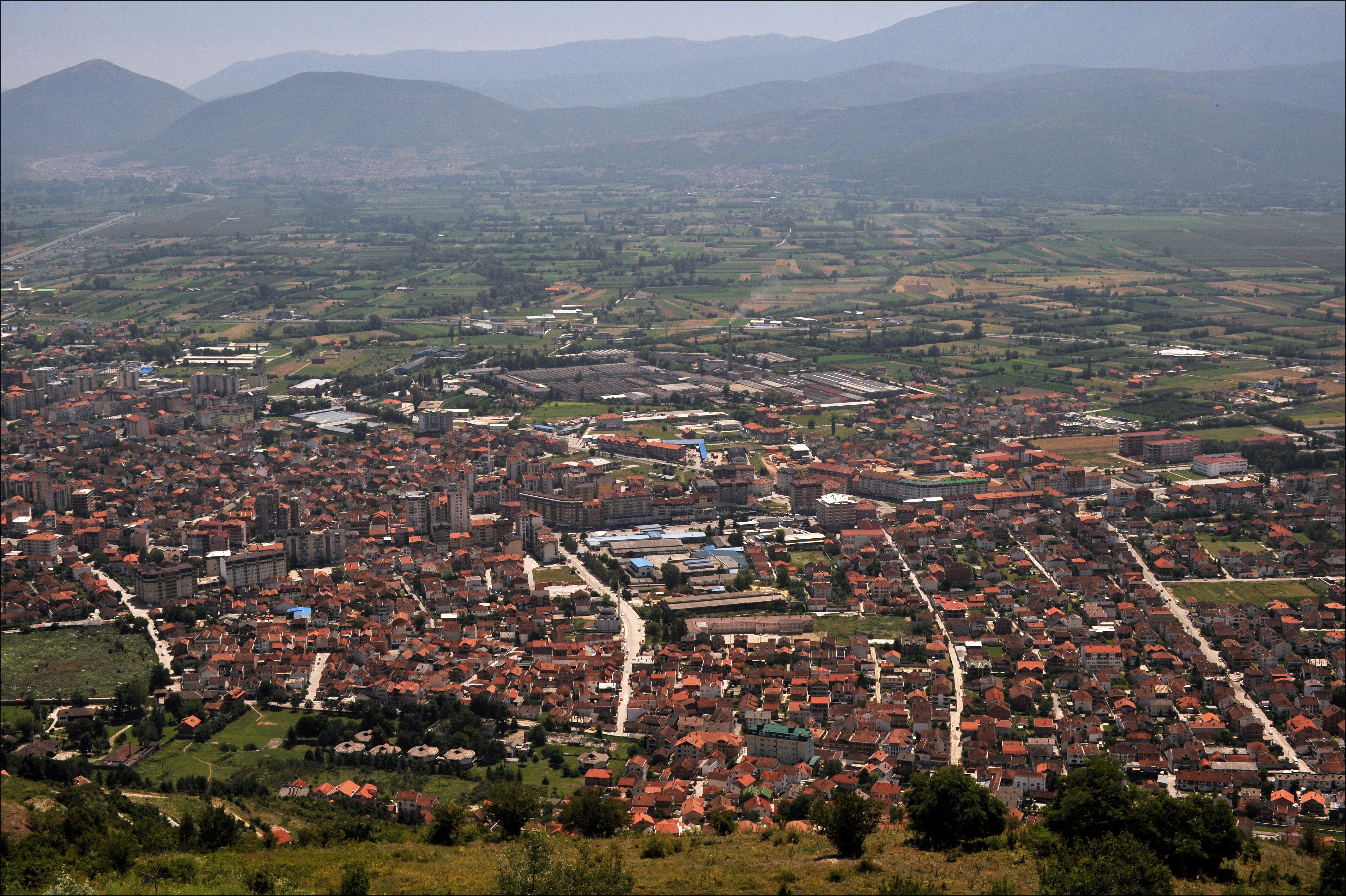 64
64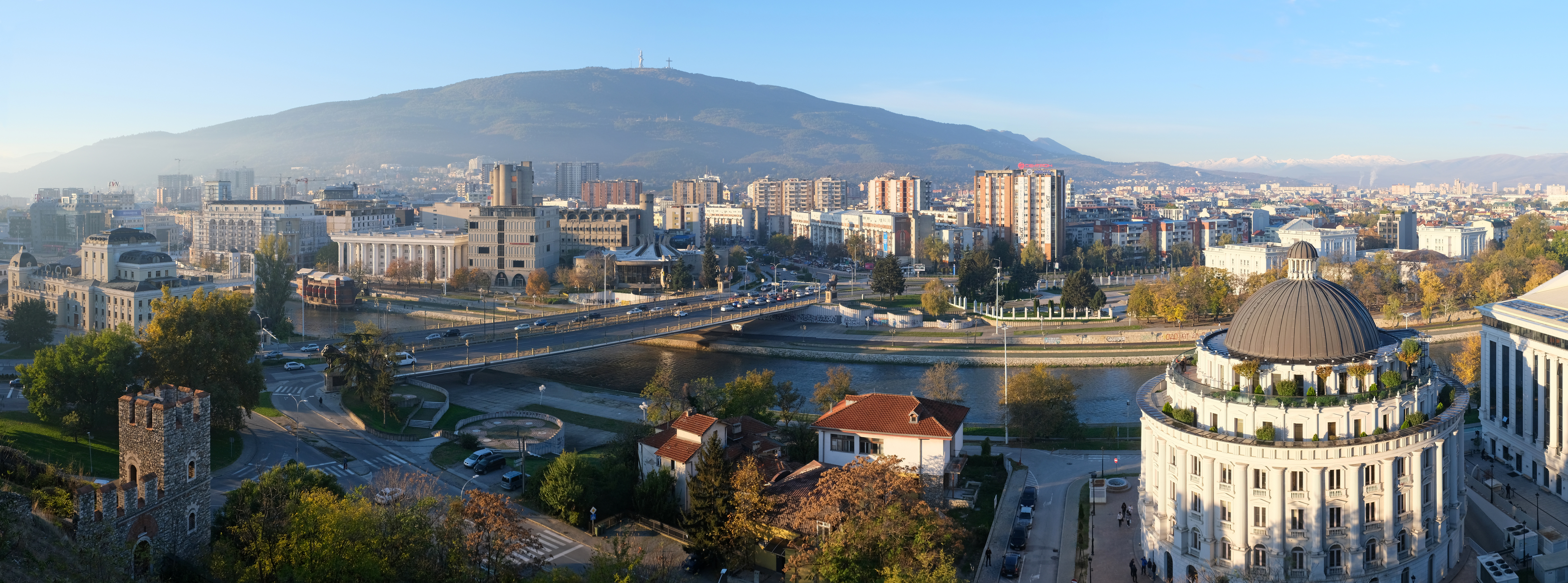 68
68Getting the income documentation story straight before you apply
The income threshold itself isn't the hard part. The hard part is that the visa draws a bright line around where that income can come from, and the review is not looking for "enough money," it's looking for money that has nothing to do with the Macedonian economy. Local work isn't permitted under this status, and the tolerance for any income earned inside the country sits at zero. That single fact should shape how you assemble your file. If you're a freelancer with even one client who happens to be Macedonian, or you're planning to pick up local consulting once you arrive, that income has no place in this application and shouldn't be blended into your bank statements.
For salaried remote employees, the documentation is usually straightforward: an employer letter confirming the remote arrangement, recent pay stubs, and a few months of consistent deposits into an account that clearly belongs to you. Freelancers have a harder job, because a single large invoice or a lump transfer right before applying reads as staged, even when it isn't. What consulates want to see is a pattern, ideally three to six months of deposits from more than one source if that's how the income actually works, with contracts or statements of work that show the relationship predates the application rather than being created for it.
The sequencing mistake people make is applying the moment they cross the income threshold on paper, without giving the bank statements time to show a pattern. If your income has been volatile, spend a quarter smoothing it out and documenting it properly before you submit, rather than submitting the month you happen to clear the number. A reviewer who sees $2,175 one month and $600 the next isn't going to read that as steady, even if your trailing twelve-month average is fine.
The accommodation requirement and where it goes wrong
You need a signed lease or a long-term booking before you submit, and this is the part that trips up otherwise well-prepared applicants because it requires committing to a place you haven't seen, in a country you may not have visited, weeks before you're allowed to travel there. The instinct is to book a short-term stay as a placeholder and figure out permanent housing after arrival. That instinct is understandable and it's also the wrong move for this particular visa, because a booking that clearly doesn't cover your intended length of stay signals to the reviewer that your plans aren't settled, and settled plans are exactly what they're checking for.
The cleaner approach is to treat the accommodation document as a real commitment, not a formality. Since the initial permit runs twelve months, a lease that matches or exceeds that period reads as coherent; a two-week Airbnb confirmation does not, even if you intend to find a longer-term place once you're on the ground. Some applicants split the difference by arranging a longer booking through a local agent or a nomad-friendly landlord willing to sign remotely, sight unseen, which is more common in Skopje and a handful of other cities than you'd expect given the visa's newer profile.
Where this goes wrong most often isn't fraud, it's mismatch: a lease that names a different city than the one on the rest of the application, or a booking confirmation that expires before the permit does. Reviewers cross-reference these details more carefully than people assume, and a document that technically satisfies the requirement but doesn't align cleanly with the stated length of stay can stall an otherwise strong application.
What happens after you land
Getting the visa approved is entry authorization, not the end of the paperwork. The application itself happens abroad, submitted in person with your documents and the $50 fee, and there's no online portal shortening that step. Once you arrive on the strength of that approval, you're operating on a twelve-month permit that's renewable, and the file you built for the embassy doesn't disappear, it becomes the baseline the country expects you to keep matching if you want to extend.
One detail that's easy to overlook until it affects you directly: a physical presence requirement of ninety days ties into how the tax authorities will eventually treat you. North Macedonia runs a residence-based tax regime, which means crossing certain presence thresholds pulls you into their system as a resident for tax purposes, not just an entry-permit holder. Because there's no coverage certificate arrangement and your home country social security contributions don't carry over, that resident status can create exposure you didn't plan for if you assumed the visa and the tax picture were separate questions. They're not, and the ninety-day marker is where that becomes concrete rather than theoretical.
There's no medical exam and no interview built into this process, which keeps the in-country friction lower than a lot of comparable programs. But the absence of an interview cuts both ways: there's no moment where an officer can clarify an ambiguous document on the spot, so the file you submit at the embassy has to stand on its own.
PR and citizenship, five years on paper
Both permanent residency and citizenship eligibility land at the five-year mark under this track, and that overlap deserves more scrutiny than most people give it before they commit to the visa as a long-term strategy rather than a one-year experiment. What that means practically is continuous, documented residence for half a decade, with the twelve-month permit renewed annually and the underlying income requirement presumably still holding up each time you renew, since nothing in this program suggests the bar drops once you're past year one.
The gap between the paper timeline and the practical one is renewal discipline. A five-year runway assumes uninterrupted status, and any lapse, a renewal filed late, a year where your income documentation wasn't as clean as it should have been, resets expectations even if it doesn't formally reset the clock. Since this is a newer visa category for the country, the administrative muscle memory around renewals and the eventual PR conversion isn't as tested as it would be in a country that's run a nomad visa for a decade. That's not a reason to avoid it, but it is a reason to keep your file in better shape at year three than the minimum requires, because you want margin if the process around PR conversion turns out to be less smooth than the initial visa application was.
Dependents are allowed on this track, which changes the five-year math for families: everyone's status needs to stay aligned, and a dependent's paperwork lapsing is just as capable of derailing the long game as the primary applicant's.
The judgment call against Croatia
The most obvious comparison for someone weighing this visa is Croatia's digital nomad program, and the honest answer is that the two aren't really competing for the same applicant once you look past the surface similarity of "Balkan country, remote work visa." Croatia sits inside the EU and Schengen, which matters enormously if regional travel without separate visas is part of your plan, and its nomad visa is generally treated as a temporary stay rather than a step toward settlement. North Macedonia isn't in the EU and isn't part of Schengen, so cross-border movement is less frictionless, but it offers something Croatia's program typically doesn't: an actual, documented route to permanent residency and eventually citizenship if you stay the course.
That difference should drive the decision more than cost of living or bureaucratic convenience. If the plan is a year or two of lower-cost living with easy weekend trips across open borders, Croatia's EU membership does real work for you that North Macedonia can't replicate. If the plan is longer, if you're seriously entertaining the idea of a five-year residence track that ends in a second passport option, North Macedonia's willingness to let a digital nomad visa lead somewhere permanent is the more interesting feature, even with the tradeoff of being outside the EU's freedom of movement in the meantime.
Where people get this wrong is picking based on which country sounds more appealing to live in for twelve months, without asking which one matches what they actually want at year five. A one-year lifestyle decision and a five-year residency strategy call for different visas, and conflating them is the most common reason people end up mid-process somewhere that no longer fits what they're trying to build.
Work Permissions
Application Steps
- 1
📋 Verify eligibility and gather info
1-2 days
- 2
📄 Collect identity documents
3-5 days
- 3
📄 Secure health insurance proof
1-3 days
- 4
📄 Prepare financial and work proofs
1 week
- 5
📋 Complete application form
1 day
- 6
📬 Submit at embassy or consulate
Same day
- 7
⏳ Wait for processing
2-4 weeks
- 8
🏛️ Travel and register residence
1-2 days
Planning a long stay? Compare international health plans for North Macedonia.
Compare health insuranceWe may earn a commission at no cost to you.
Compare this visa
Curated comparisons that include this route.
Frequently Asked Questions
Click any question to expand the answer.
Ready to Apply?
Work with trusted visa specialists who handle the paperwork so you can focus on your move.
Get help with this visa →* We may earn a commission if you apply through our link
At a Glance
Last verified: October 9, 2026