Difficulty
Moderate
Overview
Highly Skilled Migrant status in the Netherlands is built entirely around Dutch salary from an IND‑recognised employer, not around savings or passive income. This visa requires a Dutch salary from an IND-recognised employer — there is no credit given for ETF dividends, US Social Security, rental income, or portfolio withdrawals on their own. A FIRE retiree drawing $4,000/month from Vanguard or US rental property does not qualify unless a Dutch employer hires them and pays the required Dutch gross salary; purely remote foreign work without a Dutch contract does not fit the rules.
Local work is explicitly permitted under this permit, and the permit itself functions as both residence and work authorisation, so no separate work permit is needed once approved. No published information discloses the permitted duration, whether it is renewed in 1‑year, 3‑year, or 5‑year blocks, or the renewal cost, nor does it specify whether there is a formal physical presence requirement in days per year or a maximum consecutive absence period. Anyone planning to split time 6 months in the Netherlands and 6 months elsewhere needs to structure their plans around Dutch residence and tax‑residence rules rather than anything baked into this visa’s published conditions.
The long‑term residency path is not publicly specified: there is no disclosed information on whether this status leads to permanent residence, how many years it would take, or when a holder might qualify for Dutch citizenship. For a 10‑year relocation plan, that means you are relying on general Dutch immigration law and future policy rather than a guaranteed track from this specific permit. The same opacity applies to how many years you must hold the permit, or how continuous your stay must be, before you can transition to a more permanent status.
On the bureaucracy side, the friction scores are relatively low (bureaucracy 1/5), and there is no requirement listed for an apostille, FBI background check, medical exam, or consular interview. That removes several pain points that Americans, Canadians, and Australians encounter in other countries’ work programs. However, the application fee, renewal cost, and processing time are not publicly specified here, so you should budget both time and money with a margin above whatever your employer informally quotes.
This path makes the most sense if you already have or can secure an offer from an IND‑recognised Dutch employer paying a full local salary that covers your living costs and allows continued investing on the side. It is a poor fit if your plan is to live off $3,000–$6,000/month in foreign passive income while doing only remote work for non‑Dutch clients and avoiding any employment relationship in the Netherlands.
Eligibility Requirements
EU and EEA citizens do not need or use the Netherlands Highly Skilled Migrant Visa because they have free movement and work rights in the Netherlands under EU law. The people who fall outside this group—and therefore may qualify for this permit—are nationals of non‑EU/EEA countries such as the United States, Canada, Australia, New Zealand, the United Kingdom, most Latin American states, and Asian and African countries.
Confusion often arises around edge cases. Norway, Iceland, and Liechtenstein are EEA states and enjoy the same free movement privileges as EU citizens, so they bypass this visa entirely. Switzerland, while not in the EU or EEA, has its own bilateral free‑movement arrangements; Swiss nationals also do not go through the highly skilled migrant route. By contrast, post‑Brexit UK citizens are now treated as non‑EU/EEA nationals for Dutch immigration, so a British professional generally does need a work‑based residence permit, such as this one, to live and work in the Netherlands.
Dual nationals who hold any EU citizenship—whether Irish‑US, German‑Canadian, French‑Australian, or similar—should enter and reside in the Netherlands on their EU passport rather than applying under the highly skilled migrant scheme. Using the EU passport avoids sponsorship requirements, salary‑linked migration rules, and much of the administrative burden, and it is the legally appropriate path for someone with EU free‑movement rights.
Requirements Checklist
0 of 12 documents in hand
0%These take the longest, so start them first.
Request these while the slow items are in progress.
You only need these on the day you submit.
How and where to apply
Your employer applies for your residence permit directly to the IND (Immigration and Naturalisation Service) in the Netherlands through the entry and residence procedure. If you require an MVV (provisional residence permit), you will collect it in person from the Dutch Embassy or Consulate in your home country. Once you arrive in the Netherlands with your MVV, you visit an IND office to apply for and collect your final residence permit. If you do not require an MVV, your employer can initiate the work permit application while you are already in the Netherlands.
Tax Information
Local tax picture for highly skilled migrants
The Netherlands operates a worldwide income tax regime for residents, not a territorial or remittance‑based system. Once you are Dutch tax resident, salary from your Dutch employer, remote work income, US or Canadian pension distributions, Social Security, and rental income from property abroad all fall into the Dutch tax net. ETF dividends from a US brokerage are also within scope. The structured visa data does not disclose any special tax regime tied specifically to the Netherlands Highly Skilled Migrant Visa itself, so you should assume normal Dutch tax rules apply unless you separately qualify for something like the 30% ruling.
Capital gains on foreign investments (for example, selling US‑listed index funds in a US brokerage) are handled under the Dutch wealth‑tax style system, not as classic realised capital gains. However, the visa rules provided here do not specify rates or mechanics, so from this data set alone the treatment of foreign portfolio gains is not publicly specified. That uncertainty matters for FIRE investors timing large reallocations or harvesting gains while resident in the Netherlands.
Tax residency in the Netherlands is not defined in this visa’s facts, and no day‑count threshold is disclosed here. In practice, Dutch tax residency is usually based on where your main economic and personal ties are, but for this summary we must treat the precise trigger as not publicly specified. What is clear is that once you move under a work‑based residence permit, you should expect to register locally and be treated as tax resident from early in your stay.
The structured data does not disclose any application deadline for a preferential regime, any special expat tax status by name, or any simplified filing rules tied directly to this permit, so there is no visa‑specific regime we can describe beyond the general worldwide system. Local filing logistics (tax ID registration, annual return deadlines) are also not specified here, so you cannot rely on this visa summary as a compliance calendar.
The tax treaty status with the US is marked as unknown in the visa rules. That “unknown” label means you cannot assume protections on double taxation of dividends, pensions, or Social Security from this data alone, nor can you rely on a totalization agreement to avoid FICA‑style contributions. You need to confirm the treaty and social security coordination separately; it is not embedded in this visa’s officially structured metadata.
For US Citizens and Green Card Holders
As a US person on a Netherlands Highly Skilled Migrant Visa, you remain fully taxable by the IRS on worldwide income, even while paying Dutch tax. The Foreign Earned Income Exclusion (FEIE) on Form 2555 can shield up to $126,500 of earned income in 2024 from US income tax, covering Dutch salary, remote consulting, or self‑employment. It does nothing for ETF dividends, US rental profits, capital gains, or pension withdrawals. Given that this permit is intended for full‑time employment in the Netherlands, many users will qualify under the Bona Fide Residence Test after establishing a primary home there, although the Physical Presence Test (330 days abroad in a 12‑month period) is also available if you travel widely but spend almost no time in the US.
The Foreign Tax Credit (FTC) on Form 1116 becomes central once you exceed the FEIE cap or forego FEIE. Because the Netherlands taxes residents on worldwide income, your Dutch effective rate on salary and possibly investment income can be substantial. Where the Dutch rate on a particular stream (for example, employment income or rental profits) exceeds the corresponding US rate, the FTC can neutralize US tax on that income. If, for some category, the Netherlands imposes little or no tax, there is no foreign tax to credit; in that case, FEIE (for earned income) or plain US taxation (for passive income) takes over.
FBAR (FinCEN 114) is mandatory once the aggregate balance of all non‑US financial accounts—Dutch current accounts, savings, and investment accounts—exceeds $10,000 at any point in the year. FATCA Form 8938 can also apply at higher thresholds. The visa rules table does not state that a Dutch bank account is required, but in practice most workers in the Netherlands will open one for salary and housing, so US reporting will be triggered for many holders.
Real optimization usually requires two specialists: a US CPA who handles expat returns, FEIE vs FTC modeling, and FBAR/FATCA, and a Dutch tax advisor who understands employment, wealth taxation, and expat concessions. The $1,500–$3,000 you spend in year one on that combined advice often pays for itself in correctly chosen elections, use of FEIE vs FTC, and avoidance of four‑ and five‑figure penalties for late or incomplete filings.
Living in Netherlands
COL Index vs NYC
60.5
Monthly Cost (excl. rent)
$1,177
1BR Rent (City Center)
$1,674
Safety Index
73.1
Healthcare Index
79.3
Quality of Life Index
211.3
Time Zone
UTC+01:00
Capital
Amsterdam
Population
18.5M
Official Languages
Dutch
Avg Internet Speed
344 Mbps
Public Transit Quality
Excellent
With a budget covering rent and living costs, you'd need roughly $2,851/mo for a comfortable single-person lifestyle in Netherlands.See how far your money goes →
🏙️ Best Cities in Netherlands for Expats
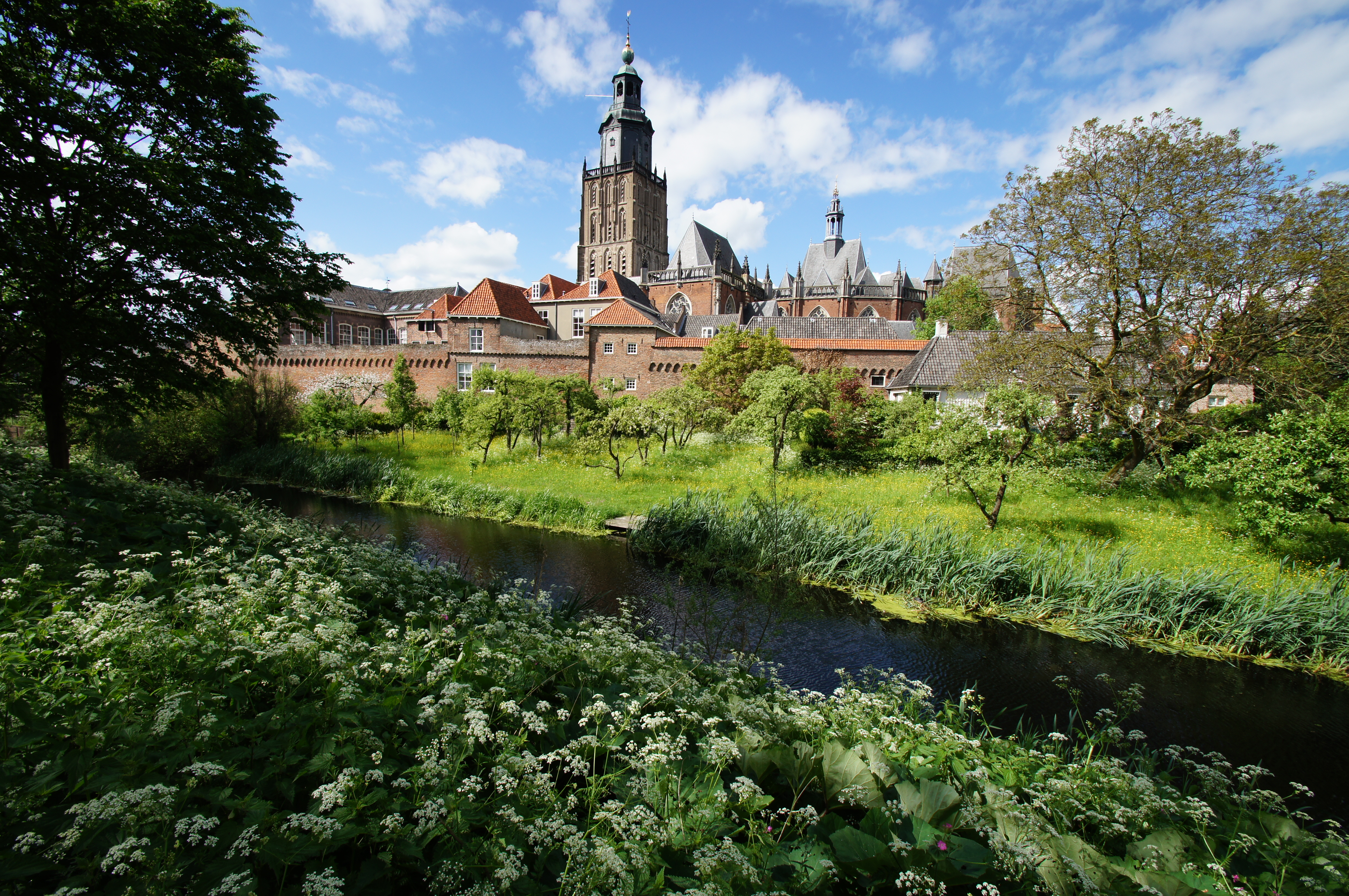 ✦ 79
✦ 79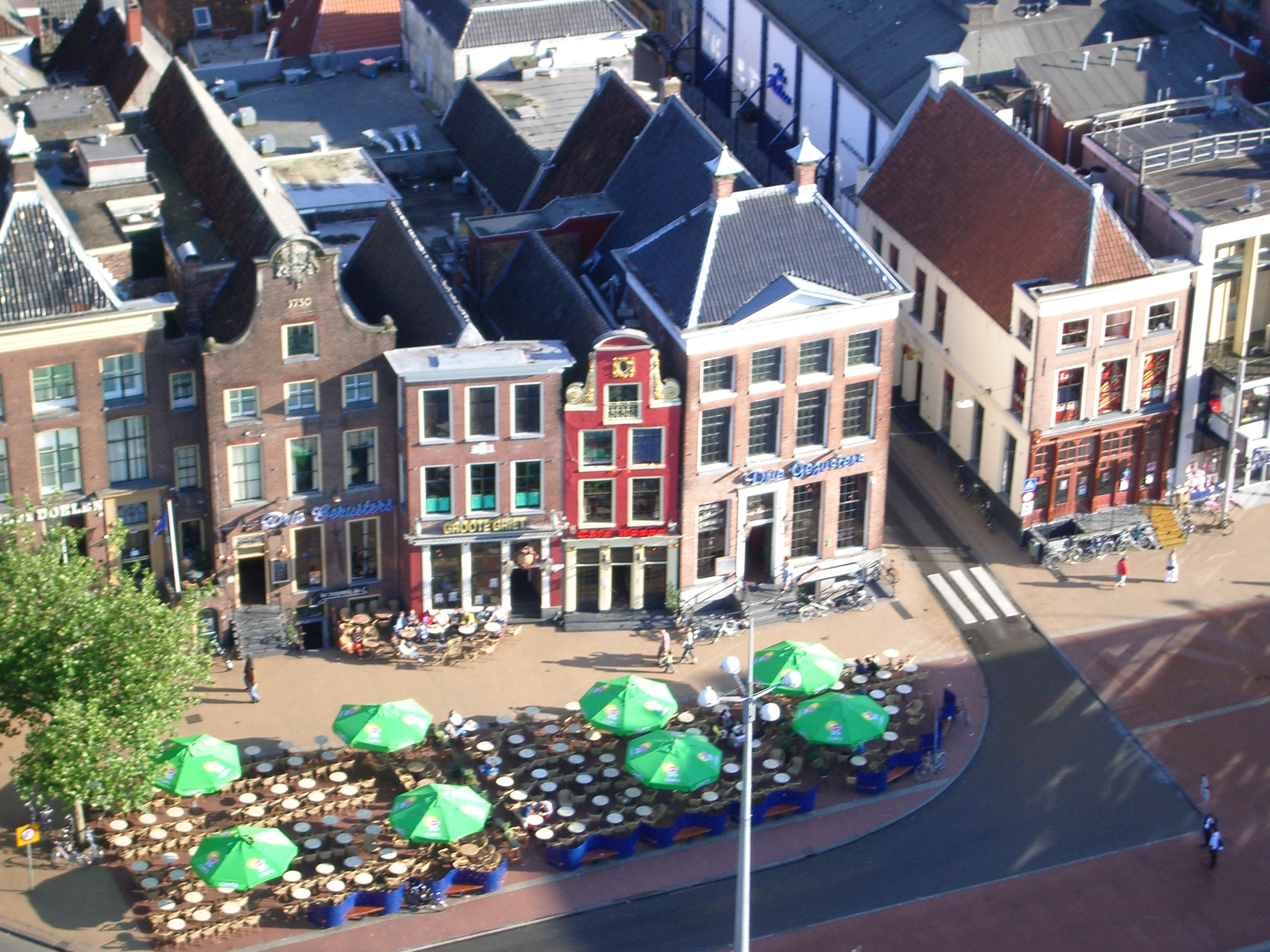 ✦ 80✦ 79
 ✦ 82
✦ 82 ✦ 84
✦ 84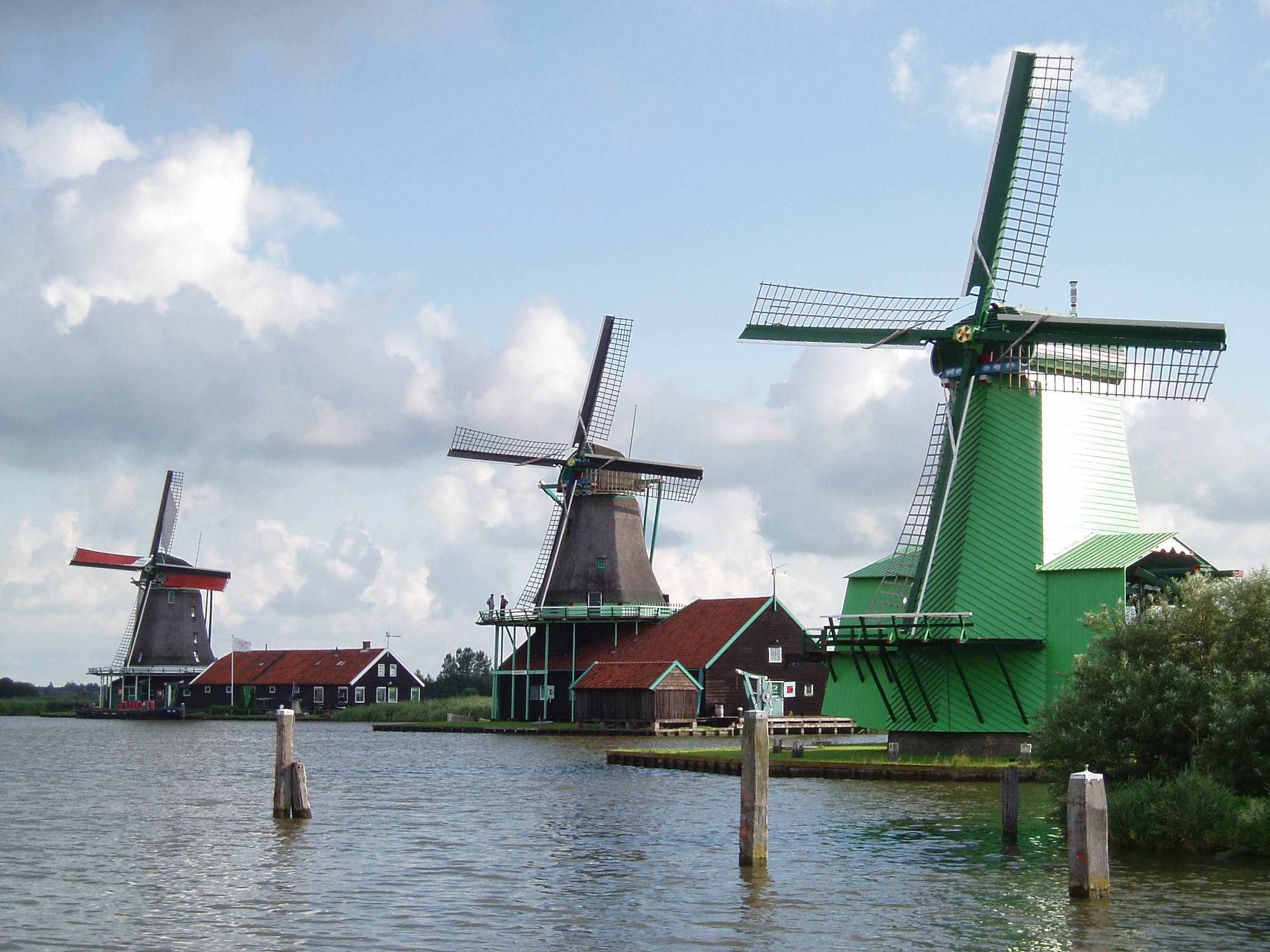 ✦ 77
✦ 77The address problem that stalls people after they've already won
Nobody frames this as part of the visa process, because technically it isn't, it's a housing market problem that happens to sit directly on top of your immigration timeline. To finish the process once you're in the Netherlands, you need an address to register with, and the Dutch rental market in the cities where highly skilled migrant jobs actually concentrate does not make that easy for someone who shows up without a Dutch bank account, a Dutch employment history, or a BSN yet. Landlords want proof of income and often want a local guarantor; you don't have either in the form they recognize.
The sequencing mistake is assuming you can sort housing after you land, on the logic that the visa is the hard part and the apartment will follow. It's often the reverse. People end up in short-term corporate housing or extended-stay arrangements for weeks longer than planned, not because their employer didn't come through, but because they didn't start the housing search until they had a visa in hand instead of running it in parallel with the sponsorship paperwork. If your employer has relocation support, use it specifically for this, not just for the move itself. If they don't, start reaching out to landlords and relocation-focused rental agencies the moment your MVV or work permit application is filed, not after it's approved.
Landing with an MVV is the beginning of the paperwork, not the end
If your nationality requires an MVV, you pick that up in person from a Dutch embassy or consulate in your home country before you travel. People sometimes treat that collection as the finish line, the moment the visa becomes real. It isn't. Once you arrive in the Netherlands, you still have to go to an IND office to apply for and collect the actual residence permit, which is a separate document from the MVV itself. Skipping or delaying that appointment doesn't void your entry, but it leaves you in a limbo period where you're legally present and legally allowed to work, since work authorization comes with the visa itself, but without the card that everything from your bank account to your municipal registration will eventually ask for.
If you don't need an MVV at all, the process compresses: your employer can start the work permit application while you're already in the country, which sounds simpler and often is, but it also means there's no forcing function pushing you to have your address, insurance, and registration lined up before you arrive. The people who handle this cleanly treat the IND office visit as its own deadline, not a formality tacked onto the end of a process that already felt finished when the MVV came through.
Permanent residence is a milestone on paper, not a fixed date
The permit renews, and it does lead toward permanent residency, which is the part most applicants fixate on when they're deciding whether this visa is worth the sponsor dependency. What gets underweighted is that the path runs through your employment status, not a calendar. Change employers and you may need a new sponsor to pick up where the last one left off; if there's a gap between jobs longer than the rules allow, or if a company loses its sponsor registration while you're mid-contract, the continuity you were counting on can break. None of that shows up when someone asks "how long until permanent residency" and gets a clean answer.
The practical version of the question isn't how many years, it's how stable is the sponsor relationship you're building on. Someone who stays with one employer, or moves between two sponsor-registered companies without a lapse, is in a very different position than someone who freelances on the side or job-hops through smaller companies still working out their own registration. If permanent residency is the actual goal, and it should be if you're choosing this visa over something faster and less binding, the employer conversation you have in year one about their sponsor status and their intent to keep you on matters more than anything you'll read about the visa category itself.
Sponsorship or self-employment, pick your dependency
The obvious alternative for an American with $4,000 to $10,000 a month in remote income isn't another country, it's a different route into the same one: the Dutch self-employment treaty path built for US citizens, which doesn't require an employer sponsor at all. That route asks you to prove your business is viable on Dutch terms, with its own documentation burden and its own risk, since your status now depends on your own income continuity rather than a company's. The Highly Skilled Migrant visa asks the opposite thing of you: give up direct control over your legal status in exchange for someone else absorbing the sponsor-registration overhead and the administrative risk that comes with it.
Neither is more work exactly, the work just sits in different hands. If you already have or can get a sponsor-eligible employer, this route gets you dependents allowed, legal work rights from day one, and a real path to permanent settlement without having to prove your own business case to Dutch authorities every renewal cycle. If you don't have that employer, and building one from a remote freelance income stream sounds more realistic than finding one, the self-employment path is the more honest starting point, even though it trades employer-backed stability for the ongoing job of proving your own income holds up. Choosing between them is really choosing whether you'd rather depend on a company's paperwork or your own.
Work Permissions
Application Steps
- 1
📋 Secure job offer from IND-recognized employer
Varies (employer verification)
- 2
📬 Employer initiates entry and residence procedure
Around 2 weeks
- 3
⏳ Receive positive decision and MVV eligibility confirmation
Follows IND decision (2 weeks+)
- 4
📅 Collect MVV from Dutch Embassy
1-2 weeks (varies by embassy)
- 5
📋 Travel to the Netherlands with MVV
Same day (travel)
- 6
🏛️ Apply for residence permit at IND office
1-4 weeks
- 7
🏛️ Register with Dutch tax authority (Belastingdienst)
1-2 weeks
- 8
🏛️ Arrange health insurance
1-2 weeks
- 9
🏛️ Open local bank account
1-2 weeks
- 10
🏛️ Register with municipality (gemeente)
Same day to 1 week
Frequently Asked Questions
Click any question to expand the answer.
Ready to Apply?
Work with trusted visa specialists who handle the paperwork so you can focus on your move.
Get help with this visa →* We may earn a commission if you apply through our link
At a Glance
Last verified: October 9, 2026