Min Monthly Income
$2,000
Processing Time
2-3 wks
Difficulty
Moderate
Duration
6 months
Overview
Namibia’s Digital Nomad Visa targets people earning location-independent income from outside Namibia, with a hard floor of USD 2,000/month for the main applicant. That income must come from remote work or business activities (employment contract, freelance contracts, or business ownership) rather than passive investment income; Social Security, pensions, dividends, and rental income abroad do not qualify as the primary eligibility basis under the official criteria. For families, you must show an extra USD 1,000/month for a spouse and USD 500/month per child, so a family of four needs USD 4,000/month documented income. The visa fee is about USD 62–124 (roughly N$3,300) as of 2026, charged on approval.
You are allowed to work only for foreign employers or clients; 0% of your income can come from Namibian sources, and entering the local labour market is explicitly prohibited. This aligns with the visa’s classification as a digital_nomad permit: contractors, W‑2 style remote employees, self‑employed professionals, and business owners are all listed as acceptable employment types as long as their customers or employers remain abroad. Income from remote work and business qualifies; passive income streams help your personal affordability but do not substitute for the required active remote earnings.
The stay is capped at 6 months and the visa is renewable as of 2026. Current rules state it does not lead to permanent residency or citizenship and you must wait 12 months after expiry before reapplying. There is no physical presence requirement beyond the obvious fact that this is a short‑stay visa, and there is no limit on time you can be absent during the 6‑month validity, but leaving for long stretches undermines the point of obtaining it.
Despite a low bureaucracy score of 1/5 in the published data, the document list is longer than many expect: you need health insurance, six months of bank statements, proof of income at or above USD 2,000/month (plus dependents’ increments), and supporting items listed by NIPDB such as a visa application form and, in practice, employer and NIPDB motivation letters. However, you avoid heavy frictions common elsewhere: no apostille, no FBI background check, no in‑person interview, and no local bank account requirement. Processing time is typically 2 to 3 weeks, so planning for a lead time of at least several weeks is prudent.
This setup makes most sense if you already earn at least USD 2,500–3,000/month from a foreign employer or clients and want a defined 6‑month base in Namibia without any long‑term immigration or tax commitments. It is a poor fit if your USD 2,000+/month cash flow comes primarily from pensions, Social Security, or ETF dividends, or if you are seeking a multi‑year residency and eventual PR or citizenship track.
Eligibility Requirements
Any nationality can apply in principle for the Namibia Digital Nomad Visa; the structured facts list nationality restrictions as applying to “all,” meaning the program is not formally limited to specific passport groups. Applicants holding passports from heavily sanctioned or diplomatically strained states such as Iran, Syria, North Korea, or, in practice, certain Russian or Cuban nationals can encounter consular or banking obstacles that make approval or practical use of the visa difficult even when not explicitly barred in the rules. Before compiling bank statements and motivation letters, verify your specific eligibility directly with Namibia’s Ministry of Home Affairs, Immigration, Safety and Security or via the Namibia Investment Promotion and Development Board (NIPDB), which coordinates this visa.
Min Income
$2,000
Min Age
18 yrs
practical
Duration
6 months
Remote Work / Freelance · Business Income
1099 Contractor · Business Owner · Self-Employed · W2 Employee (foreign employer)
Max 0% from local sources
+50% per adult · +25% per child
Requirements Checklist
0 of 17 documents in hand
0%These take the longest, so start them first.
Request these while the slow items are in progress.
You only need these on the day you submit.
How and where to apply
Submit the full application package by email to [email protected], including the NIPDB motivation letter sent directly to MHAISS. Applications are handled through the Namibia Investment Promotion and Development Board (NIPDB). No in-country application or consulate submission is specified; complete before travel.
Tax Information
Local tax regime and what it means for you
Namibia operates a territorial tax regime. In practice, that means Namibian tax focuses on income sourced in Namibia (salary from a Namibian employer, business activities carried on in Namibia, local property rentals), not on foreign‑source income you earn while physically present there. Under this visa, local work is prohibited and 0% of your income may be from Namibian sources, so the income that qualifies you, remote salary, freelance fees, or business profits from foreign clients, remains foreign‑source. Dividends from ETFs in a US or European brokerage, rental income from a US or Canadian property, and pension or Social Security payments from abroad all fall outside normal Namibian income tax scope when they are not derived from Namibian activities.
For FIRE users, that means index‑fund dividends and bond interest in a foreign brokerage are foreign‑source and, under territorial rules, not taxed in Namibia as long as you do not convert them into a Namibian trade or business. Likewise, US‑source pension distributions and Social Security are not treated as Namibian‑source income. However, if you set up a Namibian PE (permanent establishment) of your business or start invoicing Namibian clients, you move into local tax territory and normal Namibian income tax rules apply.
On capital gains from selling foreign ETFs or stocks held abroad, Namibia’s territorial regime again focuses on source. Gains on assets held in foreign brokerages, with no Namibian business connection, are generally outside Namibian tax scope and are effectively exempt under territorial rules. There is no indication of any special rate or remittance rule that would pull these foreign gains into tax just because you are present in Namibia.
Tax residency is the practical pivot point. Namibia uses day‑count and other presence/connectivity tests, but the exact day threshold is not publicly confirmed; 183 days is the commonly used global standard. The visa itself does not automatically make you a tax resident, but spending a full 6 months in‑country in a calendar year could place you in the zone where the Namibian Revenue Agency may treat you as resident for Namibian‑source income. Even then, territorial rules mean your foreign‑source remote and investment income remain outside scope; what changes is your obligation to register, obtain a tax number, and file returns if you have any Namibian‑source amounts.
There is no mention of a special preferential regime (such as Portugal’s NHR‑style programs or flat‑tax non‑dom structures), so you are working within the standard territorial framework. Practical compliance normally entails obtaining a taxpayer reference number if you have any Namibian‑source income or plan to stay long enough to become tax resident, and then filing annual returns according to Namibian Revenue Agency deadlines; exact deadlines vary, so you must confirm due dates locally.
The There is no US-Namibia tax treaty. In practice, an unknown or absent income tax treaty means you cannot assume reduced US withholding on US‑source dividends or special relief for pensions or Social Security, and there is no published totalization agreement to coordinate Social Security contributions. You handle double‑taxation exposure primarily through US domestic mechanisms (Foreign Tax Credit) rather than relying on a treaty.
For US Citizens and Green Card Holders
For US persons on the Namibia Digital Nomad Visa, worldwide income remains reportable to the IRS regardless of Namibia’s territorial approach. Earned income from remote work (W‑2 from a US or foreign employer, Schedule C consulting, freelance work) can be sheltered using the Foreign Earned Income Exclusion (FEIE) via Form 2555. For 2026, the FEIE cap is USD 132,900 of earned income only; it does not cover ETF dividends, capital gains, rental profits, pensions, or Social Security. With a 6‑month‑duration visa and no long‑term residency path, most users will rely on the Physical Presence Test (330 full days outside the US in any 12‑month period, which can include days in Namibia plus other countries) rather than the Bona Fide Residence Test.
Because Namibia’s regime is territorial and your qualifying income is foreign‑source, your effective Namibian tax rate on that income is often 0%. In that scenario, the Foreign Tax Credit on Form 1116 yields little or no benefit for your main income streams: you cannot claim a credit for tax that does not exist. FTC becomes relevant only if you generate some Namibian‑source income contrary to the visa’s restrictions or if a future rule change pulls part of your income into Namibian scope at a positive rate.
You still have full US reporting obligations on investment income and gains. Dividends and capital gains from selling ETFs in a US brokerage remain fully taxable in the US; Namibia’s territorial approach simply means there is no second layer of Namibian tax to credit. Likewise, US‑source pensions and Social Security remain taxable under US rules even if Namibia does not touch them.
FBAR (FinCEN 114) applies once your aggregate foreign financial accounts exceed USD 10,000 at any point during the year. The structured facts say no local bank account is required for this visa; however, many nomads open Namibian accounts for practical reasons, which then count toward the FBAR and, above separate thresholds, FATCA Form 8938. Non‑willful FBAR penalties start at a statutory USD 10,000 per violation, inflation-adjusted to about USD 16,700 as of 2026, so ignoring a small Namibian account can be costly.
The optimal setup for a US FIRE retiree or remote worker here combines: Form 2555 to exclude up to USD 132,900 of earned income if you meet the 330‑day test, Form 1116 where you actually pay foreign tax on any income stream, and scrupulous FBAR/FATCA compliance for any Namibian or other non‑US accounts. The practical move is to engage two professionals in year one: a US CPA who specializes in expat FEIE/FTC/FBAR and a local Namibian tax advisor who can confirm when (or whether) you must register and file locally. The USD 1,500–3,000 spent on that combination in the first year generally pays for itself via avoided penalties, correct FEIE/FTC elections, and clean documentation for future audits.
Living in Namibia
COL Index vs NYC
31.5
Monthly Cost (excl. rent)
$645
1BR Rent (City Center)
$533
Safety Index
44.3
Healthcare Index
43.7
Quality of Life Index
104.1
Time Zone
UTC+01:00
Capital
Windhoek
Population
2.5M
Official Languages
Afrikaans, German, English, Herero, Khoekhoe, Kwangali, Lozi, Ndonga, Tswana
Avg Internet Speed
29 Mbps
Public Transit Quality
Fair
With a budget covering rent and living costs, you'd need roughly $1,178/mo for a comfortable single-person lifestyle in Namibia.See how far your money goes →
🏙️ Best Cities in Namibia for Digital Nomads
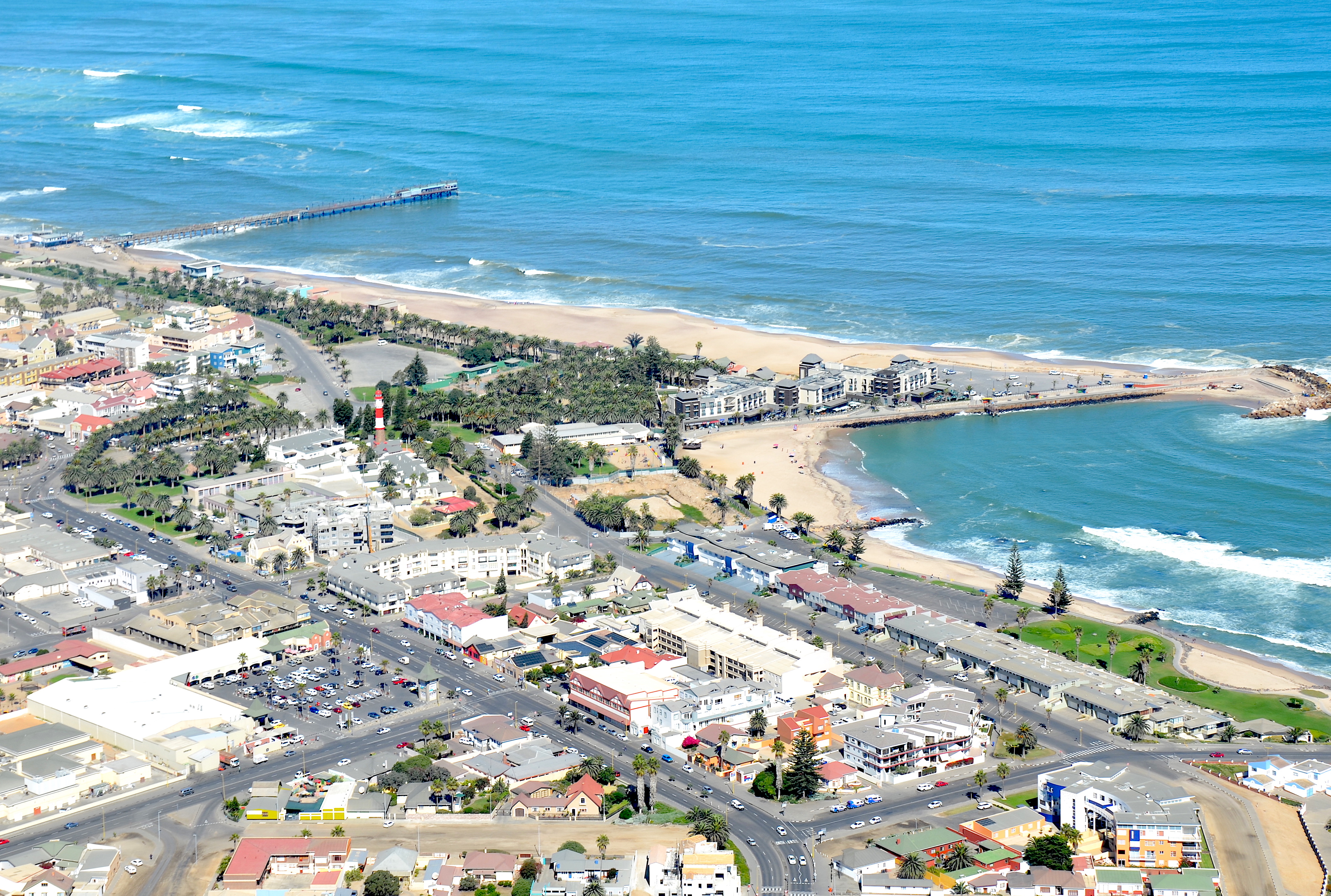 ✦ 78
✦ 78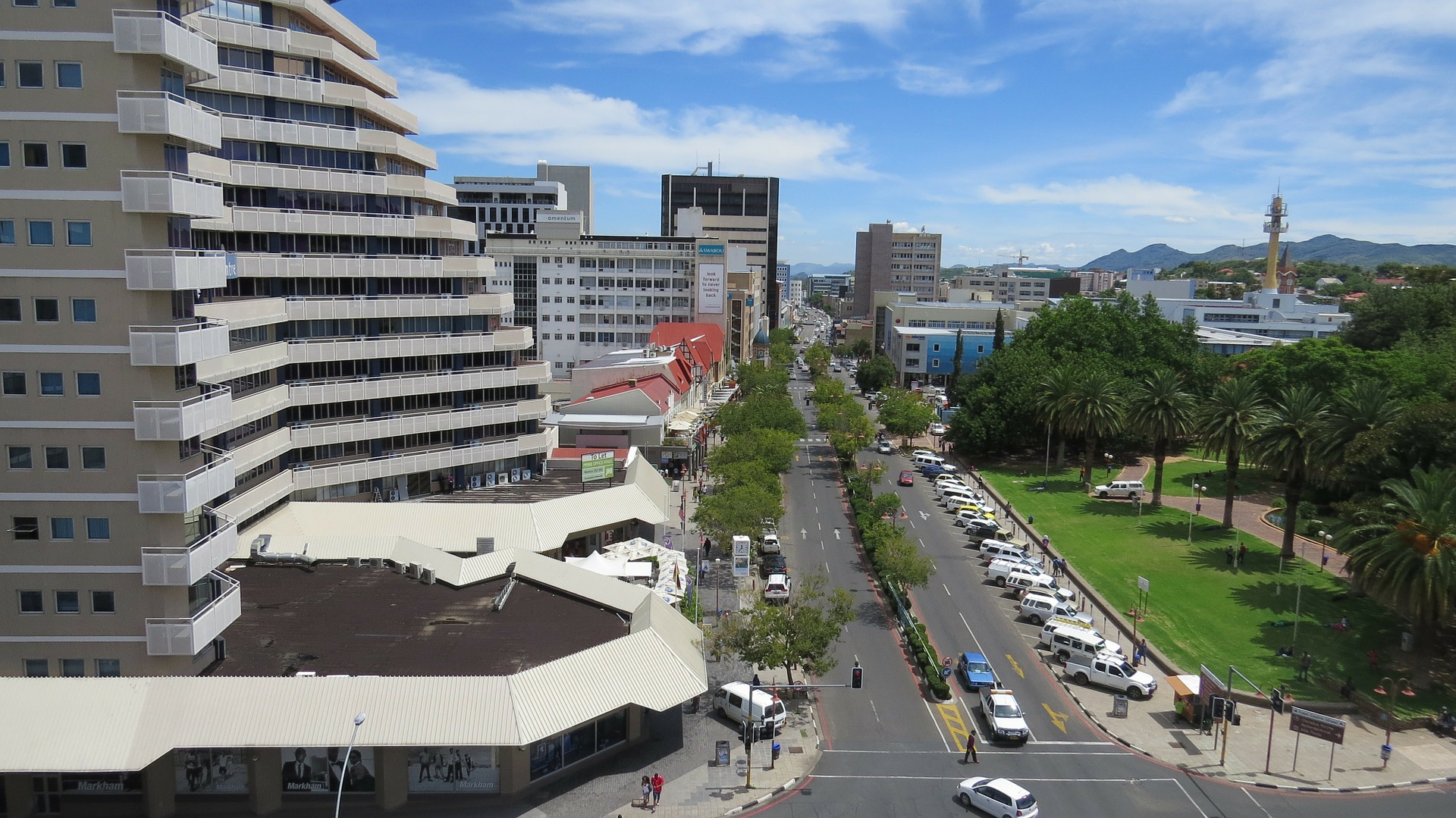 58
58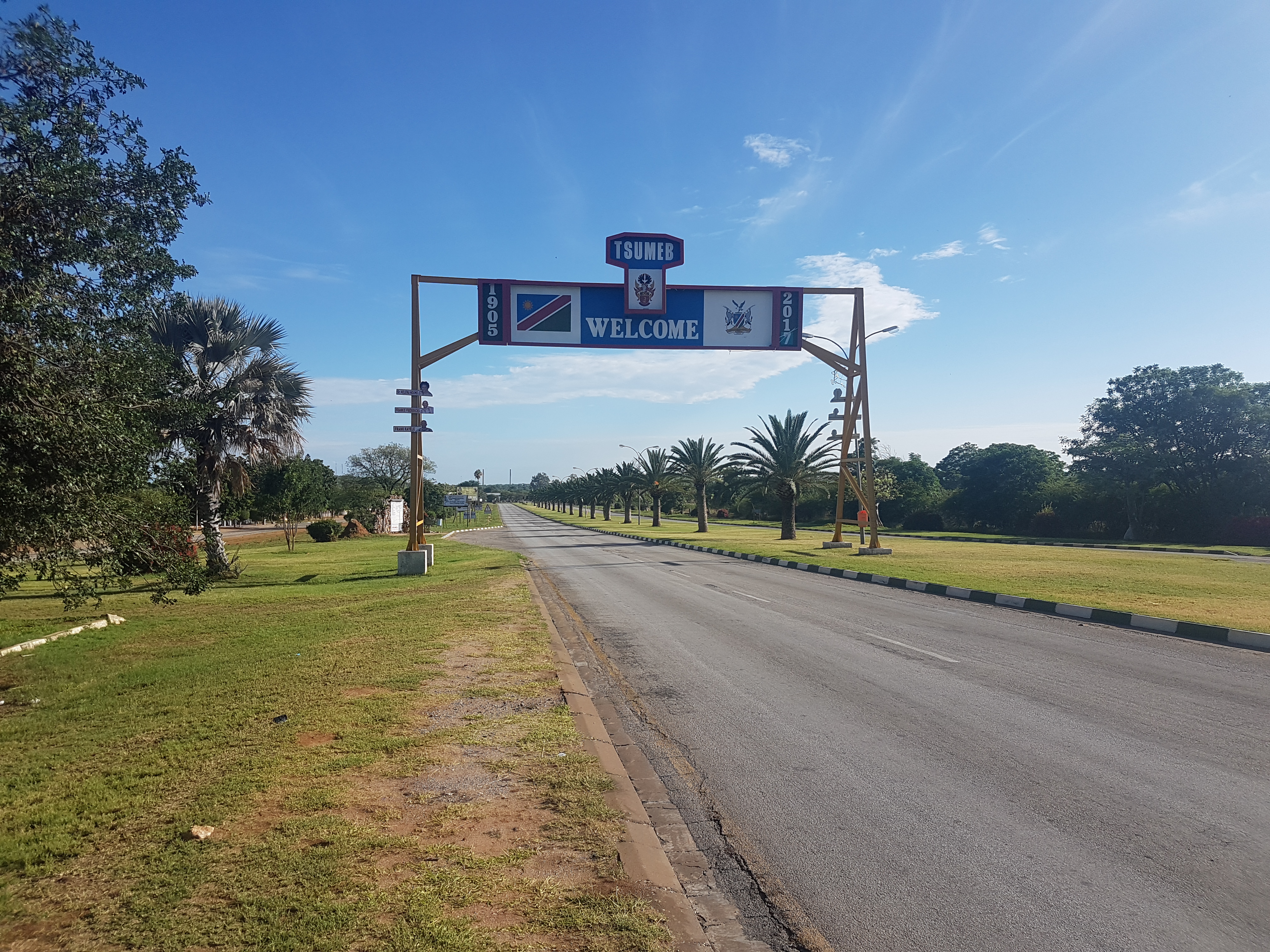 51
51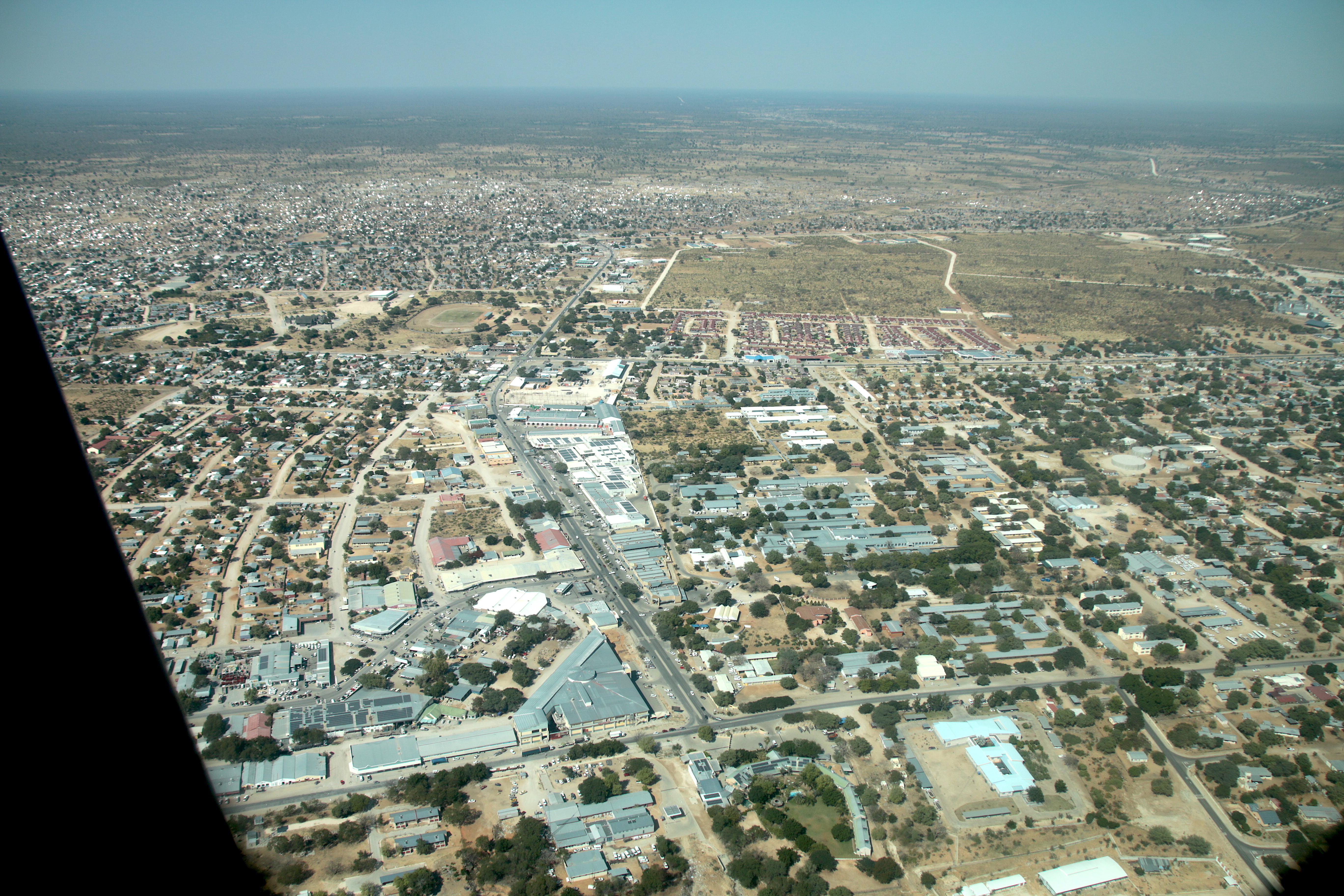 51
51 52
52Getting the income documentation story straight before applying
The threshold itself, USD 2,000 a month for the main applicant, isn't the hard part. The hard part is making every document agree with every other document about how that income arrives and who it comes from. A freelancer with three overseas clients needs those client contracts to show payment patterns that match six months of bank statements, not just a lump sum that shows up conveniently before the application date. An employee working remotely for a US company needs the employer's motivation letter to describe the arrangement in terms that don't contradict the payslips, down to job title and whether the role is officially remote-permitted.
Where this goes wrong most often is timing. Applicants gather the six months of bank statements first, notice a gap or an irregular deposit, and then go back to fix the contract or the letter to explain it, rather than the other way around. That sequencing produces documents that look assembled rather than lived. Reviewers who process these applications regularly are not naive about what a manufactured paper trail looks like, particularly around dependent income. If you're brining a spouse and child, the add-on amounts, fifty percent of the main threshold for a spouse and twenty-five percent per child, need their own clean sourcing, not just an inflated version of the main applicant's numbers stretched to cover everyone.
The other trap is treating the police clearance and its translation as an afterthought. These documents take real lead time, especially if you've lived in more than one country in the past year and need clearances from each, and every non-English document needs an official translation attached. Start this track in parallel with the financial documentation, not after it. Applicants who leave the clearance and translation work until the financials are settled routinely lose two to three weeks they didn't need to lose.
The health insurance and medical paperwork piece, and where people trip on it
The insurance requirement is straightforward on its face: valid international health coverage for the duration of the stay, or comprehensive travel insurance that does the same job. Where people get it wrong is buying a policy that covers travel incidents but excludes ongoing care, or one that technically covers Namibia but caps benefits so low it wouldn't cover anything beyond a clinic visit. A policy that reads well on a summary page can fall apart the moment an underwriter checks the fine print for country-specific exclusions, and reviewers do check.
The other piece worth handling early is the medical certificate and radiological report tied to the application forms. These aren't throwaway paperwork items even though they can feel bureaucratic; they need to be completed on the specific forms referenced in the application package, not just any general practitioner's letter. Booking these appointments late in the process, after everything else is assembled, is a common way to lose a week or two right before submission, since radiological reports in particular often require scheduling ahead rather than same-day service.
What happens after approval, and why the six-month clock matters more than it sounds
This is not a visa that converts into a residence permit once you're in the country. The application is meant to be completed before travel, submitted by email through NIPDB along with their motivation letter to the ministry, and the fee itself is payable on approval or on arrival as instructed rather than upfront. That structure means most of the real friction happens before you ever board a flight, not after.
Once you're in, the initial grant runs six months. There's no local work permitted under this status, so any assumption that you'll pick up local clients or a side gig once settled is a mistake that risks the whole arrangement. The renewable design is truly useful here, but it means building your calendar around the expiration date from day one rather than treating six months as a soft estimate. Applicants who start the renewal conversation with NIPDB only when the clock is nearly out tend to have a worse time than those who treat the midpoint of the six months as the moment to start gathering updated income and insurance documentation for the next round.
The honeymoon path is a mirage, and that's fine if you plan around it
This visa does not lead to permanent residency. That's not a technicality buried in fine print, it's the design. Renewable status is not the same as a residency track, and treating the two as interchangeable is where people lose months of planning down the line. If the goal is eventually settling in Namibia in a more permanent way, this visa isn't the vehicle, and no amount of clean renewals changes that.
What this means practically is that the smart way to use this status is as a bounded experiment. Come in with a defined sense of how long you actually want to be here, whether that's one renewal cycle or several, and build your financial and logistical life around a status that could end without warning turning into something else. Anyone using this as a stepping stone toward a different, more permanent category in Namibia should assume that transition requires an entirely separate application built on its own criteria, not a natural progression from nomad status. Plan the exit as carefully as you planned the entry.
Weighing this against the other obvious African nomad option
The comparison that comes up most is against nomad or remote work programs elsewhere on the continent, places like Mauritius or Cape Verde that get pitched in the same breath. Namibia's income floor is lower than what several of those programs ask for, which matters if you're early in a freelance career or running a leaner operation than a $6,000-a-month consultant. That's a real advantage for someone who clears $2,500 to $3,500 a month and would rather not stretch to meet a higher bar elsewhere.
Where Namibia loses ground is on what the visa builds toward. If the destination you're comparing against offers any kind of extended residency track or a longer initial grant, and yours doesn't lead anywhere beyond renewal, the decision shouldn't be about cost of living alone. Someone earning $4,000 a month from a handful of US clients who wants a genuine multi-year base has a different calculus than someone who wants six clean months in a low-cost setting before deciding what's next. The second person should probably choose Namibia and not overthink it. The first person needs to be honest about whether a renewable-only status, with no work rights locally and no line to anything more permanent, actually serves what they're trying to build, or whether it's just the easiest visa to get approved for right now.
Work Permissions
Application Steps
- 1
📋 Request NIPDB motivation letter
1-2 weeks
- 2
📋 Download and complete forms
1 day
- 3
📄 Gather identity documents
1-4 weeks
- 4
📄 Prepare financial proof
1-2 weeks
- 5
📄 Obtain medical documents
1-2 weeks
- 6
📬 Submit full application package
1 day
- 7
⏳ Wait for approval
not specified
- 8
🏛️ Register with immigration on arrival
1-30 days
This visa requires proof of health insurance. Compare international plans before you apply.
Compare health insuranceWe may earn a commission at no cost to you.
Compare this visa
Curated comparisons that include this route.
Frequently Asked Questions
Click any question to expand the answer.
Ready to Apply?
Work with trusted visa specialists who handle the paperwork so you can focus on your move.
Get help with this visa →* We may earn a commission if you apply through our link
At a Glance
Last verified: October 9, 2026