Processing Time
~17 wks
Difficulty
Difficult
Duration
12 months
Overview
Montenegro’s Golden Visa is built around a capital investment rather than monthly income. The minimum investment is 285,465 USD (as of 2026), aligned with external sources quoting at least €250,000 in real estate or business investments. A retiree living on $3,800/month from rental income and ETF dividends can qualify as long as they can fund and document the 285,465 USD investment itself. Income source type (pension, Social Security, dividends, rental income, or remote salary) is not defined as a core eligibility test in the program rules, beyond showing that the investment funds are legitimate.
Processing is relatively quick for this category: the official estimate is at least 17.3 weeks from application to residence permit, as of 2026. The initial residence validity is 12 months, and it is explicitly renewable. Third‑party sources state you must maintain a real residence rather than treat Montenegro as a pure paper address. Without a defined maximum consecutive absence, someone splitting time between Montenegro and, say, Spain or Thailand will need to plan around both immigration rules and the 183‑day tax residence threshold.
From a long‑term planning perspective, this route is explicitly linked to citizenship: Montenegro allows naturalization after 10 years of legal residence. Permanent residence is generally available after 5 years of legal residence, though this golden visa route does not lead to permanent residence status directly. In practice, that means renewing 12‑month permits on a continuing basis for up to a decade before a citizenship application, provided you keep the qualifying investment and residence relationship intact and satisfy whatever presence and integration criteria the authorities apply in practice.
On the bureaucracy side, the published data is relatively light-touch: no apostille, no FBI background check, no medical exam, and no interview are listed as formal requirements. A local bank account and health insurance are required, and many investors open a Montenegrin account during the property or business investment process to meet this requirement. The main friction points are (1) the 285,465 USD capital requirement (as of 2026), (2) standard documentation around identity, source of funds, and clean criminal record, and (3) some ambiguity around presence and tax status that you need to solve with local counsel.
This setup makes the most sense if you’re prepared to deploy roughly 285,465 USD (as of 2026) into Montenegrin real estate or a business, plan to spend several months a year in the country over at least 10 years, and care about a future EU‑adjacent passport. It’s a poor fit if your investable capital is under $285,465, you want a “zero presence” paper residency, or you are unwilling to navigate annual renewals with some policy uncertainty over a decade‑long horizon.
Eligibility Requirements
Any nationality can apply for Montenegro’s Golden Visa in principle, as the structured data confirms nationality restrictions: all. In practice, applicants from sanctioned or high‑risk jurisdictions such as Iran, North Korea, Syria, and, depending on the current EU and US sanctions landscape, Russia or Belarus, can encounter serious banking hurdles, enhanced due‑diligence checks, or quiet refusals from local intermediaries even if the law does not formally ban them. Before assembling a full document package or transferring 270000 USD for an investment, confirm your specific eligibility and any sanctions‑related issues directly with Montenegro’s Ministry of Interior / Directorate for Foreigners’ Affairs and local police administration handling residence permits.
Min Investment
$285,465
Min Age
18 yrs
practical
Duration
12 months
Requirements Checklist
0 of 19 documents in hand
0%These take the longest, so start them first.
Request these while the slow items are in progress.
You only need these on the day you submit.
How and where to apply
You may apply for the Montenegro Golden Visa through a Montenegrin consulate in your home country or directly to the Montenegrin Ministry of Interior if you are already in Montenegro. If you are currently in Montenegro on a tourist visa, you can switch your application to in-country processing. The specific consulate or immigration office location depends on your nationality and residence; contact the nearest Montenegrin diplomatic mission for exact procedures and submission locations.
Tax Information
Local tax picture
Montenegro applies residence‑based taxation, with progressive rates of 9%, 15%, and 17% depending on monthly income. For planning, assume that once you become a Montenegrin tax resident, local tax will apply to your worldwide income: remote salary from a foreign employer, ETF dividends from a foreign brokerage, pension distributions from the US, Canada, or Australia, and rental income from property abroad. The Golden Visa framework itself does not grant any named special regime like Portugal’s NHR, Italy’s flat‑tax regime, or Greece’s non‑dom status.
The key question for FIRE investors is capital gains on foreign investments, especially index funds and ETFs. Montenegro taxes capital gains for individuals, including foreign securities, at a flat 15% rate under the personal income tax, though certain real estate sales may qualify for exemptions. You should assume that, once tax resident, realized gains from selling ETFs or stocks in a foreign brokerage are taxable in Montenegro unless a local advisor confirms an exemption.
Tax residency is not linked directly to holding the Golden Visa; it depends on presence and center‑of‑life factors. Montenegro, like most European jurisdictions, uses a day‑count threshold around 183 days, and Montenegro law fixes that threshold at 183 days in a calendar year. Functionally, if you spend more than half the year in Montenegro or move your main home and economic interests there, expect to be treated as a tax resident and to file returns on your worldwide income.
There is no mention of any special preferential regime for foreign pensioners or high‑net‑worth individuals under this visa, so you should plan on the standard resident regime applying once you cross the residency threshold.
Local filing obligations will generally include obtaining a Montenegrin tax number, registering with the tax administration after you become resident, and filing an annual income tax return declaring both local and foreign income streams. Deadlines and forms vary by year, so you will need a local tax professional to pin down dates for your first filing year, advance payment requirements, and any wealth or property taxes linked to your investment asset.
Montenegro and the United States do not have an income tax treaty. That means you cannot assume a double tax treaty exists to protect US‑source dividends, interest, or Social Security from Montenegrin taxation or to provide clear credit mechanisms. In practice, even if a treaty existed, it would not erase your US filing duties; it would only coordinate which country taxes which income and at what reduced withholding rate.
For US Citizens and Green Card Holders
US persons living in Montenegro on a Golden Visa face the standard worldwide US tax regime. You must file Form 1040 each year and report all income regardless of where you live. The Foreign Earned Income Exclusion (FEIE, Form 2555) applies only to earned income — remote W‑2 or 1099 consulting income, self‑employment, or a salary from a foreign employer, up to $132,900 for 2026 (indexed annually). It does not cover dividends, capital gains, pension distributions, or Social Security. Given that Montenegro can support long‑term residence, many US remote workers will qualify under the Bona Fide Residence Test after a full calendar year, but those moving around multiple countries might need to rely on the 330‑day Physical Presence Test across any 12‑month window.
For passive‑income‑heavy FIRE portfolios, the Foreign Tax Credit (FTC, Form 1116) is more relevant than FEIE. If Montenegro taxes your foreign dividends, interest, rental income, or capital gains at meaningful rates once you’re a tax resident, those Montenegrin taxes can generally be used as credits against your US tax on the same income. If, after advice, you structure your life so you never become Montenegrin tax resident (for example, staying under 183 days each year), your local rate on foreign passive income might be effectively zero, and then the FTC provides no relief; you’ll pay full US tax on that portfolio income.
FBAR (FinCEN 114) reporting kicks in once the aggregate value of your non‑US financial accounts exceeds $10,000 at any point in the year. A Montenegrin bank account opened to handle purchase or management of your 270000 USD investment will count toward this threshold, as will any local brokerage or cash accounts. You may also have FATCA Form 8938 reporting if your foreign financial assets exceed higher thresholds (for a single filer abroad, starting at $200,000 on 12/31 or $300,000 at any point in the year).
For this visa, it is crucial to coordinate US and Montenegrin tax treatment: whether and when you become a Montenegrin tax resident, how Montenegro taxes your foreign portfolio, and which income streams should use FEIE versus FTC. The right advisory stack is (1) a US CPA who specializes in expat taxation, FEIE/FTC optimization, and FBAR/FATCA, and (2) a local Montenegrin tax advisor to handle registration, returns, and treaty interpretation if a treaty existed. The $1,500–$3,000 spent in year one on coordinated advice typically pays for itself in avoided penalties and better elections on exclusions and credits.
Living in Montenegro
COL Index vs NYC
42.7
Monthly Cost (excl. rent)
$702
1BR Rent (City Center)
$668
Safety Index
58.7
Healthcare Index
56.4
Quality of Life Index
129.8
Time Zone
UTC+01:00
Capital
Podgorica
Population
621.7K
Official Languages
Montenegrin
Avg Internet Speed
75 Mbps
Public Transit Quality
Fair
With a budget covering rent and living costs, you'd need roughly $1,370/mo for a comfortable single-person lifestyle in Montenegro.See how far your money goes →
🏙️ Best Cities in Montenegro for Golden Visa Holders
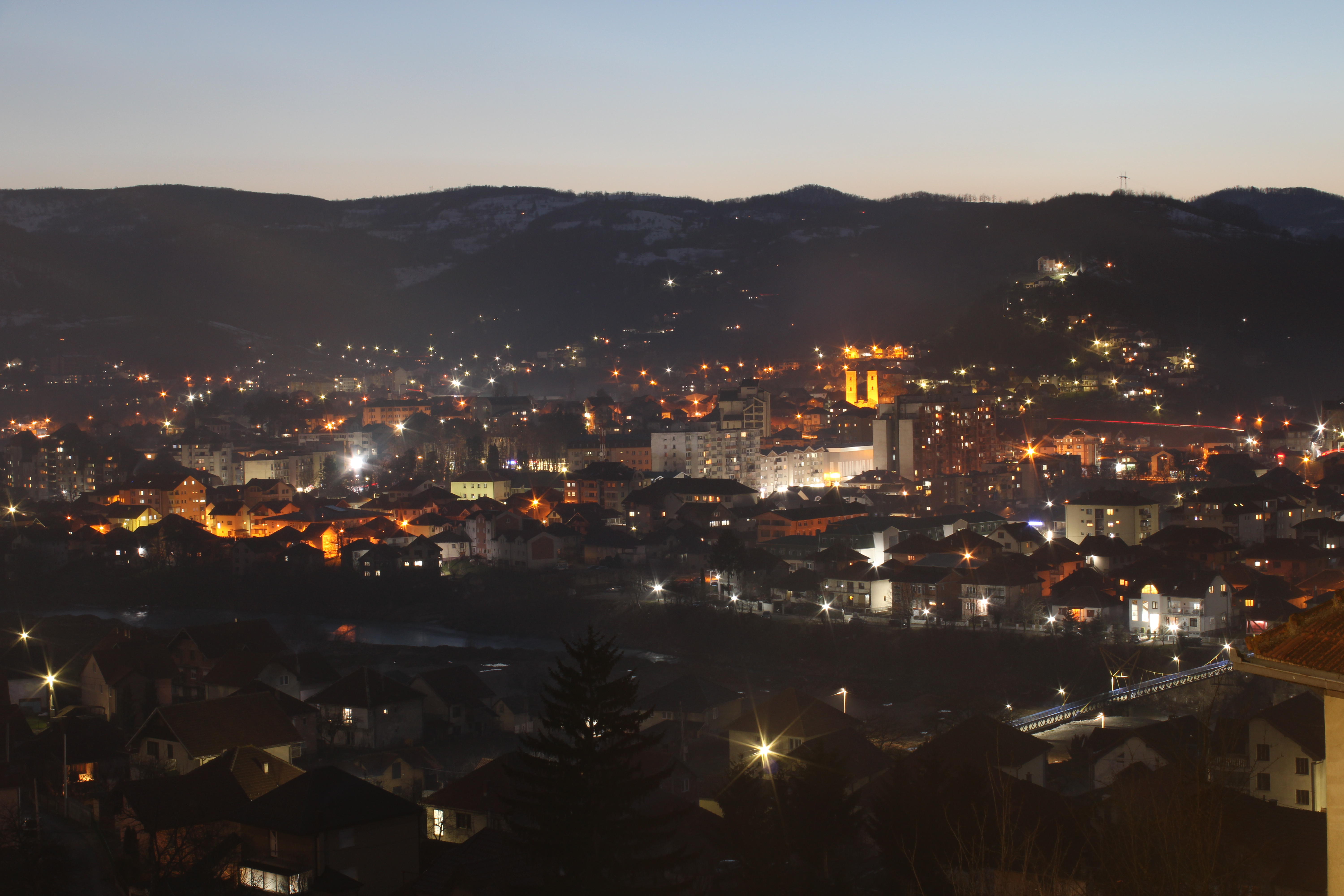 55
55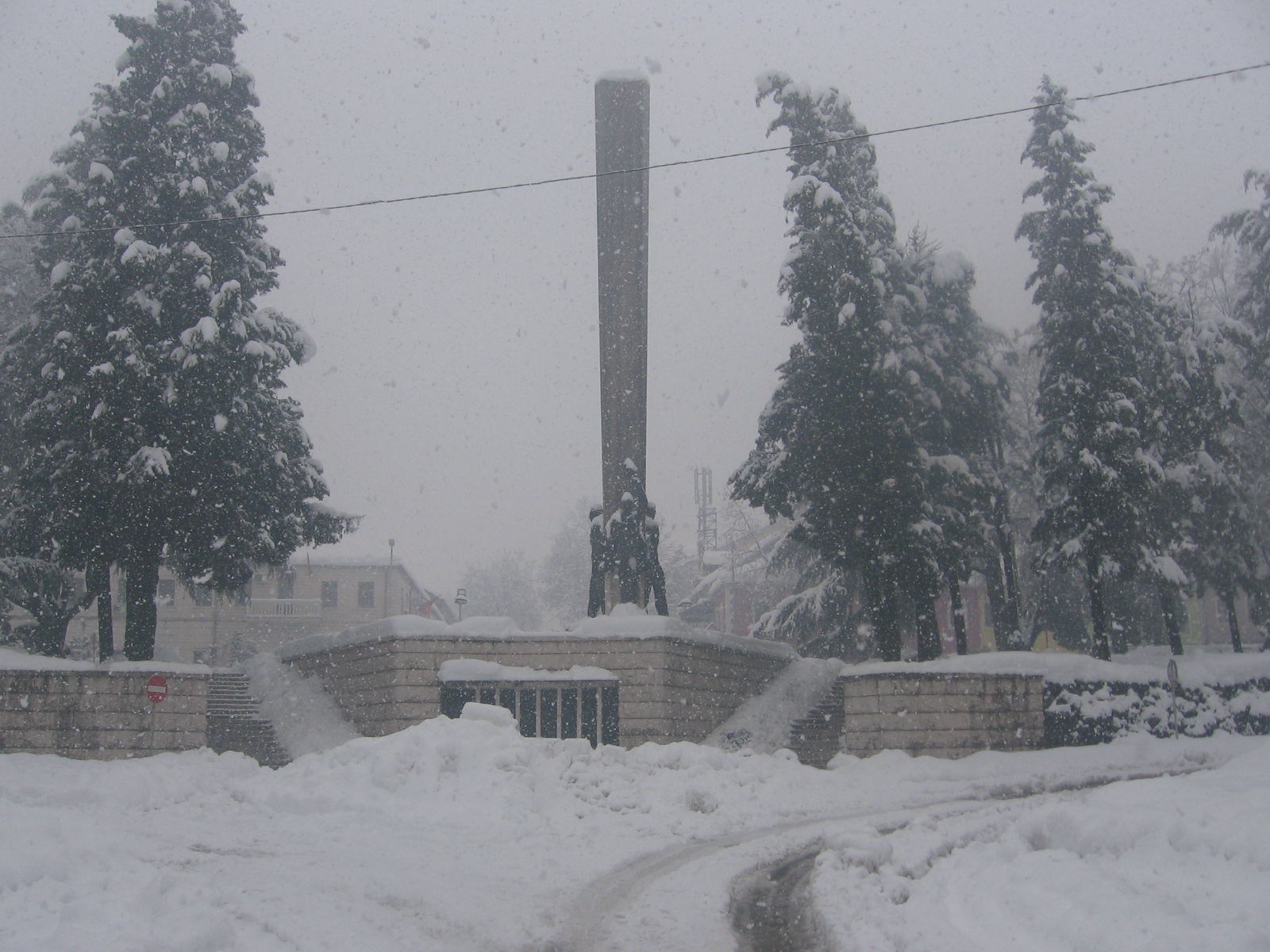 52
52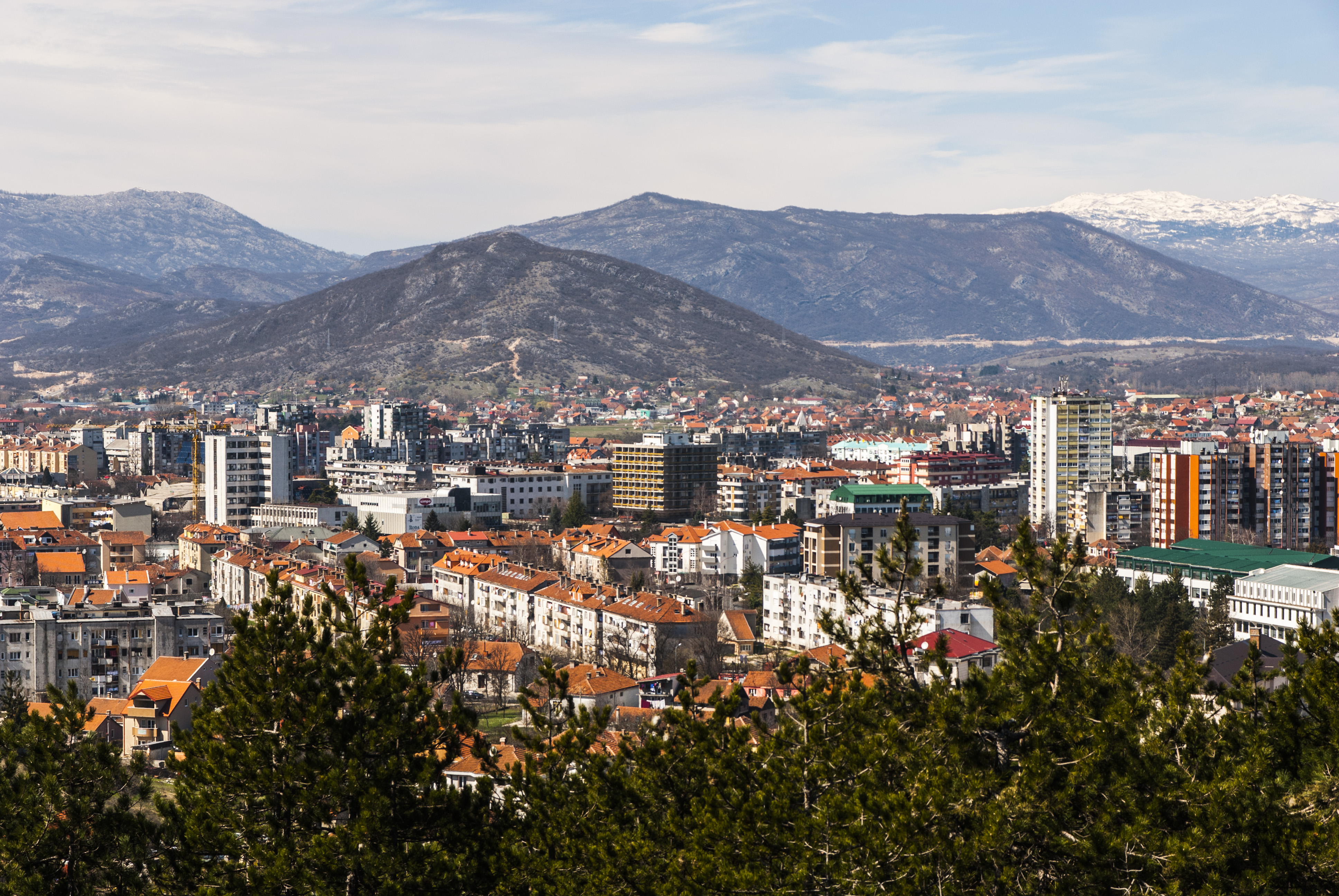 61
61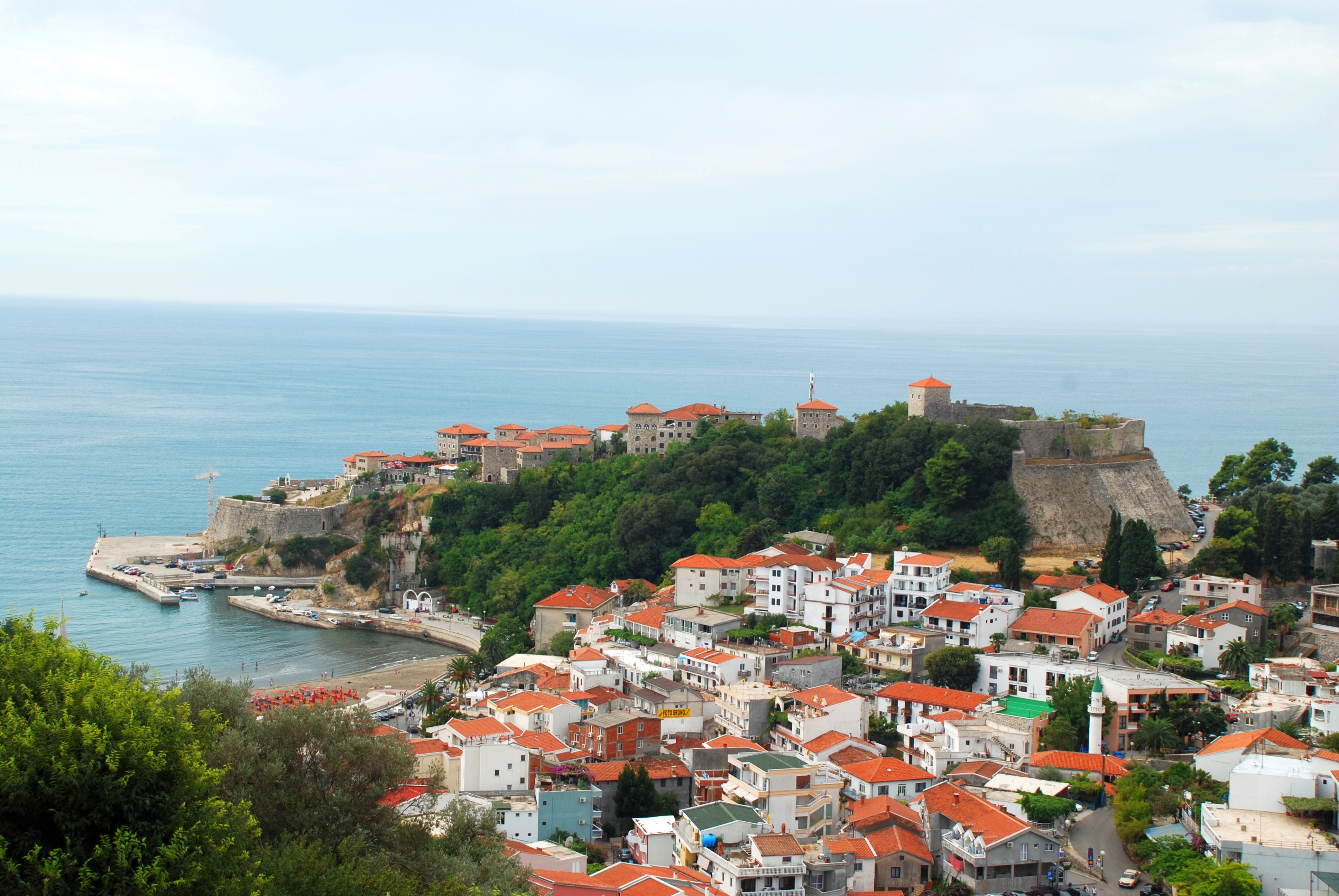 63
63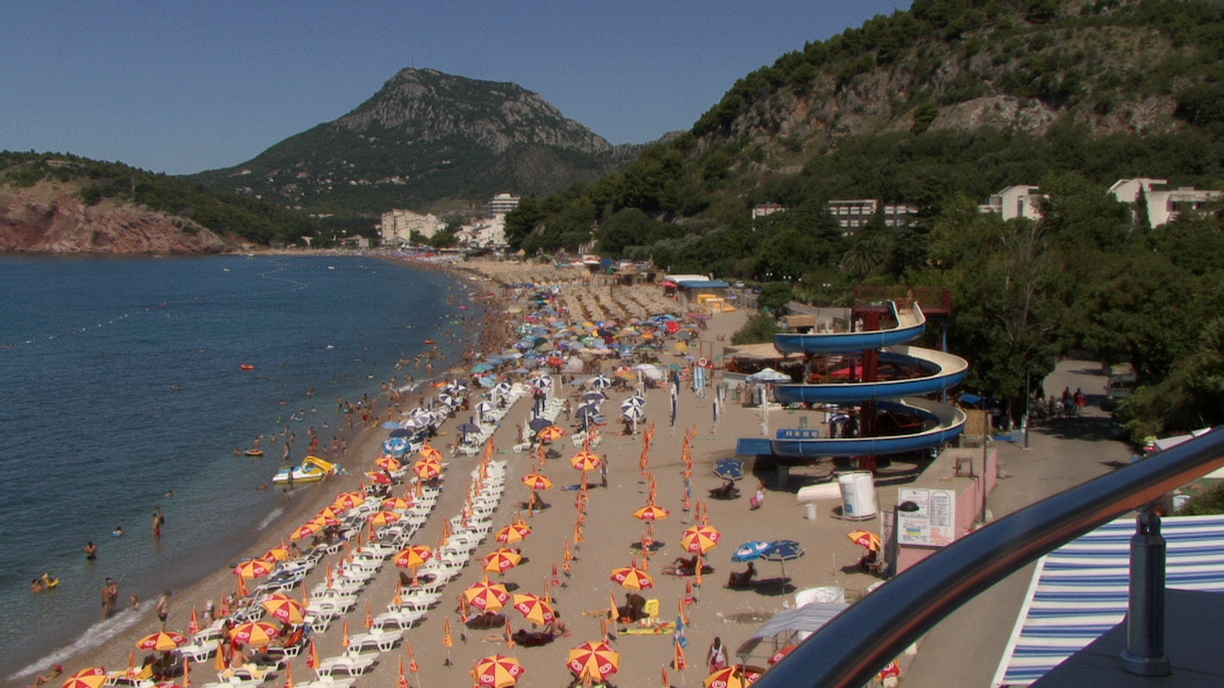 57
57The property requirement is not just a box to tick
The accommodation piece gets treated as an afterthought because the investment property and the residence address often look like the same transaction. They aren't always. You can satisfy the investment threshold with a property that isn't yet livable, isn't registered in your name on the List nepokretnosti extract, or isn't the address you intend to put on your residence application. The land registry extract has to be current, not older than six months, and if your purchase closed early but the registry update lagged, you can end up submitting a residence application with a document that's already stale by the time it reaches a caseworker.
The other mistake is assuming the investment property automatically satisfies the accommodation requirement for the residence permit itself. If you're not living there yet, or you've rented it out, you need a separate lease or reservation showing where you'll actually reside during the permit period. Applicants who buy purely as an investment vehicle and plan to live somewhere else in Montenegro, or split time between the coast and inland, sometimes discover this gap only when their residence file gets kicked back for an address mismatch.
Health insurance gets bundled into this conversation more than it should, but the sequencing matters: insurance coverage needs to span the period you're claiming residence for, not just the visa application window, and it needs to be active before submission, not purchased the week you file. Overlooking this is a common way to lose weeks you don't have in a process that's already running 17.3 weeks at minimum.
Landing is not the finish line
Approval of the investment and issuance of a residence permit are two different milestones, and conflating them is where a lot of applicants lose track of their own timeline. The initial permit runs 12 months, which means the entire process, from investment closing to biometrics to permit issuance, has to be re-run again on a tight annual cycle if anything about your circumstances changes. There's no interview and no medical exam required, which removes two of the more unpredictable friction points, but it also means the paperwork itself has to be airtight since there's no in-person moment to clarify ambiguity.
If you're switching from a tourist visa to in-country processing, the practical advantage is real: you skip a consular round trip and can handle biometrics and document submission directly with the Ministry of Interior. The trade-off is that your tourist entry window becomes the clock you're racing against, and if your investment documentation isn't fully assembled before you arrive, you may find yourself needing to exit and re-enter, or extend a status that wasn't designed for a multi-month residence application. People who plan to switch in-country tend to underestimate how much of the financial documentation needs to be locked before they land, not after.
Permanent residence and citizenship live on different clocks
Permanent residence becomes available after five years, and citizenship after ten, and the distance between those two numbers is where a lot of golden visa marketing gets vague on purpose. Five years to PR sounds close until you account for the annual renewal cycle underneath it: each of those years requires the permit to be actively maintained, which means the investment has to remain in place, the accommodation situation has to stay documented, and the insurance can't lapse. Miss a renewal window or let the underlying investment get sold prematurely, and the clock doesn't pause, it resets.
Ten years to citizenship is a long enough horizon that most applicants filing today are making a decision about their life for the 2030s, not just their next relocation. That's a different kind of commitment than a digital nomad visa or a two-year work permit, and it's worth being honest with yourself about whether you're actually planning to spend a decade with meaningful ties to Montenegro, or whether the residence permit itself, and the mobility or tax position it creates in the meantime, is the actual goal. Both are legitimate reasons to apply. Conflating them tends to produce disappointment around year six or seven, when the initial excitement of approval has worn off and what's left is the administrative discipline of keeping a foreign residency alive year after year.
Montenegro against the obvious alternative
The comparison every applicant runs is Montenegro against an EU member state's golden visa, and the honest answer is that they're not solving the same problem. Montenegro sits outside the EU and outside Schengen, so a Montenegrin residence permit doesn't hand you freedom of movement across the bloc the way a Portuguese or Greek equivalent eventually might. What it does hand you is a lower entry threshold, a permit process without an interview or medical exam, and a real estate market where $285,465 buys meaningfully more than the equivalent euro figure would in Lisbon or Athens.
The judgment call is less about which country is "better" and more about what you're optimizing for in the next five to ten years. If the end goal is EU citizenship and the mobility that comes with it, Montenegro is a detour, not a shortcut, since its own path runs through a decade of residence and a national naturalization process rather than any EU accession timeline you can bank on. If the goal is a truly affordable second residence with a straightforward investment route and no requirement to relocate your entire life immediately, Montenegro's lighter documentation burden, no interview, no FBI check, no medical exam, starts to look like the more rational choice for someone who wants optionality without betting everything on one jurisdiction.
Where people get this wrong is treating the decision as reversible. Selling the investment property early to pivot toward an EU program doesn't just cost transaction fees, it resets the residence clock you've already been building toward PR. Decide what the five-year and ten-year versions of your life are supposed to look like before you commit capital, not after.
Work Permissions
What's typically permitted:
Application Steps
- 1
📋 Research properties and secure investment
2-8 weeks
- 2
📄 Gather identity and financial documents
1-2 weeks
- 3
📄 Obtain criminal record certificate
2-4 weeks
- 4
📄 Secure health insurance coverage
1 week
- 5
📄 Complete property purchase or business registration
4-8 weeks
- 6
📬 Submit application to Montenegrin immigration
Same day to 1 week
- 7
⏳ Await visa processing and approval
8-16 weeks
- 8
🏛️ Receive residence permit and enter Montenegro
1-2 weeks
- 9
🏛️ Register with local tax and administrative authorities
1-2 weeks
- 10
📋 Plan for annual visa renewal
2-4 months before expiration
Compare this visa
Curated comparisons that include this route.
Frequently Asked Questions
Click any question to expand the answer.
Ready to Apply?
Work with trusted visa specialists who handle the paperwork so you can focus on your move.
Get help with this visa →* We may earn a commission if you apply through our link
At a Glance
Last verified: July 15, 2026