Min Monthly Income
$1,542
Application Fee
$25
Processing Time
4-6 wks
Difficulty
Difficult
Duration
12 months
Overview
Montenegro’s Digital Nomad Visa targets remote employees and online workers whose income comes from outside Montenegro. The hard financial gate is a minimum of 1,542 USD/month in verifiable remote income, which aligns closely with the €1,350/month figure cited in local guidance. Salary from a foreign employer, remote W‑2 income, or contractor invoices paid into your home-country bank account are the intended sources. Purely passive income like ETF dividends, US rental income, or a $3,800/month FIRE drawdown can help bolster your bank statements, but by design this residence track is anchored to ongoing remote work, not pure investment income.
The initial residence is granted for 12 months and is renewable, but it does not lead to permanent residency (PR) under the published rules. Since this route does not lead to PR, a 10‑year relocation plan would need to rely either on serial renewals of this status or switching later to another Montenegrin residence category (employment, company formation, or investment) that does count toward long‑term status. Anyone aiming at a Montenegrin passport needs to view this visa as a time‑limited convenience, not a straight-line naturalization path.
From a lifestyle-planning perspective, there is no explicit physical presence requirement, maximum days out of the country, or maximum consecutive absence specified for this visa class. Given Montenegro’s resident tax regime and standard 183‑day tax-residency threshold, many digital nomads structure their year to avoid more than six months in-country if they want to remain non‑resident for tax purposes. But because no day-count rules are formally tied to maintaining the permit, someone splitting their year between, say, Montenegro and Spain will need to confirm presence expectations directly with the Ministry of Interior.
On friction, the bureaucracy score of 1.4/5 reflects that this is not a paper-light process. Expect to supply proof of foreign remote employment, at least 1,542 USD/month in income, health insurance valid in Montenegro, proof of accommodation, and a clean criminal record from your home country. Apostilles are required for supporting documents, which adds a layer of friction compared to programs like Croatia’s digital nomad permit, and you still face a 4–6 week processing window, in‑person biometrics, and a consular or police-station dance that is far from plug‑and‑play.
Costs are modest on paper: the application fee is 25 USD as of 2026. That headline fee does not include translations into Montenegrin, notarizations, local registration after arrival, or private health insurance premiums, all of which can easily lift first‑year friction into the mid‑three‑figures. A FIRE retiree with $4,000/month in index-fund withdrawals but no active remote job will struggle to fit the program’s intent, whereas a remote employee on a steady $3,500/month W‑2 salary from a US company slotting Montenegro into a 1–3‑year stint is well aligned.
This setup makes the most sense if you already earn at least 1,542 USD/month from a foreign employer or clients, plan to spend a full 12 months in Montenegro, and are comfortable that the permit won’t on its own get you to PR or citizenship. It’s a poor fit if your $5,000/month cash flow is mostly pensions, Social Security, or portfolio income and you are looking for a passive-income-based retirement visa with a clear long-term settlement track.
Eligibility Requirements
Any nationality can apply in principle for the Montenegro Digital Nomad Visa, as the program is listed with nationality restrictions set to “all.” In practice, applicants from sanctioned or diplomatically strained states such as Iran, Syria, North Korea, and in some banking contexts Russia and Belarus, can run into consular refusals, background‑check delays, or difficulty opening local accounts even if the law does not explicitly bar them. Before gathering documents, confirm your specific eligibility with Montenegro’s Ministry of Interior (MUP) or the nearest Montenegrin diplomatic mission, as those authorities apply the rules on the ground.
Min Income
$1,542
Application Fee
$25
Min Age
18 yrs
practical
Duration
12 months
Max 0% from local sources
Requirements Checklist
0 of 18 documents in hand
0%These take the longest, so start them first.
Request these while the slow items are in progress.
You only need these on the day you submit.
Extra requirements for this visa
- Apostille required on official documents
How and where to apply
Applications must be submitted in person at a Montenegrin Ministry of Internal Affairs office or embassy/consulate. After tourist entry, in-country application may not be standard; prepare from abroad.
Tax Information
Local tax regime and what it means for you
Montenegro applies a resident (worldwide) tax regime rather than a territorial or remittance-based system. Tax residency is generally triggered at 183 days of presence in a calendar year, or by having your center of vital interests in Montenegro. Once resident, you are taxed on worldwide income: remote salary from a US or EU employer, self-employment earnings from foreign clients, foreign rental income, and pension distributions are all within scope. Non-residents are taxed only on Montenegro‑sourced income, so if you keep your presence under 183 days and have no local clients or employment, income taxed is limited to what has a clear Montenegrin source.
For many holders of the Montenegro Digital Nomad Visa, the practical planning question is whether to stay under or over that 183‑day mark. A remote worker spending 7–8 months per year in Podgorica or Kotor becomes a tax resident and should expect to declare foreign salary, consulting income, and potentially foreign rental cash flow to the Montenegrin tax authority. Someone who uses the 12‑month permit but structures stays at under 180 days in each tax year generally falls into the non‑resident bucket, with foreign income and investments outside local tax scope.
Capital gains on foreign investments
Treatment of capital gains on foreign financial assets (like index funds or ETFs in a US brokerage) for resident individuals is taxed at 15% under Montenegro's personal income tax rules. Under Montenegro’s resident regime, the conservative assumption is that realized gains on foreign portfolio investments can be taxed if you are a tax resident, but exact rates and exemptions are set at the standard 15% rate under Montenegro's personal income tax law. Non‑residents with no Montenegrin‑source capital gains are not taxed locally on sales of foreign ETFs or stocks.
Tax residency triggers and filing mechanics
The standard 183‑day rule is the main objective trigger for Montenegrin tax residency. Tax residency is not automatically conferred just by receiving the Digital Nomad Visa; it hinges on presence and personal/economic ties. Once resident, you are expected to:
- Obtain a Montenegrin tax ID number.
- Register with the local tax office.
- File an annual income tax return declaring worldwide income by the statutory deadline.
Non‑residents with only foreign‑source income and no local contracts often have no filing obligation, but you should confirm this locally if you cross the 183‑day threshold or open a business structure.
Tax treaty status
Montenegro and the United States do not have an income tax treaty . That means an American relying on specific treaty protections for dividends, interest, or pensions cannot assume reduced withholding or tie‑breaker rules exist. There is also no publicly prominent US–Montenegro totalization agreement for Social Security contributions, so remote W‑2 workers will generally keep paying into the US system while any Montenegrin social contributions arise only if they take local employment (which this visa does not allow).
For US Citizens and Green Card Holders
US citizens and green card holders on the Montenegro Digital Nomad Visa remain fully taxable by the US on worldwide income. The core tools are:
- Form 2555 (Foreign Earned Income Exclusion, FEIE)
- Form 1116 (Foreign Tax Credit, FTC)
- FinCEN 114 (FBAR), plus FATCA Form 8938 where thresholds are met
FEIE on Form 2555 can shelter up to $132,900 of earned income for 2026 (adjusted annually) (remote salary, self‑employment, consulting) but does not cover dividends, capital gains, pensions, or Social Security. Because this visa supports long stays, both the Physical Presence Test (330 full days outside the US in any 12‑month period, including time in Montenegro) and the Bona Fide Residence Test are potentially usable. If you base yourself in Montenegro most of the year and minimize US trips, the Physical Presence Test is the more mechanical route in your first year; over time, a clear long‑term move with local lease and community ties can support bona fide residence.
The Foreign Tax Credit on Form 1116 only helps when Montenegro actually taxes a given income stream. If you remain a Montenegrin non‑resident by staying under 183 days and have no Montenegrin‑source income, your local tax on foreign salary and investments is effectively 0%, so there is no foreign tax to credit; you pay full US tax and FEIE becomes your primary lever. If you become a Montenegrin tax resident and pay local tax on your remote salary at a rate close to or above your US effective rate, FTC can offset much or all of your US liability on that same income, while FEIE and FTC cannot both be fully stacked on the same dollars without optimization.
FBAR (FinCEN 114) is required once the aggregate value of your non‑US financial accounts exceeds $10,000 at any point during the year. If you open a Montenegrin bank account for daily spending or to receive payments, that account counts toward the threshold. FATCA Form 8938 has higher thresholds but similar reporting logic. Non‑willful FBAR penalties start around $16,700 per violation as of 2026 (inflation-adjusted from a $10,000 base), so skipping reporting because "it’s just a local checking account" is dangerous.
In practice, a US remote worker or FIRE couple using this visa should engage two specialists in year one: a US CPA who focuses on expat returns and understands FEIE/FTC/FBAR/FATCA interactions, and a local Montenegrin tax advisor who can handle registration, residency status, and filing. The $1,500–$3,000 you spend upfront typically comes back through avoided penalties, correct treaty/tie‑breaker positions if any apply, and better elections on whether to lean on FEIE, FTC, or a mix.
Living in Montenegro
COL Index vs NYC
42.7
Monthly Cost (excl. rent)
$702
1BR Rent (City Center)
$668
Safety Index
58.7
Healthcare Index
56.4
Quality of Life Index
129.8
Time Zone
UTC+01:00
Capital
Podgorica
Population
621.7K
Official Languages
Montenegrin
Avg Internet Speed
75 Mbps
Public Transit Quality
Fair
With a budget covering rent and living costs, you'd need roughly $1,370/mo for a comfortable single-person lifestyle in Montenegro.See how far your money goes →
🏙️ Best Cities in Montenegro for Digital Nomads
 60
60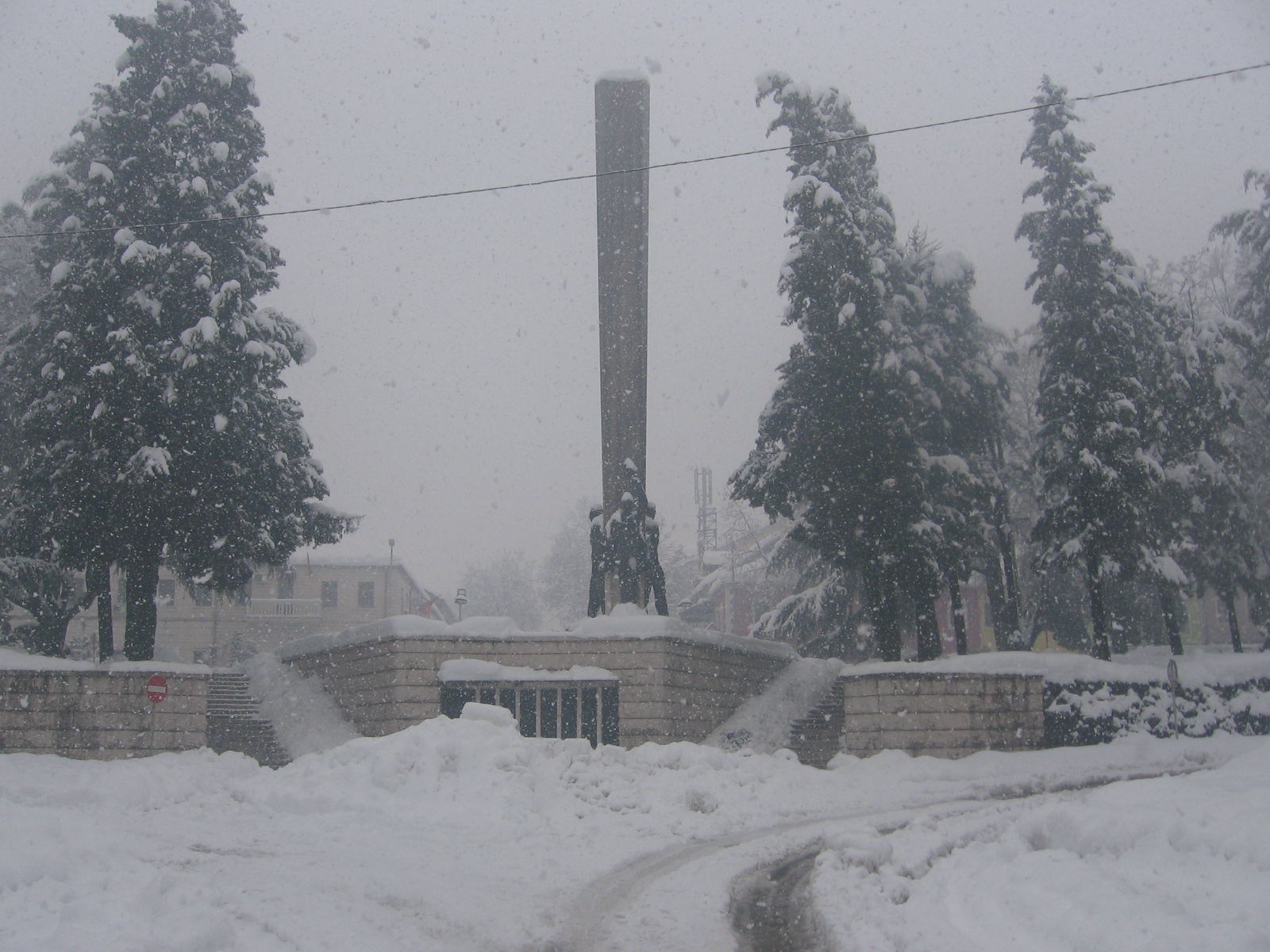 61
61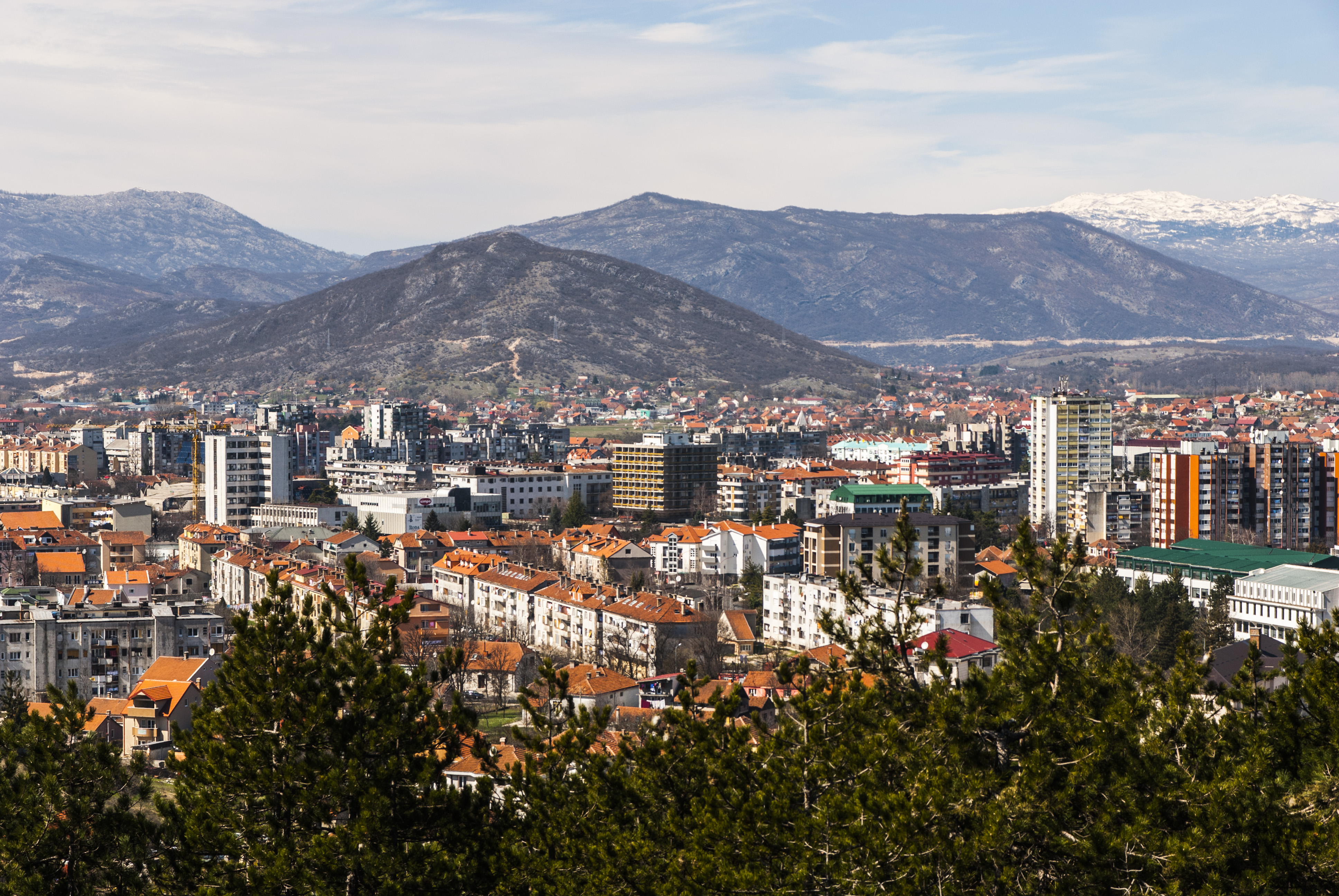 62
62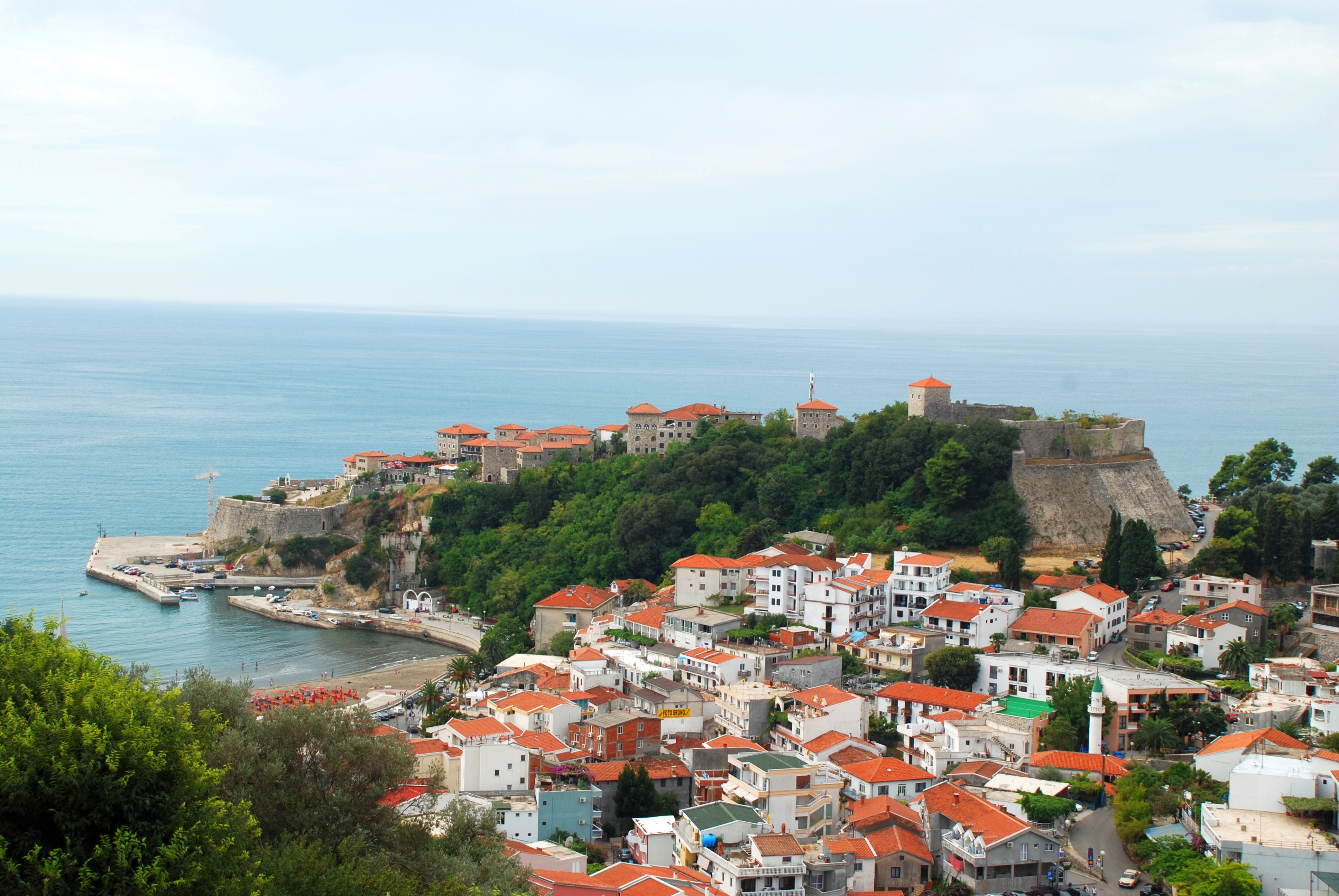 71
71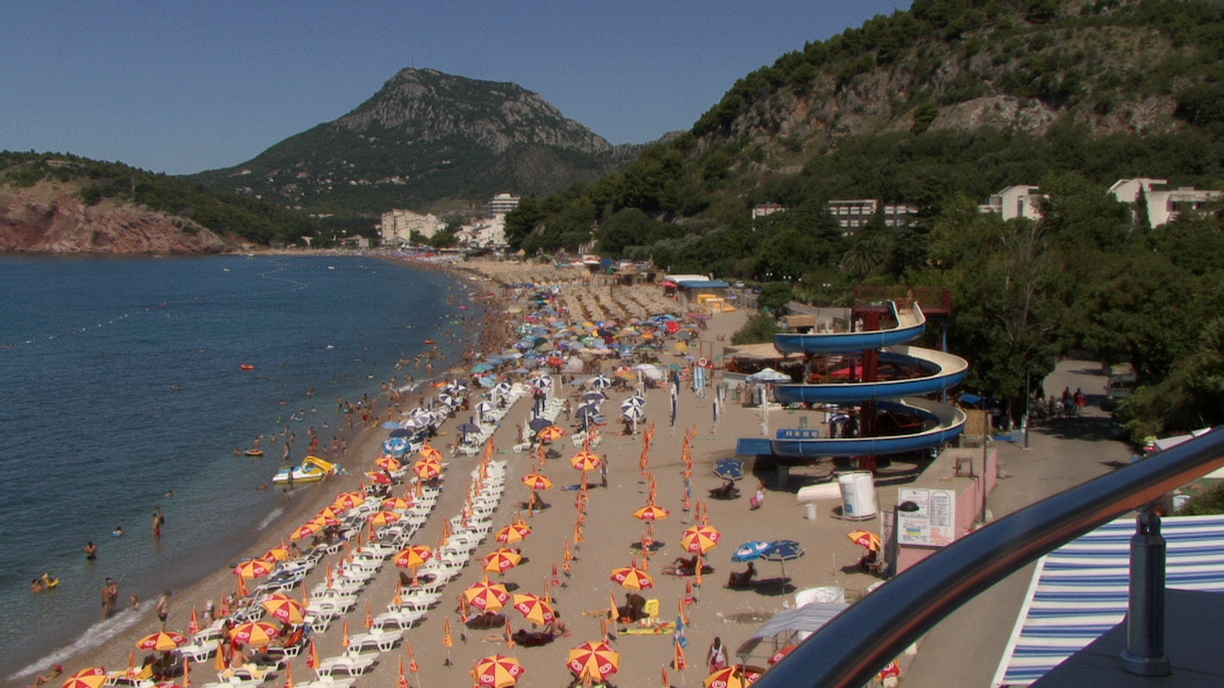 64
64The housing requirement and how people get it wrong
Proof of accommodation sounds like a formality until you sit down and try to produce it from outside the country. A rental agreement or a reservation covering your stay is required, and the instinct for a lot of applicants is to book a week of short-term accommodation, screenshot the confirmation, and move on. That satisfies the letter of the requirement but not always the spirit of it: reviewers are matching accommodation proof against the length of stay you're applying for, and a permit issued for 12 months paired with a one-week booking invites questions.
The harder problem is structural. Landlords in Montenegro, especially outside Podgorica and the coastal towns that see the most short-term traffic, aren't always eager to sign a long lease with someone who hasn't set foot in the country yet. That leaves applicants choosing between a short-term booking that undersells the length of their stay, or chasing a landlord willing to commit to paper before there's a tenant to meet. The workaround people land on, usually without being told to, is a short-term reservation sized to cover arrival and the first few weeks, with the expectation of formalizing a longer lease once they're actually there. This works for getting the visa approved, but it puts a second administrative task on the calendar for your first month in-country, right when you're also handling everything else that comes with relocating. Build that into your first month's plan rather than treating the visa approval as the finish line.
What happens after you land
The application itself has to be lodged in person, either at a Ministry of Internal Affairs office or at an embassy or consulate, and the safer assumption is that this happens before you travel rather than after you arrive on a tourist stamp. Treating Montenegro as a place you'll sort the paperwork out once you're settled in a cafe with good wifi is the single most common planning error with this visa. Build your itinerary around applying from outside the country first.
Once submitted, processing runs four to six weeks, which means the honest planning window between deciding to go and actually landing with a valid permit is closer to two months than two weeks. That gap catches people who've already given notice on a US lease or booked a one-way flight assuming approval would come through in time. There's no interview and no medical exam attached to this process, which removes two of the usual sources of delay, but it doesn't compress the paperwork timeline itself.
The permit that comes out the other end runs twelve months and is renewable, which matters because this isn't a one-shot document. Renewal means the income and accommodation story you built for the first application has to hold up again, not just on day one but as an ongoing condition of staying. People who treat the initial approval as the end of the administrative relationship are often surprised, eleven months in, that they need to reassemble a version of the same file they thought they were done with.
The long-term path, on paper and in practice
On paper, a renewable permit sounds like the start of something durable. In practice, this visa isn't built to convert into permanent residency, and that single fact should shape how you think about year two before you've finished year one. If the plan is to use Montenegro as a base for eighteen months while you figure out where you actually want to settle, this visa does exactly what it's meant to do. If the plan is quietly to convert temporary status into something permanent, this isn't the track that gets you there, and no amount of clean paperwork changes that.
What that means practically: renew when your permit comes up, keep your documentation current the same way you did the first time, and don't structure your finances or your housing around an assumption of eventual settlement that this specific route doesn't support. Anyone seriously considering a longer horizon in Montenegro should be looking at a separate residence category from the start, rather than hoping the nomad permit quietly becomes something else through repeated renewal. It won't. The visa is a good tool for a defined stretch of time abroad. It is not a slow path to a Montenegrin passport, and treating it as one just means a harder conversation with yourself somewhere around year three.
The call against the obvious alternative
Anyone comparing this visa is almost certainly also looking at an EU-based nomad route, usually somewhere on the Adriatic or in the Balkans, where the pitch is similar: lowish cost of living, remote-work legality, a base for a year or two. The honest way to make that call isn't a side-by-side of thresholds, it's a question about what you actually want out of the year. Montenegro sits outside the EU, and that has real downstream effects on mobility within the region that a Schengen-adjacent nomad visa wouldn't carry. If weekend trips into the rest of Europe without separate entry considerations matter to you, that's a real cost to weigh, not a minor asterisk.
What Montenegro offers in exchange is a lower bureaucratic bar to entry: no interview, no medical exam, a modest income floor, and a fee low enough that it barely factors into the decision. For someone who wants to get in the door quickly and isn't trying to build a long-term European base through this specific application, that simplicity is worth something. For someone who's already thinking about where they want a passport in a decade, the calculation changes, because nothing about this permit is designed to get you there, and pretending otherwise just delays a decision you'll eventually have to make anyway. The right call depends less on the numbers than on whether you're optimizing for ease this year or for optionality five years out.
Work Permissions
Application Steps
- 1
📋 Research eligibility and requirements
1-2 days
- 2
📄 Collect required documents
2-4 weeks
- 3
📋 Complete application form
1-2 days
- 4
📬 Submit application in person
Same day
- 5
⏳ Wait for processing and approval
4-8 weeks
- 6
🏛️ Register residence after arrival
1-2 weeks
This visa requires proof of health insurance. Compare international plans before you apply.
Compare health insuranceWe may earn a commission at no cost to you.
Compare this visa
Curated comparisons that include this route.
Frequently Asked Questions
Click any question to expand the answer.
Ready to Apply?
Work with trusted visa specialists who handle the paperwork so you can focus on your move.
Get help with this visa →* We may earn a commission if you apply through our link
At a Glance
Last verified: October 9, 2026