Min Monthly Income
$1,500
Application Fee
$91
Processing Time
4-26 wks
Difficulty
Moderate
Duration
24 months
Overview
Qualifying hinges on one hard number: you need at least $1,500/month as of 2026 in ongoing remote work income from outside Moldova. That can be as a contractor, business owner, or other self‑employed setup with foreign clients or a foreign employer; the visa explicitly allows contractor, owner, and self‑employed income. Purely passive income streams like rental income, ETF dividends, bond interest, Social Security, or pensions do not count toward that $1,500 threshold, and the program does not recognize Social Security or pension income at all for eligibility.
Once granted, the residence permission runs for up to 24 months and is renewable, but it does not lead directly to permanent residence. If you are planning a 10‑year relocation, this is a rolling temporary solution: you extend the 24‑month permit when eligible, but you are not on a path to permanent residence in the way you would under a classic long‑term residence program. For comparison, that’s closer to Spain’s Non‑Lucrative Visa (which can lead to long‑term residence after 5 years) but without Moldova publishing an equivalent track.
Processing time is relatively tight by regional standards: plan for 4–6 weeks from submission to decision. The application fee is $91 as of 2026, which is at the low end compared with, for example, Croatia’s digital nomad residence (roughly €100–€200 once you include admin and ID card fees). Moldova does not require an FBI background check, medical exam, or in‑person interview , and a local bank account is not mandatory. Those omissions are why the bureaucracy score sits at 1.5625/5 — there are documents to gather, but very few of the heavy, slow pieces that derail many digital nomad applications.
Health insurance valid in Moldova is mandatory for the full intended stay, and you must not earn any income from Moldovan sources: local work is prohibited and local income is capped at 0% of your total. That means no freelancing for Moldovan clients, no local employment contracts, and no side hustles paid into Moldovan entities. Dependents can be included; in practice, expect to show more than the bare $1,500 as of 2026 if you’re bringing a family.
Physical presence rules are the murkiest part: the visa is issued under a resident tax regime, Anyone planning true split‑year living between, say, Moldova and Spain will need to manage 183‑day tax residency thresholds themselves rather than relying on clear Moldovan guidance in the visa rules. This makes the permit flexible, but also leaves you to interpret how far you can stretch that flexibility without undermining residency or creating unwanted tax residency.
This setup makes the most sense if you earn at least $1,500/month as of 2026 as a remote contractor or business owner, want a low‑fee two‑year base in Eastern Europe, and don’t care about formal permanent residence. It is a poor fit if your $3,500/month lifestyle is funded mainly by dividends, rentals, or pensions, because those do not count toward the $1,500/month requirement and you would fail eligibility despite having enough to live on.
Eligibility Requirements
Any nationality can apply in principle for the Moldova Digital Nomad Visa, as the program does not restrict eligibility by citizenship in its core rules. In practice, applicants from heavily sanctioned or diplomatically strained states such as Iran, Syria, North Korea, and, depending on current EU and Moldovan policy, Russia or Belarus, can encounter consular refusals, difficulty obtaining supporting banking documentation, or heightened security screening even though they are not categorically barred by the visa framework. Before collecting documents or paying the $100 application fee, confirm your specific eligibility and any country‑specific rules directly with Moldova’s Bureau for Migration and Asylum, which administers residence permits and publishes current requirements.
Min Income
$1,500
Application Fee
$91
Duration
24 months
1099 Contractor · Business Owner · Self-Employed
Max 0% from local sources
Requirements Checklist
0 of 21 documents in hand
0%These take the longest, so start them first.
Request these while the slow items are in progress.
You only need these on the day you submit.
How and where to apply
Applications are submitted to the Bureau of Migration and Asylum (BMA) in Moldova. You can apply online through their government portal (when available) or in person at their office in Chișinău. The online application process is designed to be fully remote, allowing you to apply from anywhere in the world without visiting a consulate. After approval, you must travel to Moldova and register in person with the BMA within a specified timeframe (typically 10 days) to receive your official residence permit card. This in-person registration cannot be completed remotely and is mandatory.
Tax Information
Local tax regime and what it means
Moldova uses a standard resident tax regime rather than a territorial or non‑dom model. That means a digital nomad who becomes a Moldovan tax resident is, in principle, taxable on worldwide income: remote salary or contractor income from foreign clients, ETF dividends from a US or Canadian brokerage, pension distributions from a 401(k) or RRSP, and rental income from property abroad all fall into scope once you are resident. There is no publicly named special regime for digital nomads that exempts foreign‑source income.
For FIRE readers, that distinction matters: if you keep your days in Moldova low enough to avoid Moldovan tax residency, your foreign dividends, interest, and capital gains may remain outside Moldovan tax scope in practice, but once you cross the residency threshold, they become fully taxable under regular rules at standard Moldovan personal income tax rates.
Capital gains on foreign investments
Moldova has not publicly specified a special treatment for capital gains realized by individuals on foreign securities. Under a normal resident worldwide regime, gains from selling index funds, ETFs, or stocks held in a foreign brokerage are taxable, often at the same progressive rates as other income or at a specified flat rate. Since no explicit preferential rate or exemption is disclosed for foreign capital gains, a cautious planner should assume that such gains are taxable in Moldova once you are tax resident and plan asset sales and timing accordingly.
Tax residency triggers and filing
Moldova’s visa uses a resident tax regime but the exact statutory day‑count trigger for tax residency in this context is not specified in the visa rules. Many countries use a 183‑day rule; Moldova’s domestic law follows that general pattern, but the digital nomad framework does not re‑state it in a way that is tailored to this visa. Residency is not triggered merely by visa issuance; it arises once you meet the presence and/or center‑of‑vital‑interests tests under Moldovan law.
Once resident, you should expect to:
- Obtain a Moldovan tax ID number when you register your residence permit.
- File an annual individual income tax return reporting worldwide income, including remote earnings and foreign investment income.
- Observe local filing deadlines (commonly in the spring of the year following the tax year, though precise dates should be confirmed locally).
Tax treaty status
The visa rules list Moldova’s tax treaty status with the US as unknown. “Unknown” here means you cannot assume a comprehensive double tax treaty or a Social Security totalization agreement that would neatly allocate taxing rights for dividends, interest, or pensions between the US and Moldova. In practice, you plan on the conservative assumption that both countries could claim taxing rights on the same income and rely on US foreign tax credits rather than a treaty tie‑breaker, unless a qualified advisor confirms a treaty is in force and applicable to your situation.
For US Citizens and Green Card Holders
US persons on the Moldova Digital Nomad Visa still file US tax returns on worldwide income. Form 2555, the Foreign Earned Income Exclusion (FEIE), can shelter up to $126,500 of earned income for 2024 (remote salary, consulting fees, self‑employment income from your contractor work). It does not cover dividends, capital gains, rental income, pension distributions, or Social Security. This visa’s structure supports either the Physical Presence Test (330 full days outside the US in any 12‑month period, which can be spent largely in Moldova) or the Bona Fide Residence Test if you anchor yourself in Moldova for at least an entire calendar year with a 24‑month residence permit.
Form 1116, the Foreign Tax Credit (FTC), matters once you are Moldovan tax resident and paying Moldovan income tax on your remote earnings or investment income. The FTC only helps when Moldova’s effective tax rate on a given income stream is above zero. If, for a period, you remain non‑resident in Moldova for tax purposes and pay no Moldovan tax on your foreign income, the FTC offers no relief against US tax on that foreign income; all the US tax is due, even though you live abroad under this visa.
FBAR (FinCEN Form 114) kicks in if your aggregate foreign financial accounts — Moldovan bank or brokerage accounts plus any other non‑US accounts worldwide — ever exceed $10,000 at any point in the year. This filing is separate from FATCA Form 8938, which has higher thresholds but often applies once your global foreign assets rise above $50,000–$100,000. The Moldova visa does not mandate opening a local bank account, but many residents do so for rent and utilities; that alone can trip FBAR reporting once combined with other foreign accounts.
In practice, a US digital nomad or FIRE retiree in Moldova needs two professionals: a US CPA specializing in expat taxation to optimize FEIE versus FTC and handle FBAR/FATCA, and a Moldovan tax advisor to interpret residency triggers and file local returns. The $1,500–$3,000 spent in year one on that combined advice often pays for itself through avoided penalties, better treaty/credit use, and optimized timing of income and capital gains.
Living in Moldova
COL Index vs NYC
30.8
Monthly Cost (excl. rent)
$612
1BR Rent (City Center)
$605
Safety Index
54.3
Healthcare Index
48.1
Quality of Life Index
96.2
Time Zone
UTC+02:00
Capital
Chișinău
Population
2.6M
Official Languages
Romanian
Avg Internet Speed
299 Mbps
Public Transit Quality
Fair
With a budget covering rent and living costs, you'd need roughly $1,217/mo for a comfortable single-person lifestyle in Moldova.See how far your money goes →
🏙️ Best Cities in Moldova for Digital Nomads
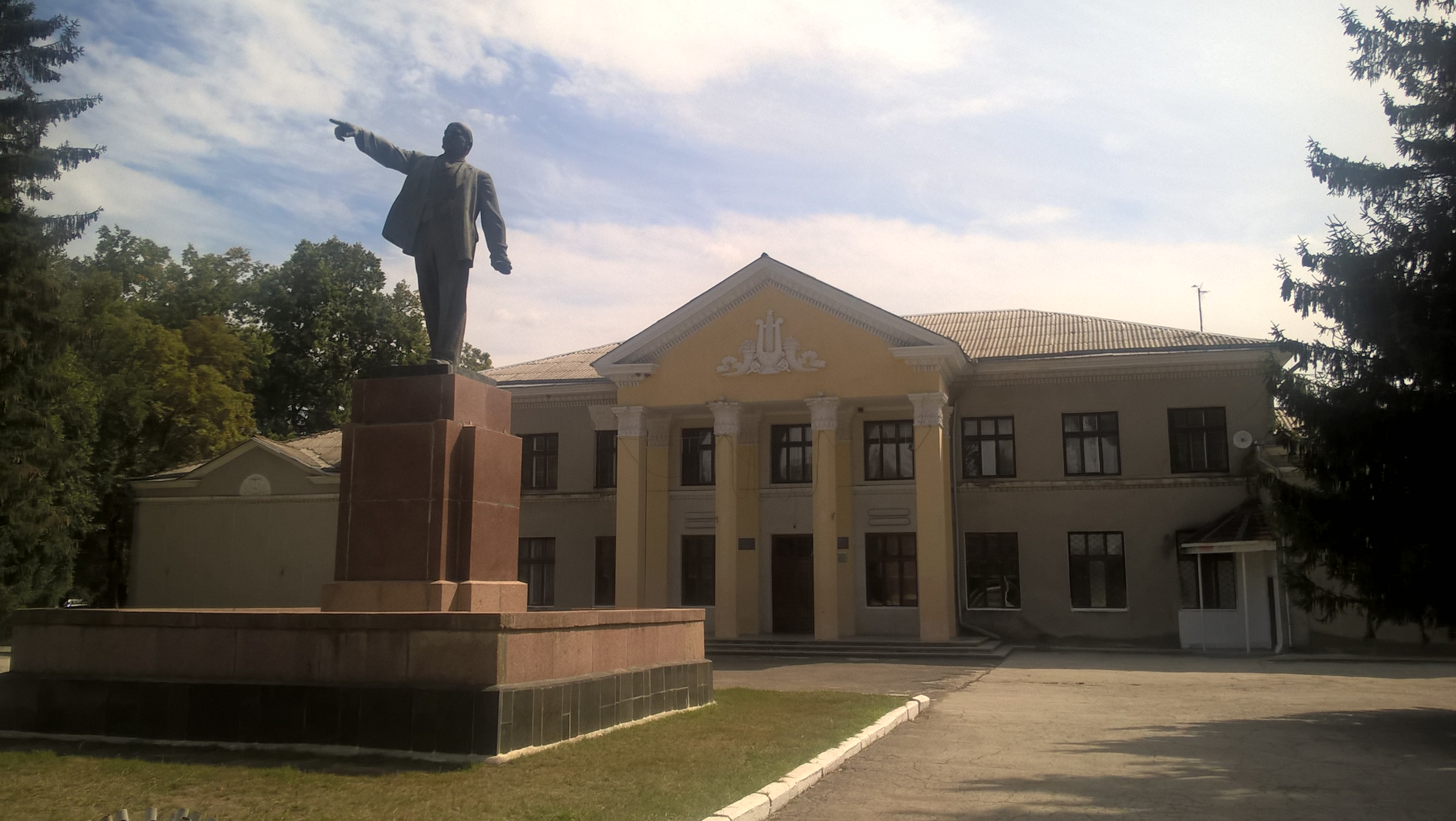 59
59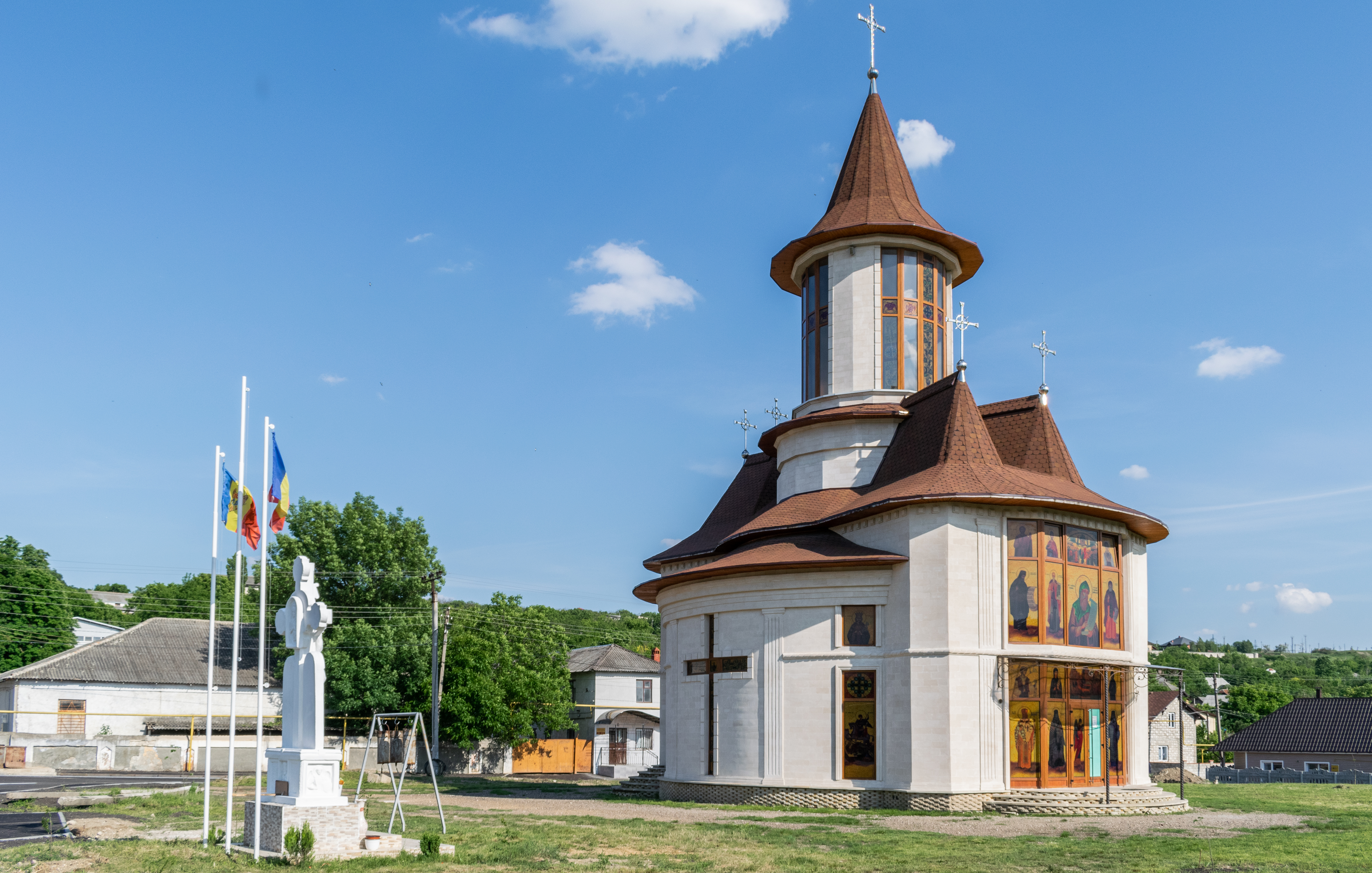 56
56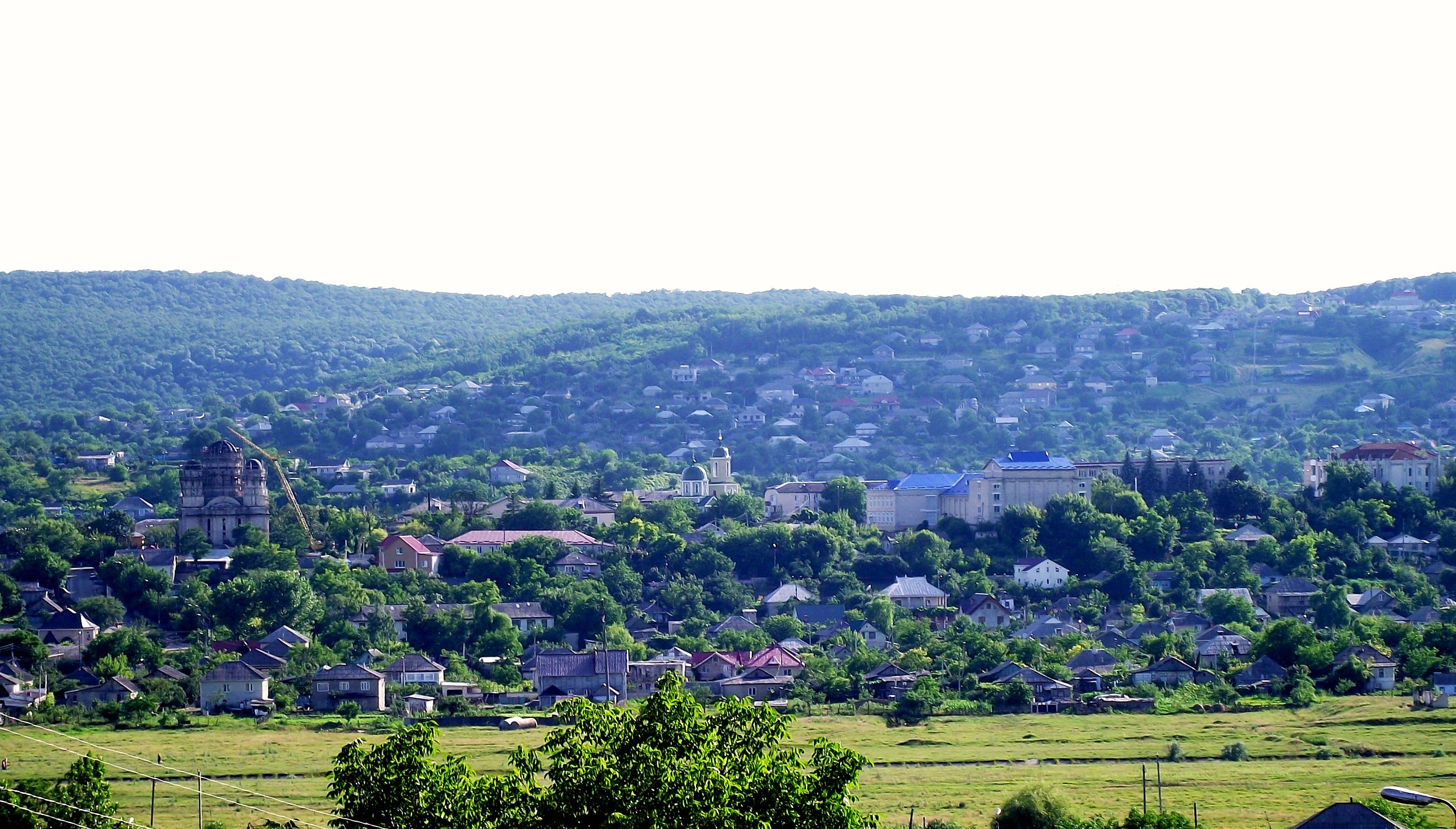 61
61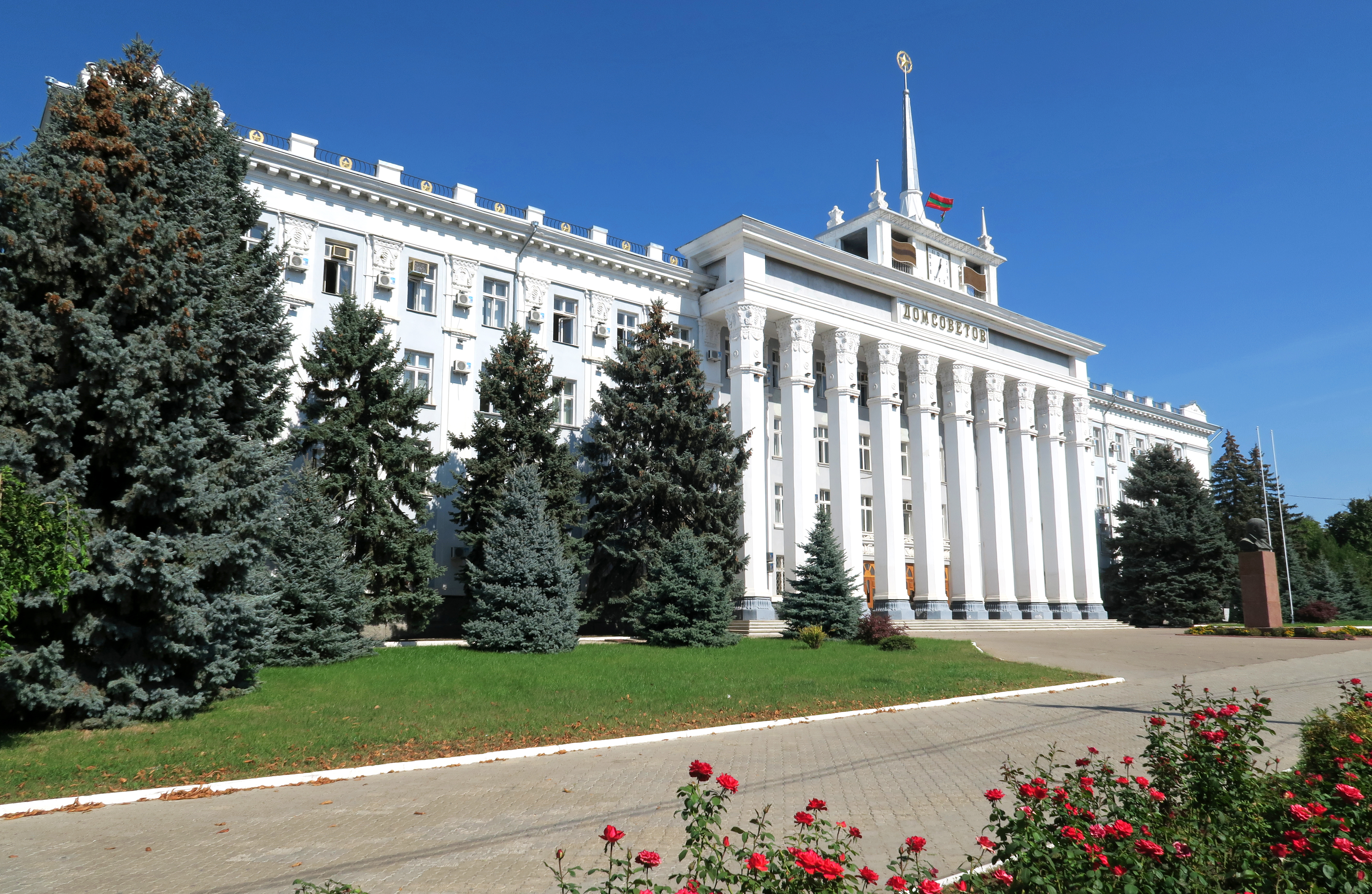 65
65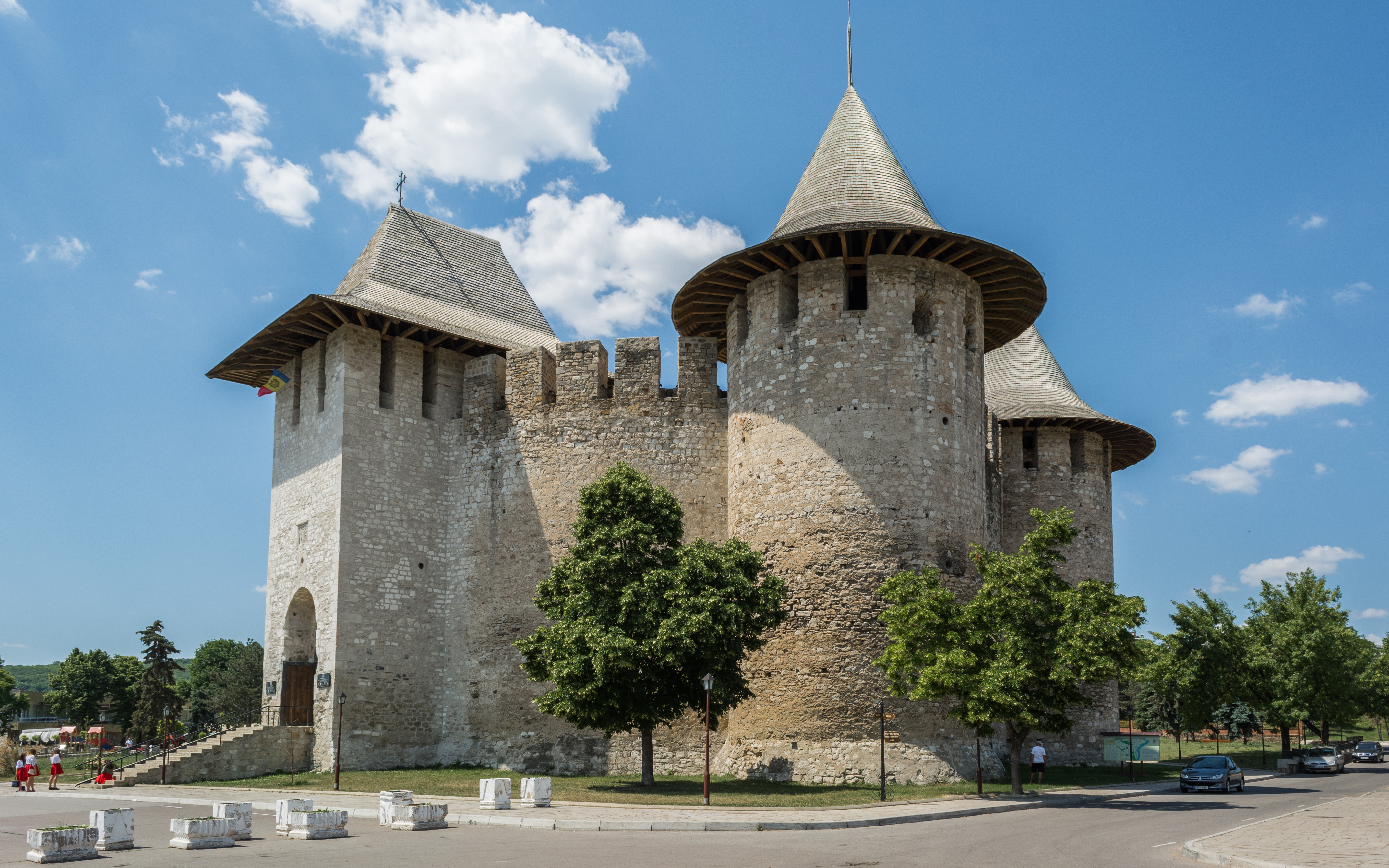 54
54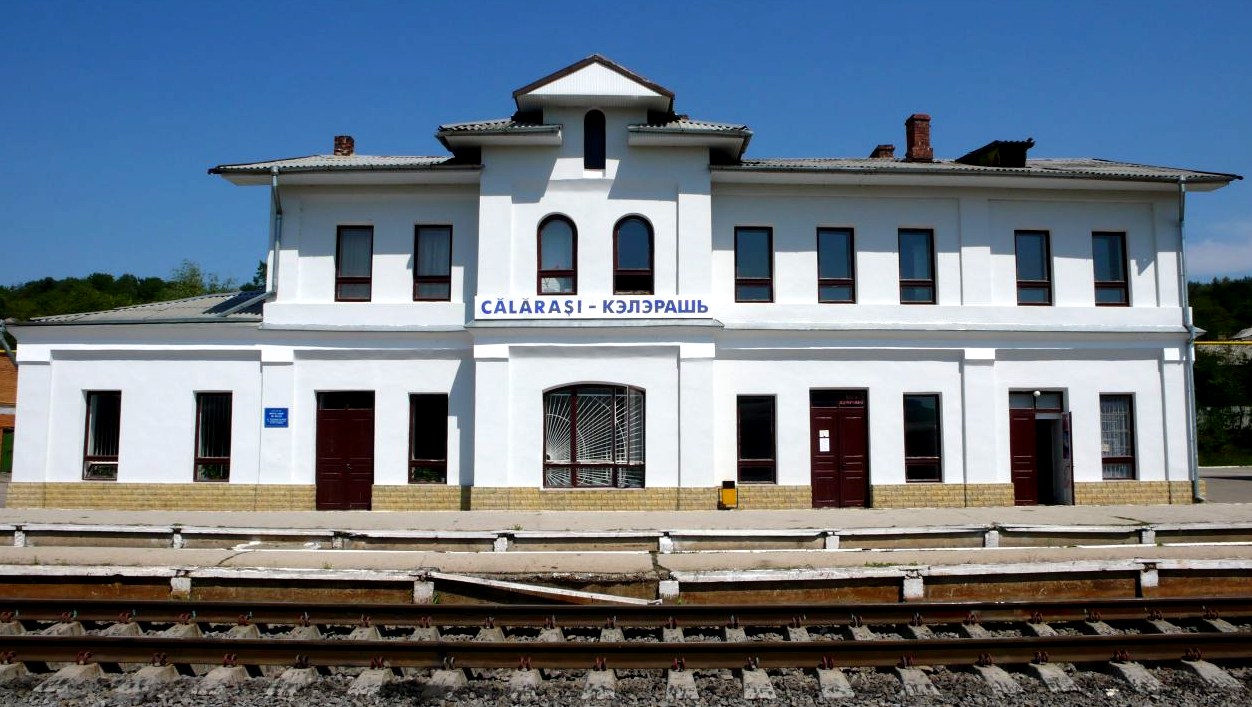 53
53The housing requirement most people get wrong
Proof of accommodation sounds like the easiest box to tick. It is the one that generates the most last-minute scrambling. A hotel booking confirmation for two weeks does not satisfy a visa that grants a 24-month stay. The officer needs to see that you have a place to live that matches the duration of the permit, or at least a credible plan for the first few months. A signed lease with a start date and a fixed term works best. If you do not have a lease yet, an invitation letter from a host combined with a rental agreement draft can carry the application, but only if the host’s identity and property ownership are documented.
The mistake that trips up applicants is treating the accommodation requirement as a formality. Submitting a hostel reservation and hoping the officer will not notice the mismatch between a two-year visa and a four-night booking is a fast route to a request for additional evidence. That request stops the clock and pushes your move date further out. In a process with no interview, the paper file has to do all the convincing, and the accommodation document is one of the few places where intent and logistics collide on the page.
If you are applying from outside Moldova, line up a rental before you submit. Local real estate platforms and expat groups are the usual channels. Some landlords will sign a preliminary agreement that you can use for the visa, with the understanding that the lease activates when you arrive. That arrangement works as long as the document includes the property address, the landlord’s details, and a clear term. A vague email from a friend does not.
What happens after you land in Moldova
Approval is not the finish line. The visa decision comes through the online portal, and at that point you have permission to enter Moldova but you do not yet hold a residence permit. The law requires you to register in person with the Bureau of Migration and Asylum within a set window, typically 10 days of arrival. Miss that window and your approval can unravel. The registration appointment is where your biometrics are taken and the physical permit card is issued. Until you hold that card, you are in a legal limbo that makes opening a bank account or signing a long-term lease difficult.
Plan your arrival around the BMA’s working schedule. Public holidays, summer slowdowns, and the fact that the office is in Chișinău mean you cannot treat the registration as a drop-in errand. Book the appointment as soon as you have your travel dates. Bring every original document you submitted with the application, even if the online system already has digital copies. The officer may ask to see the same bank statements or employment contract again. Having them in a folder avoids a second trip.
The permit card itself is what proves your legal status during police checks or interactions with any government office. Keep it on you. The initial permit is valid for two years, and renewal follows a similar process, though you will already be in the country and the documentation burden often lightens. The key is not to confuse visa approval with completed immigration status. One is a promise. The other is a plastic card that takes an in-person visit to obtain.
The long-term reality this visa doesn’t tell you
The Moldova Digital Nomad Visa does not lead to permanent residency. It is a renewable temporary status with a hard ceiling. Two years, then another two, and so on, but the time spent under this permit does not accumulate toward the residency years required for a long-term settlement permit or citizenship. If your goal is a second passport or a permanent right to live in Moldova, this visa is a dead end on its own.
That does not make it useless. It gives you a legal base in a low-cost country while you figure out whether Moldova fits your life. Some people use the two-year window to explore other pathways, like starting a local business that qualifies for an investor visa or finding an employer willing to sponsor a work permit. Those routes have their own requirements and timelines, and none of them are automatic. The digital nomad visa buys you time, not a progression track.
The tax residency piece adds a layer that people often overlook. The visa regime classifies you as a resident for tax purposes. That means your worldwide income becomes reportable in Moldova. Double taxation relief depends on your home country’s agreements, and you will want professional advice before the first tax filing deadline. The low cost of living can get partially offset by a tax obligation you did not model. This is not a reason to avoid the visa, but it is a reason to run the numbers with a local accountant before you commit to a renewal cycle that resets every two years without ever converting into something more permanent.
Moldova versus the obvious alternative
Georgia’s digital nomad program is the comparison most people make, and for good reason. Both countries offer low income thresholds, straightforward remote applications, and a cost of living that stretches a dollar. The differences sit in the details that matter six months in. Moldova grants a 24-month initial permit. Georgia’s program typically starts with a shorter validity, which means you will face renewal paperwork sooner. If you value stability and want to minimize interactions with immigration authorities, Moldova’s longer initial term is a quiet advantage.
Tax treatment pulls in the other direction. Georgia’s territorial tax system can be more favorable for someone whose income is sourced entirely abroad. Moldova’s residence-based taxation means your global income enters the local system. The math depends on your specific situation, but the gap can be significant for higher earners. The in-person registration requirement in Moldova adds a logistical step that Georgia’s process may not demand in the same way. You have to be physically present in Chișinău shortly after arrival, which means you cannot treat the whole process as fully remote from start to finish.
The absence of a permanent residency path in Moldova is not unique among digital nomad visas, but it stands out if you are comparing against countries that allow time under a nomad permit to count toward long-term settlement. For a retiree with passive income or a freelancer who wants a two-year European base without immigration ambitions, Moldova’s combination of low threshold and long permit makes sense. For someone building toward a second citizenship, the visa is a placeholder, not a plan.
Work Permissions
Application Steps
- 1
📋 Verify your eligibility and gather income documentation
1–2 weeks
- 2
📄 Obtain a clean criminal record certificate
2–4 weeks
- 3
📄 Secure valid health insurance coverage
1–3 days
- 4
📋 Arrange accommodation in Moldova
1–4 weeks
- 5
📄 Prepare and organize your complete application package
3–5 days
- 6
📬 Submit your application online or in person
Same day
- 7
⏳ Wait for visa decision and approval
30–45 days
- 8
🏛️ Travel to Moldova and enter on your approved visa
1–2 weeks
- 9
🏛️ Register with the Bureau of Migration and Asylum in person
1–2 weeks
- 10
🏛️ Register your residence with local authorities
1–3 days
- 11
🏛️ Understand your tax residency status and file accordingly
1–2 weeks
This visa requires proof of health insurance. Compare international plans before you apply.
Compare health insuranceWe may earn a commission at no cost to you.
Compare this visa
Curated comparisons that include this route.
Frequently Asked Questions
Click any question to expand the answer.
Ready to Apply?
Work with trusted visa specialists who handle the paperwork so you can focus on your move.
Get help with this visa →* We may earn a commission if you apply through our link
At a Glance
Last verified: October 9, 2026