Difficulty
Moderate
Duration
60 months
Overview
Getting the income documentation story straight
This visa is built for someone earning through client work, not for someone living off a portfolio or a pension check. Pension income doesn't count toward qualification here, and neither does social security, which rules out the retiree-with-passive-income crowd that a lot of other residency programs are chasing. What you're proving is that you run a freelance or remote tech practice with real, attributable income, and that the shape of that income stays within bounds for the life of the permit.
The bound that trips people up is the cap on how much of your income can originate from Kazakhstani clients. As of 2026, income sourced inside Kazakhstan can't run past 90% of what you're bringing in. That sounds generous until you actually build a client roster in Astana, because local contracts tend to be the easiest ones to land once you're physically there and networking. Someone who arrives with three US clients and picks up a fourth, local one mid-permit needs to know exactly where that new invoice sits relative to the rest of their book, and most applicants don't track this until it's already a problem.
The fix is boring and that's why it works: separate invoices by client geography from the day you apply, keep a running ledger of gross income by country of payer, and don't let your accounting system flatten everything into one undifferentiated revenue line. You don't need a Kazakhstani bank account to hold this status, which removes one layer of paperwork, but it also means there's no automatic paper trail proving where money came from. You have to build that trail yourself, in a format that would survive someone else asking to see it.
One more thing worth sorting before you apply rather than after: if your income comes through a US LLC or a platform that pays out in aggregate, unbundle it before you submit anything. Reviewers assessing an Astana Hub freelancer application are not going to reverse-engineer your Stripe payouts to figure out client geography for you.
Eligibility Requirements
Duration
60 months
Business Owner
Max 90% from local sources
Requirements Checklist
Tax Information
How Kazakhstan Taxes What You Earn
Kazakhstan taxes residents on worldwide income, full stop. That means your remote salary, freelance invoices, foreign dividends, brokerage gains, and any rental income still coming in from a house back in the US all land in scope the moment you become a tax resident. Residency itself triggers at 183 days present in a calendar year, a bright-line day count rather than anything about habitual home or center of vital interests, and it creates a real dual-residency problem for Americans, because the US claims you as a taxpayer regardless of where you live and Kazakhstan will claim you too past that threshold with no treaty sorting out which country wins on which income.
Starting 1 January 2026, Kazakhstan's new Tax Code replaced the old flat 10% personal income tax with a progressive structure: 10% on income up to 8,500 MCI per year (roughly KZT 35,258,000, or about $75,000), 15% on everything above it. Dividends follow their own progressive schedule under the same reform: 5% withholding on dividend income up to 230,000 MCI annually, 15% on the excess, a threshold high enough that most individual investors will never see the higher rate apply. Non-resident dividend withholding sits flat at 15%, and since no US-Kazakhstan treaty exists to reduce that, there's no reduced rate to claim.
Capital gains aren't taxed as a separate category, they're folded into the same progressive PIT brackets, so a securities sale that pushes you past 8,500 MCI in a given year gets taxed at 15% on the overage. There's a genuine break here: gains on securities held more than three years are exempt if the issuing company isn't a subsoil user, which covers a meaningful slice of ordinary equity holdings. Foreign pensions, US 401(k) and IRA distributions, and even Social Security benefits get pulled into the same worldwide net once you're resident, taxed as ordinary income at 10% or 15% with zero treaty protection to shield them.
There's no separate preferential tax regime for individuals tied to the Tech Startup Visa itself. The Astana Hub ecosystem carries its own corporate incentives for registered tech companies, but that's a business-entity benefit, not a personal income tax break, and it doesn't change what you owe as an individual resident. You pay the standard progressive schedule described above, and that's the whole calculation on the Kazakh side.
What the IRS Still Wants From You
None of this touches your US filing obligation. Citizens and green card holders file with the IRS on worldwide income no matter where they've relocated, and the Foreign Earned Income Exclusion lets you shelter up to $132,900 of 2026 earned income, remote salary or freelance revenue, from US tax, plus a housing exclusion that runs to roughly $14,000 depending on your actual costs. What FEIE doesn't touch matters just as much: dividends, capital gains, rental income, pensions, and Social Security all stay fully taxable on your US return regardless of exclusion status. The Foreign Tax Credit is supposed to pick up the slack on double-taxed income, but here it's a weak tool, because Kazakhstan's 10%/15% rates sit well below the US brackets most remote workers and retirees fall into, so the credit rarely covers the full US bill and you're likely to owe residual tax even after claiming it. With no US-Kazakhstan treaty in force, there's no savings clause conversation to have and no treaty-based relief to fall back on, the exposure is just there.
The visa doesn't force you into a Kazakh bank account, but in practice almost everyone opens one at Halyk Bank or Kaspi Bank for daily life, and once you do, FinCEN Form 114 becomes mandatory the moment your combined foreign account balances exceed $10,000 at any point in the year. Skip it and the non-willful penalty runs to a statutory $10,000 per violation, adjusted for inflation to roughly $16,700 for 2026, and that number moves every year regardless of whether you noticed.
The two decisions most people get wrong in year one are the FEIE test election and the FBAR habit. Physical presence is usually the cleaner path here, given the 183-day Kazakh trigger sits close enough to the US test window that bona fide residence status gets messy fast without a treaty to lean on for tie-breaking. Add the Kaspi or Halyk account you'll almost certainly open, track the balance monthly rather than at tax time, and budget for a first-year advisory fee in the $1,500 to $3,000 range to get the FEIE election and FBAR filing done correctly the first time, because the second time usually means fixing something.
Living in Kazakhstan
COL Index vs NYC
26.6
Monthly Cost (excl. rent)
$555
1BR Rent (City Center)
$498
Safety Index
54.8
Healthcare Index
60.7
Quality of Life Index
106.8
Time Zone
UTC+05:00
Capital
Nur-Sultan
Population
18.8M
Official Languages
Kazakh, Russian
Avg Internet Speed
88 Mbps
Public Transit Quality
Good
With a budget covering rent and living costs, you'd need roughly $1,053/mo for a comfortable single-person lifestyle in Kazakhstan.See how far your money goes →
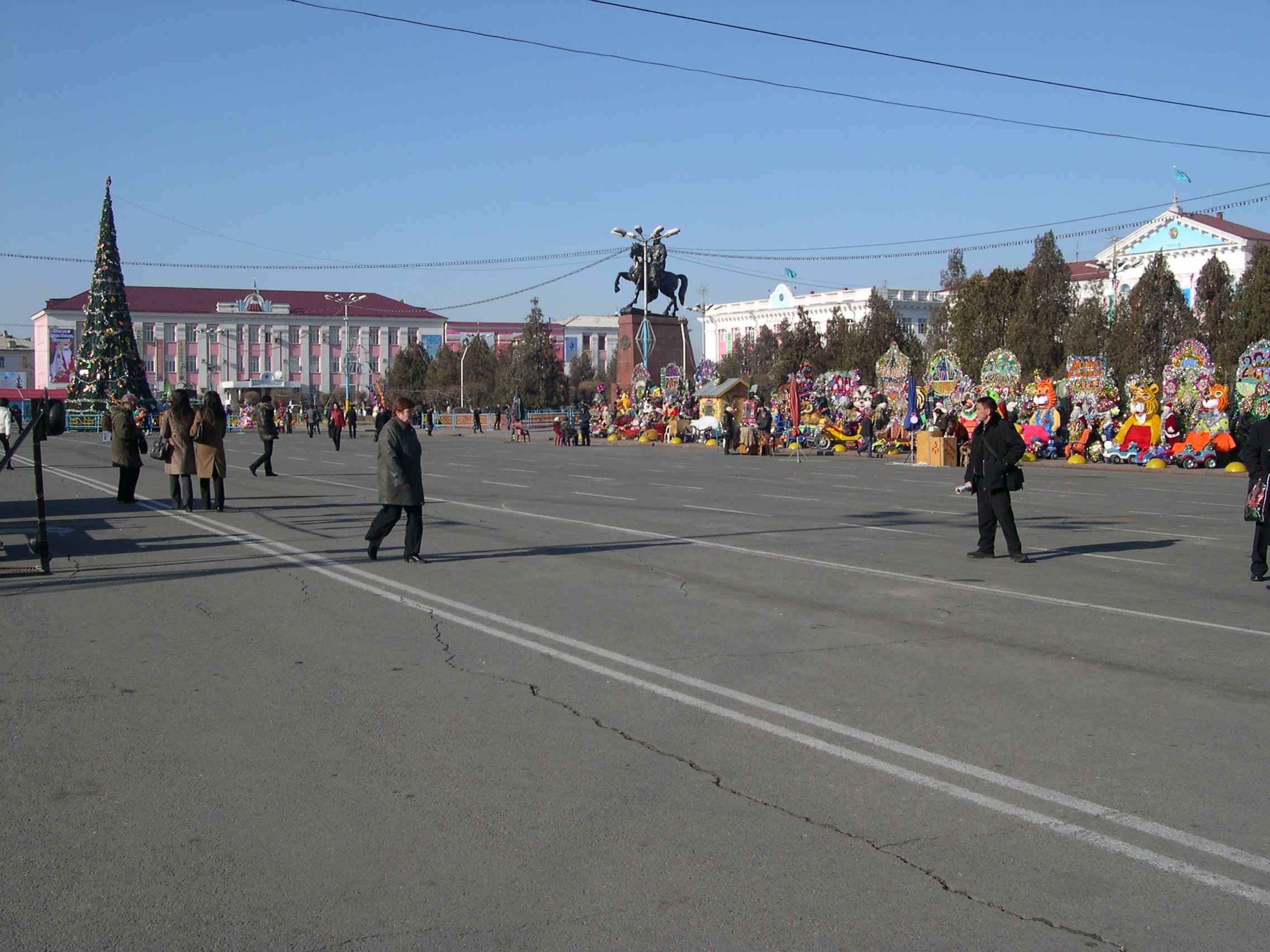
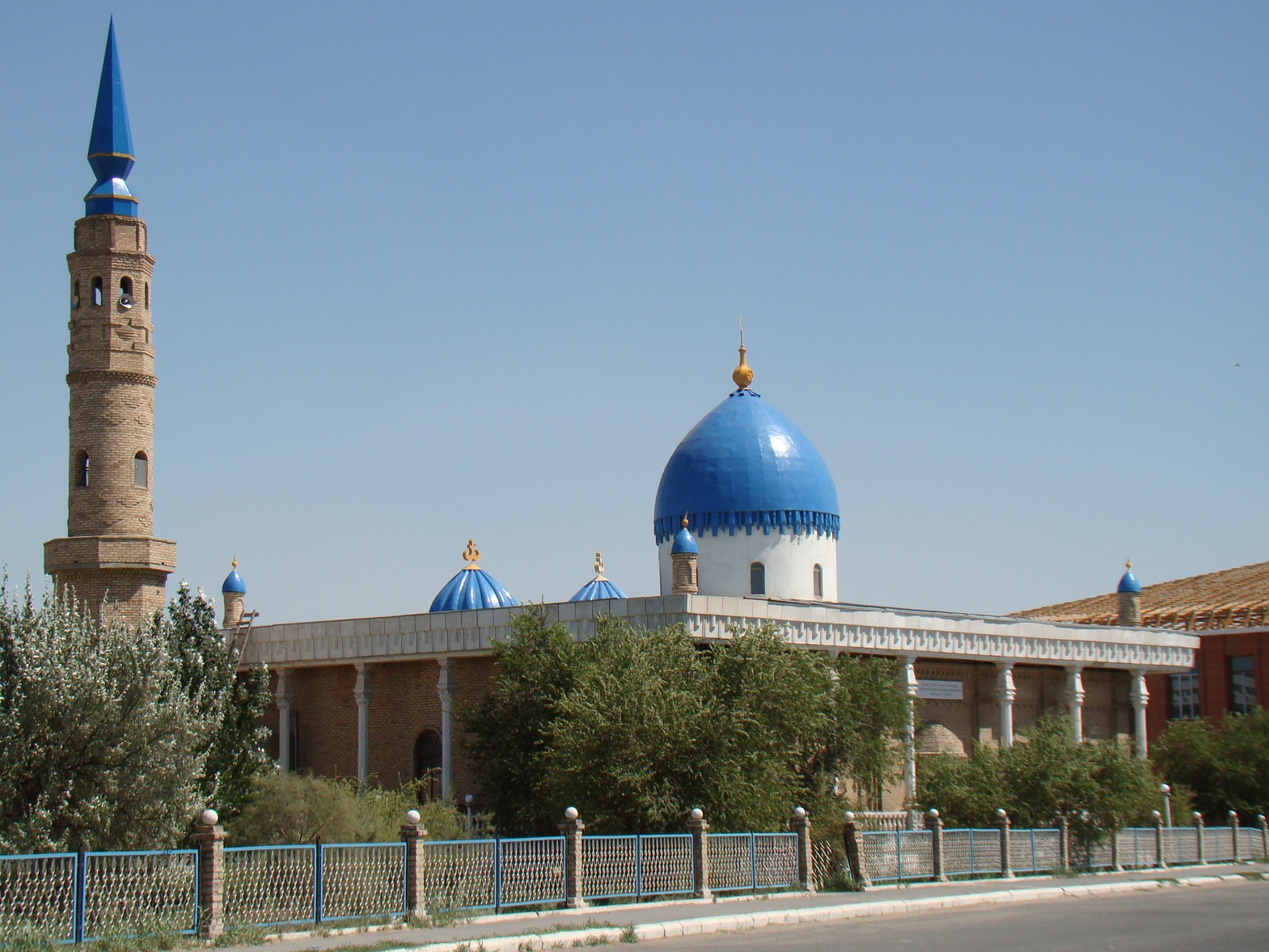
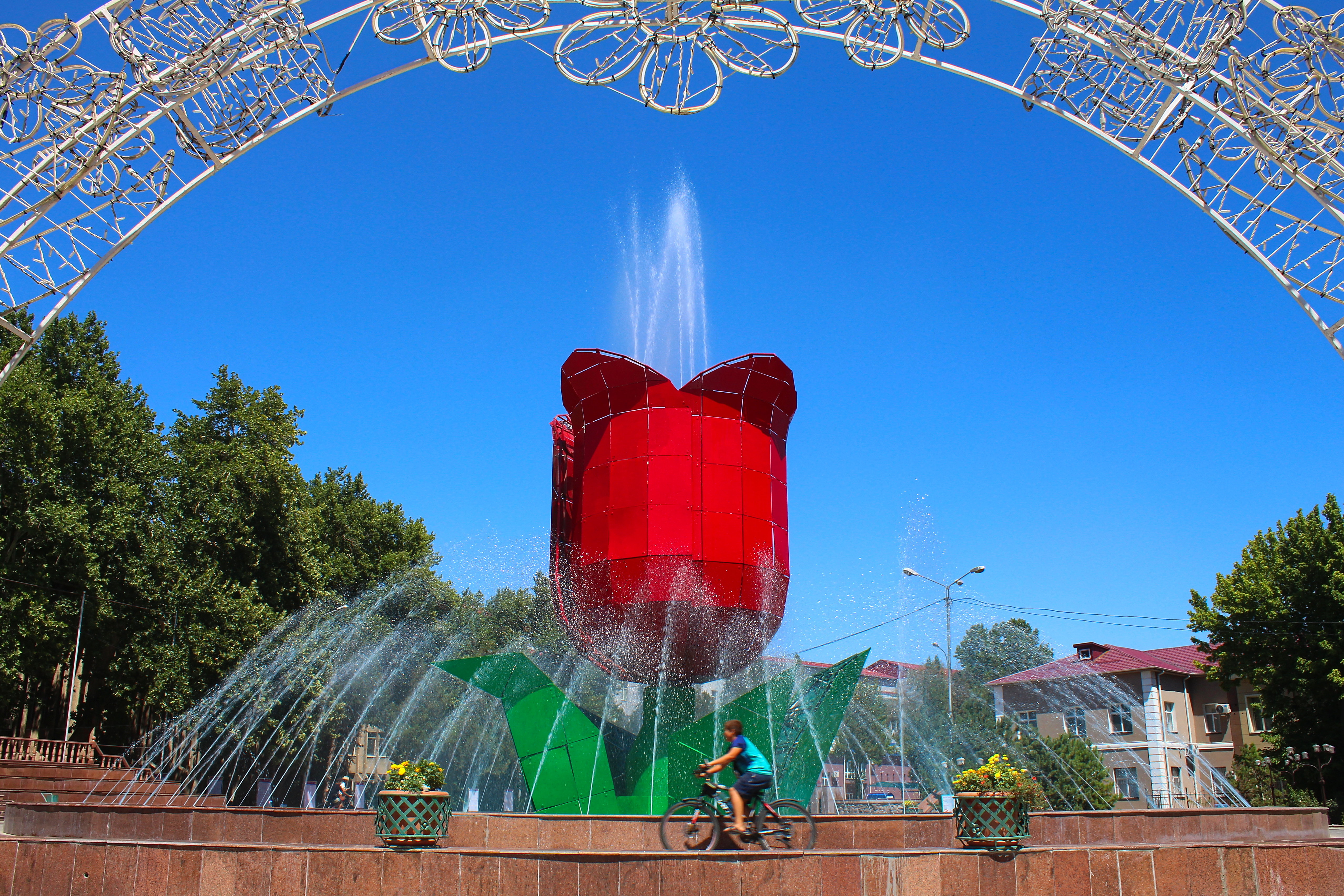
🏙️ Best Cities in Kazakhstan for Freelancers


The housing question people get backwards
There's no explicit landlord-facing requirement bolted onto this visa the way there is with some residency programs, but that doesn't mean housing is a non-event. The mistake shows up early: applicants sign a twelve-month lease in Astana before their Hub participant status is actually confirmed, because they assume the visa is a formality once the business case is in. It isn't. The participant review happens on its own timeline, and a signed long lease sitting unused for two or three months while that plays out is a bad way to start a five-year plan.
The better sequence is to treat the first stretch as temporary by design. Short-term corporate housing or month-to-month arrangements near the Hub campus exist precisely because this population of applicant is common there, and landlords in that specific market are used to renting to people whose paperwork isn't finished yet. Lock in a permanent address only once your status is actually granted, not while it's pending.
There's a second-order issue too. Since a local bank account isn't required and health insurance isn't required either, some applicants read that as "housing probably isn't required in any real sense," and treat their living situation as an afterthought. That's a mistake independent of what the visa technically demands. You still need a physical address for registration purposes once you're in the country, and scrambling to produce one after arrival, on top of everything else that has to happen in your first weeks, is avoidable friction you're choosing rather than friction being imposed on you.
The gap between approval and actually being set up
One thing that makes this process lighter than most: no interview, no medical exam, no apostille chain, no background check. The vetting weight sits almost entirely on the front end, in the review of your freelance business and income structure through Astana Hub, rather than in a consulate appointment or a stack of authenticated documents. If you've done the income documentation work described above, the visa step itself is comparatively fast and low-friction.
But approval of the visa is not the same as being fully processed as a resident. There's a real gap between the moment your status is granted and the moment your on-the-ground registration is complete, and people who book flights and lease housing the day they get an approval email sometimes find themselves handling local registration steps in person, under time pressure, instead of from home. Because there's no medical exam or interview to force a specific in-country appointment, there's less external structure pushing you toward getting these steps done promptly, which paradoxically makes it easier to let them slide. Build in a buffer window after approval before you treat yourself as settled.
What the five-year mark actually means
This is the part that changes the whole calculus for a lot of applicants once they understand it. The permit runs sixty months, which sounds like a long runway compared to the one or two year permits common elsewhere, and in some ways it is. But there's no renewal built into this track, and it doesn't lead to permanent residency. When the sixty months are up, they're up. There's no gradual conversion to settled status the way there is with some countries' temporary-to-permanent ladders, where each renewal is implicitly a step toward eventually staying for good.
That means this visa functions less like the first rung of a residency ladder and more like a fixed-length lease on a base of operations. If your actual goal is to eventually settle in Kazakhstan long-term, this specific route doesn't get you there on its own, no matter how cleanly you run your freelance business inside it. You'd be looking at switching into a different visa category before the clock runs out, and that switch needs to start well before month sixty, not after.
Anyone applying with a five-year horizon should treat month one as the start of a countdown, not the start of an open-ended chapter. Decide early what happens at the far end, whether that's a different Kazakhstani status, a move to another country, or a return home, because the permit itself won't answer that question for you.
Choosing this over a renewable alternative
The honest comparison isn't against another Astana Hub-style program, it's against the broader category of renewable freelancer and digital nomad visas available elsewhere, the kind that let you extend year over year and sometimes count toward residency over time. Against that category, this visa gives up a lot: no dependents, no renewal, no path to anything permanent. If you're moving with a partner or kids, this isn't the visa, full stop, since dependents aren't permitted under it at all.
Where it wins is in the friction removed to get in. Nationality restrictions don't apply here, so passport strength that might complicate other applications isn't a factor. There's no interview, no medical exam, no apostille chain to assemble, and no background check to wait on. For a single freelancer who wants a defined, low-bureaucracy base for a few years, without dragging their whole life into a settlement plan they haven't committed to yet, that combination is truly efficient.
The decision comes down to what you're optimizing for. If the plan is family, permanence, or eventual citizenship, look at a renewable route in a country where the math on years-to-residency actually works in your favor, even if the entry process is heavier. If the plan is a bounded, low-friction few years running a freelance tech income stream from a new base, with a clear exit already sketched out, this is a reasonable tool for that specific job, and it's worth not asking it to be more than that.
Work Permissions
Application Steps
- 1
Research
Verify all requirements for this visa type and country
- 2
Gather documents
Obtain all required documents (passport, financial statements, health insurance, etc.)
- 3
Complete application
Fill out the official application form
- 4
Submit application
Submit all documents to the appropriate consulate or online portal
- 5
Pay fees
Complete payment of application and visa fees
- 6
Attend interview
If required, attend any scheduled interviews
- 7
Wait for decision
Processing times vary from weeks to months
- 8
Travel and activate
Once approved, travel to the country and complete any activation requirements
Frequently Asked Questions
Click any question to expand the answer.
Ready to Apply?
Work with trusted visa specialists who handle the paperwork so you can focus on your move.
Get help with this visa →* We may earn a commission if you apply through our link
At a Glance
Last verified: July 9, 2026