Min Monthly Income
$3,900
Processing Time
6 wks
Difficulty
Moderate
Duration
12 months
Overview
Kazakhstan’s Digital Nomad framework is oddly split in two: a classic “live here, earn abroad” Neo Nomad Visa (B12‑1) and a Digital Nomad Visa (B9‑1) that the government itself links directly to permanent residence. This program leads to permanent residency after 10 years. The visa requires a minimum monthly income of about USD 3,000 and minimum savings of USD 36,996 as of 2026, so a FIRE retiree on $3,800 from ETFs and rentals or a remote employee on $6,000 salary would clear the financial bar comfortably.
Processing is relatively slow but predictable: the stated timeframe is 6–7 weeks from submission to a decision, which matters if you are coordinating a lease, school enrollment, or exiting a Schengen stay. The initial permit is valid for up to 12 months, as the government press release also mentions B9‑1 electronic and paper visas valid “up to one year.” The visa is renewable, so anyone planning a multi‑year stay has to treat the first visa as a bridge into a more formal residency permit, not as a long‑duration solution on its own.
The residency trade‑off is murky at this stage. This path leads to permanent residence in 10 years, but does not specify any physical presence requirement per year or the maximum consecutive absence allowed. Whether short absences reset the clock is also not addressed in public guidance. That means a retiree planning to split time 6 months in Kazakhstan, 6 months in Thailand, or a nomad rotating every 4 months between three countries cannot yet model whether they remain on track for PR while heavily mobile.
On friction, the Digital Nomad Visa looks lighter than many peers. Apostilles, FBI background checks, and medical exams are not required, and there is no formal interview requirement, which aligns with the low 1/5 bureaucracy score. At the same time, eGov.kz and Astana Hub describe a two‑step petition process, including a criminal record certificate and digital signature, so the low score reflects fewer external attestations rather than a one‑click application. Processing still spans 6–7 weeks, and applicants need to be comfortable interacting with Kazakhstan’s e‑government portals.
Strategically, this track makes the most sense if you are an IT‑adjacent remote worker or FIRE practitioner willing to park yourself in Kazakhstan as a base for 10 years to secure permanent residency, while meeting the published minimum income requirement of about USD 3,000/month, even without exact presence thresholds. It is a poor fit if your entire plan hinges on a disclosed $3,000/month requirement, precise day‑count rules, or the freedom to be out of the country for 9–10 months per year while still expecting to convert to PR on schedule.
Eligibility Requirements
Any nationality can apply for the Kazakhstan Digital Nomad Visa in principle, as the visa rules list nationality restrictions as “all.” In practice, applicants from sanctioned or high‑risk jurisdictions such as Iran, North Korea, Syria, and in some banking contexts Russia or Belarus can face consular refusals or inability to pass security screening or open required accounts, even if not formally barred in the law. Before compiling documents, confirm your specific passport’s eligibility and any extra security checks directly with Kazakhstan’s Ministry of Foreign Affairs or the official Visa and Migration Portal linked from gov.kz.
Min Income
$3,900
Min Savings
$36,996
Duration
12 months
Max 0% from local sources
Requirements Checklist
0 of 14 documents in hand
0%These take the longest, so start them first.
Request these while the slow items are in progress.
You only need these on the day you submit.
How and where to apply
Applications are submitted entirely online through two government portals: first on the Astana Hub portal (astanahub.com) to submit your initial application and receive a petition from the Ministry of Digital Development, and then on the eGov.kz portal to apply for permanent residency. However, you must obtain your IIN and Digital Signature in person from the Kazakhstan Embassy or Consulate in your country of residence before applying online. After receiving preliminary approval (valid for 30 days), you must travel to Kazakhstan in person to visit a Migration Police office or Citizen Service Center to submit biometrics, medical certificate, and proof of accommodation. You cannot complete the final registration steps remotely.
Tax Information
Local tax picture for digital nomads in Kazakhstan
Kazakhstan taxes residents on worldwide income and non‑residents on Kazakhstan‑source income, but Kazakhstan's Digital Nomad Visa does not carry a special tax regime or exception for remote workers. Public sources indicate that tax residency is triggered at 183+ days in a calendar year, with residents facing a progressive 10%/15% tax on many income types as of 2026, and there is no published preferential rate specific to this visa. For someone earning $5,000/month from a US employer or foreign clients while present in Kazakhstan over 183 days, it is prudent to assume that income becomes Kazakhstan‑taxable as ordinary personal income.
For FIRE‑style income, government and major advisory sources describe Kazakhstan as taxing residents’ worldwide income, which includes foreign dividends, bond interest, and foreign rental income, while non‑residents are taxed primarily on Kazakh‑source income. However, there is no officially codified exemption for foreign passive income linked to this visa. A retiree drawing $3,000/month from ETF dividends and $1,500/month from US rental property should assume that, once resident, Kazakhstan has the right to tax that income unless and until a local advisor confirms an exemption based on the exact legal status they hold.
On capital gains from foreign investments, capital gains are taxed as ordinary income under Kazakhstan's progressive PIT structure (10%/15%, effective 2026). The general system taxes capital gains, but there is no dedicated territorial exemption in the Digital Nomad or B9‑1 context. If you sell index funds or ETFs in a foreign brokerage for a $100,000 gain while tax‑resident in Kazakhstan, treatment of that gain is not clearly carved out under this visa; treat it as potentially taxable at ordinary income or capital gains rates, and get local written advice before executing large repositioning trades.
Tax residency in practice is most often associated with the 183‑day rule. There is no published first-return due date. The safe assumption is that once your stay extends beyond 183 days in a year, you should obtain a Kazakhstan tax ID and be prepared to file a local return in line with domestic deadlines.
There is no US-Kazakhstan tax treaty in force (a treaty was signed in 1993 but never ratified by the US Senate), so Americans and Canadians cannot count on a treaty to eliminate double taxation on salaries, pensions, or dividends. There are no treaty benefits available for Social Security, IRA distributions, or corporate dividends under current law.
For US Citizens and Green Card Holders
US citizens and green card holders on Kazakhstan’s Digital Nomad path remain fully subject to US worldwide taxation. For remote earned income (salary from a foreign employer, consulting, or self‑employment), Form 2555 and the Foreign Earned Income Exclusion (FEIE) can exclude up to $132,900 of earned income for 2026. To use FEIE, you must pass either the Physical Presence Test (330 full days outside the US in any rolling 12‑month period) or the Bona Fide Residence Test. A Digital Nomad Visa that plausibly keeps you in Kazakhstan most of the year supports either test, but anyone shuttling frequently back to the US risks failing the 330‑day standard.
Form 1116 and the Foreign Tax Credit (FTC) matter once you are tax‑resident in Kazakhstan and paying local income tax. If Kazakhstan taxes your $120,000 remote salary at an effective rate around 10%, those foreign taxes can offset the US tax on that same income, dollar for dollar, up to US limits. However, if Kazakhstan does not tax a given stream at all (for example, if your passive income or capital gains are treated favorably locally), there is no FTC benefit on that stream: you still owe full US tax on your $40,000 of dividends, $20,000 of capital gains, or $30,000 in rental income from abroad.
FBAR (FinCEN 114) and FATCA Form 8938 remain in play. The Digital Nomad visa rules do not state that a local bank account is required, but in reality almost everyone staying long‑term opens one. If your combined non‑US financial accounts ever exceed $10,000 at any point in the year, FBAR is mandatory, with non‑willful penalties starting at approximately $16,700 per violation as of 2026. FATCA Form 8938 has higher thresholds but similar reporting logic. US‑Kazakhstan tax complexity under this visa justifies two distinct advisors: a US CPA focused on expat filings (FEIE vs FTC, FBAR, Form 8938, possibly Form 8621 for PFICs) and a Kazakhstan tax advisor who understands registration, residency status, and local return obligations. The $1,500–$3,000 spent in year one on that combined advice often pays for itself via correct FEIE/FTC optimization and avoiding FBAR/FATCA penalties or mis‑characterized Kazakhstan residency.
Living in Kazakhstan
COL Index vs NYC
26.6
Monthly Cost (excl. rent)
$555
1BR Rent (City Center)
$498
Safety Index
54.8
Healthcare Index
60.7
Quality of Life Index
106.8
Time Zone
UTC+05:00
Capital
Nur-Sultan
Population
18.8M
Official Languages
Kazakh, Russian
Avg Internet Speed
88 Mbps
Public Transit Quality
Good
With a budget covering rent and living costs, you'd need roughly $1,053/mo for a comfortable single-person lifestyle in Kazakhstan.See how far your money goes →
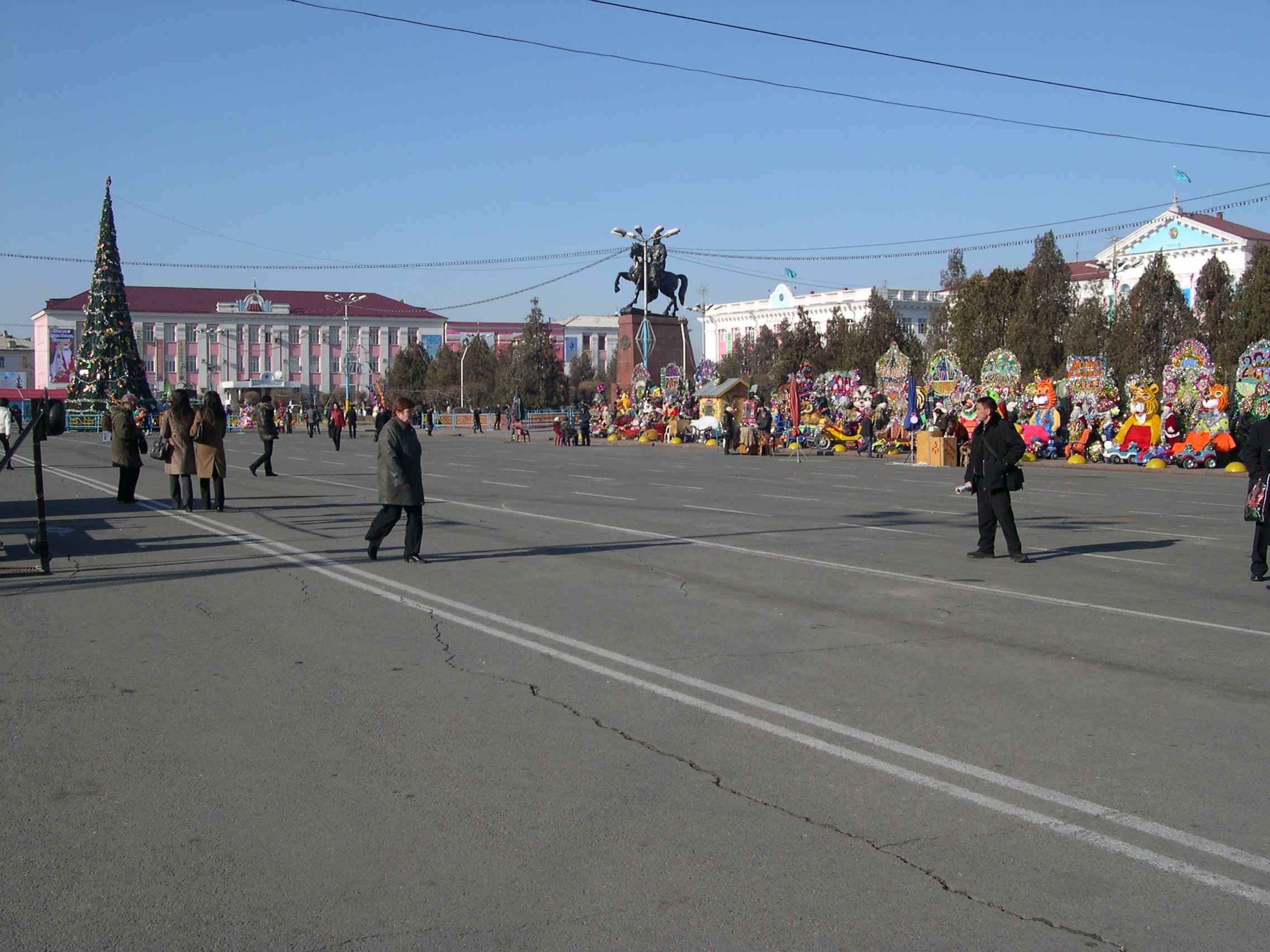
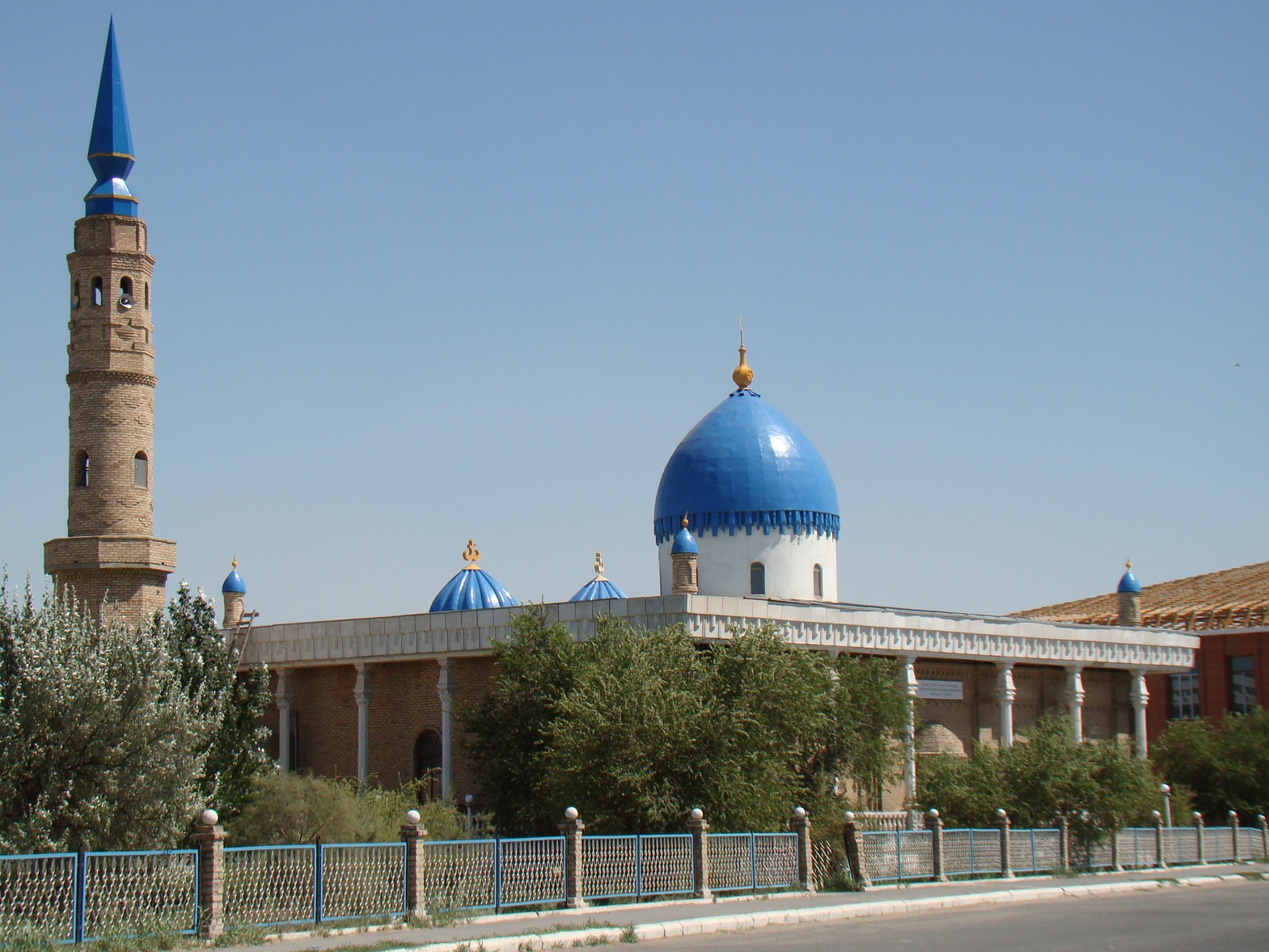
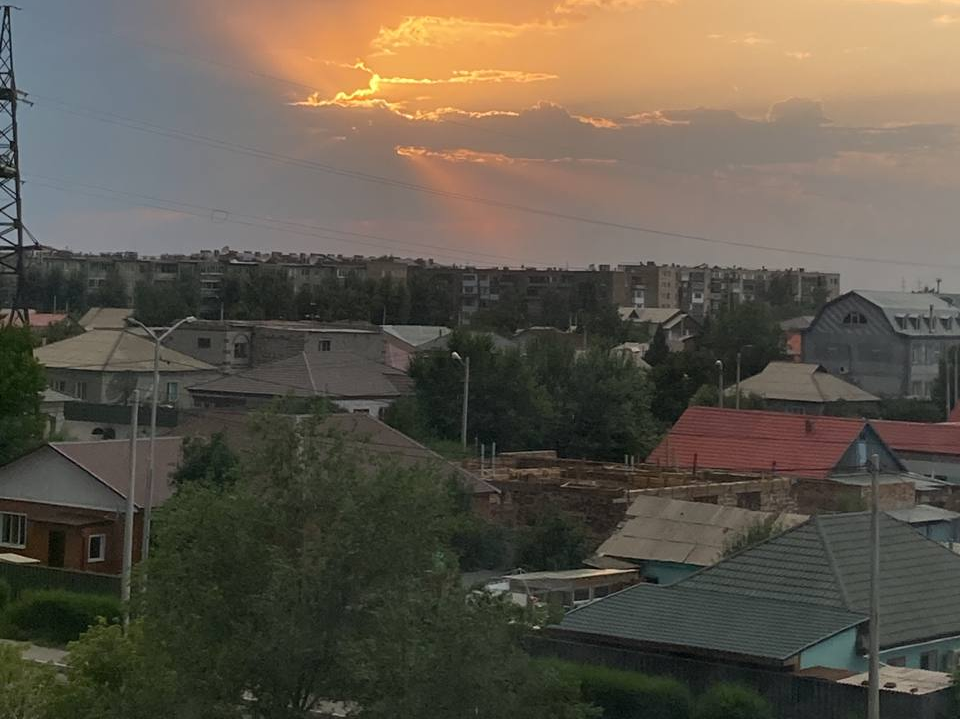
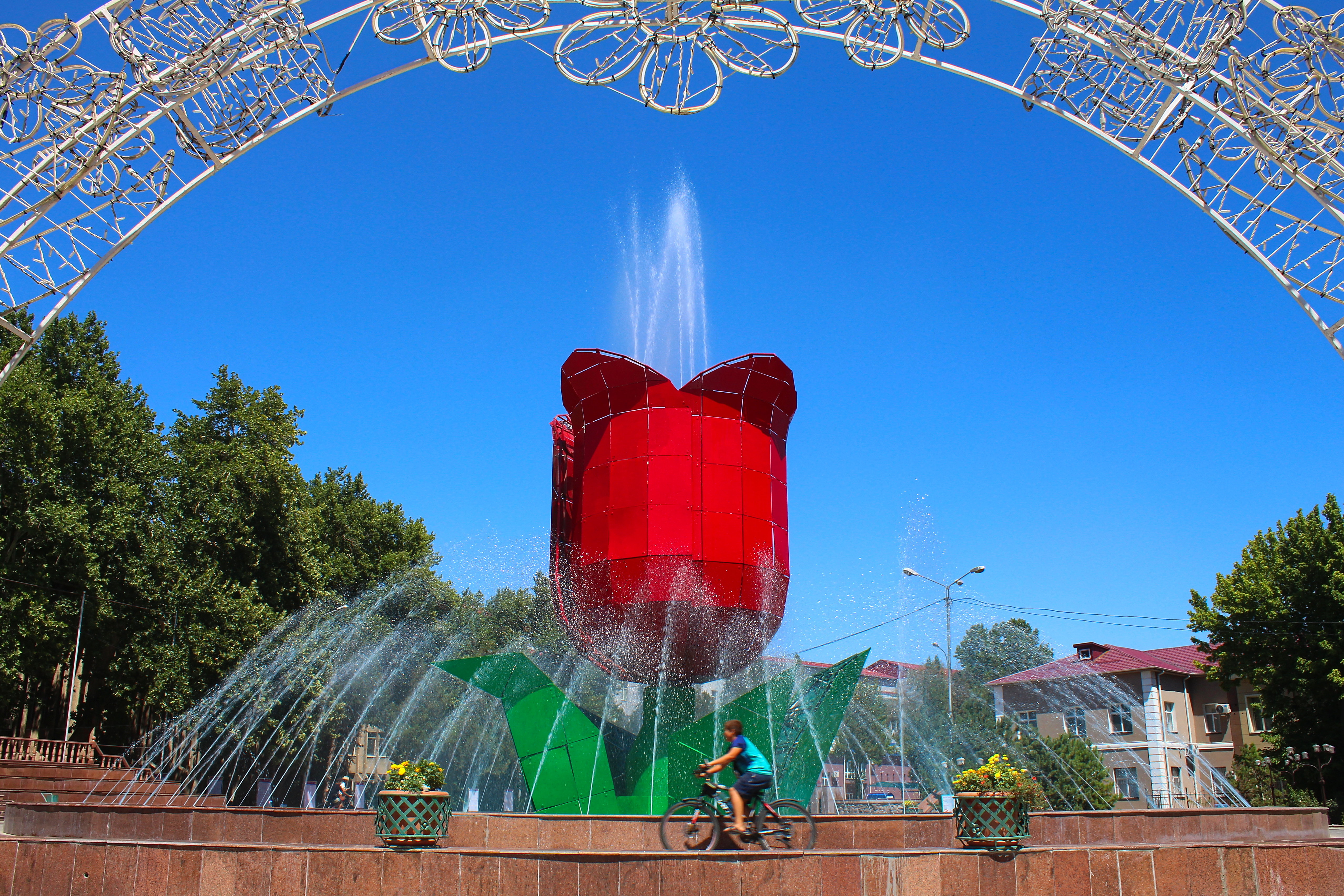
🏙️ Best Cities in Kazakhstan for Digital Nomads


Getting the income documentation story straight
The $3,000/month figure as of 2026 reads like a low bar next to what most remote professionals earn, and it is. The real filter isn't the number, it's whether six months of bank statements tell a story that matches the rest of your file. If your income arrives from three different clients under three different invoicing names, or if a chunk of it routes through a business account that doesn't obviously belong to you, that's where reviewers slow down. Freelancers get flagged more often than salaried remote employees for exactly this reason: irregular deposits look like irregular income even when the underlying work is stable.
The savings requirement of $36,996 does separate work from the income test, and it's worth treating it that way rather than assuming a healthy monthly income covers both boxes. This is a runway figure, not a monthly figure, and it's meant to show you can sustain yourself even through a gap in client work. Pulling that amount together the week before filing, especially by transferring it into an account it didn't previously sit in, is one of the more common ways applicants create the appearance of a staged deposit. Six months of stable statements does more work than one impressive balance.
Because local work isn't permitted and none of your income can be Kazakhstan-sourced, your documentation needs to make the foreign-income story airtight from day one, not just at filing. A tax return that shows last year's income structured differently than what your current contracts show is a mismatch worth resolving before you submit anything, not during a follow-up request. The freelance contract or proof of remote employment, the CV, and the portfolio of past work all exist to reinforce the same claim: this income exists independently of Kazakhstan and will keep existing after you land. Treat every document as evidence toward that one claim rather than as a separate checkbox, and the file reads as coherent instead of assembled.
The housing requirement nobody can satisfy from abroad
Proof of accommodation, whether a rental contract or ownership documents, sits early in the requirement list, which creates an obvious problem: most applicants haven't been to Kazakhstan yet when they're asked to produce it. Landlords are understandably reluctant to sign a formal lease with someone who hasn't viewed the property, doesn't have an IIN yet, and may not show up. This is the part of the process where people either overpay for a short-term arrangement just to get a signature, or they arrive without anything finalized and scramble once the 30-day clock on their preliminary approval starts running.
The cleaner sequence treats the embassy visit for your IIN and digital signature as step one, the accommodation search as something that runs in parallel rather than after, and the online petition as something you file only once you have a housing document you can actually produce on demand. Waiting until after approval to start looking for housing compresses everything into the same narrow window you need for biometrics and the medical certificate, and that's a bad place to be improvising.
It's also worth remembering that accommodation proof resurfaces at the in-person registration stage, not just at the initial filing. A rental agreement that satisfied the online petition but that you can't substantiate with a lease, a landlord's contact information, or a paper trail when you're standing in front of a Migration Police officer creates a second problem out of what should have been solved once. Solve it thoroughly the first time.
What happens after you land
The petition you receive from the Ministry of Digital Development through Astana Hub feels like the hard part is over. It isn't. That approval is valid for 30 days and functions as permission to travel, not as a residence permit. The actual permit comes only after you've physically gone to a Migration Police office or Citizen Service Center, submitted biometrics, presented a medical certificate, and shown proof of accommodation in person. None of that can be done remotely, no matter how digital the rest of the process feels.
This is the stage where the "digital nomad" branding stops matching the experience. You are, at minimum, making two separate physical trips: one to an embassy or consulate before you ever apply, for the IIN and digital signature, and one to Kazakhstan itself, inside a 30-day window, for the registration that actually grants you legal residence. Anyone planning this visa as a fully remote process, initiated from a laptop and never requiring a flight until move-in day, has the sequencing backward.
The eGov.kz portal comes into play once you're pursuing the permanent residency track rather than the initial permit, and it's a distinct system from the Astana Hub portal you used to get the petition in the first place. Applicants sometimes assume the two portals are talking to each other behind the scenes. They aren't functioning as one continuous application; they're two separate systems tied to two separate stages, and treating them as interchangeable is a good way to miss a step.
The permanent residency math
Ten years to permanent residency is a long runway, and it's worth sitting with that number rather than skimming past it. The initial permit runs 12 months and is renewable, which means the realistic path to permanent residency is a decade of consecutive renewals, each one requiring you to re-prove income and accommodation from scratch. Nothing about the renewable status guarantees smooth accumulation toward the ten-year mark if a renewal lapses or gets filed late.
For the entire span, the same restriction applies: no local work, no local-sourced income. That's a very different commitment than a visa where you're expected to eventually integrate into the domestic labor market. If your five-year plan involves picking up local clients, taking a local job, or otherwise deriving income inside Kazakhstan, this visa category doesn't accommodate that shift, and you'd be looking at a different residency category entirely to make that transition.
Dependents are allowed on this visa, which matters for anyone weighing a decade-long relocation as a family rather than as an individual arrangement. But dependent status is tied to the primary applicant's renewals, so a lapse or a change in the primary applicant's income situation doesn't just affect one person's paperwork.
Kazakhstan against the easier alternatives
Most people evaluating this visa are also looking at digital nomad programs elsewhere that ask for a single online application and little else. Against that standard, Kazakhstan asks for more front-loaded effort: an in-person embassy visit before you file anything, a narrow travel window after approval, and an in-person registration once you arrive. If administrative friction is what you're optimizing against, several other digital nomad routes will feel lighter, because they largely are.
Where Kazakhstan can win the decision is on the income floor. A $3,000/month requirement as of 2026 sits below what many comparable programs ask for, and combined with a cost of living that tends to run lower than Western Europe or coastal Southeast Asia, it opens the visa to freelancers earlier in their income curve than most alternatives would. If your monthly income sits closer to $3,500 than $6,000, that gap matters more than it might for someone already clearing $8,000 a month who has the luxury of picking a country for lifestyle reasons rather than qualification reasons.
The honest way to frame the decision isn't Kazakhstan versus one specific competitor, but bureaucratic overhead versus income accessibility. If you can absorb the embassy trip, the travel window, and the in-person registration without it derailing your work schedule, the lower income bar and lower cost of living make a real case. If your work doesn't tolerate a multi-week disruption for travel and in-person filing, that friction alone might be reason enough to look at a program that finishes entirely online.
Work Permissions
Application Steps
- 1
📋 Obtain IIN and Digital Signature from embassy
2-4 weeks
- 2
📄 Compile required documents and portfolio
1-2 weeks
- 3
📬 Submit application on Astana Hub portal
Same day
- 4
⏳ Receive petition from Ministry of Digital Development
2-3 weeks
- 5
📬 Apply for permanent residency on eGov.kz
Same day
- 6
⏳ Receive preliminary approval and plan travel
45 calendar days for review; 30 days to travel
- 7
🏛️ Travel to Kazakhstan and submit biometrics
1-2 days
- 8
🏛️ Obtain 10-year residence permit
1-2 weeks
Planning a long stay? Compare international health plans for Kazakhstan.
Compare health insuranceWe may earn a commission at no cost to you.
Compare this visa
Curated comparisons that include this route.
Frequently Asked Questions
Click any question to expand the answer.
Ready to Apply?
Work with trusted visa specialists who handle the paperwork so you can focus on your move.
Get help with this visa →* We may earn a commission if you apply through our link
At a Glance
Last verified: October 9, 2026