Min Monthly Income
$1,200
Application Fee
$500
Processing Time
4-17 wks
Difficulty
Easy
Duration
3 months
Overview
Guatemala’s Digital Nomad Visa targets remote contractors and self‑employed professionals who earn their money abroad and do not touch the local labor market. Local employment is explicitly off the table: 0% of your total income can come from Guatemalan sources, and the allowed employment types are “contractor” and “self_employed.” The immigration authority has not publicly specified a minimum monthly income or savings balance, but your application fee is very concrete at 225 USD. In practice, remote workers are expected to show consistent foreign income via bank statements rather than relying on Social Security, pensions, or local wages, which are not counted for this category.
Operationally, the trade‑off is time versus stability. The initial permission is short at 3 months, even though processing takes 8–16 weeks. You can renew, at a listed renewal cost of 40 USD per year, but the program does not publish a formal physical presence requirement or a maximum consecutive absence period. That gap matters if you intend to bounce around the CA‑4 region or split time with Mexico: you will need to manage your own day‑counts carefully and verify with Migración whether long absences interrupt your digital‑nomad status or future residence calculations.
From a long‑range planning perspective, this visa does not directly lead to permanent residency, even though permanent residency in Guatemala is obtainable in 5 years under other categories. Guatemala also has no publicly specified number of years to citizenship tied to this route. Expect to treat this visa as a convenient remote‑work stay mechanism rather than a ladder to a Guatemalan passport. If your plan involves a 10‑year relocation and eventual naturalization, you would need to switch into a standard temporary residence category after establishing ties.
On paper, bureaucratic friction is low: the bureaucracy score sits at 1.4 / 5, and there is no requirement for health insurance, a local bank account, apostilled documents, an FBI background check, a medical exam, or an interview. Processing time at 8–16 weeks is the main annoyance; you will want to apply well before your tourist stay runs down. Field reports from applicants highlight that immigration may conduct real‑world address checks, so the declared residence you submit must be an actual, accessible place where you or a representative can respond during business hours.
This setup makes the most sense if you earn at least 3,000–4,000 USD per month as a foreign‑paid contractor or freelancer, can document that income over several months, and want a low‑paperwork base without local tax on foreign earnings. It is a poor fit if you need a clear, codified path to permanent residency and citizenship from day one or if a significant slice of your income comes from Guatemalan clients or on‑the‑ground activity, which this visa explicitly excludes.
Eligibility Requirements
Any nationality can apply in principle for the Guatemala Digital Nomad Visa, as the nationality restrictions field is listed as “all.” In practice, applicants from sanctioned or diplomatically sensitive countries such as Iran, North Korea, Syria, Cuba, and in some situations Russia can encounter embassy refusals, banking compliance problems, or prolonged security checks that make successful issuance difficult even if not explicitly banned in the law. Before assembling a full document package or paying the 225 USD application fee, confirm your specific eligibility and any consular nuances directly with Guatemala’s Dirección General de Migración (IGM) or the Guatemalan consulate that will handle your case.
Min Income
$1,200
Application Fee
$500
Renewal Cost
$40/yr
Duration
3 months
1099 Contractor · Self-Employed
Max 0% from local sources
Requirements Checklist
0 of 10 documents in hand
0%These take the longest, so start them first.
Request these while the slow items are in progress.
You only need these on the day you submit.
Extra requirements for this visa
- Apostille required on official documents
- FBI background check required (allow 3–4 months)
How and where to apply
You can apply for the Guatemala digital nomad visa in-country at the Dirección General de Migración office in Guatemala City (6a. Avenida 3-11, Zona 4; phone 2411-2411; hours Monday-Friday 8 AM-4:30 PM). Many digital nomads first enter Guatemala on a 90-day tourist visa (visa-free for US, Canadian, UK, and EU citizens) and then apply for the digital nomad visa while in-country. Alternatively, you may be able to apply through an online portal or at a Guatemalan consulate in your home country, though the current application method is not yet fully specified—contact the Dirección General de Migración at https://www.migracion.gob.gt/ to confirm.
Tax Information
Local tax regime and what it means for you
Guatemala uses a territorial tax regime, which means income is taxed based on where it is generated, not where you live. For a digital nomad or remote contractor on this visa, foreign‑source income such as remote salary from a US or EU company, freelance invoices paid into a foreign account, ETF dividends from a brokerage in New York or London, and rental income from property in Canada or Australia is generally treated as foreign‑source and therefore outside Guatemalan income tax. Local Guatemalan‑source income, by contrast, is taxable, but this visa requires that 0% of your total income come from Guatemalan sources and does not permit local work, which keeps you out of the local tax net as long as you respect that restriction.
For FIRE investors, capital gains on foreign investments, selling index funds, ETFs, or stocks held in a non‑Guatemalan brokerage—are foreign‑source and, under territorial rules, fall outside Guatemalan taxation. In practice, gains realized in your Schwab, Vanguard, or Interactive Brokers account remain taxable only in your home jurisdiction, not in Guatemala, as long as you are not running a Guatemalan trading business. Foreign-source gains fall outside Guatemala's tax system, so no local rate applies.
Tax residency in Guatemala is generally tied to the 183‑day rule in a 12‑month period, combined with having your center of vital interests in the country. The visa itself does not automatically make you a tax resident; it is your physical presence and local ties that matter. Guatemala has not set a special registration deadline tied to the digital nomad category, so standard SAT registration timelines apply once you meet residency thresholds. Once you cross tax‑residency thresholds or start any local activity (such as forming a Guatemalan company), you should expect to register with the Superintendencia de Administración Tributaria (SAT) and obtain a NIT (tax ID), even though holding a NIT does not, by itself, create tax liability.
Local filing requirements for a pure foreign‑income nomad with no Guatemalan‑source income are light, and many such residents do not file locally at all. However, if you become tax resident and have any Guatemalan‑source income, you would need to file annual returns under the standard regime, with deadlines set by SAT; these dates follow SAT's standard filing calendar rather than any digital-nomad-specific schedule. The Tax Treaty with the US does not exist under Guatemalan law, which means Americans cannot assume there is a double tax treaty covering dividends, interest, or pensions. In practice, without clear treaty protection, you rely on domestic law (territoriality) rather than treaty mechanisms to avoid double taxation.
For US Citizens and Green Card Holders
US persons on the Guatemala Digital Nomad Visa remain fully taxable by the United States on worldwide income. Remote salary, contractor payments, and self‑employment income can be partially sheltered using the Foreign Earned Income Exclusion (FEIE) via Form 2555. As of 2026, the FEIE limit is 132,900 USD of earned income per person; it does not cover dividends, capital gains, interest, rental income, pension distributions, or Social Security. With a short 3‑month visa that can be renewed and a lot of regional mobility, most digital nomads will rely on the Physical Presence Test (330 full days outside the US in any 12‑month period) rather than the Bona Fide Residence Test, which is harder to establish in a country where your status is nominally short‑term.
Because Guatemala runs a territorial system and you are barred from earning Guatemalan‑source income on this visa (0% local income allowed), your effective local tax rate on foreign income is 0%. That makes the Foreign Tax Credit (FTC) on Form 1116 largely irrelevant for your remote income and foreign investments while you remain within the rules; there is no Guatemalan income tax being paid to credit. If you were to create Guatemalan‑source income in violation of visa rules, you could owe Guatemalan tax but would then be out of compliance on the immigration side as well.
FBAR (FinCEN Form 114) obligations apply if the aggregate value of your non‑US financial accounts exceeds 10,000 USD at any time during the year. That includes Guatemalan bank accounts, brokerage accounts, and even prepaid cards with a Guatemalan financial institution. This visa does not require opening a local bank account, but many nomads do so for convenience; once you do, balances must be monitored for FBAR thresholds. FATCA reporting on Form 8938 can also apply at higher asset levels, separate from FBAR.
Given the combination of a territorial system locally and full worldwide taxation from the US side, optimizing your structure requires coordination. The right advisory team is (1) a US CPA who specializes in expat taxation and understands FEIE, FTC, FBAR, and FATCA, and (2) a Guatemalan tax advisor familiar with SAT practice and residency rules. The 1,500–3,000 USD spent in year one on this guidance often pays for itself through correct FEIE elections, avoidance of overlooked US reporting penalties, and clear confirmation that your foreign income remains outside Guatemala’s tax scope.
Living in Guatemala
COL Index vs NYC
36.8
Monthly Cost (excl. rent)
$761
1BR Rent (City Center)
$814
Safety Index
28.9
Healthcare Index
37.4
Quality of Life Index
89.4
Time Zone
UTC-06:00
Capital
Guatemala City
Population
16.9M
Official Languages
Spanish
Avg Internet Speed
142 Mbps
Public Transit Quality
Poor
With a budget covering rent and living costs, you'd need roughly $1,575/mo for a comfortable single-person lifestyle in Guatemala.See how far your money goes →
🏙️ Best Cities in Guatemala for Digital Nomads
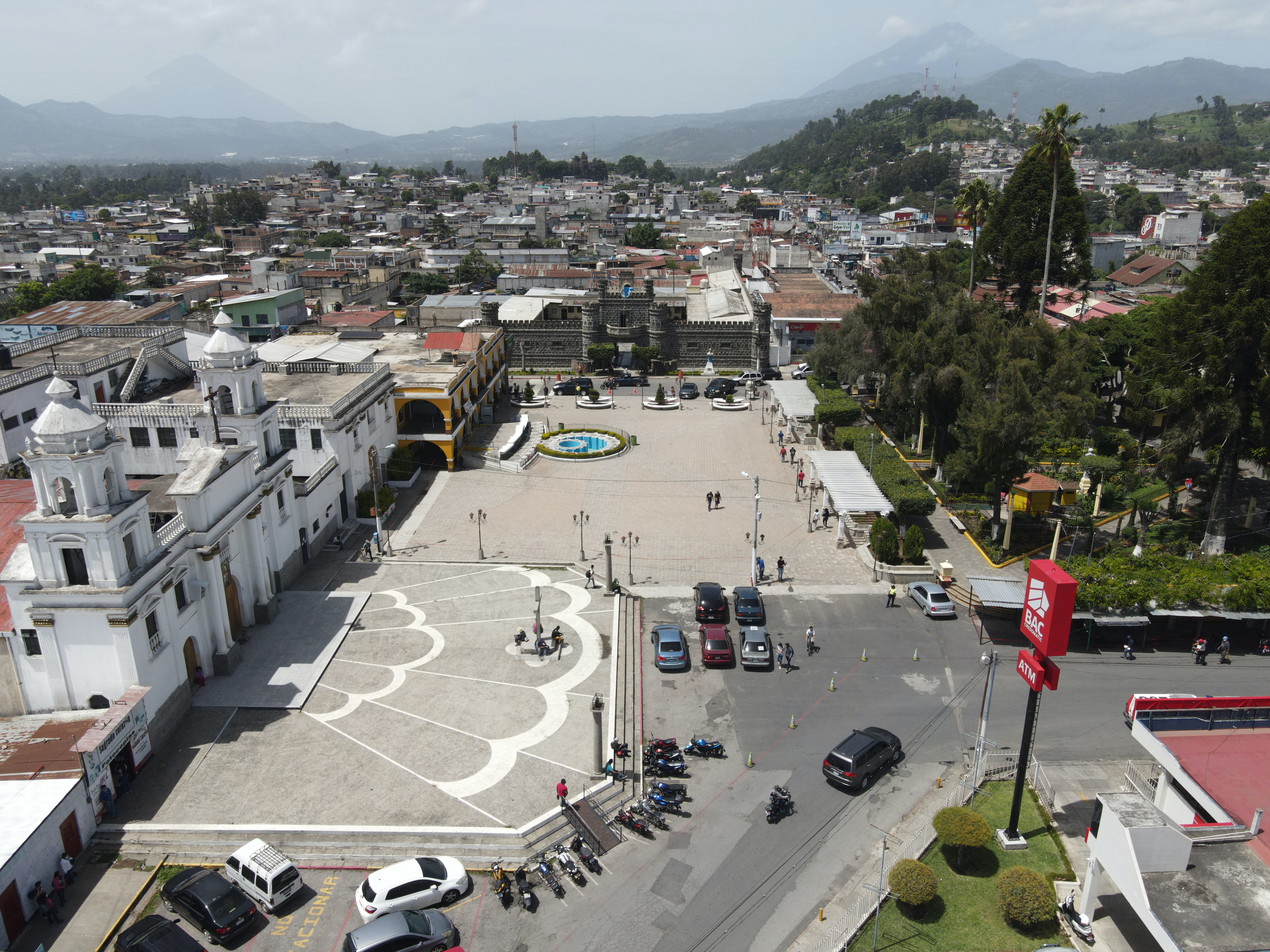 47
47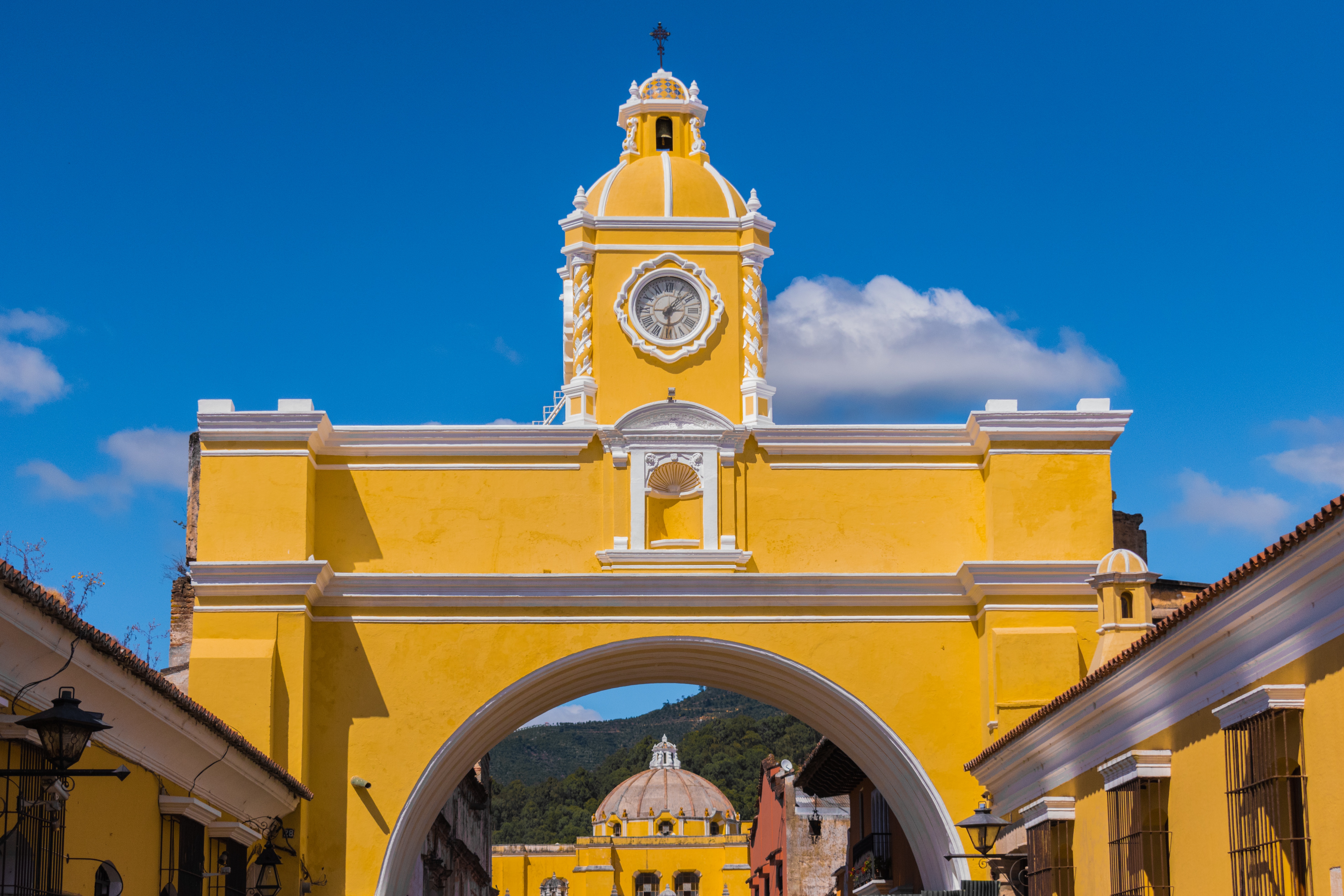 68
68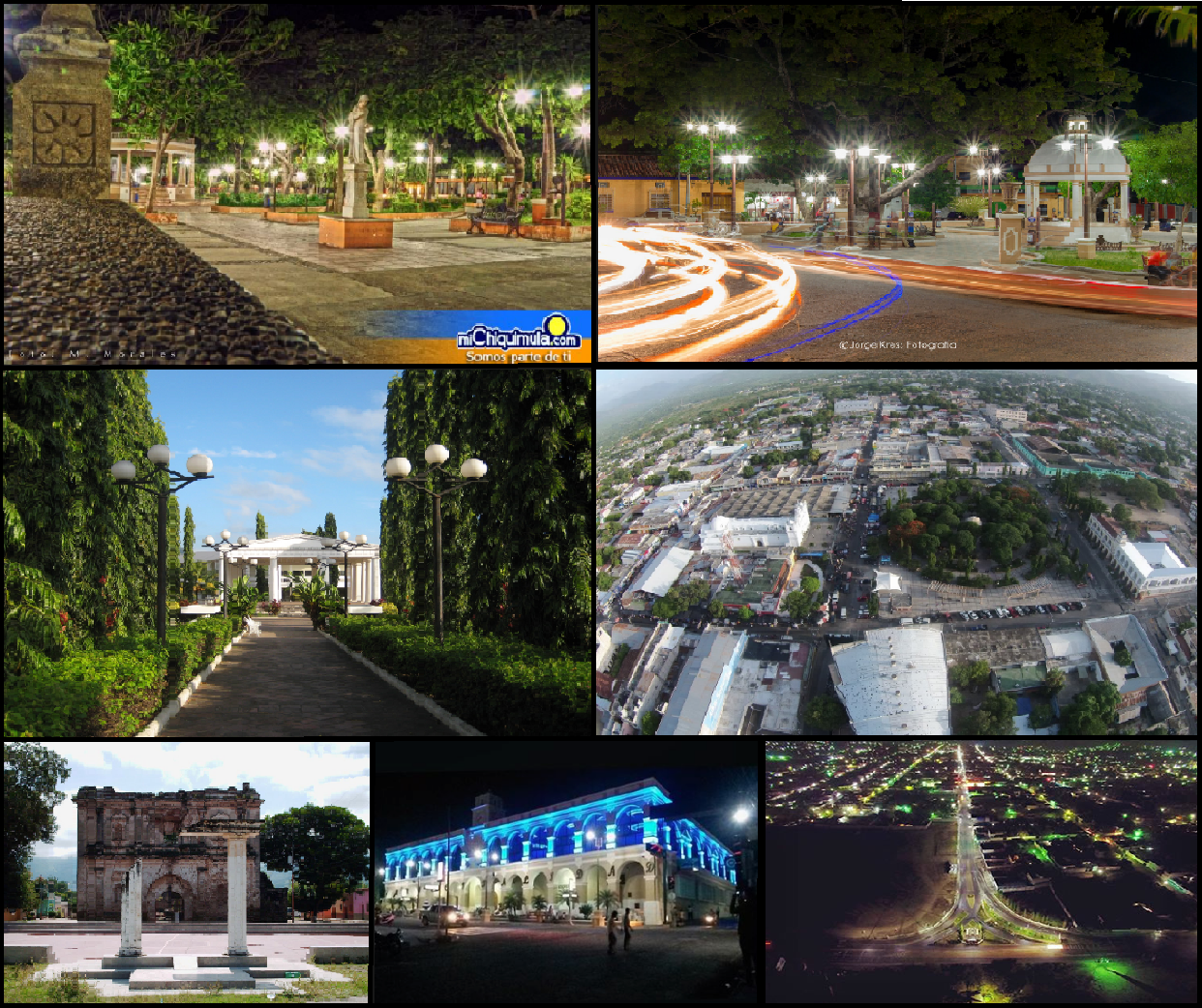 40
40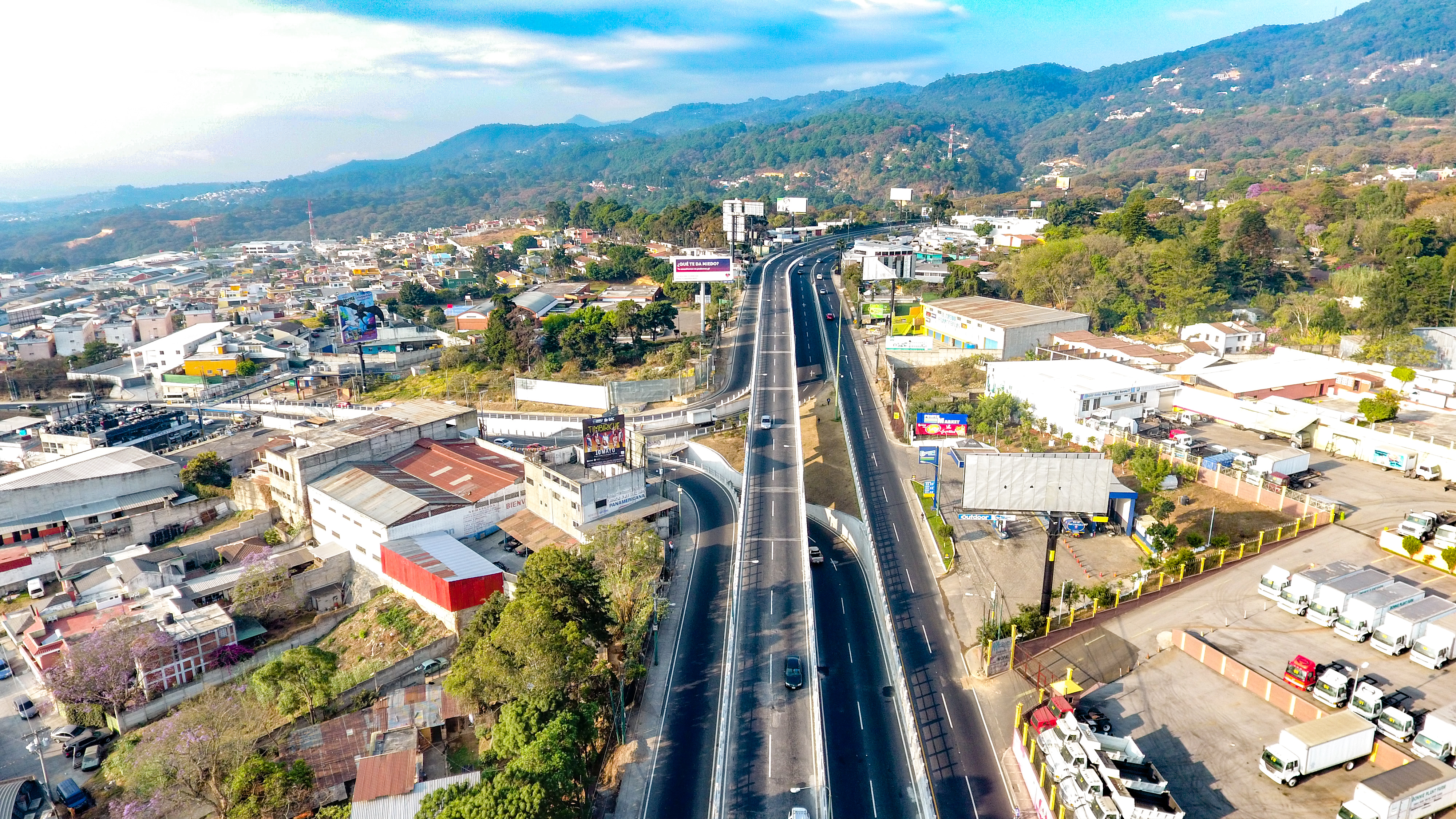 42
42The housing and address requirement, and where people get it wrong
You need a Guatemala address on paper before you can complete the application, typically via a rental contract, and this is where sequencing trips people up more than the paperwork itself. The common mistake is booking a short-term Airbnb for the first month, using that address to file, and then moving to a longer-term place once the visa comes through. Immigration doesn't require the lease to run for years, but a contract that expires before your permit does, or one that doesn't match the address you list elsewhere in the application, is an easy thing for a reviewer to flag even if it's ultimately harmless.
The cleaner approach is to treat the housing search as step one, not step three. Spend your first two to four weeks in the country on the tourist entry actually looking for a place you'd sign a real lease on, ideally six months or longer, before you touch the visa paperwork. Landlords in Antigua and Zona 14 in Guatemala City are increasingly used to renting to visa applicants and will often provide a formal contract with less friction than landlords elsewhere in the country, where informal cash arrangements are still the norm and getting anyone to put anything in writing takes real negotiation.
The other failure mode is subtler: address mismatch across documents. If your rental contract lists one spelling or unit number and your bank account application or IGM forms list another, that inconsistency gets caught, and it gets caught at the worst possible stage, after you've already paid the application fee and you're waiting on processing. Cross-check every address field across every document before submission. It's a small thing that costs nothing to fix early and a fair amount of time to fix late.
The gap between approval and something you can actually rely on
Most applicants enter on the 90-day tourist allowance available to US, Canadian, UK, and EU citizens, then file for the digital nomad visa while already in the country at the Dirección General de Migración office in Guatemala City. That in-country route is the reliable one. Applying from a consulate before you arrive is technically possible but the process for doing so isn't consistent enough yet to plan around, so if you want predictability, plan to be standing in Guatemala when you file.
What catches people off guard is what the approval actually gets you. The initial permit runs three months. That's not a typo and not a placeholder, it's truly a short first grant, and it means the visa you worked to get isn't a multi-year settled status on day one. It's a foothold that has to be renewed, at a renewal cost of $40, to turn into something longer. There's no interview and no medical exam required, which keeps the process itself relatively light, but processing before you even get that first three-month grant tends to run around thirteen weeks, so the arithmetic matters: you could be waiting on approval for longer than the permit itself lasts before your first renewal is due.
That sequencing means you should file for renewal well before the three months are up, not after, and you should keep every income document you used for the original application current and refreshed rather than assuming the first submission carries you through. Local work isn't permitted at any point in this chain, and there's no local income allowance, so plan your finances entirely around foreign-sourced income for as long as you're on this permit. None of this makes the visa impractical. It just means the paperwork rhythm is closer to a recurring quarterly task than a one-time hurdle, and applicants who treat it as one-and-done are the ones who end up with a lapsed permit.
The path to permanent residence looks fast on paper
A one-year runway to permanent residence is truly fast next to most digital nomad programs, and it's a real reason this visa gets more attention than its income threshold alone would suggest. But a one-year eligibility window and a one-year actual process are different things, especially once you factor in that your first permit only lasts three months and has to be renewed at least once, possibly twice, before you'd even reach the point of applying for permanent status. Each renewal is another round of the same income documentation, which means the "one year to PR" clock is really running in parallel with a renewal cycle that has its own friction, its own fees, and its own risk of a gap if you file late.
The practical implication is that your first year in Guatemala on this visa isn't a passive waiting period, it's an active documentation maintenance job. Keep your bank statements, your invoices, and your proof of foreign employment current on a rolling basis rather than scrambling to reconstruct six months of history right before each renewal or before the PR application itself. Apostilled background checks and sworn translations don't stay valid indefinitely in the eyes of every office, so if your original criminal background check is starting to age by the time you're approaching your PR window, get a fresh one rather than assuming the original will still be accepted.
None of the required documents change dramatically for the PR step itself as far as substance goes, but the standard of scrutiny tends to rise once you're asking for a longer-term status rather than an initial toehold. Officers reviewing a PR file are more likely to cross-reference your renewal history against your original application than they were the first time around, so any inconsistency you let slide in year one, an address that shifted without an update, an income source that dropped off between renewals, is more likely to surface as a question at the PR stage than to simply disappear.
Guatemala against the neighborhood
The obvious alternative for someone weighing Central America is a country like Panama or Costa Rica, both of which market similar remote-work visas to the same audience of US freelancers and remote employees. The honest comparison isn't about which country has better beaches or better internet, it's about what each is actually optimizing for. Guatemala's combination of a $2,000 monthly income floor and a truly fast nominal path to permanent residence makes it a stronger fit for someone who wants to plant real roots relatively quickly and is comfortable doing renewal paperwork more than once in the first year to get there. Countries built around longer initial permits trade that renewal friction for a slower path to anything resembling settled status.
Where Guatemala asks more of you is in the income proof itself, since neither pension income nor social security counts toward the threshold, which quietly rules it out for retirees leaning on those sources even though the headline income number looks low enough to qualify almost anyone. If your income is entirely pension-based, this isn't your visa regardless of how attractive the other terms look, and that's worth settling before you spend time on documentation rather than after.
For a remote worker earning solidly above the threshold from active client or employment income, the decision comes down to how much you value speed to residency against tolerance for a recurring paperwork cycle. If you'd rather file once and mostly forget about it for a couple of years, a program with a longer initial grant elsewhere may suit you better. If you want to be on a path to something more permanent within a year and don't mind renewing along the way, Guatemala's structure is built for exactly that, and the territorial tax treatment on top of it makes the arithmetic easier for anyone whose income is fully foreign-sourced to begin with.
Work Permissions
Application Steps
- 1
📋 Verify your nationality eligibility
Same day
- 2
📄 Gather proof of remote income
1-2 weeks
- 3
📄 Prepare identity and travel documents
1-2 weeks
- 4
📋 Arrange comprehensive travel health insurance
1-2 weeks
- 5
📋 Contact Dirección General de Migración for current requirements
1-3 days
- 6
📬 Submit application to immigration authority
Same day
- 7
⏳ Wait for visa approval
15 days to 2 months
- 8
🏛️ Collect your digital nomad visa
Same day
- 9
🏛️ Register with your embassy if required
1-2 hours
- 10
🏛️ Plan your visa renewal before expiration
Ongoing
Planning a long stay? Compare international health plans for Guatemala.
Compare health insuranceWe may earn a commission at no cost to you.
Compare this visa
Curated comparisons that include this route.
Frequently Asked Questions
Click any question to expand the answer.
Ready to Apply?
Work with trusted visa specialists who handle the paperwork so you can focus on your move.
Get help with this visa →* We may earn a commission if you apply through our link
At a Glance
Last verified: October 9, 2026