Difficulty
Difficult
Duration
24 months
Overview
Greece Independent Professional Visa Overview
This visa fits someone whose income is portable but whose work style needs geographic roots for a while, not just a stopover. It works for the freelancer who bills five figures a year from a rotating cast of US clients and wants two years in one place without pretending they're a tourist. It does not work well for someone hoping this becomes a bridge to a Greek passport, because that bridge doesn't exist here in the way people assume. The visa gives you legal footing to live in Greece while earning entirely outside it, and that's the trade it's asking you to accept: stability now, in exchange for accepting that the clock doesn't obviously run toward permanence.
The two things that most change an applicant's odds are less about the paperwork itself and more about what the paperwork implies. First, how convincingly your income reads as independent rather than disguised employment, since a single dominant client raises the same questions a consulate officer would ask a full-time W-2 hire who suddenly says they're a contractor. Second, whether your housing situation looks like something you can actually inhabit for two years, not a booking made purely to satisfy an application checklist. Officers who process these applications see the same shortcuts repeatedly, and the ones that get flagged are rarely about missing documents. They're about documents that don't line up with the story they're supposed to tell.
There's no interview standing between you and a decision, which removes one kind of stress but adds another: the paper file has to do all the convincing on its own, with no chance to explain an odd detail in person. That changes how you should build the application from day one, favoring documents that are self-explanatory over documents that are merely technically compliant.
Eligibility Requirements
Duration
24 months
Requirements Checklist
Tax Information
Tax obligations vary by country and visa type. Most countries require visa holders to pay income tax on income earned within the country.
Some countries offer favorable tax regimes for remote workers and digital nomads, with reduced rates or tax exemptions for foreign-sourced income.
Consult a tax professional familiar with both your home country's laws and the host country's regulations.
Living in Greece
COL Index vs NYC
46.5
Monthly Cost (excl. rent)
$894
1BR Rent (City Center)
$560
Safety Index
53.6
Healthcare Index
58.5
Quality of Life Index
138.1
Time Zone
UTC+02:00
Capital
Athens
Population
10.7M
Official Languages
Greek
Avg Internet Speed
182 Mbps
Public Transit Quality
Good
With a budget covering rent and living costs, you'd need roughly $1,454/mo for a comfortable single-person lifestyle in Greece.See how far your money goes →
🏙️ Best Cities in Greece for Freelancers
 72
72 ✦ 82
✦ 82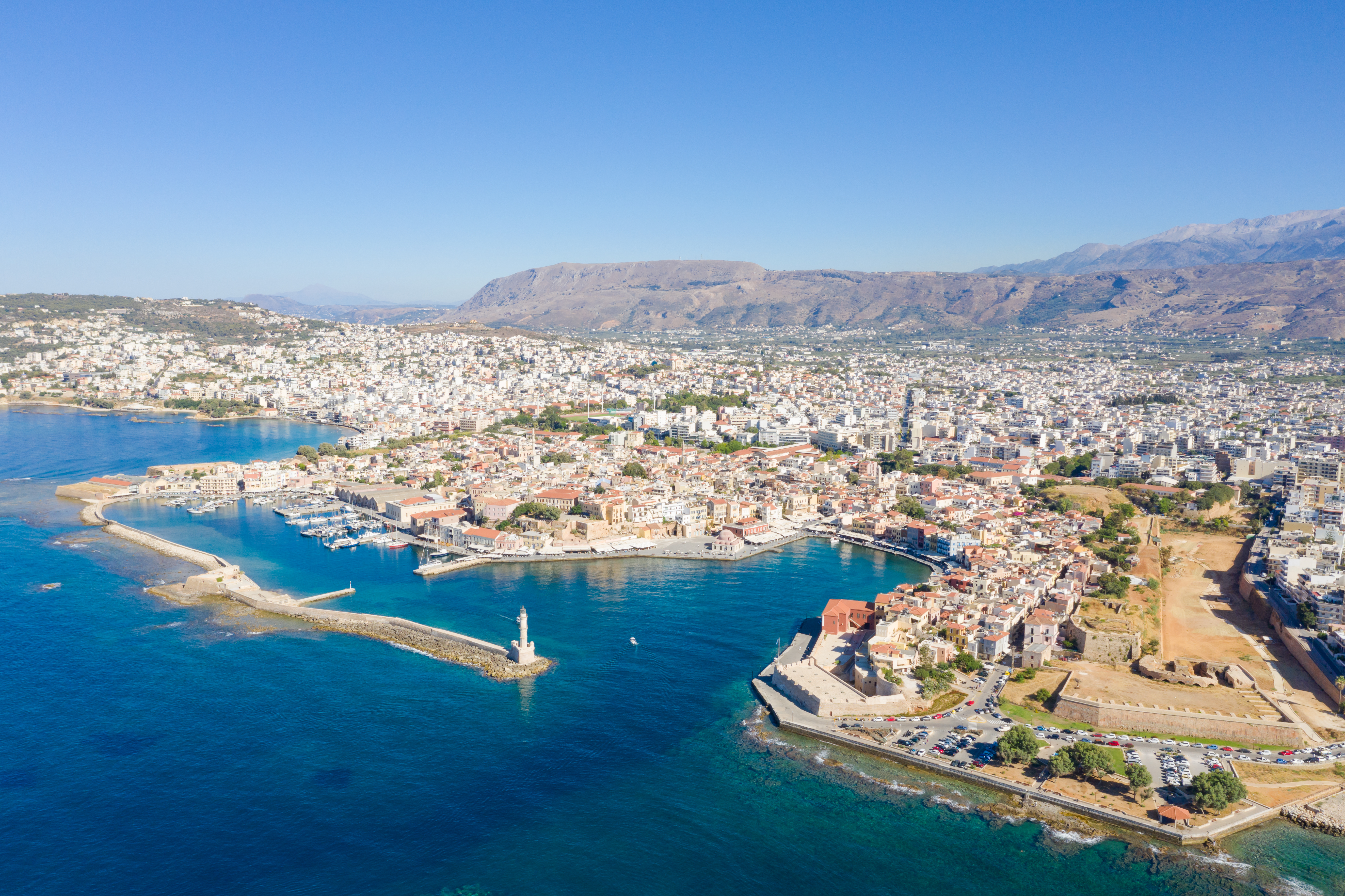 71
71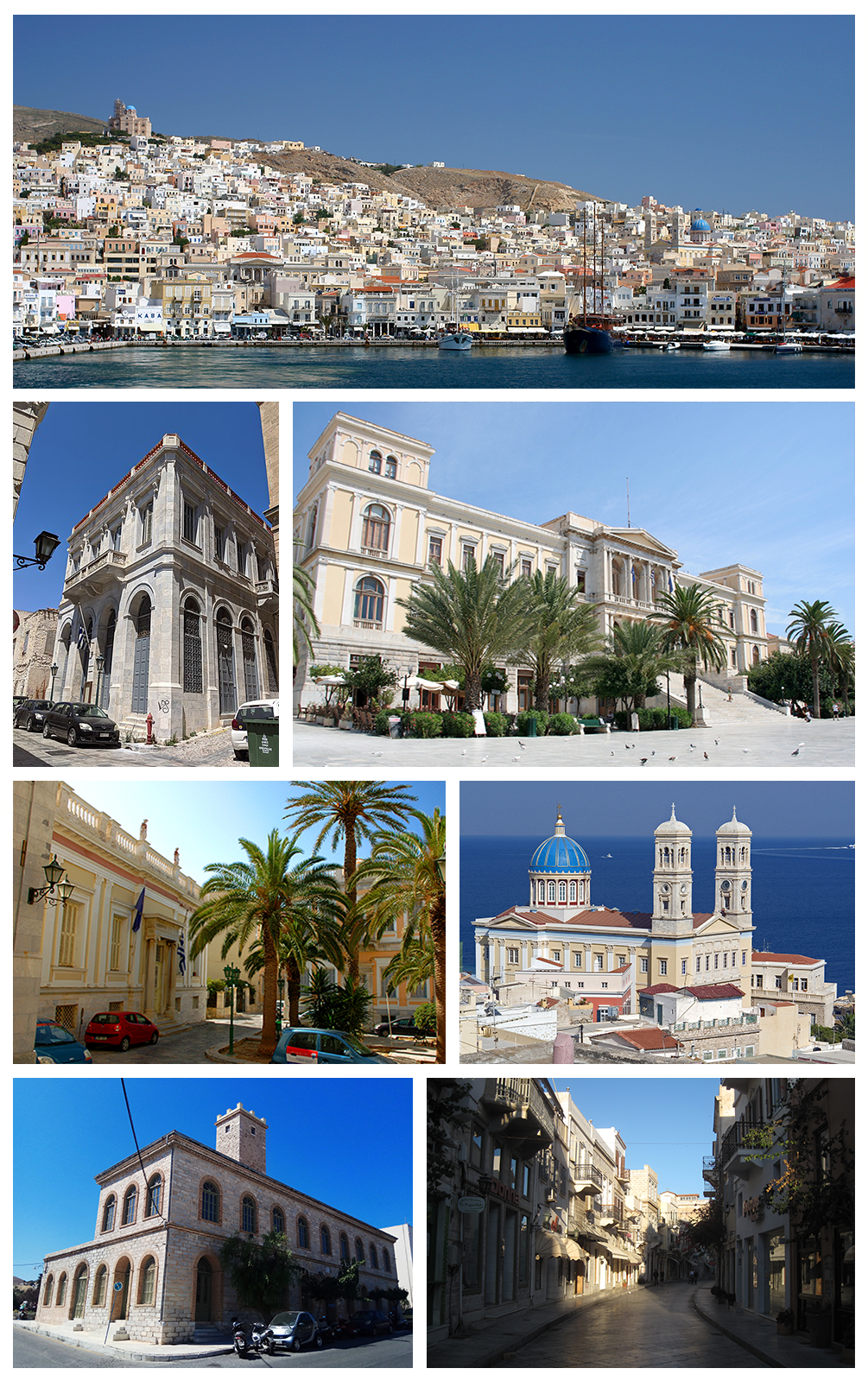 ✦ 75
✦ 75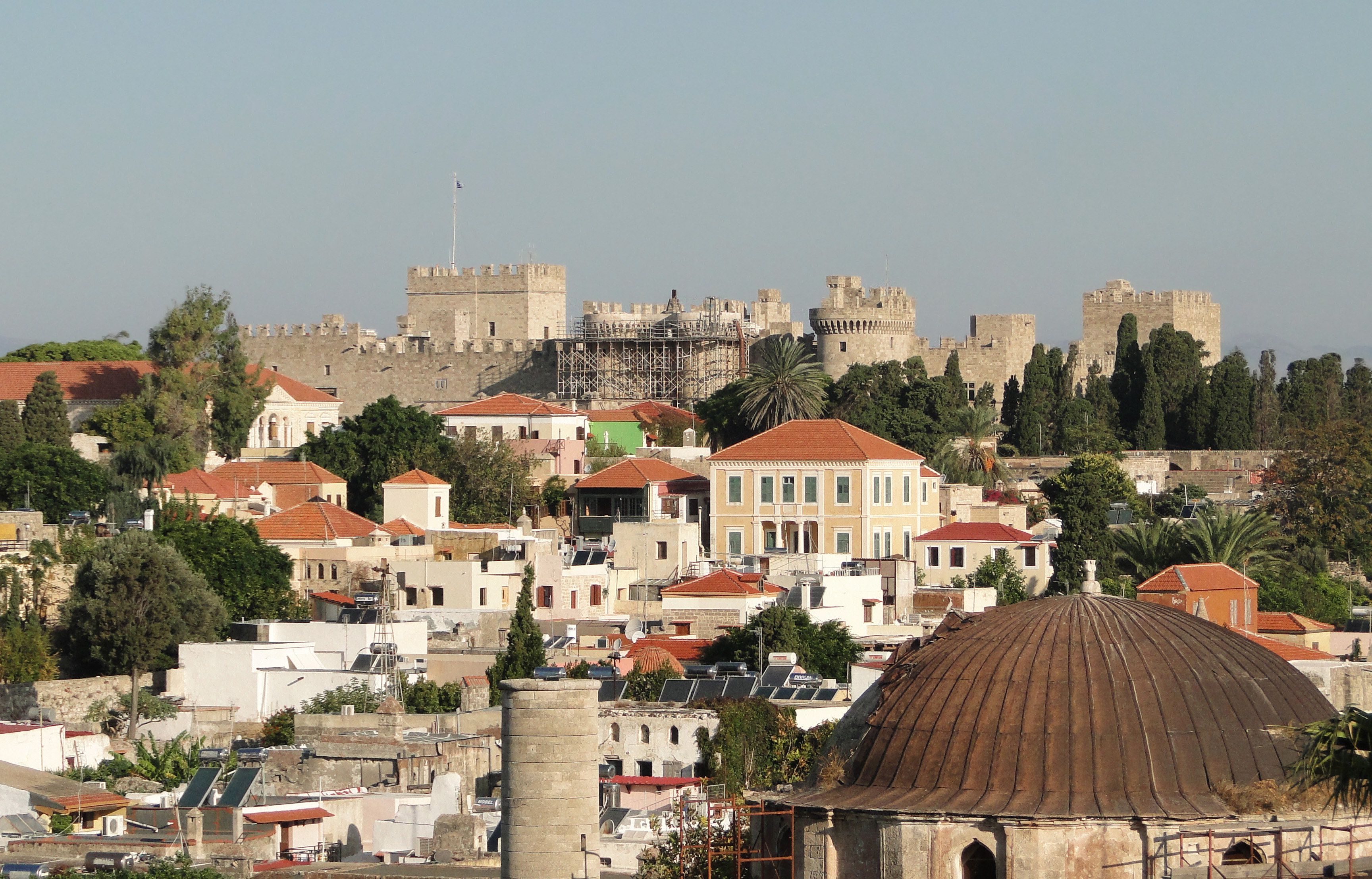 71
71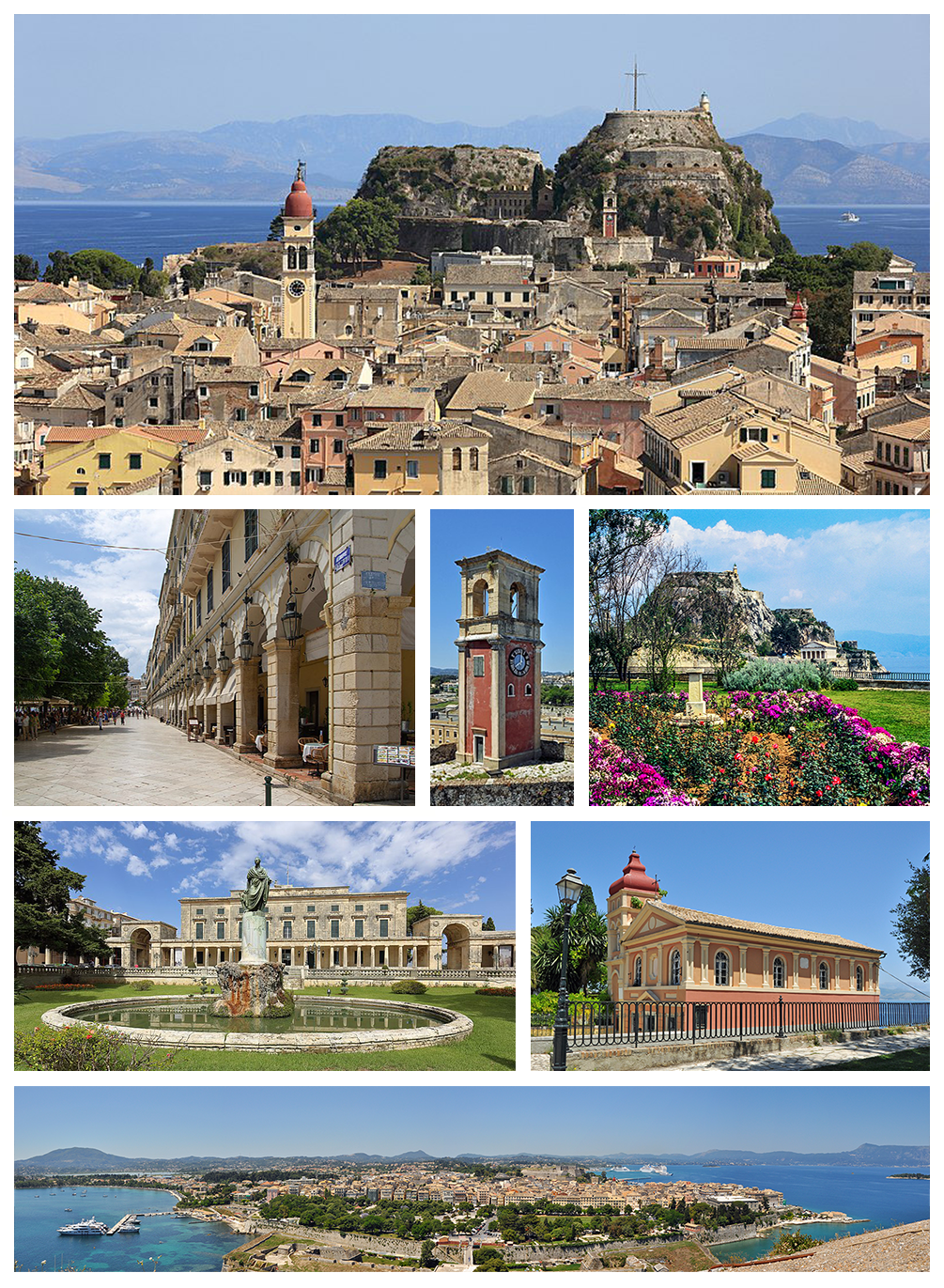 74
74Getting the income documentation story straight before applying
The mistake people make with this visa isn't submitting too little income proof, it's submitting proof that tells the wrong story. A freelancer who's spent the last year invoicing one agency at a fixed monthly rate looks, on paper, like an employee who happens to invoice instead of receiving a paycheck. That's the exact profile that draws a second look, because the whole premise of an independent professional visa is that you don't depend on a single employer-shaped relationship. If most of your income comes from one source, expect that source to get scrutinized for what it actually is.
The fix isn't fabricating client diversity you don't have. It's sequencing your application around the income history you can actually document cleanly. Pull together invoices that show a spread of clients where possible, and if you truly work with one or two, make sure the contracts describe deliverables and project scope rather than hours and availability, since the latter reads as employment regardless of what you call it. Bank statements matter less than the underlying paper trail that explains where each deposit came from. A lump sum with no invoice behind it is the kind of thing that gets a file returned for clarification, which costs you weeks you didn't plan for.
Because local work isn't permitted on this permit, your entire income case has to hold together as work performed for people and companies outside Greece. That sounds obvious until you're the freelancer who picks up a small local client six months in without thinking about what that does to your compliance picture. It's a quiet trap: nothing forces you to declare it immediately, but it sits there as a liability if your file ever gets reviewed at renewal.
One more thing worth building early: consistency of naming and detail across every document. Invoices, contracts, and bank records that spell your business name three different ways look sloppy at best and evasive at worst, and there's no interview where you get to explain that it's just how your invoicing software formats things.
The housing requirement and how people get it wrong
Address proof causes more delay than almost anything else in this process, and it's rarely because people can't find housing. It's because they solve the wrong problem. A one-week Airbnb booking satisfies the letter of "show us where you'll live" while signaling to anyone reviewing the file that you haven't actually committed to being there. Officers who see hundreds of these applications can tell the difference between a booking made to check a box and a lease that reflects an actual plan to occupy a place for the duration of a two-year permit.
The harder issue is the chicken-and-egg problem: landlords in Greece are often reluctant to sign a long lease with someone who doesn't yet have a Greek tax number or local presence, and you can't easily get either of those without an address. The workaround most people land on is negotiating a shorter initial lease with an option to renew, sometimes six months, sometimes tied to whenever a landlord is comfortable extending sight-unseen. That's a reasonable compromise. What isn't reasonable is paying a full year's rent upfront just to look committed on paper, since that kind of front-loaded deposit can itself read as an attempt to manufacture stability rather than demonstrate it.
There's no requirement here to open a Greek bank account, which removes one layer of complexity but doesn't remove the underlying issue: you still need a housing document that a case officer would recognize as normal, not staged. A lease with a Greek address, a landlord's contact information, and terms that resemble an actual tenancy will do more for your file than anything notarized or elaborate. Skip the temptation to over-produce this part of the application. The goal is plausibility, not volume.
What happens after you land
Getting the visa stamped into your passport is the beginning of a second process, not the end of the first one. What you're issued at the embassy lets you enter and start living in Greece, but it isn't the residence document you'll be carrying around two years from now. There's a local step after arrival where that entry authorization gets converted into the actual permit you'll rely on for renewals, travel documentation, and proof of status if anyone asks. People who treat the embassy stamp as the finish line tend to get caught out by this gap, sometimes traveling internationally on paperwork that doesn't yet reflect their actual status.
Because there's no medical exam and no interview built into this track, the friction shifts almost entirely to document completeness rather than in-person scrutiny. That's a mixed blessing. It means you're not managing nerves in front of an official, but it also means nobody's going to catch a small inconsistency for you in real time. Whatever gap exists between what you submitted and what's true tends to surface later, usually at renewal, when it's a much less convenient time to explain it.
The permit itself runs for twenty-four months initially and is renewable, which gives you real runway to build a life rather than scrambling every few months. But renewability isn't automatic in the sense of a formality. It depends on your continued income profile looking the way it did when you applied, and on not exceeding the absence threshold that governs how much time you can spend outside Greece and still be considered a continuous resident. Three hundred days of allowed absence sounds generous, and it is, but it's not a number to plan your travel around casually. Track it the way you'd track any compliance deadline, not as a vague sense of "I haven't been gone that long."
The long-term path requires more than patience
Here's the part that surprises people who assumed every renewable residence permit eventually turns into something permanent: this one doesn't lead to permanent residency. You can renew it, live in Greece for years, build a real life there, and still not be accumulating time toward the kind of status that removes the need to renew at all. That's not a flaw in the visa so much as a design choice, but it's one that gets glossed over by anyone comparing visas on a spreadsheet of durations and fees without asking what the years actually add up to.
What that means practically is that anyone thinking five or ten years out needs a second plan layered on top of this one. Maybe that's switching to a different residence category once you qualify for it, maybe it's accepting that Greece is a multi-year chapter rather than a final destination, and maybe it's simply deciding that isn't a priority right now. All three are legitimate. What isn't legitimate is drifting into year three assuming the renewals are quietly building toward something they aren't.
This also changes how you should think about the sunk cost of relationships you build while on this permit. If part of your calculation is a Greek property purchase, a partner's residency status, or a business you're setting up locally, none of that converts your own time on this visa into progress toward settlement. It runs in parallel, not in sequence.
The honest way to hold this is: treat the visa as excellent for what it's built for, which is letting you live and work from Greece with minimal friction and no requirement to justify your presence there beyond the income you already have. Treat it as the wrong tool if your real goal, underneath the relocation, is a passport.
Greece against the obvious alternative
The comparison most people run in their head is this visa against a straightforward digital nomad visa, either in Greece or in a country with a similar product. The instinct is to treat them as interchangeable because both let a remote earner live somewhere new without local employment. They're not quite that.
The independent professional route treats you as someone building an actual freelance practice with clients, invoices, and an income history that has to hold up to review, even without an interview. A pure digital nomad product tends to be built for someone who wants to prove income exists without much interest in how that income is structured, which can be faster to assemble but sometimes shorter in duration and less forgiving on renewal because the whole framework wasn't designed around an ongoing local presence.
If your freelance income is truly diversified across clients and you can document it cleanly, the independent professional visa rewards that with a two-year runway and the option to bring dependents, which matters if you're not doing this alone. If your income is thinner on paper, comes from one source, or you'd rather not build an invoicing narrative that withstands scrutiny, a nomad-style visa elsewhere might ask less of you upfront, even if it gives you less time and less room to plant real routine.
The decision isn't which country is nicer or which fee is lower. It's whether your income documentation is strong enough to make the independent professional route worth the extra rigor, or whether you'd rather trade some of that rigor for a shorter, looser arrangement somewhere else. Most people already know which category their income falls into before they start comparing visas, they just haven't admitted it yet.
Work Permissions
Application Steps
- 1
Research
Verify all requirements for this visa type and country
- 2
Gather documents
Obtain all required documents (passport, financial statements, health insurance, etc.)
- 3
Complete application
Fill out the official application form
- 4
Submit application
Submit all documents to the appropriate consulate or online portal
- 5
Pay fees
Complete payment of application and visa fees
- 6
Attend interview
If required, attend any scheduled interviews
- 7
Wait for decision
Processing times vary from weeks to months
- 8
Travel and activate
Once approved, travel to the country and complete any activation requirements
Frequently Asked Questions
Click any question to expand the answer.
Ready to Apply?
Work with trusted visa specialists who handle the paperwork so you can focus on your move.
Get help with this visa →* We may earn a commission if you apply through our link
At a Glance
Last verified: October 9, 2026