Application Fee
$18
Processing Time
9-17 wks
Difficulty
Moderate
Duration
60 months
Path to Citizenship
7 years
Overview
A $285,465 investment is the floor here (as of 2026), and the qualifying menu is wider than property alone: real estate, bonds, funds, business, and capital investments all sit inside the program. For a reader living off $3,800 a month from ETF dividends plus rental income, the threshold question is not monthly income, there is no published minimum monthly income, but a minimum savings requirement of $570,930 applies as of 2026, and whether the money is already in a form that can be parked in Greece for the residence permit. Local work is not permitted.
The residency side is unusually light: physical presence is 0 days per year, so a split-year setup does not get tripped up by time in Greece. The permit runs for 60 months and is renewable, with no current need to count nights just to keep it alive. That also means someone who wants a paper residence card and Schengen mobility without relocating full-time gets a very different deal from a move-first visa.
This route leads to permanent residence immediately, with 0 years to PR, and citizenship becomes available after 7 years. That 7-year clock matters because Greece is not selling a quick passport; the real endpoint is naturalization after residence and integration, not an investment-only shortcut. Dependents are allowed, but local employment stays off the table.
The friction sits in the document stack, not the day count. Health insurance is required, but an apostille is not, an FBI background check is not, a medical exam is not, and an interview is not. The application fee is $18 and the renewal cost is $17 per year, which is low; the bureaucracy score of 2/5 matches a process that is paperwork-heavy but not punishing. Processing time runs about 17.3 weeks as of 2026.
This makes most sense if you have $285,465 in deployable capital as of 2026, want 0 required days in Greece, and are content to let the 7-year citizenship track unfold later. It is a poor fit if you need to earn locally, want a monthly income route, or need a defined processing timeline before committing funds.
Eligibility Requirements
EU citizens do not need this visa, because EU free movement already covers the right to live in Greece. This program is for non-EU nationals, which includes Americans, Canadians, Australians, Brits, and other Western passport holders who do not hold EU citizenship.
EEA nationals from Norway, Iceland, and Liechtenstein sit outside the EU but inside the wider free-movement framework, so they do not need to use this route in the way a U.S. passport holder would. Switzerland is separate from the EU and EEA, but Swiss citizens also do not use a Greek golden visa to move around Europe the same way a non-EU investor does. Post-Brexit UK nationals are non-EU and therefore fall into the eligible pool for this program as long as they are not using an EU passport.
Dual nationals who hold any EU passport should use that passport instead of applying under the Greek Golden Visa. That path is faster, cheaper, and avoids tying up $270,000 in qualifying investment just to obtain a right they already have.
Min Savings
$570,930
Min Investment
$285,465
Application Fee
$18
Renewal Cost
$17/yr
Min Age
18 yrs
Duration
60 months
Physical Presence
None required
Min Lease
120 months
Requirements Checklist
0 of 17 documents in hand
0%These take the longest, so start them first.
Request these while the slow items are in progress.
You only need these on the day you submit.
How and where to apply
Non-EU nationals apply at the nearest Greek consulate or embassy abroad with investment proof post-purchase. Those already in Greece on a valid visa can apply in-country via the Ministry of Migration and Asylum one-stop service. Combine with arrival on tourist visa if needed, then finalize biometrics locally.
Tax Information
Local tax picture
Greece uses a resident tax regime, which means tax residence matters more than the visa label. The visa itself does not create tax residency, and Greek tax residency is triggered by spending 183 or more days in Greece in a year. For a person living on foreign ETF dividends, offshore rental income, or pension distributions, the key question is whether Greek residence is actually established under local tax rules, because once you are a Greek tax resident the country can tax worldwide income under its resident framework. Remote salary and self-employment income are not given any special carve-out under this visa.
Capital gains on foreign investments are taxed at a flat 15% rate for individuals once resident, so there is a clear starting point here for FIRE investors selling index funds from a foreign brokerage. The golden visa itself does not include a remittance basis or a named preferential regime, so the conservative reading is: once you become a Greek tax resident, assume the local resident regime applies unless a separate Greek tax advisor confirms an exemption or special treatment for a specific asset class.
Local filing mechanics vary by case and are not detailed here. Greece and the United States do have an income tax treaty, dating to 1950 and since amended, though it is relatively dated, so any treaty-based assumption for an exit plan or dividend strategy should be confirmed with a tax advisor.
For US Citizens and Green Card Holders
- FEIE (Form 2555) covers earned income only: remote work, consulting, and self-employment income up to the 2026 limit of $132,900. - FEIE does not cover dividends, capital gains, pension distributions, or Social Security, which is the main issue for passive-income and FIRE holders. - With 0 days per year required for the visa itself, the Physical Presence Test is not driven by Greece; if you spend 330 days in a 12-month period outside the U.S., that test can support FEIE for earned income, but it does nothing for portfolio income. - FTC (Form 1116) only helps when Greek tax on a covered income stream exceeds the U.S. tax on that same stream. If your Greek tax rate on foreign dividends or gains is zero or below the U.S. rate, the FTC will not shelter the U.S. liability. - FBAR (FinCEN 114) applies if your foreign financial accounts exceed $10,000 at any point in the year, separate from FATCA Form 8938.
A Greek residence permit often comes with local banking and tax-registration chores even when the visa itself does not say so in the facts, so a US CPA who handles FEIE, FTC, FBAR, and Form 8938 plus a local Greek tax advisor for residency and filing is the right year-one stack. The $1,500–$3,000 spent on that setup can be cheaper than one missed FBAR filing or a bad residency/tax assumption.
Living in Greece
COL Index vs NYC
46.5
Monthly Cost (excl. rent)
$894
1BR Rent (City Center)
$560
Safety Index
53.6
Healthcare Index
58.5
Quality of Life Index
138.1
Time Zone
UTC+02:00
Capital
Athens
Population
10.7M
Official Languages
Greek
Avg Internet Speed
182 Mbps
Public Transit Quality
Good
With a budget covering rent and living costs, you'd need roughly $1,454/mo for a comfortable single-person lifestyle in Greece.See how far your money goes →
🏙️ Best Cities in Greece for Golden Visa Holders
 66
66 66
66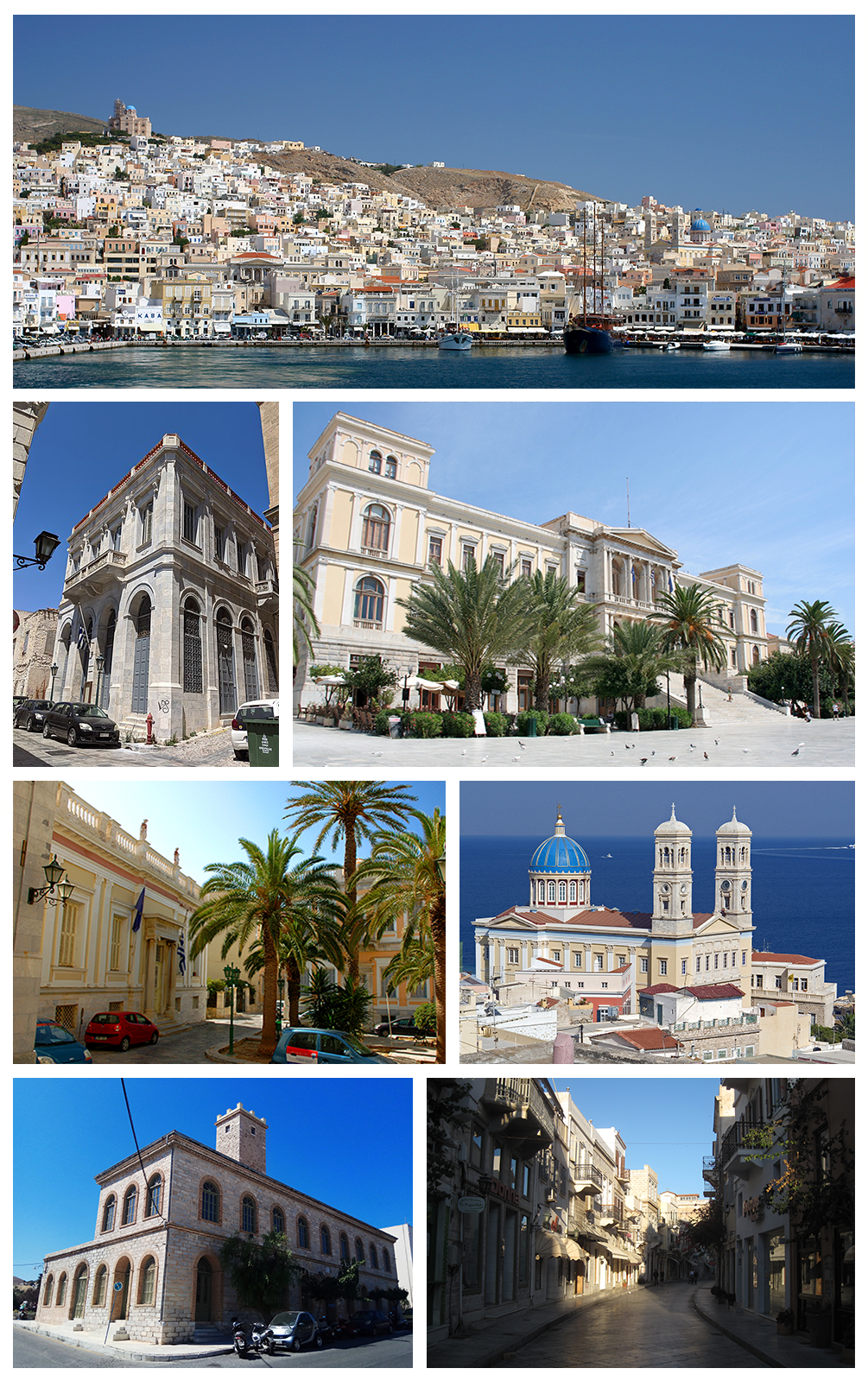 67
67 64
64 66
66 70
70Getting the income documentation story straight before applying
People come into a golden visa expecting the same paperwork fight as a salary-based residency visa, pay stubs, employer letters, tax returns lined up in a folder. That's not really what this program is checking. What it's checking is whether the money behind the investment can be traced cleanly, and whether there's enough of it sitting outside the transaction to suggest the buyer isn't leveraged to the edge of the purchase price.
That second part matters more than people think. The savings threshold here runs close to double the actual investment amount, at roughly $570,930 against a $285,465 property minimum (as of 2026). Read that as a liquidity cushion the receiving bank and the consulate want to see before they release the file for approval, not as an additional cost. It's proof you're not borrowing against a mortgage back home to make this work, which is exactly the kind of thing that gets a file pulled aside for a second look.
The sequencing mistake shows up early. Freelancers paid through Stripe, Deel, or a mix of US and international clients often have income spread across three or four accounts, which is fine for tax purposes but looks messy when a Greek notary or bank compliance officer is trying to reconstruct where the purchase money originated. Consolidate the funds into one clearly labeled account well before you sign anything, and let the transfer sit there for a stretch rather than moving it in right before the contract date. A large, sudden deposit right before a real estate closing reads as staged even when it isn't, and Greek banks under EU anti-money-laundering rules will ask for an explanation you'd rather not be improvising under time pressure.
Crypto-derived funds deserve their own line here. If any portion of the investment traces back to a wallet rather than a bank, expect additional scrutiny and plan for it well in advance rather than discovering it mid-transaction. None of this requires a lawyer to manage, but it does require starting the money trail months before you start looking at listings.
The property requirement and where people get it wrong
There are effectively two ways into this program: an outright purchase, evidenced by a signed final purchase contract and title deed, or a long lease arrangement running a minimum of 120 months, ten years, typically used for hotel or tourist-residence style properties rather than a home you'd actually live in. Most applicants default to the purchase route without seriously weighing the lease option, and for a remote worker who has no intention of occupying the property, that default isn't automatically the right call. The lease route locks you into a ten-year commitment with a landlord or developer instead of a mortgage-free asset you fully control, and it trades ownership upside for a lower entry threshold in some cases. Worth pricing out both before assuming purchase is obviously better.
The mistake that actually derails timelines is signing a preliminary agreement and treating it as done. Greek property transactions run through a notarial process, and what the file needs is the final, executed contract and the registered title deed, not a reservation agreement or a deposit receipt. Applicants who move to book their consulate appointment on the strength of a preliminary contract end up waiting on the actual closing anyway, just later and with less flexibility on the calendar.
The other recurring problem is the encumbrance certificate from the land registry. Buyers assume a clean sale means a clean title, but liens, unresolved inheritance claims, and unregistered boundary disputes are common enough in the Greek property market that skipping a proper title search before signing has cost more than one applicant months of delay resolving something the seller should have disclosed. Get the encumbrance certificate pulled before you're emotionally attached to a property, not after.
What happens after approval, and the gap people don't expect
If you're outside Greece, the standard route is applying at the nearest Greek consulate with investment proof already in hand, meaning the purchase or lease has to be finalized first. If you're already in Greece on a valid visa, the Ministry of Migration and Asylum's one-stop service handles it in-country instead, and a common approach is entering on a tourist visa and finalizing biometrics locally once the paperwork is ready. Either path converges on the same requirement: biometric data has to be submitted in Greece in person, so at some point physical presence is unavoidable even though ongoing residence isn't.
Processing runs about
Work Permissions
Application Steps
- 1
📋 Research qualifying investments
1-4 weeks
- 2
📄 Gather identity and financial documents
2-4 weeks
- 3
📄 Complete investment purchase
2-6 weeks
- 4
📅 Book consulate appointment
1-2 weeks
- 5
📬 Submit visa application
Same day
- 6
⏳ Wait for approval and travel
1-3 months
- 7
🏛️ Register address in Greece
1-2 weeks
Compare this visa
Curated comparisons that include this route.
Frequently Asked Questions
Click any question to expand the answer.
Ready to Apply?
Work with trusted visa specialists who handle the paperwork so you can focus on your move.
Get help with this visa →* We may earn a commission if you apply through our link
At a Glance
Last verified: October 9, 2026