Min Monthly Income
$4,225
Application Fee
$107
Processing Time
12-13 wks
Difficulty
Moderate
Duration
48 months
Overview
Germany’s EU Blue Card is built around one core reality: you only qualify if you have a concrete W‑2-style job offer paying at least USD 4,225 per month (per program rules) from an employer, plus a recognized university degree or equivalent IT experience. Dividends, rental income, ETF withdrawals, pensions, or Social Security do not move the needle for eligibility, and this visa is not designed for someone living purely off passive income. Remote employment income can count, but only if it is structured as formal employment (not freelance) and tied to work in Germany.
The residence permit is granted for up to 48 months and is renewable, with a listed renewal cost of about USD 100 per year. Under current rules, it leads to permanent residence (Niederlassungserlaubnis) after 3 years for standard cases, which is faster than German “regular” skilled-worker permits that often require longer before settlement. The exact years-to-citizenship timeline varies, but a Blue Card holder planning a 10‑year move can treat this as a clear, codified route to long-term status rather than a revolving temporary visa.
Physical presence requirements and maximum consecutive absences vary by case. In practice, the Blue Card is a residence title, not a commuter pass; it is issued on the assumption that you actually live and work in Germany, not that you keep an apartment in Berlin while spending 10 months a year in Thailand. If you intend a bi-continental life, the absence rules and the link between residence status and German tax residency need to be understood before you start splitting the year.
On the bureaucracy side, the friction is moderate: application fees are around USD 107, processing time runs 12–13 weeks, and you must show recognized academic credentials and health insurance but no apostille, FBI background check, or medical exam according to program rules. A local bank account is not legally required for the visa itself, but many employers and landlords will expect one once you arrive. The absence of a formal in-person interview requirement and no mandated medical exam keeps the Bureaucracy Score relatively low at 1.94/5.
This route makes most sense if you have, for example, a USD 5,500/month remote employment contract that can be localized to Germany and you want a 3‑year path to permanent residence inside the EU. It is a poor fit if your plan is to live in Germany off USD 3,800/month from US rental income and ETF dividends, with no intent to hold a qualifying employment contract tied to Germany.
Eligibility Requirements
EU citizens, including those from all EU and EEA member states, already have free movement and work rights in Germany and do not need or use the EU Blue Card. The program is aimed at “third-country nationals” – anyone who is not a citizen of an EU member state.
Common confusion points: Norway, Iceland and Liechtenstein are in the EEA, and their citizens enjoy similar free movement; they do not apply for a German EU Blue Card. Swiss citizens fall under separate bilateral agreements with the EU and also do not normally use this route. Post‑Brexit UK nationals, however, are now treated as third-country nationals for German immigration purposes and can apply for the EU Blue Card if they otherwise qualify.
Dual nationals who hold any EU citizenship (for example, US–Irish, Canadian–Italian, or Australian–German) should enter and reside in Germany on their EU passport instead of applying for a Blue Card. Using the EU passport bypasses this visa entirely, is cheaper, and generally confers broader and more flexible rights than a third‑country national residence permit linked to a specific job.
Min Income
$4,225
Application Fee
$107
Renewal Cost
$100/yr
Duration
48 months
Remote Work / Freelance
W2 Employee (foreign employer)
Requirements Checklist
0 of 13 documents in hand
0%These take the longest, so start them first.
Request these while the slow items are in progress.
You only need these on the day you submit.
How and where to apply
Apply for the national visa at the German consulate or embassy in your home country (e.g., US consulate for US residents) with a job offer. After entry, convert to the EU Blue Card residence permit at the local foreigners registration office (Ausländerbehörde) in Germany. No online portal for initial visa; in-country issuance only for those already eligible without visa need.
Tax Information
Local tax regime and what gets taxed
Germany uses a standard worldwide-residence tax regime. Once you are tax-resident, Germany taxes your global income: your German Blue Card salary, foreign remote salary, ETF dividends from a US or Canadian brokerage, interest, foreign rental income, and most pension distributions are all within scope. There is no territorial or remittance basis: a US W‑2 salary paid into a US bank is taxed in Germany once you are resident, the same as if it were paid locally.
For a FIRE household, this means index fund dividends and bond interest from foreign accounts are taxable in Germany, as is net rental income from properties in the US, Canada, Australia, or the UK. Pension income and Social Security are generally taxable locally as well, though treaty allocations can shift which country has primary taxing rights for specific pension types. The Blue Card does not create any special exemption for foreign investment or retirement income; it simply anchors you to standard German resident rules.
Capital gains on foreign investments (such as selling Vanguard ETFs in a US brokerage) are also subject to German taxation once you are tax-resident. Germany taxes most portfolio capital gains at a flat rate (Abgeltungsteuer) plus solidarity surcharge and possible church tax; the exact effective rate is not stated in the visa rules and cannot be safely inferred here, but you should plan on a meaningful single-digit to low double-digit percentage. There is no general exemption just because the assets sit abroad.
Tax residency normally arises when you either establish a residence (Wohnsitz) in Germany or are physically present for more than 183 days in a calendar year. Blue Card holders who actually move, register their address, and work in Germany are treated as residents from that point, not from the day of visa issuance alone. There is no special non-resident option for someone who keeps the Blue Card but lives elsewhere.
New residents generally must register (Anmeldung) with the local registration office, obtain a tax ID (Steuer-ID) automatically by mail afterward, and file an annual German income tax return if they have multiple income streams or non-wage income. Deadlines are set by the German tax office; late filing can trigger penalties and interest, especially if significant foreign investment income is omitted.
Germany has an income tax treaty with the US, which helps avoid double taxation by assigning primary taxing rights and enabling foreign tax credits. The treaty covers salary, pensions, interest, and dividends, but it does not eliminate German tax on US-source income; instead, it coordinates which country taxes what and how credits are applied.
For US Citizens and Green Card Holders
US citizens and Green Card holders on the German EU Blue Card remain fully subject to US tax on worldwide income, even after becoming German tax residents. Three US tools interact with this: the Foreign Earned Income Exclusion (FEIE on Form 2555), the Foreign Tax Credit (FTC on Form 1116), and foreign reporting.
FEIE via Form 2555 applies only to earned income, such as your Blue Card salary or remote employment compensation. For 2024, up to USD 126,500 of foreign earned income can be excluded if you meet either the Physical Presence Test (330 full days abroad in any 12‑month period) or the Bona Fide Residence Test (a more subjective standard centered on genuinely settling abroad). On a Blue Card, many long-term residents end up relying on Bona Fide Residence once they are clearly established in Germany. FEIE does nothing for dividends, capital gains, US rental income, or pension distributions.
The Foreign Tax Credit on Form 1116 is usually the main shield in Germany, because Germany taxes your employment and investment income at non-trivial rates. In practice, if your effective German tax rate on salary and portfolio income is similar to or higher than your US rate, FTCs can often wipe out most double taxation, leaving residual US tax largely on items that Germany taxes lightly or differently (like some Roth distributions). If Germany taxes an income category at zero (uncommon for residents), then there are no German credits to offset US tax, and you pay full US rates.
FBAR (FinCEN 114) kicks in when your aggregate non-US financial accounts exceed USD 10,000 at any point in the year. A local bank account is not legally required for the Blue Card per visa rules, but in practice you will almost certainly open German current and savings accounts and may hold local brokerage or pension products, all of which count toward the threshold. FATCA Form 8938 can add additional reporting if your foreign assets exceed its higher thresholds. Non-willful FBAR penalties start around USD 10,000 per year, per form.
For this visa profile, the realistic play is to coordinate German and US rules from day one: structure your salary to maximize FEIE or FTC efficiency, and decide how to manage appreciated ETFs or US rentals before and after German tax residency starts. The professionals you actually need are (1) a US CPA who specializes in expat taxation, FEIE/FTC, FBAR, and Form 8938, and (2) a local German Steuerberater who understands foreign-income residents; the USD 1,500–3,000 you spend in year one commonly pays for itself in avoided penalties and smarter elections.
Living in Germany
COL Index vs NYC
58.4
Monthly Cost (excl. rent)
$1,146
1BR Rent (City Center)
$943
Safety Index
60.6
Healthcare Index
71.9
Quality of Life Index
190.2
Time Zone
UTC+01:00
Capital
Berlin
Population
83.2M
Official Languages
German
Avg Internet Speed
102 Mbps
Public Transit Quality
Excellent
With a budget covering rent and living costs, you'd need roughly $2,089/mo for a comfortable single-person lifestyle in Germany.See how far your money goes →
🏙️ Best Cities in Germany for Expats
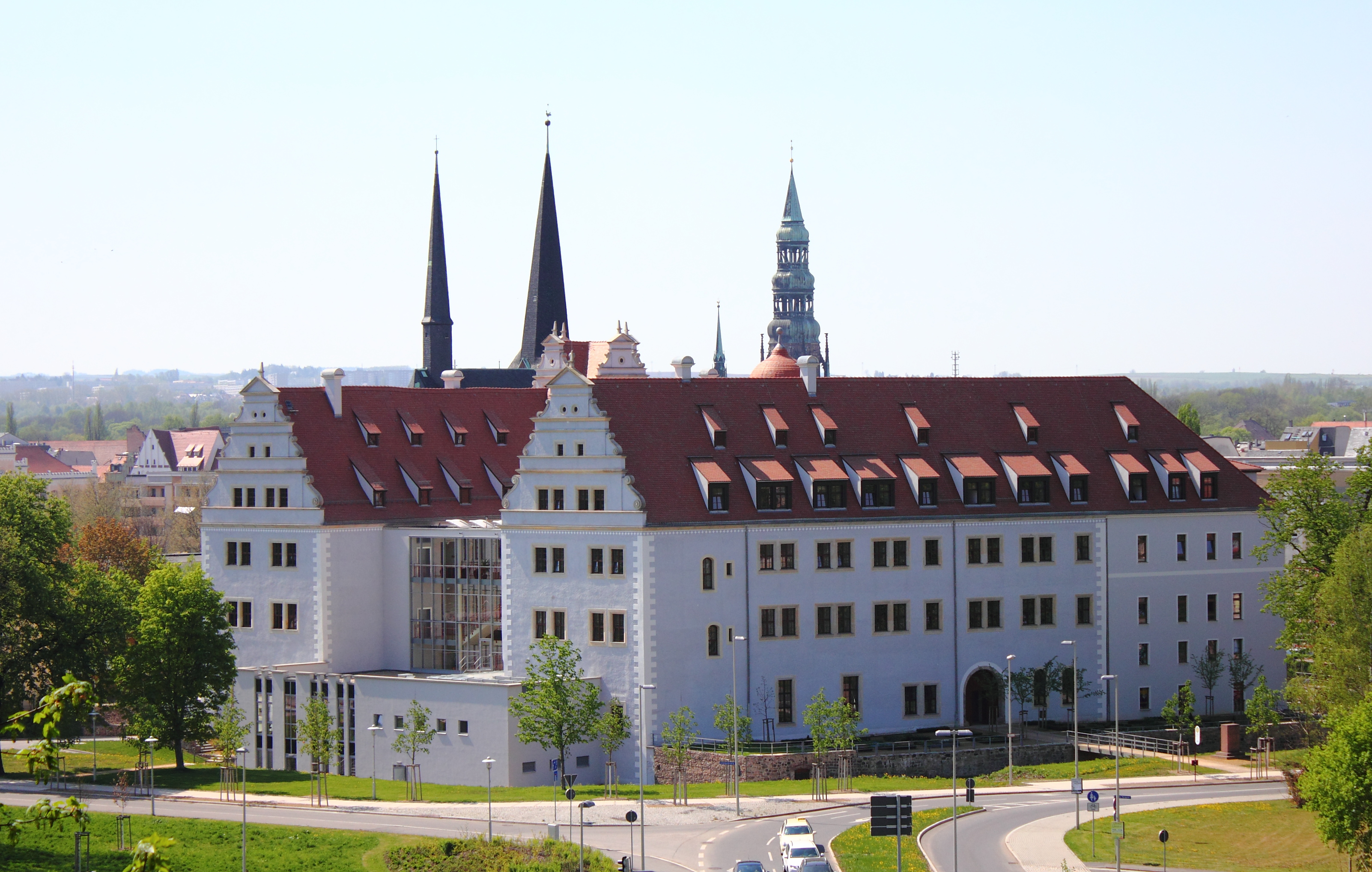 ✦ 91
✦ 91 ✦ 80
✦ 80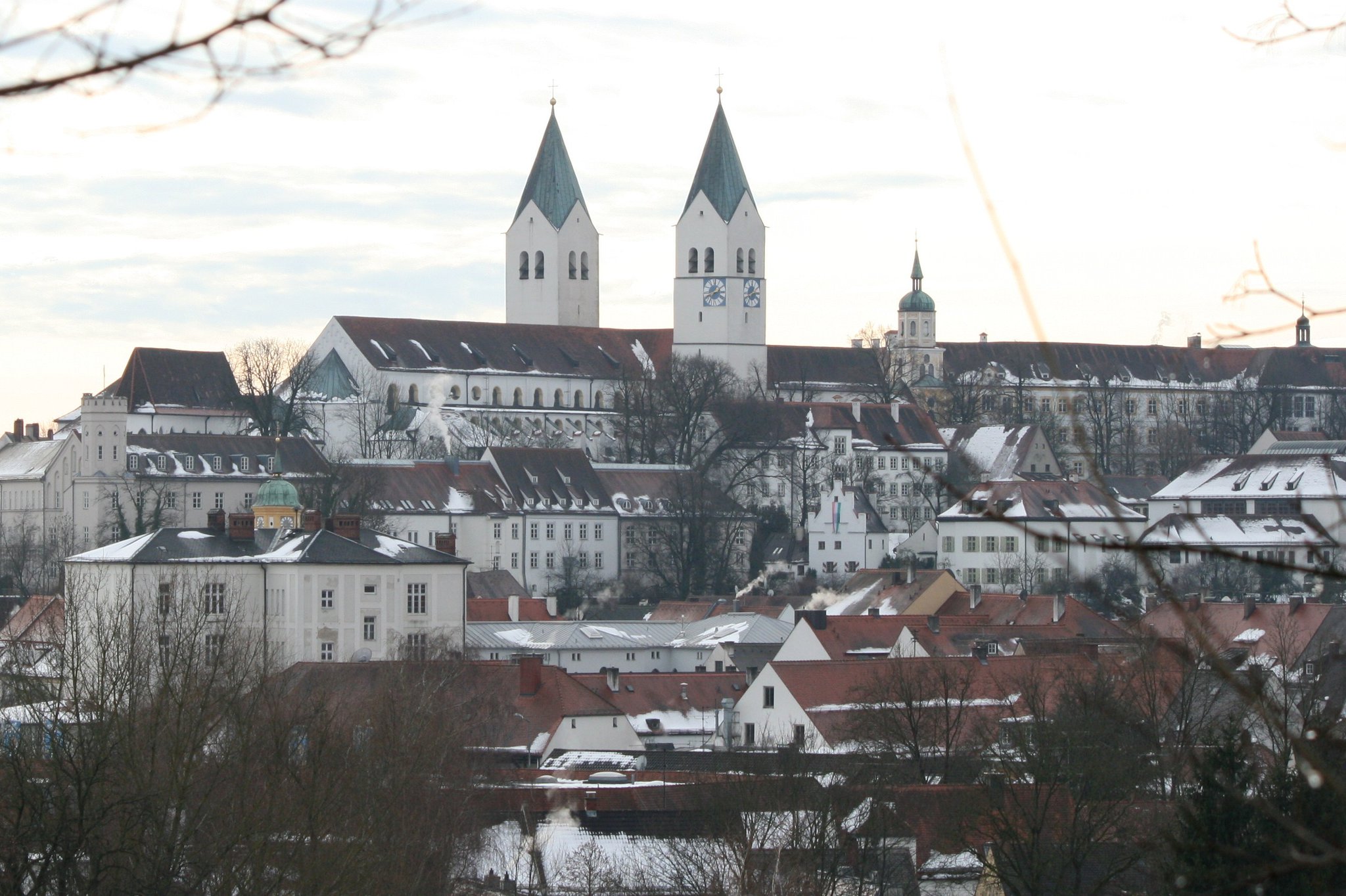 ✦ 82
✦ 82 ✦ 83
✦ 83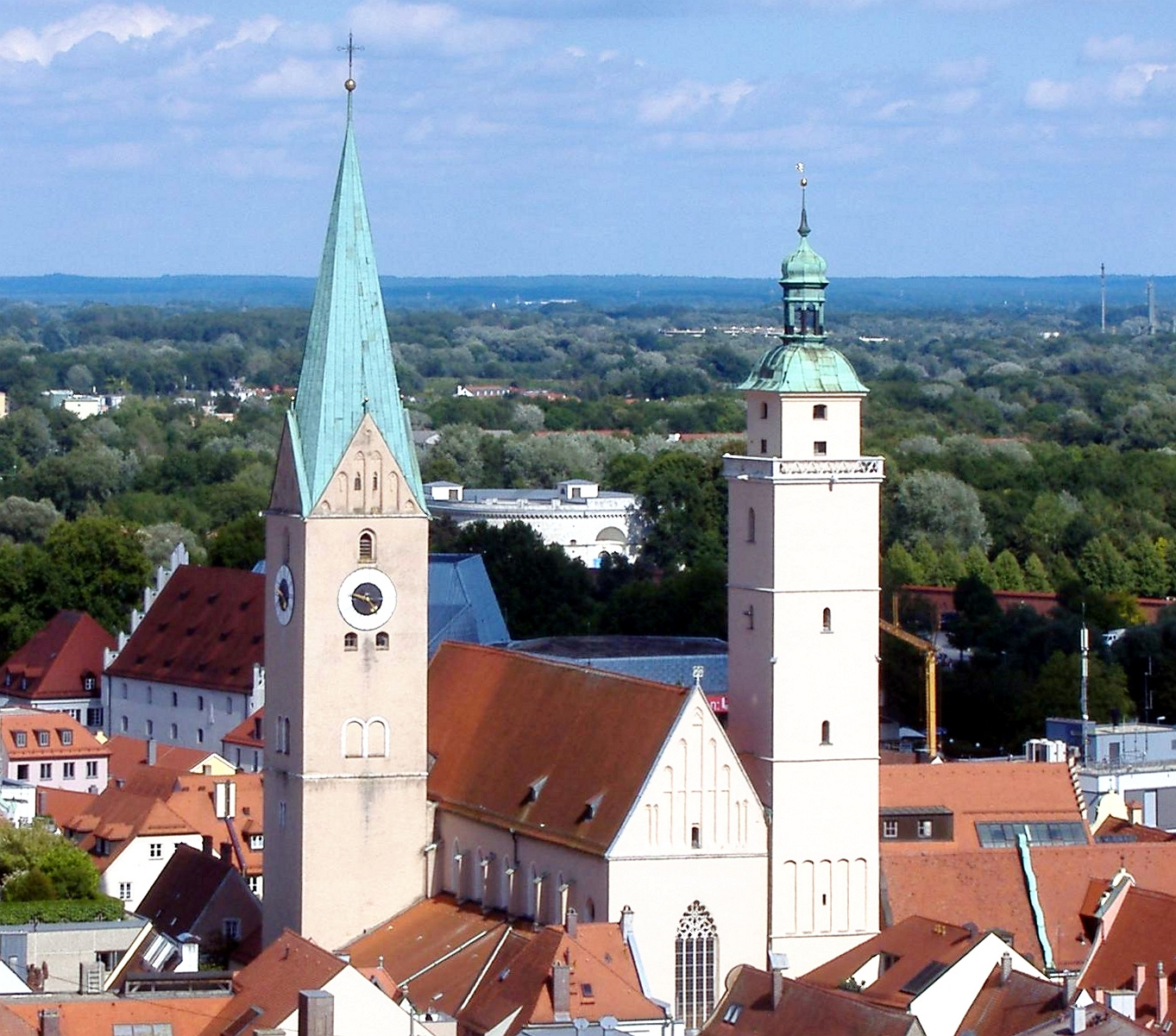 ✦ 82
✦ 82The accommodation question is really two separate problems
The checklist mentions proof of accommodation only conditionally, "if requested," which makes it easy to underestimate. The consulate rarely pushes hard on this at the visa stage. The real accommodation problem shows up after you've already landed, and it has nothing to do with the visa file.
Germany runs on address registration. You cannot open a bank account, activate health insurance properly, or get a tax identification number without first registering your address at the local citizens' office, and you cannot register an address without a landlord's confirmation that you actually live there. Plenty of landlords, especially the ones renting to newly arrived foreigners on short leases, are reluctant to sign that confirmation for a tenancy under six months, because short lets sit in a legal gray zone that some cities have started policing. So the person who books a serviced apartment for their first two months while they look for permanent housing can end up stuck: no registered address, no bank account, no way to receive the salary the whole visa was built around.
The fix is unglamorous. Line up housing with a landlord willing to issue the registration confirmation before you fly, even if it costs more than the flexible option, and treat the registration appointment itself as the actual bottleneck rather than the visa appointment. In some cities the wait for a registration slot runs longer than the wait for the consulate interview slot, which inverts the timeline most people expect walking in.
The visa gets you in the door, the permit is a separate step
The document a US applicant receives from the consulate is a national visa, not the Blue Card itself. It gets you into Germany and lets you start the job, but the actual residence permit, the thing that carries EU Blue Card rights and mobility, gets issued after arrival by the local Ausländerbehörde, the foreigners' registration office in whatever city you're moving to.
This gap trips up people who assume the consulate stamp is the finish line. It isn't. You land, you register your address, and then you book an appointment to convert the entry visa into the residence permit, and in several German cities that appointment backlog runs longer than the twelve to thirteen weeks the original visa itself took to process. Employers who've sponsored Blue Cards before build this into the start date. Employers who haven't sometimes expect you to show up fully documented on day one, and then you're the one explaining why your residence card hasn't come through yet while you're technically already working. It usually resolves without drama, since the visa itself authorizes the work, but scheduling the Ausländerbehörde appointment the moment you have a registered address, rather than waiting until you feel settled, buys back weeks you'll want later.
What the four-year permit actually buys you
The initial Blue Card permit runs for four years, which is longer than most people expect from a first-issue work visa, and longer than the settlement timeline that German language ability can unlock for Blue Card holders. Practically, that means a lot of applicants never touch a renewal at all. They move from the initial permit straight into permanent settlement while the original four-year clock is still running, provided the pension contributions and language requirements line up.
The part that doesn't show up on paper is how much German ability changes the shape of that path. Holders who reach a working command of the language, roughly B1, move through settlement noticeably faster than those who don't bother. That's not a bureaucratic quirk, it reflects a real policy choice to reward integration effort rather than just years on a permit. For someone planning to treat Germany as a long stay rather than a stopover, investing in the language in year one is the highest-leverage thing you can do toward settlement, more than any document on the checklist.
Blue Card versus the general skilled worker permit
The alternative most people actually compare this against is
Work Permissions
Application Steps
- 1
📋 Secure qualified job offer
2-8 weeks
- 2
📄 Verify qualification recognition
1-4 weeks
- 3
📄 Gather core documents
1-2 weeks
- 4
📅 Book consulate appointment
2-6 weeks
- 5
📬 Submit visa application
Same day
- 6
⏳ Wait for processing decision
12-13 weeks
- 7
🏛️ Enter Germany and register
1-2 weeks
Compare this visa
Curated comparisons that include this route.
Frequently Asked Questions
Click any question to expand the answer.
Ready to Apply?
Work with trusted visa specialists who handle the paperwork so you can focus on your move.
Get help with this visa →* We may earn a commission if you apply through our link
At a Glance
Last verified: October 9, 2026