Processing Time
8-16 wks
Difficulty
Moderate
Duration
12 months
Overview
Finland’s stand‑in for a digital nomad visa is a self‑employment style residence permit that, in practice, targets freelancers and remote workers who can show at least $1,382/month in income as of 2026. This is a 12-month renewable permit with self-employment listed as an allowed income type. Income must be your own, think freelance contracts, consulting, or a remote salary you invoice for, rather than sponsorship; pension income is recognized as qualifying income, though someone living purely on ETF dividends and rental income should still expect heavier scrutiny to prove “self‑employed” activity.
Residence is granted for 12 months and is renewable, with processing running 8–16 weeks, so you’re looking at roughly 2–4 months from application to decision. Finland’s tax regime is resident‑based, so once you cross 183 days in a 12‑month period you move from non‑resident to resident taxation. That matters if you plan to split time between, say, Finland and Portugal and are trying to avoid dual tax residency.
Long‑term trajectory is opaque: whether this path leads to permanent residence or citizenship, and in how many years, should be discussed with an immigration lawyer. The permit itself is explicitly renewable beyond the initial 12 months, so a multi‑year stay is feasible, but a 10‑year relocation plan that assumes a straight line to a Finnish passport has to be built on separate legal advice rather than anything stated in the program rules.
On friction, the picture is mixed: the bureaucracy score is low at 1.0875/5, suggesting paperwork is manageable, but you still face a non‑trivial 8–16 week processing time and must carry private health insurance. There is no requirement for an FBI background check, medical exam, interview, which removes several points of common pain, but you will need a local Finnish bank account, and the application costs $872 with an $880 renewal fee as of 2026.
This structure makes most sense if you are, for example, a freelance software engineer or designer billing $3,500–$6,000/month, comfortable proving at least $1,382/month in self‑employment income and ready to sit in Finland long enough to become tax resident. It is a poor fit if you’re a FIRE retiree pulling $4,000/month solely from index fund dividends and rental income, hoping to avoid both active work and Finnish worldwide taxation after the 183‑day mark.
Eligibility Requirements
EU/EEA citizens do not need the Finland Digital Nomad Visa or an equivalent self‑employment permit; they rely on free movement, register their right of residence after arrival, and can work without prior authorization. The non_eu restriction here covers everyone else: US, Canada, Australia, New Zealand, the UK, Latin America, most of Asia (including Japan and South Korea), Africa, and the Middle East—these nationals must apply for a residence permit rather than just showing up and working.
Common confusion points involve EEA states and Switzerland. Norway, Iceland, and Liechtenstein are EEA members and enjoy the same free‑movement rights as EU citizens in Finland, so they do not use this visa route. Switzerland is not in the EU or EEA but has its own bilateral free‑movement framework with the EU; Swiss nationals also rely on that framework rather than a non‑EU digital‑nomad‑style permit. Post‑Brexit UK citizens are treated as third‑country nationals for Finland and therefore fall squarely under the non‑EU category that must apply for this residence permit.
Dual nationals holding an EU or EEA passport (for example, US–Irish, Canadian–German, or Australian–Italian) should use their EU/EEA passport with Finnish authorities. That route bypasses the digital‑nomad/self‑employment residence permit entirely, cuts cost and processing time, and aligns you with the simpler registration regime available to EU/EEA movers instead of the more document‑heavy non‑EU application track.
Renewal Cost
$880/yr
Duration
12 months
Self-Employed
Requirements Checklist
0 of 17 documents in hand
0%These take the longest, so start them first.
Request these while the slow items are in progress.
You only need these on the day you submit.
How and where to apply
Non-EU citizens must apply from abroad via the official Enter Finland online portal or at a Finnish embassy/consulate in their home country, as in-country applications are not standard for this residence permit. Paper applications incur a €800 fee. Upon approval, enter Finland to collect the permit card.
Tax Information
Local tax regime and income treatment
Finland runs a straightforward worldwide (resident‑based) tax system. Under this resident regime, once you are considered a Finnish tax resident, all income is in scope: remote salary from a US or EU company, freelance and consulting income, ETF dividends from a foreign brokerage, pension distributions, and rental income from property abroad. As a non‑resident, only Finnish‑source income is taxed, which is relevant if you use the 12‑month visa but deliberately stay under 183 days and have no Finnish clients.
For someone on the Finland Digital Nomad Visa earning, say, $5,000/month from foreign clients, that income is fully taxable in Finland once resident, at progressive rates that include both national and municipal components. Pension income (US Social Security is exempt under the treaty), as well as rental income from your home country, are also taxed in Finland under the resident regime; no special exclusion for foreign passive income exists in the program description.
On capital gains from foreign investments, selling index funds or ETFs in a US or Canadian brokerage, Finland taxes these gains for residents as part of worldwide income. This is not a territorial or remittance‑based system; if you are tax resident, gains are taxable even if you reinvest and never bring the money into Finland. Exact marginal rates depend on overall capital income brackets, but the key point is that there is no exemption for foreign securities.
Tax residency is not tied directly to the visa label but to presence and ties. The common trigger is 183 days of presence in Finland in any 12‑month period, at which point you are treated as resident for tax on worldwide income. Below that threshold, with no permanent home or strong ties, you are generally treated as a non‑resident and taxed only on Finnish‑source income such as local employment or Finnish‑situs business profits.
Local compliance involves obtaining a Finnish personal identity code and registering with the Tax Administration if you become resident or earn Finnish‑source income. Residents file annual income tax returns declaring worldwide income; deadlines vary but fall in the year following the tax year. The tax treaty status with the US provides relief from double taxation under treaty provisions, so you cannot assume reduced withholding on dividends or pensions or automatic crediting of tax across borders without checking the actual treaty text.
For US Citizens and Green Card Holders
US persons on this visa juggle a full worldwide tax regime in both systems once Finnish residency is triggered. The Foreign Earned Income Exclusion (FEIE), claimed on Form 2555, can shelter up to $132,900 (2026 limit) of earned income, remote salary, freelance, or consulting, if you meet either the Physical Presence Test (330 full days abroad in any 12‑month window) or the Bona Fide Residence Test. Given this visa is structured as a 12‑month renewable residence permit in a single country, many long‑stay users will lean on the Bona Fide Residence Test, but anyone splitting time between Finland and other countries must track days carefully.
FEIE does not touch unearned income: ETF dividends, capital gains from rebalancing, rental income from US property, pension distributions, and Social Security remain fully taxable in the US. Once you are Finnish tax resident, those same streams (except US Social Security) are also taxable in Finland, so you rely on the Foreign Tax Credit (FTC) via Form 1116 to avoid double taxation. The FTC only helps to the extent Finland’s effective tax rate on a given stream meets or exceeds the US rate; if, for example, your US long‑term capital gains rate is 15% and Finland’s effective rate on those gains is higher, you generally use the Finnish tax as a credit against your US liability, often driving the US bill toward zero for that item.
If you remain non‑resident in Finland by staying under 183 days and not generating Finnish‑source income, the FTC will be less relevant because Finnish tax on foreign income is zero; in that case the US taxes fully, and there is no foreign tax to credit. FEIE can still reduce US tax on earned income if you meet the 330‑day rule abroad, but many part‑time users of this visa will not.
Every US person with foreign financial accounts must also handle reporting: FBAR (FinCEN 114) is required once the aggregate balance of foreign accounts, Finnish bank accounts, local brokerages, even Wise/Revolut multi‑currency accounts held abroad, exceeds $10,000 at any point in the year. This is separate from FATCA Form 8938, which has higher thresholds. Non‑willful FBAR penalties start around $16,700 per violation as of 2026, so treating a required local account as “small and informal” is dangerous.
Navigating this combination, Finnish worldwide taxation plus US worldwide taxation, FEIE vs. FTC optimization, and FBAR/FATCA reporting, warrants professional help. The $1,500–$3,000 spent in year one on a US CPA specializing in expat filings (Form 2555, Form 1116, FBAR, FATCA) and a Finnish tax advisor for registration and local returns usually pays for itself in avoided penalties and in choosing the right mix of FEIE and credits from the outset.
Living in Finland
COL Index vs NYC
58.7
Monthly Cost (excl. rent)
$1,083
1BR Rent (City Center)
$879
Safety Index
73.2
Healthcare Index
77.5
Quality of Life Index
203.8
Time Zone
UTC+02:00
Capital
Helsinki
Population
5.5M
Official Languages
Finnish, Swedish
Avg Internet Speed
270 Mbps
Public Transit Quality
Excellent
With a budget covering rent and living costs, you'd need roughly $1,962/mo for a comfortable single-person lifestyle in Finland.See how far your money goes →
🏙️ Best Cities in Finland for Digital Nomads
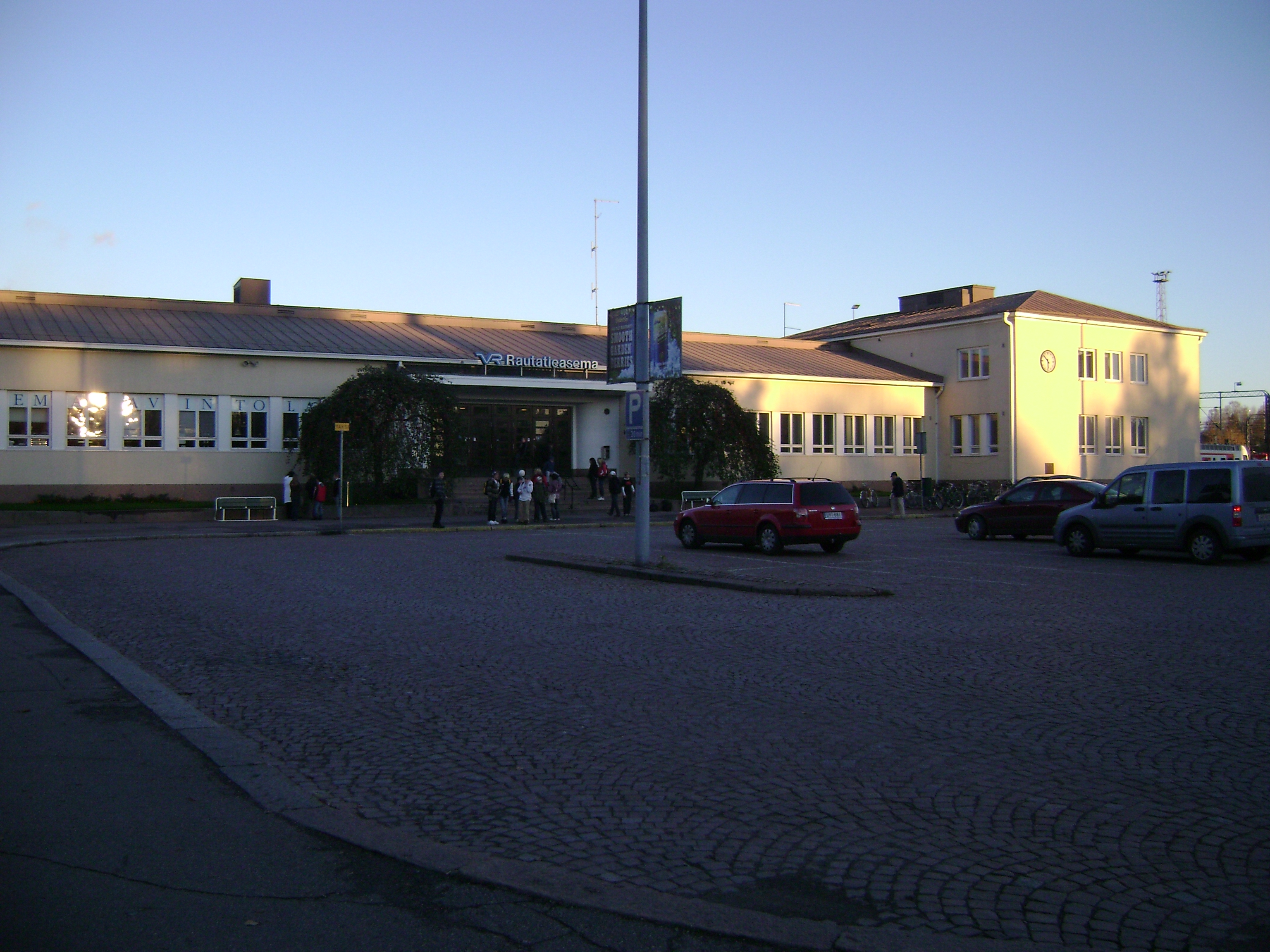 74
74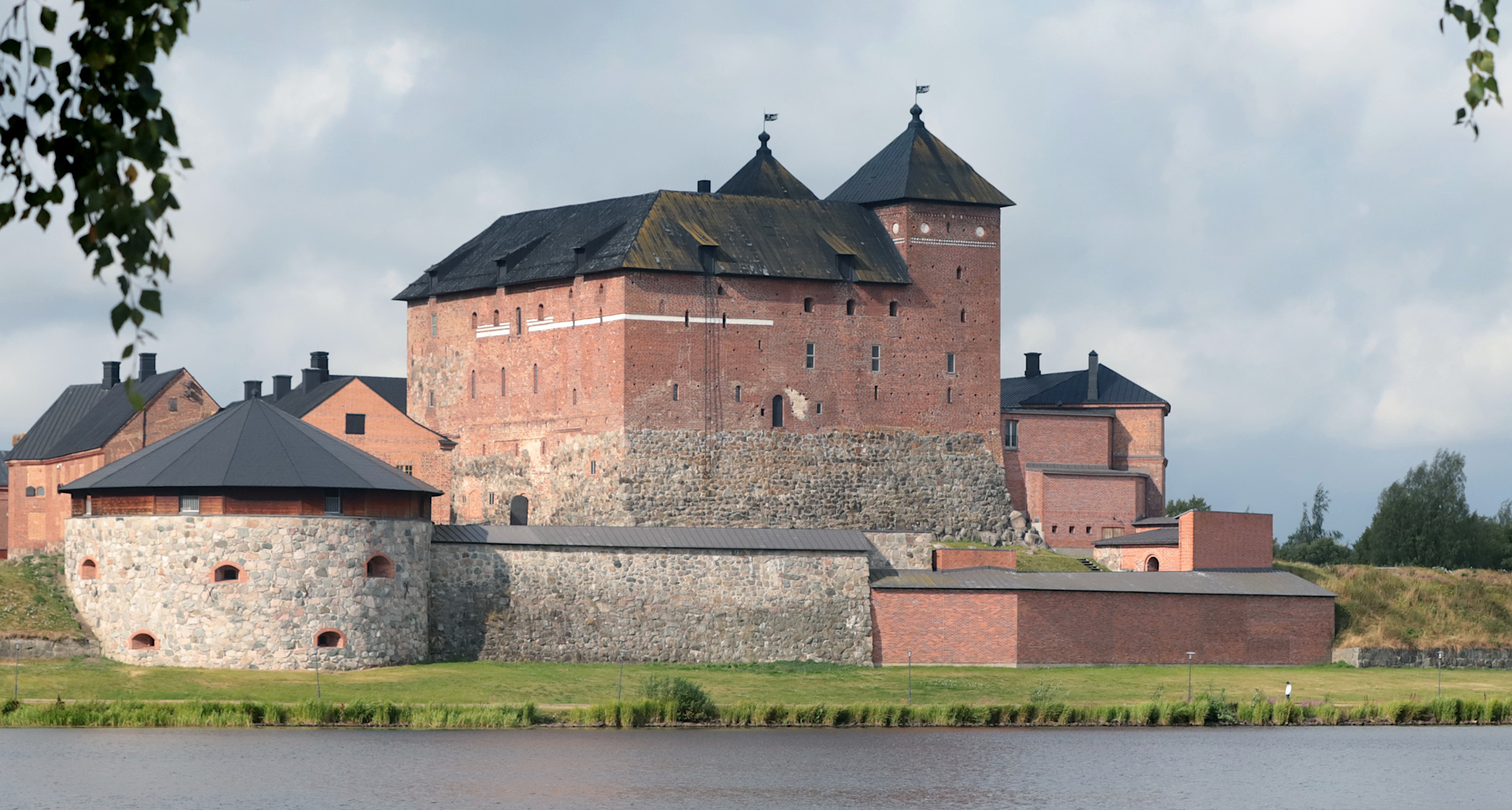 73
73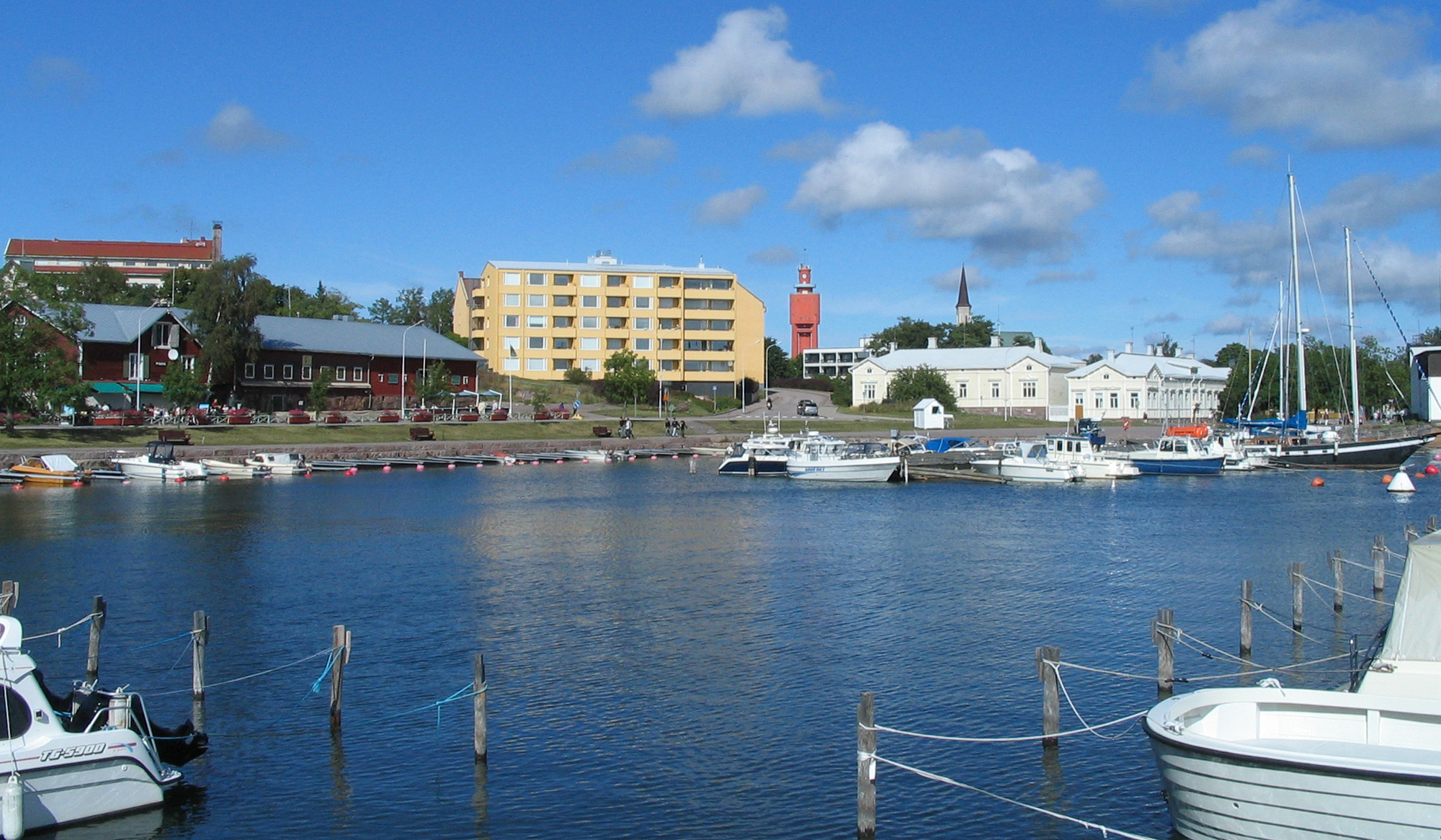 ✦ 75
✦ 75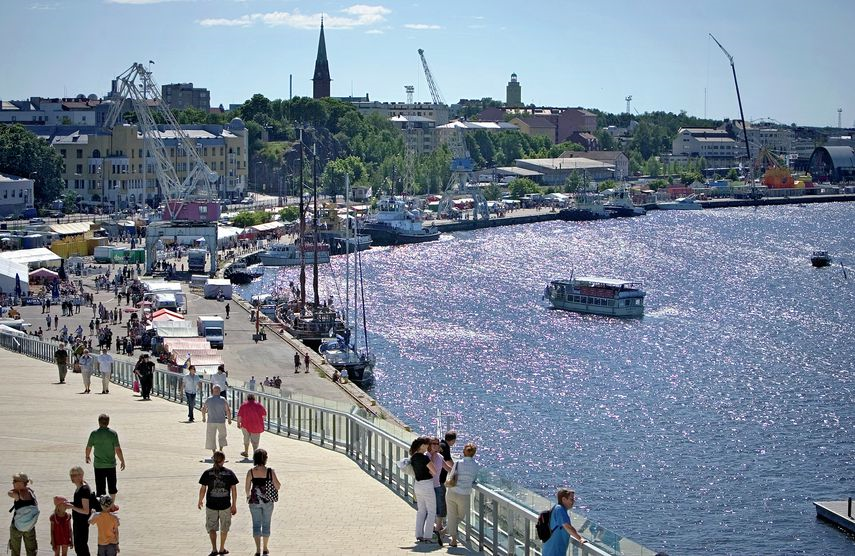 74
74 74
74 74
74Getting the income documentation story straight before applying
The income threshold is so low that proving you earn enough is rarely the problem. The problem is proving that the money comes from outside Finland and will keep coming. Consulates see a lot of bank statements with a single large deposit and a vague explanation. That pattern gets applications delayed or refused.
You need three to six months of statements that show a rhythm. Regular deposits from the same clients or employer, in amounts that match your contracts or invoices. If you freelance for multiple US companies, show the contracts and highlight the payment dates that line up with the deposits. If you run a business, the business registration outside Finland and a profit forecast help. The forecast does not need to be audited, but it should look like you thought about it for more than ten minutes.
Pension income is explicitly recognized, which makes this permit unusually friendly to retirees. A Social Security statement or a private pension letter that shows monthly payments above the threshold is enough. You do not need to prove employment. You just need to show the money arrives.
What you do not want is a bank balance that spikes right before the application. A transfer from a savings account or a gift from a relative can be explained, but it puts the burden on you to explain it. The cleaner path is to submit accounts that already contain the regular income you plan to live on. If you are switching from a W-2 job to freelancing, wait until you have at least two months of freelance income documented before applying. The permit is for remote work you already do, not remote work you plan to start.
The housing requirement and how people get it wrong
The document list says a hotel booking is acceptable. It is. But a reservation for four nights in a Helsinki hostel and a vague plan to find an apartment later will not inspire confidence. The consular officer is deciding whether you intend to live in Finland or just pass through. A short hotel stay looks like tourism.
A signed rental agreement for at least the first month, even for a furnished sublet, changes the tone of the application. It shows you have a place to land and a local address to register. If you cannot secure a lease from abroad, an invitation letter from a host who owns or rents a home in Finland works. The letter should include the host’s contact details and a copy of their own residence document or ID. It does not need to be notarized, but it should be specific: the address, the dates you will stay, and a statement that you are welcome.
Some applicants book a fully refundable hotel for a month, use that for the application, and then cancel once they find a real place. That is a common workaround, but it carries risk. If the consulate calls the hotel to verify and the reservation has vanished, your application can be flagged. The safer move is to book a short-term rental through a platform that provides a proper receipt and to keep the booking active until you collect your permit card. The housing proof is not just a box to tick. It is the first piece of evidence that you have thought through what happens after the plane lands.
Why the local bank account requirement catches people off guard
The permit requires you to open a Finnish bank account. That sounds straightforward until you try to do it. Finnish banks will not open an account for you without a Finnish personal identity code. The code is issued after you register your address with the local authorities. Registration requires a residence permit card and a permanent address. The permit card is what you collect after you enter Finland. So you arrive, pick up the card, register, get the code, and then finally walk into a bank. That chain takes anywhere from a few days to a couple of weeks, and during that time you cannot receive local salary payments (not that you would, since local work is prohibited) or pay bills that require a Finnish account.
The practical fix is to arrive with enough funds in a US or international account to cover living expenses for the first month or two. A Wise or Revolut account with a euro balance can handle day-to-day spending, but some landlords and utility companies want a Finnish IBAN. You can negotiate. Many will accept a deposit paid from a foreign account while you wait for your local account to open.
Do not underestimate the friction. The bank will want to see your residence permit card, your personal identity code, and often a tax card or proof of income. The tax card you get from the tax office after registration. Each step depends on the previous one. No single step is hard, but the sequence is rigid. Starting the process on a Monday morning and expecting to have a functioning bank account by Friday is optimistic. Plan for two weeks of administrative limbo.
What actually happens after you land
The approval letter tells you to enter Finland and collect your residence permit card. That moment feels like the finish line. It is not. You land, you go to the service point, you get the card. Then the real clock starts.
You need to register your address at the local registration office. That gives you a municipality of residence and triggers the issuance of your personal identity code. The code is the key to everything: banking, phone contracts, healthcare access, even library cards. Without it, you are a tourist with a plastic card.
Once you have the code, you visit the tax office to get a tax card. The tax card tells your bank and any future Finnish payers what withholding rate to apply. Even though you cannot work locally, the tax card is part of the residency apparatus. You will need it to file your annual tax return, and the bank may ask for it when you open your account.
The gap between landing and being fully operational is usually two to four weeks. During that time, you are living on foreign cards and temporary arrangements. The permit is renewable, so if you plan to stay beyond the first year, start the renewal process well before the permit expires. The processing time for renewals can be similar to the initial application, and you do not want a gap in your legal status. The permit does not automatically extend while you wait.
The judgment call against the alternatives
The most obvious alternative for a US remote worker eyeing Europe is a visa that does not treat you as a tax resident from the start. Several countries in the region offer digital nomad permits with territorial taxation, tax holidays, or flat low rates on foreign income. Finland offers none of that. You become a tax resident, and your worldwide income is subject to Finnish progressive tax. That is the price of admission.
What you get in return is a permit that is renewable and designed for people who want to stay. It is not a one-year experiment with an expiration date that forces you out. You can renew it and continue living in a country with clean air, functional public transit, and a society that runs on trust. The healthcare system is not tied to your employer. The education system is free. The summer is long and light. The winter is dark and cold, and the taxes are high. The decision is whether the trade-off makes sense for the life you want.
If your primary goal is to minimize your global tax bill while working remotely, look south or east. If you want a base in a Nordic country and are willing to pay for it, Finland’s digital nomad permit is one of the few that lets you in without a job offer or a six-figure investment. The income threshold is low enough that the barrier is not financial. The barrier is accepting that you are moving to a high-tax country and that the first month will be a bureaucratic slog. , that is a fair deal.
Work Permissions
Application Steps
- 1
📋 Research eligibility criteria
1-2 days
- 2
📄 Gather passport and photos
1 week
- 3
📄 Prepare proof of funds statement
1-2 weeks
- 4
📄 Secure health insurance
3-5 days
- 5
📬 Submit online or paper application
1 day
- 6
⏳ Wait for processing decision
8-16 weeks
- 7
🏛️ Collect residence permit card
1-2 days
This visa requires proof of health insurance. Compare international plans before you apply.
Compare health insuranceWe may earn a commission at no cost to you.
Compare this visa
Curated comparisons that include this route.
Frequently Asked Questions
Click any question to expand the answer.
Ready to Apply?
Work with trusted visa specialists who handle the paperwork so you can focus on your move.
Get help with this visa →* We may earn a commission if you apply through our link
At a Glance
Last verified: July 15, 2026