Min Monthly Income
$1,370
Application Fee
$137
Processing Time
2-35 wks
Difficulty
Moderate
Overview
Getting the income story straight before you file
The residence permit tied to this setup wants to see money moving through your Estonian OÜ, not through your personal PayPal or a US bank account with your name on it. That distinction trips up more applicants than anything else in the process. Someone who's been freelancing for years with invoices addressed to them personally, paid directly by US clients into a US account, has to restructure how that income flows before it counts here. The company needs to bill the client, the company needs to receive the payment, and the corporate bank statements need to show a pattern that adds up to the $1,370 monthly minimum required as of 2026, sustained over time rather than appearing as one large deposit right before filing.
The sequencing mistake is starting the company too late relative to the application. e-Residency itself moves fast once your digital ID card arrives, but opening a business bank account for a newly formed OÜ can take a few weeks, sometimes longer if the bank wants more documentation on the nature of your work. If you form the company and immediately try to file for the residence permit, the corporate account has no real history yet, and a thin transaction record reads as unproven rather than as new. Give the company a few months of real invoicing before you lean on its bank statements as evidence.
Two other quirks change how you should think about the income requirement. Contributions or draws from something like a US retirement account or Social Security don't count toward the minimum, and pension income isn't recognized either, so this path is built around active self-employment earnings, not passive income you're already living on. That rules out a certain kind of applicant outright: if you're retired and drawing a pension, look elsewhere. If you're actively invoicing clients and can route that work through a company, the numbers are workable, but they need to be workable on paper through the OÜ specifically, months before you submit anything.
Eligibility Requirements
Min Income
$1,370
Application Fee
$137
Business Owner
Requirements Checklist
Tax Information
How Estonia Taxes Your Income and Your Company
Estonia runs a flat tax system, not a bracket ladder. As of 2026 the rate sits at 22% on nearly everything, after the Riigikogu cancelled a planned bump to 24% for both personal and corporate income in December 2025. Residency, not citizenship, decides what falls into that 22% net: once Estonia becomes your habitual home, worldwide income comes into scope, meaning salary, freelance revenue, foreign dividends, brokerage gains, and rental income from a property you still own in the US all get taxed there. The catch for anyone reading this because of e-Residency is that the program was built so you never have to trip that residency wire in the first place. You can register and run an OÜ from your kitchen table in Ohio and never spend a night in Tallinn.
What does become Estonian, automatically and regardless of where you live, is the company. An OÜ is tax resident in Estonia the moment it exists, and Estonia taxes companies on a deferral basis: retained profit sits at 0% for as long as it stays inside the company, and tax only lands when the profit is distributed as a dividend, at an effective 22% (calculated as 22/78 of the net payout). Capital gains follow the same flat 22% logic for individuals, with no separate capital gains regime and no reduced rate for holding period, aside from a two-year exemption on the sale of a primary residence, which will rarely be relevant to someone running a company through e-Residency rather than living in one.
What the IRS Still Wants From You
None of the above changes your US filing obligation. Citizens and green card holders owe the IRS on worldwide income no matter where the company sits or where the owner sleeps, and the Foreign Earned Income Exclusion only shelters earned income, salary or freelance revenue drawn from the OÜ, up to $132,900 for the 2026 tax year. It excludes dividends, capital gains, rental income, pensions, and Social Security entirely, all of which stay fully taxable on your US return regardless of what Estonia does with them. The exclusion itself requires either the Physical Presence Test, 330 days outside the US in a rolling twelve-month period, or Bona Fide Residence after a full calendar year of genuine relocation abroad, and e-Residency does not grant you either one automatically. If you keep living in the US while the OÜ runs itself, the exclusion is closed to you no matter how the company is taxed on the Estonian side.
The Foreign Tax Credit offsets US liability where both countries tax the same income, but Estonia's deferral structure blunts it. A dollar of profit that Estonia leaves untaxed inside the company generates no credit at all until the year you actually distribute it, so the credit shows up late and only against the income you finally pull out. The US-Estonia income tax treaty exists and does real work in specific places, notably keeping US Social Security taxable only in the US, but the savings clause means it never erases your US filing duty as a citizen; it reassigns particular income types rather than getting you out of the return. Then there's the bank account the OÜ needed to open in the first place, usually at LHV, SEB, Swedbank, or Coop Pank. Once the combined value of your foreign accounts crosses $10,000 at any point in the year, FinCEN Form 114 becomes mandatory, and Estonian institutions are already reporting your accounts to the IRS under the FATCA agreement whether you file or not. Miss it and the non-willful penalty runs from the statutory $10,000 baseline, adjusted for inflation to roughly $16,700 for 2026, per violation, and that figure moves every year.
The first-year mistakes here are specific and avoidable. People assume the Physical Presence Test will cover them and then discover, mid-year, that they never left US soil long enough to qualify, at which point the FEIE simply isn't available and the whole compensation structure needs rethinking. Others take dividends out of the OÜ on a schedule that makes sense for Estonian corporate tax but creates a US Foreign Tax Credit mismatch nobody planned for. And more than a few forget that the business bank account triggering all of this is the exact account FBAR was written for. A first-year advisor who understands both the Estonian deferral system and how the US treats a foreign corporation runs somewhere between $1,500 and $3,000, and that fee is cheaper than the $16,700 problem waiting on the other side of a skipped filing.
Living in Estonia
COL Index vs NYC
49.4
Monthly Cost (excl. rent)
$1,022
1BR Rent (City Center)
$636
Safety Index
76.3
Healthcare Index
75.5
Quality of Life Index
185.7
Time Zone
UTC+02:00
Capital
Tallinn
Population
1.3M
Official Languages
Estonian
Avg Internet Speed
94 Mbps
Public Transit Quality
Good
With a budget covering rent and living costs, you'd need roughly $1,658/mo for a comfortable single-person lifestyle in Estonia.See how far your money goes →
🏙️ Best Cities in Estonia for Freelancers
 69
69 71
71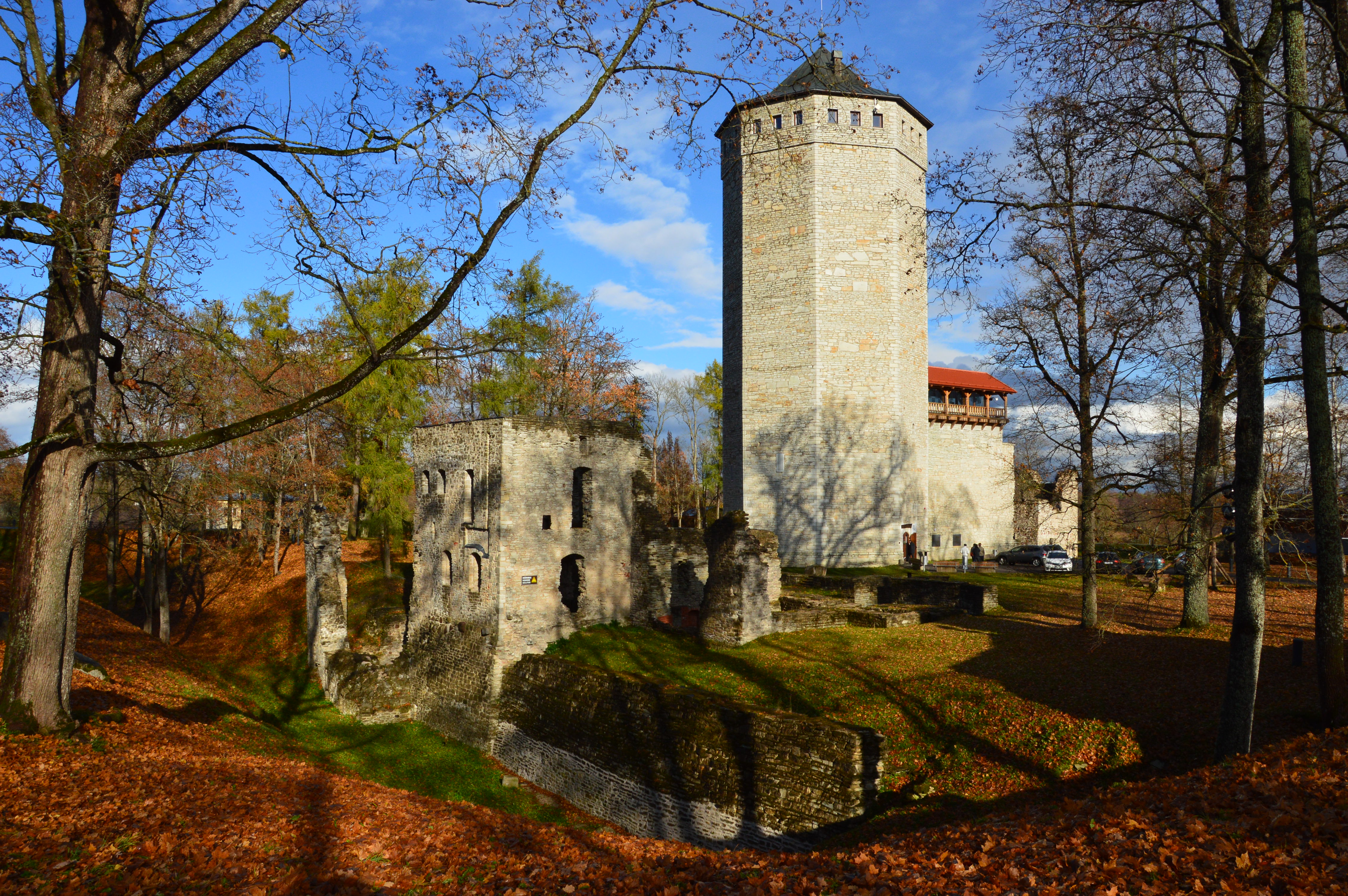 ✦ 79
✦ 79 ✦ 75
✦ 75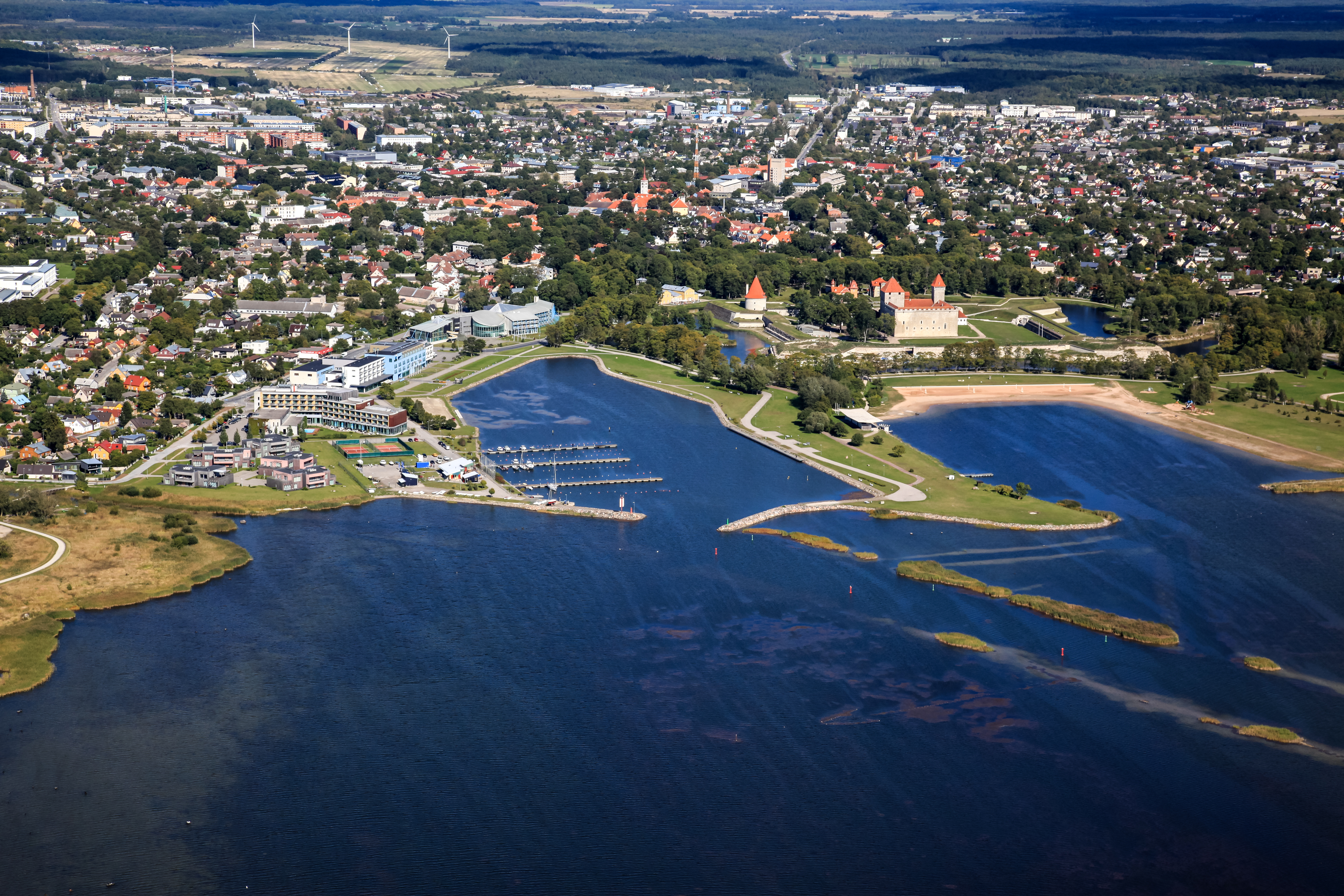 74
74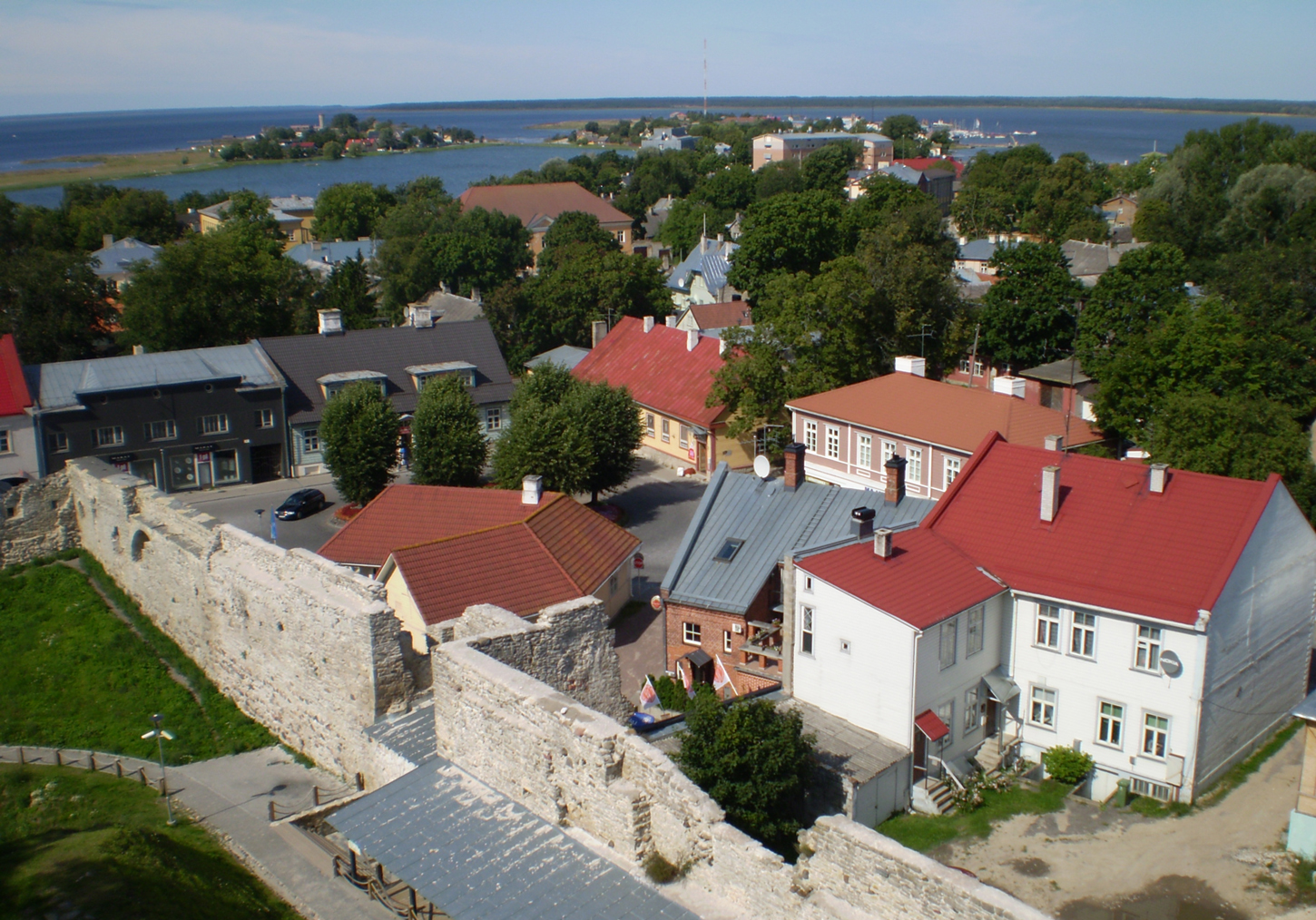 71
71The address problem nobody plans for
People conflate two different addresses in this process, and it causes real delays. The registered address you get through e-Residency is a legal address for the company, usually handled by a licensed service provider, and it exists so the OÜ has a place on the business register. It is not a residential address, and it will not satisfy any requirement tied to actually living in Estonia. If you intend to move and hold the residence permit as a real physical presence, you need a separate residential address you can register with, one that a landlord or property owner will actually confirm on paper.
The mistake shows up when applicants assume the company's registered agent address covers both functions. It doesn't, and finding out mid-application costs weeks. Estonian landlords are generally used to providing the confirmation documents foreign residents need, but that's a different conversation than the one you have with a company formation agent, and it has to happen on its own timeline, ideally started before you submit rather than scrambled after a request for additional documents.
There's also a quieter cost here: since local work isn't permitted under this status beyond running your own registered company, a spouse or partner who comes along as a dependent can live in Estonia but can't take a local job. Families sometimes don't work this out until after they've committed, and it changes the math on whether the move makes sense for the household rather than just for the person running the OÜ.
What happens after approval isn't residency yet
The paperwork itself is lighter than most EU residence routes. No interview, no medical exam, no apostilled documents, no background check requirement to clear. That's a genuine advantage in terms of friction, but it can create a false sense that the process ends at approval. It doesn't. Approval of the permit is a decision on paper, usually handled at an embassy or consulate rather than in person in Estonia, and it has to be followed by actually traveling, registering your address with the local government, and collecting the physical residence permit card once you're there.
Health insurance has to already be in place at the point of application, not arranged after arrival. That's worth sitting with, because a lot of applicants treat insurance as a formality they'll sort out once they land, the way they might with a routine short-term visa. Here it's part of what's being evaluated, and gaps in coverage during the application window are the kind of thing that gets a file sent back for clarification rather than approved outright.
Once you're actually in Estonia with the card in hand, the permit doesn't upgrade into something more permanent on its own. It stays what it was on day one: a renewable status tied to your ongoing company income and insurance coverage, reviewed again each time it comes up for renewal. Nothing about the initial approval process converts automatically into a different, less conditional kind of status later. You're maintaining the same conditions indefinitely, which is fine if the business keeps generating qualifying income, less fine if it doesn't.
The long-term ceiling is lower than it looks
This is the part that's easy to skip past when the entry requirements look manageable. The permit does not lead to permanent residency. It's renewable, which sounds like a path forward, but renewable and permanent are different things, and this route sits firmly on the renewable side without a built-in bridge to anything more settled. Every renewal cycle means resubmitting proof that your OÜ is still generating the required income and that your insurance is current, indefinitely, for as long as you want to keep the status.
For someone who wants an EU company vehicle for a few years while living wherever suits them, this ceiling doesn't matter much, because the goal was never to settle. For someone thinking of this as step one toward eventually calling Estonia home permanently, the honest answer is that this specific permit isn't the mechanism for that. If long-term settlement in Estonia or the EU broadly is the actual goal, it's worth researching a different national permit built explicitly around permanent residency timelines rather than assuming this one will eventually convert. Companies formed through e-Residency are truly useful business tools regardless of where you end up living, which is part of why so many people conflate the digital company formation with an immigration strategy, when the two are only loosely connected once you're past the entry paperwork.
e-Residency versus an actual digital nomad visa
The decision that actually matters here isn't between two similar Estonian products, it's between two different goals wearing similar language. e-Residency plus the OÜ gets you an EU-registered company, EU business banking access, and a digital ID for managing it all remotely, without requiring you to live anywhere in particular. If what you want is a clean corporate entity for invoicing US clients while you keep living in the US, or while you move around on tourist stays elsewhere, this is close to the right tool and you never need to touch the residence permit side at all.
If what you want is to actually live in the EU on a status built for remote workers and freelancers, with income and insurance requirements attached to your physical presence rather than your company's books, a dedicated digital nomad visa in another country might fit the goal more directly, since those are usually designed from the start around personal income and physical residence rather than around a company you happen to control. The comparison isn't about which country is nicer to live in. It's about whether your actual goal is a company or a physical move, because this Estonian route optimizes hard for the first and only reluctantly accommodates the second. Pick the tool that matches
Work Permissions
Application Steps
- 1
Research
Verify all requirements for this visa type and country
- 2
Gather documents
Obtain all required documents (passport, financial statements, health insurance, etc.)
- 3
Complete application
Fill out the official application form
- 4
Submit application
Submit all documents to the appropriate consulate or online portal
- 5
Pay fees
Complete payment of application and visa fees
- 6
Attend interview
If required, attend any scheduled interviews
- 7
Wait for decision
Processing times vary from weeks to months
- 8
Travel and activate
Once approved, travel to the country and complete any activation requirements
Compare this visa
Curated comparisons that include this route.
Frequently Asked Questions
Click any question to expand the answer.
Ready to Apply?
Work with trusted visa specialists who handle the paperwork so you can focus on your move.
Get help with this visa →* We may earn a commission if you apply through our link
At a Glance
Last verified: October 9, 2026