Overview
Getting the income documentation story straight before applying
The consulate isn't verifying that you earn money. It's verifying that the money you claim to earn matches the shape of the work you claim to do, and that both will keep showing up after the visa is granted. This is where freelancer applications fall apart more than salaried ones. A remote employee has one contract, one employer letter, one pay cadence. A freelancer pulling in $6,000 a month from three clients has three different invoicing rhythms, maybe one client who pays through a platform and two who wire directly, and a bank statement that looks lumpy even when the underlying income is completely legitimate. Officers reviewing TP-7 applications aren't used to lumpy. They're used to smooth.
Fix this before you assemble anything else. Build a consistent narrative across your invoices, your bank statements, and whatever income letter or tax document you're including, so the numbers on each document tell the same story from three angles. If your income varies month to month, don't try to hide the variance, show a longer window so the average reads clearly instead of one strong month sitting next to two weak ones. Apostilling documents takes real time and has to happen before you can submit a complete packet, so start that process while you're still gathering bank records rather than after. People treat the apostille step as an afterthought and then watch their whole timeline slip because the one document that needed authentication was the last one they touched.
One detail that trips people up specifically with this visa: local work isn't permitted, so any documentation that even implies Colombian-sourced income, a local client, a peso-denominated invoice, needs to be either excluded or explained. Officers are not looking for reasons to approve you. They're looking for reasons not to, and a stray line item that looks like local income does exactly that.
Eligibility Requirements
Requirements Checklist
Tax Information
Colombia Taxes Everything You Earn, Not Just What You Bring In
Colombia taxes residents on worldwide income, full stop. That means salary paid by a US company, freelance invoices billed to US clients, dividends from a US brokerage, gains on that same brokerage account, and rental income from a house sitting empty back home all land inside Colombian scope once you cross into tax residency. The progressive schedule for individuals runs from 0% on the first 1,090 UVT up through 19%, 28%, 33%, 35%, and 37%, topping out at 39% on anything above 31,000 UVT, as of the 2026 tax year. There is no soft landing bracket for expats. Freelance income earned while sitting in Medellin or Bogota gets folded into the same schedule as a Colombian salary, taxed at the same marginal rates, with no separate lower category for remote work billed abroad.
Dividends carry their own layer on top of that. Distributions from profits already taxed at the corporate level face a 10% withholding for resident individuals on amounts up to 300 UVT, roughly COP 14.2 million (about USD 3,500) in 2024 terms, with a steeper marginal rate above that threshold. Capital gains split by holding period rather than asset type: hold an asset more than two years and the gain qualifies as an occasional gain, taxed flat at 15% since the 2022 reform raised it from 10%. Sell within two years and the gain gets taxed as ordinary income, which means the 39% top rate is live. A proposal to stretch the qualifying holding period from two years to four failed in Congress in December 2025, so the two-year line holds for now.
Retirement income gets no shelter either. Foreign pensions, US Social Security payments, and distributions from a 401k or IRA are all pulled into worldwide taxable income once you're a Colombian resident, taxed at the same progressive rates up to 39%. Colombia exempts pension income up to 1,000 UVT per month, but that exemption was built for domestic pension payments, and DIAN has given no clear guidance on whether foreign pensions qualify. Roth IRA distributions face the same uncertainty: Colombia does not recognize the US tax-exempt character of a Roth, so a distribution that's tax-free at home may not be tax-free here, with no treaty to fall back on for clarity.
Colombia does not run a preferential tax regime for foreign remote workers or retirees on this visa, so there is no reduced rate schedule, no exempt-income category, and no registration window to worry about missing. You pay the standard progressive schedule described above, same as a Colombian national earning the same income. If an incentive program surfaces before you file, confirm current eligibility with a Colombian tax advisor rather than assuming it applies.
The IRS Doesn't Care Which Peso You're Paid In
None of that erases your US filing obligation. Citizens and green card holders file with the IRS regardless of where they live, and the Foreign Earned Income Exclusion only reaches earned income, remote salary and freelance revenue, up to USD 132,900 for the 2026 tax year. Dividends, brokerage g
Living in Colombia
COL Index vs NYC
26.0
Monthly Cost (excl. rent)
$728
1BR Rent (City Center)
$446
Safety Index
39.1
Healthcare Index
68.6
Quality of Life Index
108.8
Time Zone
UTC-05:00
Capital
Bogotá
Population
50.9M
Official Languages
Spanish
Avg Internet Speed
220 Mbps
Public Transit Quality
Good
With a budget covering rent and living costs, you'd need roughly $1,174/mo for a comfortable single-person lifestyle in Colombia.See how far your money goes →
🏙️ Best Cities in Colombia for Freelancers
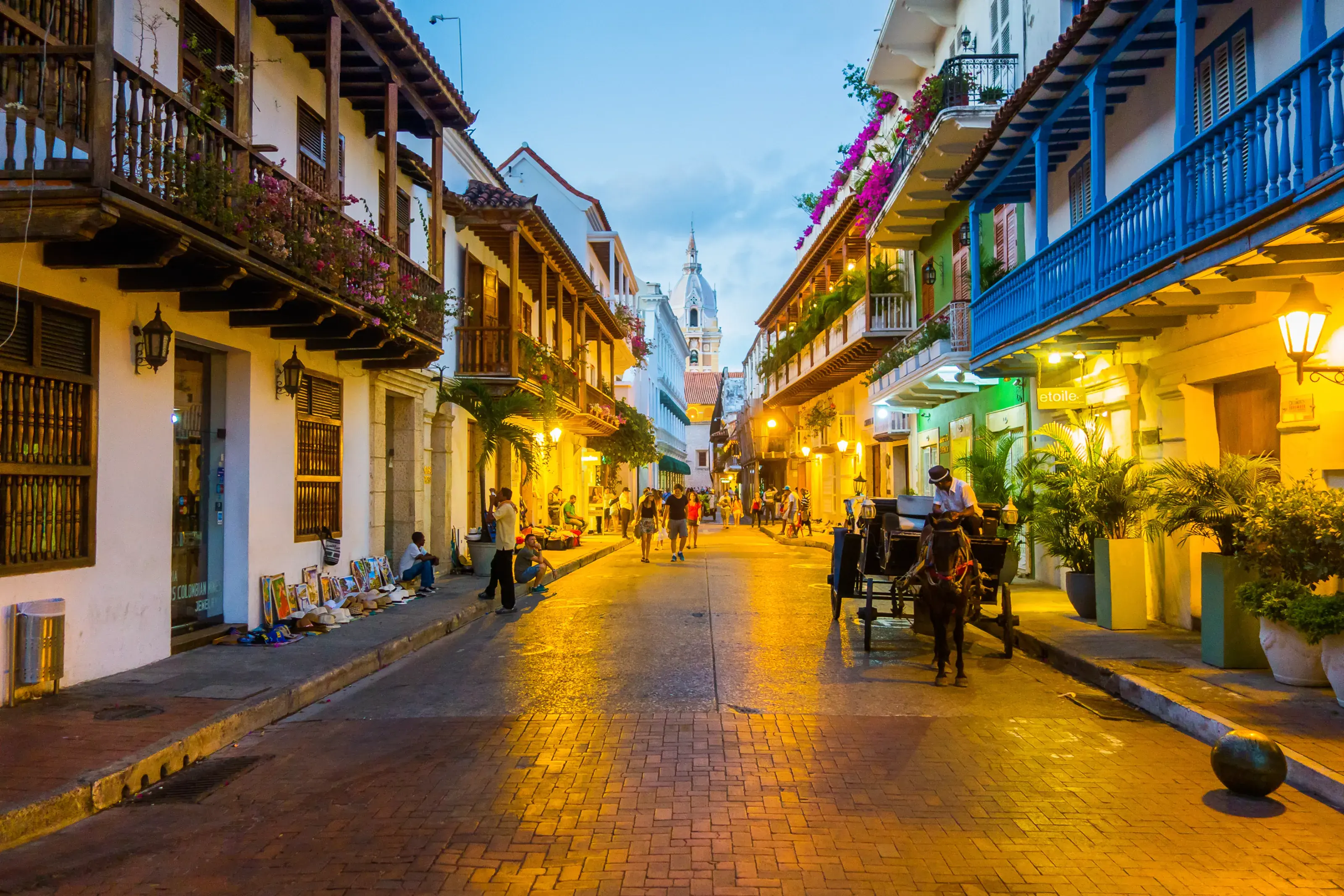 ✦ 81
✦ 81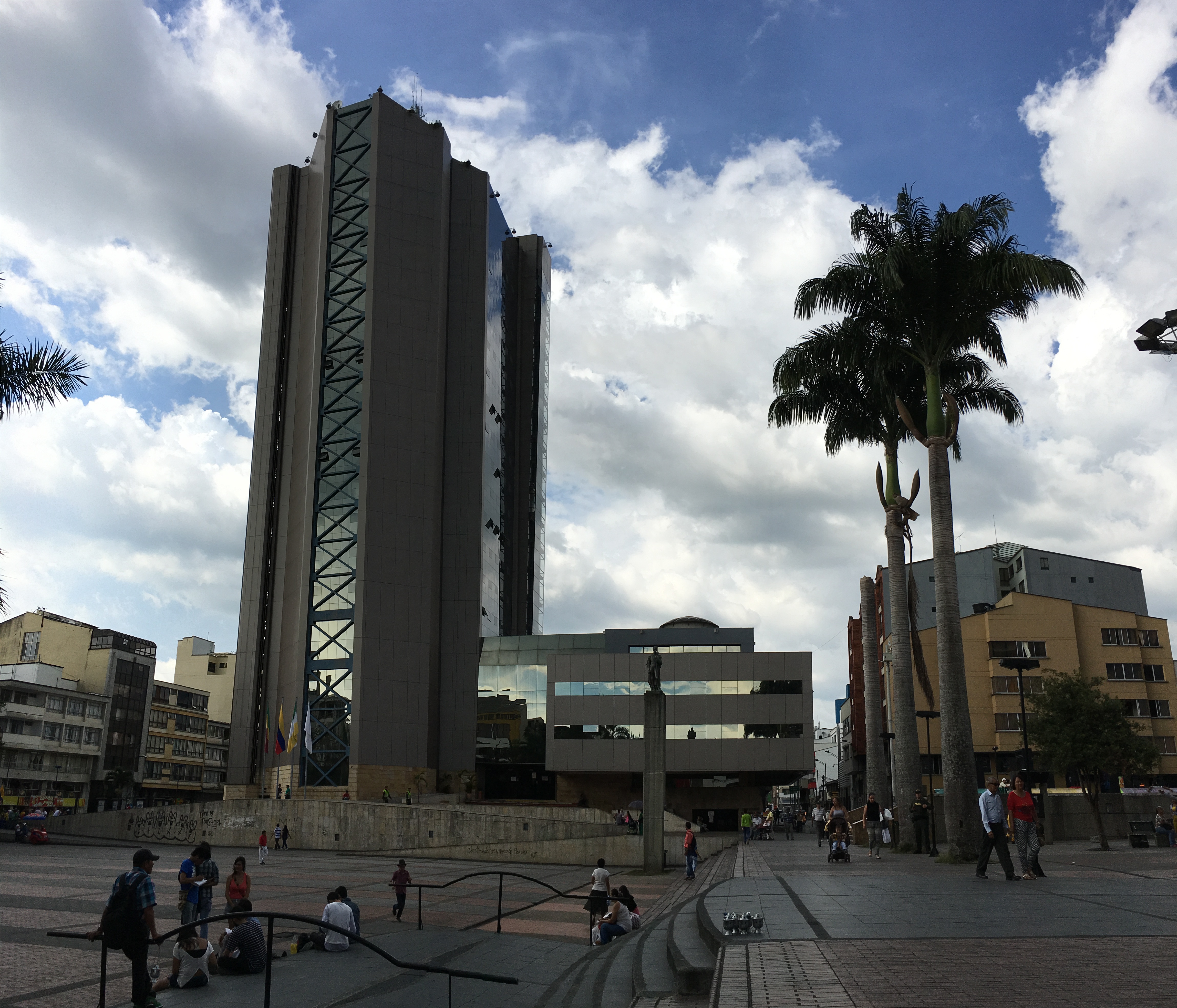 64
64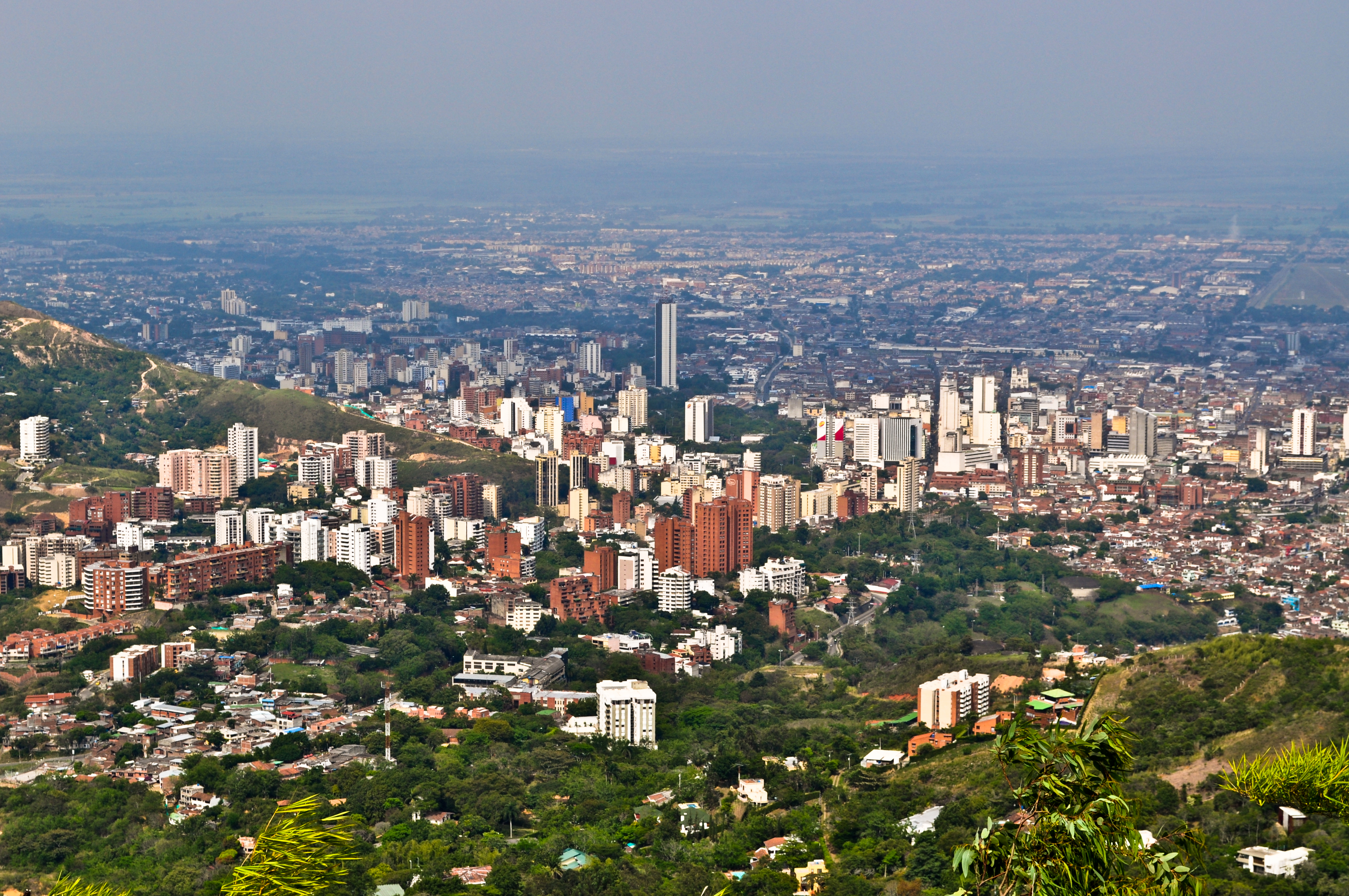 65
65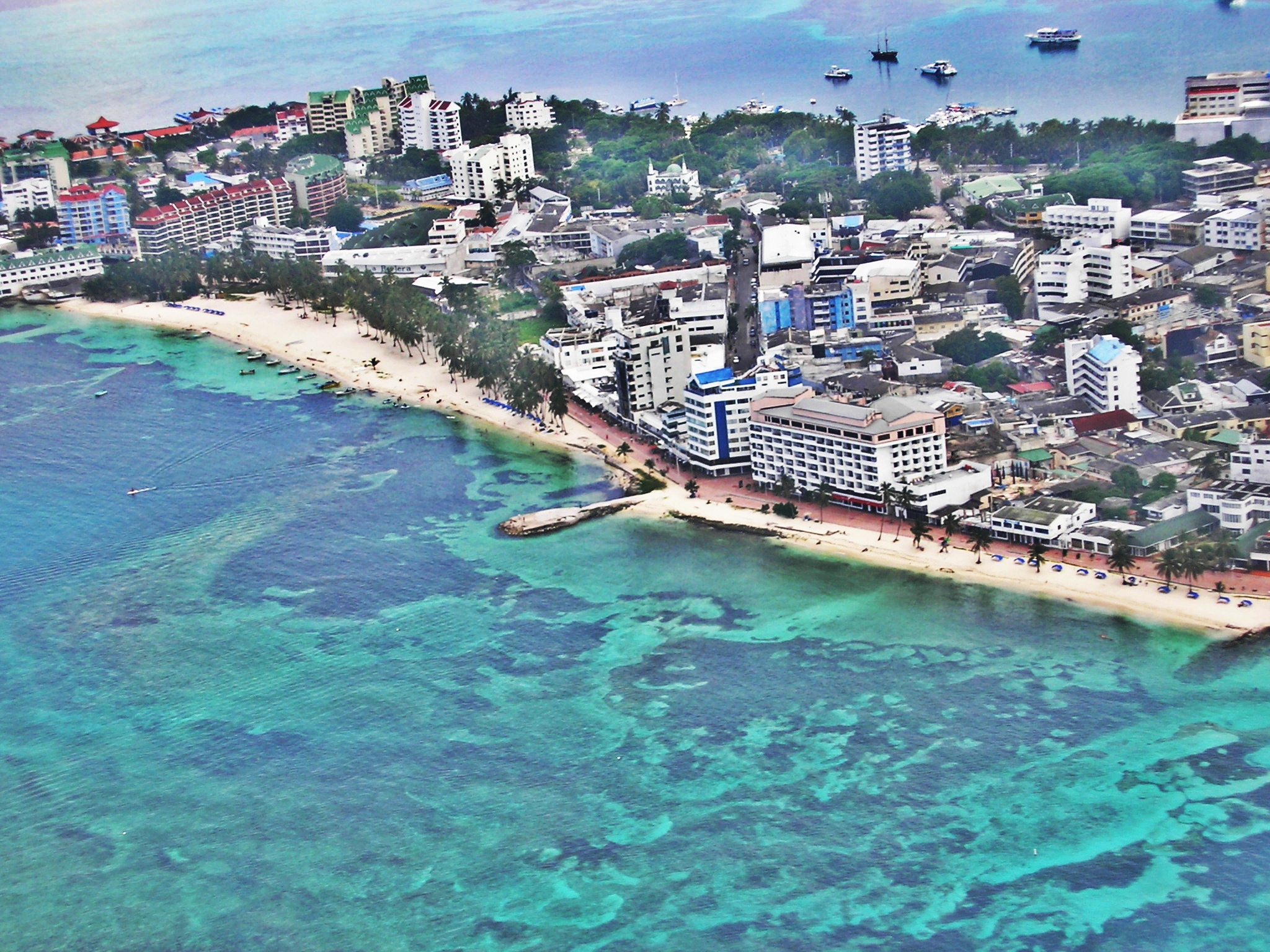 70
70 71
71 64
64The accommodation requirement and how people get it wrong
Health insurance and proof of accommodation both get treated as boxes to check, and both get under-prepared for the same reason: applicants assume any documentation showing an address will satisfy an officer who is actually looking for something durable. A one-month Airbnb reservation printed out and submitted as proof of housing reads as exactly what it is, a placeholder, and it invites the officer to wonder what your actual living situation will be once you land. A signed lease, even a short one, or a letter from a landlord with your name on it, carries more weight because it implies commitment rather than a tourist stopover with a visa attached.
The sequencing problem is that most applicants don't have a lease yet because they haven't moved yet, and they don't want to move before the visa is approved. That's a reasonable instinct, but it means the accommodation piece often becomes the weakest part of an otherwise strong file. The workaround people use is a longer-term rental booked and paid in advance, three months or more, which functions as a middle ground between a full lease and a tourist reservation. It costs more upfront but it reads differently to an officer, and it buys you time to find permanent housing once you're actually on the ground and can see neighborhoods in person instead of guessing from listings.
Health insurance has a similar trap. A policy that technically satisfies the coverage requirement but excludes anything resembling routine care, or caps out at a level that wouldn't cover a real hospitalization, can get flagged even when it checks the box on paper. Buy coverage that would actually hold up if you needed it, not coverage designed to clear a checklist, because the two aren't always the same policy.
What happens after your visa gets approved
Visa approval is not the same as being functionally set up in the country, and this is the gap that catches people who assumed the hard part was over once the stamp went in their passport. The TP-7 gets you in the door. What lets you actually operate day to day, sign a longer lease, open certain accounts, get a local phone plan without friction, is the physical identification you register for after arrival. That registration step happens on Colombian soil, not before, and it's a separate administrative process from the visa itself even though the visa is what makes you eligible for it.
Because the visa approval doesn't require a medical exam or a local bank account, some applicants arrive assuming the rest of the process will be similarly light. It usually isn't heavy, but it's a distinct errand with its own paperwork and its own office visit, and treating it as an afterthought after a long flight is how people end up scrambling in week one instead of settling in. Build a few days into your early schedule specifically for this rather than assuming you'll get to it whenever.
It's also worth remembering that none of this is a totalization arrangement. Time spent working under this visa doesn't count toward US social security, and there's no certificate of coverage exchanged between the two systems, so this stretch of your career sits outside that accounting entirely. For most remote workers in their thirties or forties this barely registers. For someone closer to drawing benefits, it's a gap worth thinking about before, not after.
The long-term path is a renewal cycle, not a ladder
This is the part people get wrong most often because they import assumptions from other countries. The TP-7 is renewable, and renewable can sound like it's building toward something permanent if you don't look closely. It isn't structured that way. Each renewal re-checks your income against the same bar you cleared the first time, which means this visa functions less like a rung on a ladder toward citizenship and more like a lease you keep re-signing as long as the numbers still work.
That's not a flaw, but it changes the planning math. If your goal is eventually settling permanently, staying on this visa year after year doesn't move you closer to that on its own. You'd need to look at a separate track entirely, and the sooner you accept that this visa is solving a different problem, letting you live in Colombia while working for clients or an employer outside it, the less likely you are to be disappointed three or four renewals in when permanent status still isn't on the table. People who plan around "this visa forever, if the income holds" tend to be happier with it than people quietly hoping it converts into something it was never designed to become.
Weighing this against the obvious alternative
For a remote worker choosing where to spend the next few years, Colombia's TP-7 competes most directly with the handful of other Latin American income-based visas built for the same audience, remote employees and freelancers earning steady dollars. The honest way to think about the choice isn't which one has the lower fee or the shorter checklist, it's which trade-off you'd rather live with for several years running.
Colombia's version asks less of you administratively than some comparable programs. No local bank account, no medical exam, no interview, no background check requirement pulling in FBI paperwork on top of everything else. That's a real reduction in friction for someone applying from the US who doesn't want to coordinate multiple government agencies before they've even bought a plane ticket. What it doesn't offer is a built-in bridge to permanent status, and it's open to applicants of any nationality, which some competing programs restrict.
If your priority is minimizing paperwork and you're comfortable with an open-ended renewal relationship rather than a countdown to permanence, that lower administrative bar is the actual selling point, more than the fee or the lack of an interview. If your priority is eventually settling somewhere for good, this visa alone won't get you there, and the decision becomes whether Colombia is worth living in for its own sake while you figure out a separate longer-term route, or whether a country whose income visa explicitly converts to residency is worth the extra paperwork now to save a harder decision later.
Work Permissions
Application Steps
- 1
Research
Verify all requirements for this visa type and country
- 2
Gather documents
Obtain all required documents (passport, financial statements, health insurance, etc.)
- 3
Complete application
Fill out the official application form
- 4
Submit application
Submit all documents to the appropriate consulate or online portal
- 5
Pay fees
Complete payment of application and visa fees
- 6
Attend interview
If required, attend any scheduled interviews
- 7
Wait for decision
Processing times vary from weeks to months
- 8
Travel and activate
Once approved, travel to the country and complete any activation requirements
Frequently Asked Questions
Click any question to expand the answer.
Ready to Apply?
Work with trusted visa specialists who handle the paperwork so you can focus on your move.
Get help with this visa →* We may earn a commission if you apply through our link
At a Glance
Last verified: October 9, 2026